espana.net
 Javier Mediavilla Ezquibela, CC BY 3.0
Basque Country
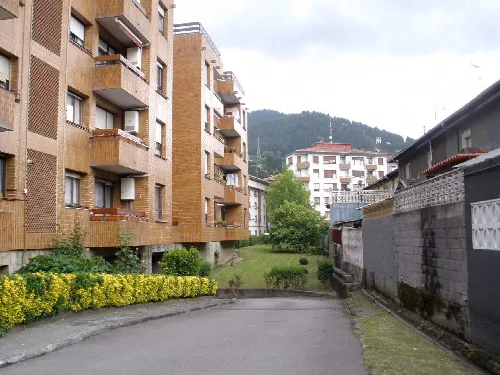
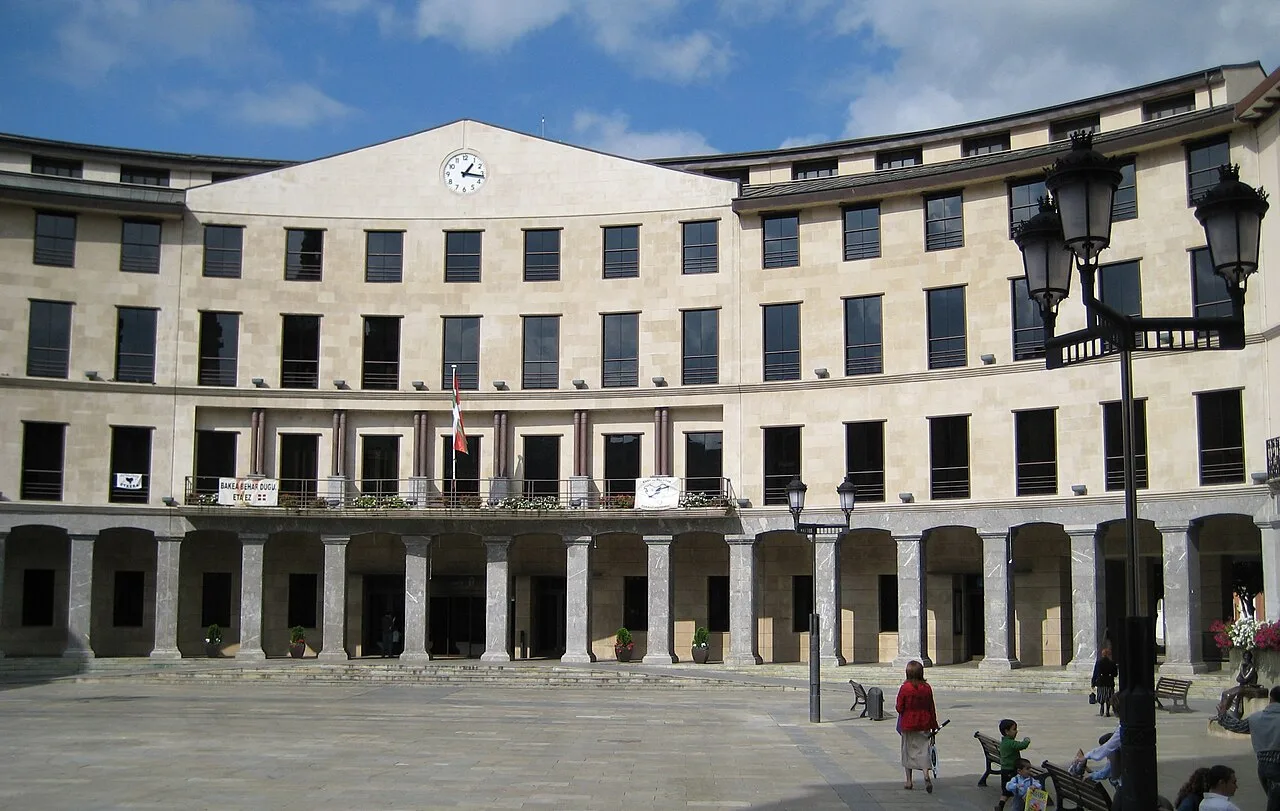
Laudio, also known as Llodio, is a municipality in the province of Álava, located in the Basque Country. It is recognized as a significant industrial center and is the second most populous municipality in Álava, following Vitoria.
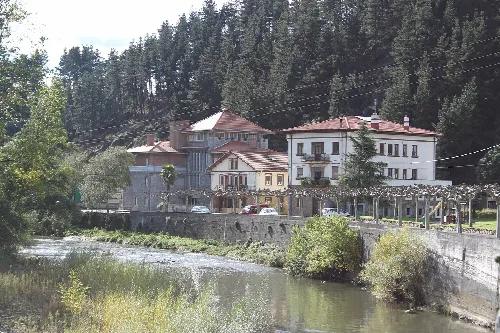
Laudio is situated in the northwest of Álava, within the Ayala Valley, and is bordered by the province of Bizkaia. The municipality covers an area of 37.56 km² and has an elevation of 13 meters above sea level. The Nervión River flows through Laudio, supported by various streams, and the surrounding mountains include notable peaks such as Kamaraka and Goikogane.
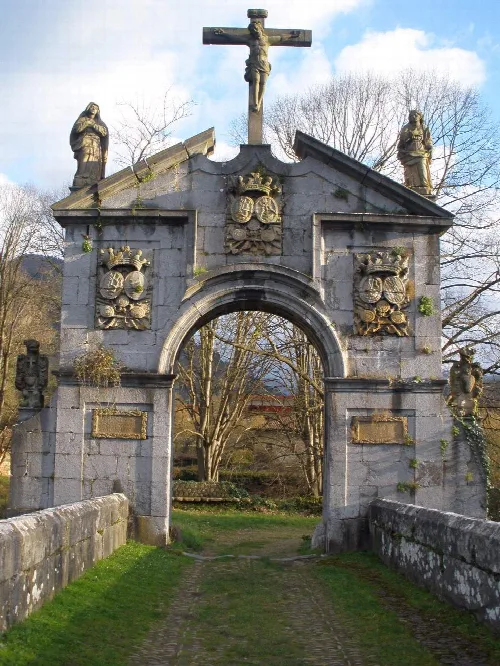
The historical origins of Laudio are somewhat unclear, but it features remnants such as the medieval bridge of Vitorica, which dates back to Roman times. The name Laudio is believed to have evolved from the Latin 'Claudius' or 'Claudianus', reflecting its long-standing heritage.
Laudio, a key industrial municipality in Álava, Basque Country, is known for its rich history and vibrant local culture.
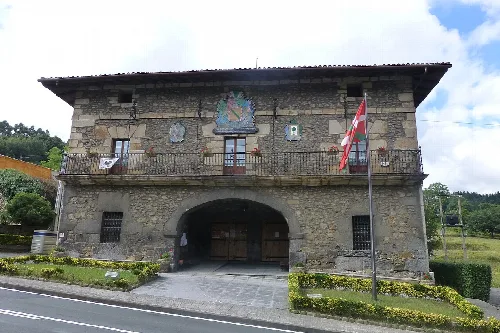
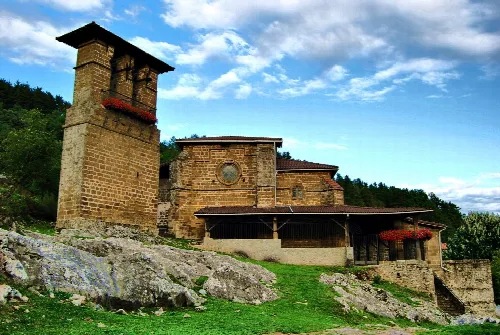
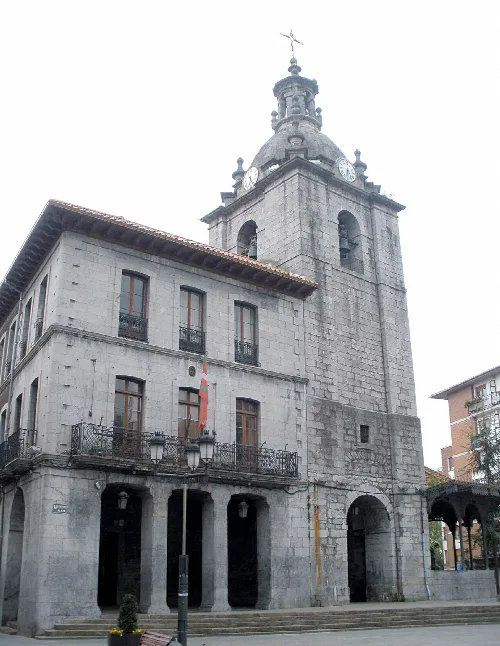
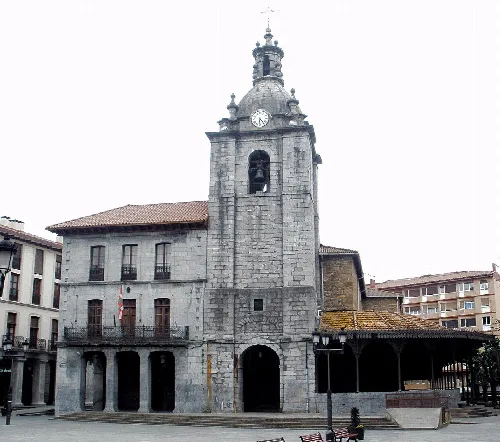
Laudio boasts several significant cultural landmarks, including the Church of San Pedro de Lamuza, which showcases a blend of architectural styles from different centuries. Other notable sites include the Sanctuary of Santa María del Yermo and the historic Casa-torre de Ugarte.
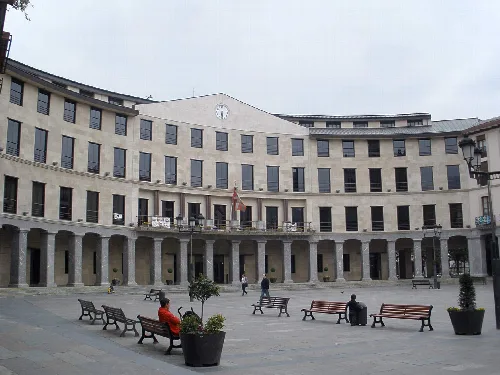
Laudio celebrates a variety of local festivals that reflect its cultural heritage. The Carnival features a unique character known as the Bruja de Leziaga, while San Blas and the Easter Friday livestock fair highlight traditional customs. The festivities of San Roque are particularly notable for their length and community involvement.

Own text, written with AI assistance from the facts in Wikipedia · Laudio/Llodio · Data: Wikidata Q676903 · Photos: Wikimedia Commons, see individual licenses. · CC BY-SA 4.0