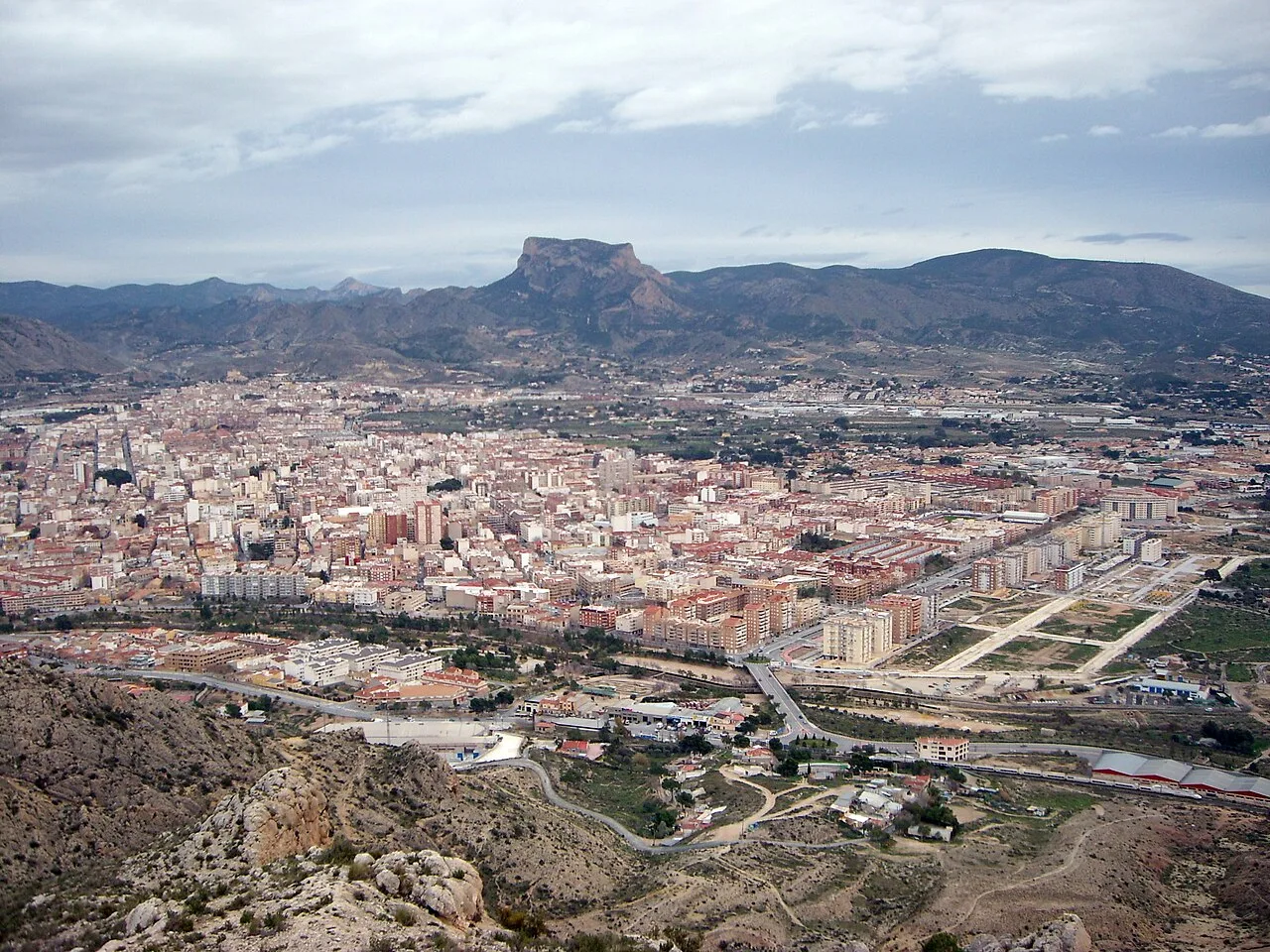
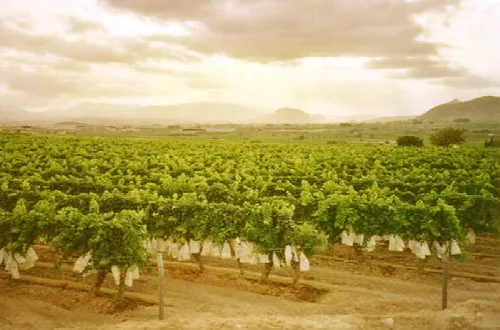
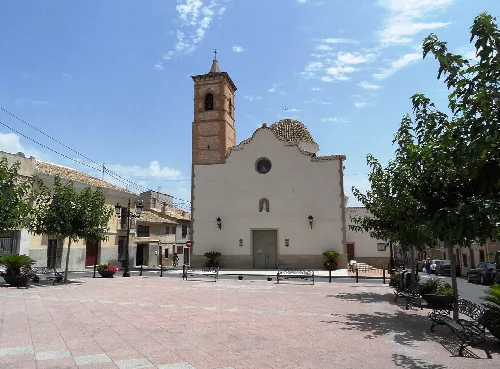
Elda is a municipality and city located in the province of Alicante, within the Valencian Community of Spain. Known for its rich history and geographical significance, it is the administrative capital of the Medio Vinalopó comarca and features a blend of urban and natural landscapes.
02Geography
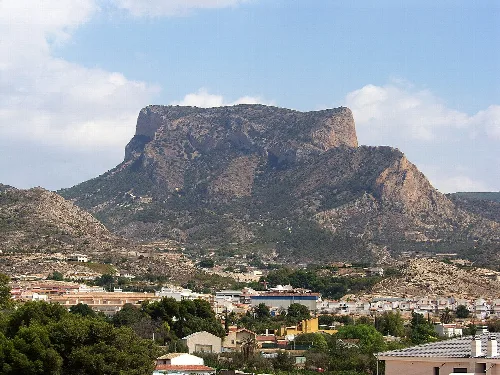
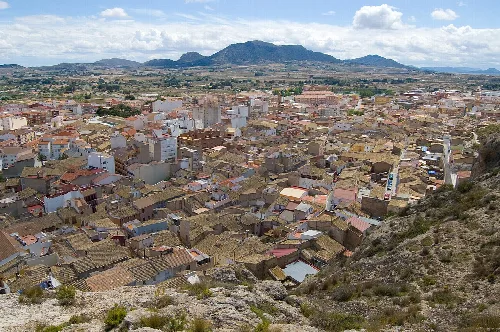
Elda is situated in the southeastern part of the Iberian Peninsula, northwest of Alicante. The city lies at an elevation of 395 meters above sea level, on a fertile alluvial terrace along the Vinalopó River, surrounded by mountains. This location contributes to its significance as one of the key urban centers in the region.
Distance to Alicante
38 km
03History
Elda has a rich historical background, with evidence of human settlement dating back to the Neolithic period. Throughout its history, it has been influenced by various cultures, including the Romans, Visigoths, and Muslims, each leaving their mark on the region.
Roman Era Known as Elo, it was an important settlement along the Via Augusta.
Visigoth Period Became an episcopal seat and was referred to as Elo.
Muslim Conquest In 711, the area fell under Muslim control, leading to the establishment of agricultural settlements.
Reconquista In the 13th century, Elda was reclaimed by Christian forces.
Modern Era Elda was elevated to the status of a county in the 16th century.
Elda, a city in Alicante, is known for its rich history and geographical significance in the Valencian Community.
04Symbols
The coat of arms of Elda features a Spanish-style shield with a gold castle and a silver fleur-de-lis, symbolizing its historical significance. The shield is flanked by laurel branches and topped with a ducal crown, reflecting its noble heritage.
Coat of Arms
Features a castle and a fleur-de-lis.
Title
Fidelísima.
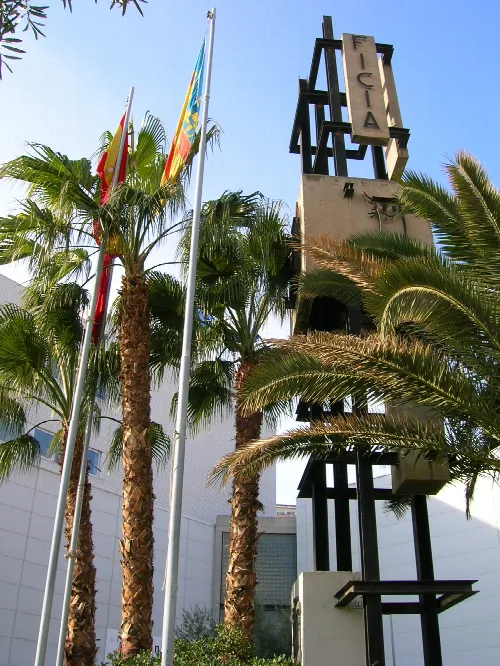
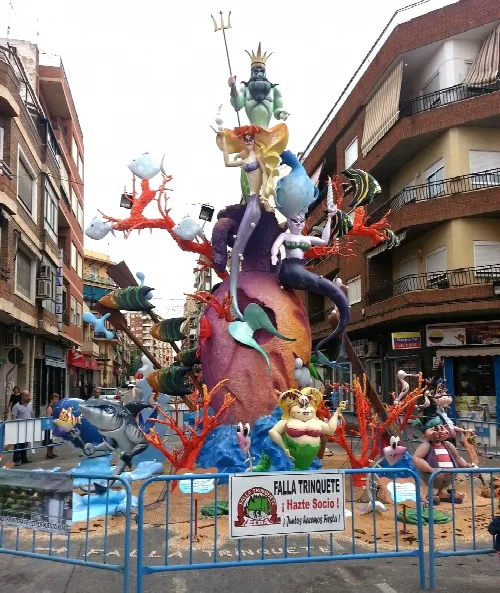
Entrance to FICIA with a modern structure and palm trees in the foreground in Elda, Alicante.Falla in Elda, Trinquete neighborhood, with colorful, caricatured figures on a large decorative structure.
05Climate
Elda experiences a Mediterranean climate with continental influences due to its elevation. Summers are long and hot, while winters are mild with occasional frost. Rainfall is limited, typically not exceeding 400 mm annually, with the wettest periods occurring in spring and early autumn.
Annual Rainfall
Less than 400 mm
Climate Type
Mediterranean with continental influences.
06Flora and Fauna
The natural environment around Elda is characterized by diverse flora and fauna. The region features forests of pines and oaks, while the Vinalopó River supports unique riparian vegetation. Wildlife includes various bird species and mammals, although urbanization has impacted their populations.
Common Flora Pine, oak, and Mediterranean shrubs.
Notable Fauna Birds such as sparrows and migratory species like swallows.
Endangered Species Some mammals like the wild boar and fox.
07Cultural Landmarks
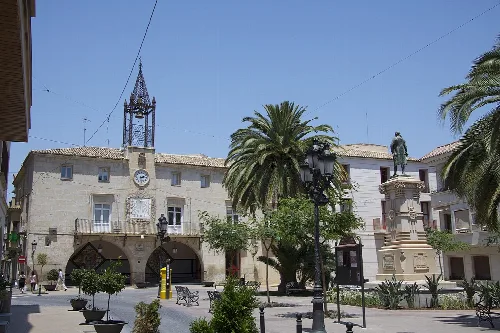
Elda is home to several notable public spaces and parks, which reflect its cultural heritage. The Plaza Mayor, inaugurated in 1994, hosts various cultural events, while the Jardín de la Música serves as a venue for local art exhibitions.
Plaza Mayor A porticoed square for cultural activities.
Jardín de la Música A park for temporary art exhibitions.
Parque de Adolfo Suárez Former cemetery turned park with historical significance.
Plaza del Zapatero Dedicated to the shoemaking industry.
Jardines del Vinalopó A park along the river with recreational paths.
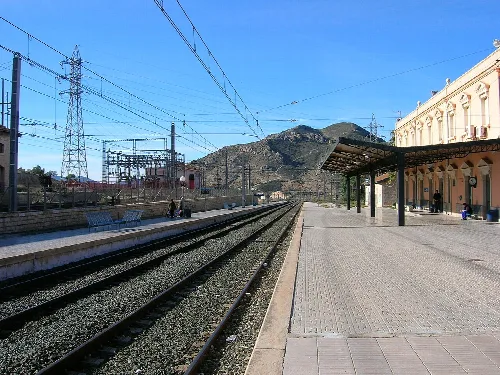
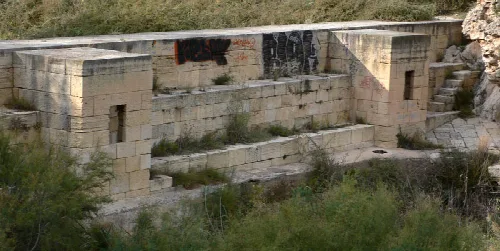
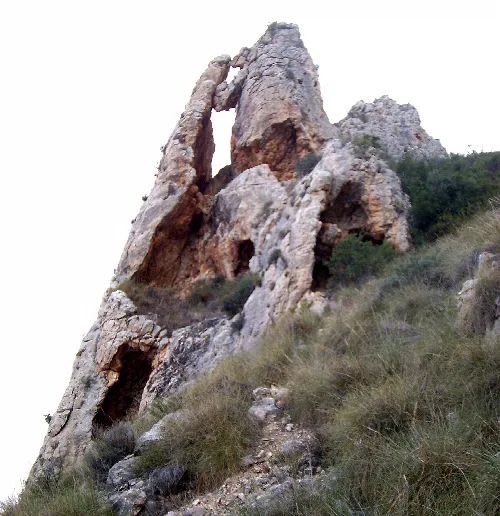
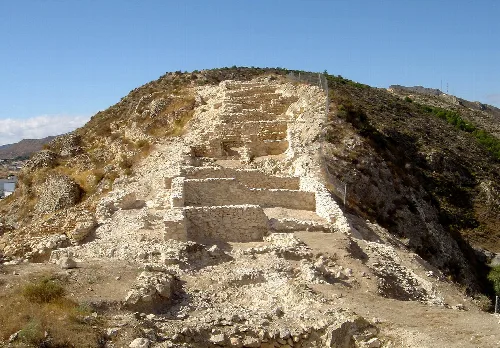
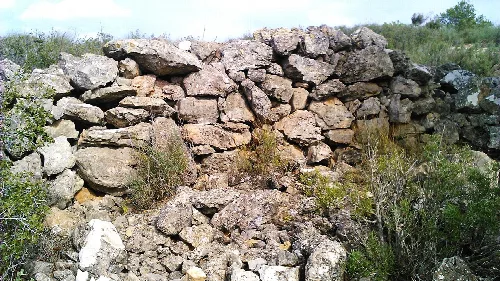
Elda train station with mountains in the background and tracks in the foreground.Detail of the towers for the sluice gates at the Elda reservoir dam in Alicante.Trinitario Rock in Bolón, Elda, with rocky formations and vegetation on the slope.Ruins of the Iberian city of El Monasti in Elda, with stone stairs on a hill.Phoenician wall remains in the Camara area, Elda, Alicante.
Frequently asked questions
What can you tell me about the history of Elda?
Elda has a rich history dating back to the Neolithic period, with early settlements found in elevated areas. The region saw significant development during the Iberian and Roman periods, with notable sites like the Monastil. Over centuries, Elda evolved through various cultural influences, including the Visigoths and Islamic periods, shaping its identity and architecture.
FICIA, or the Feria Internacional del Calzado, is a major event in Elda, showcasing the city's strong footwear industry. The plaza named after FICIA features a monument to the 'Aparadora,' celebrating the craftsmanship of shoemakers. This event highlights Elda's cultural and economic ties to footwear production, attracting visitors and professionals alike.
Elda is surrounded by a mountainous landscape, including the Sierra del Cid and Sierra de la Umbría. The Vinalopó River runs through the area, creating a fertile valley. This geography not only provides stunning views but also contributes to the local biodiversity, with various flora and fauna thriving in the region.
Elda experiences a Mediterranean climate with continental influences due to its elevation. Summers are long and hot, while winters are mild, occasionally featuring frost. Rainfall is limited, typically under 400 mm annually, with most precipitation occurring in spring and autumn, sometimes leading to heavy downpours and floods.
The Plaza Mayor is a central porticoed square in Elda, inaugurated in 1994. It hosts various cultural events, including chess competitions and book fairs. The square is surrounded by shops and restaurants, making it a vibrant hub for both locals and visitors, reflecting the city's community spirit.
Elda celebrates various local festivals, most notably the Fallas, which features elaborate sculptures and community events. The celebration includes parades, fireworks, and traditional music, reflecting the city's cultural heritage and bringing together residents and visitors for a festive atmosphere.
Elda is primarily known for its footwear industry, which plays a crucial role in the local economy. The city is home to numerous shoe manufacturers and hosts the FICIA trade fair, emphasizing its significance in the footwear market. Other industries include textiles and agriculture, contributing to the region's economic diversity.
What is the significance of the Jardín de la Música?
The Jardín de la Música is a small park in central Elda, originally a private chalet. It now serves as a cultural space for temporary art exhibitions, particularly showcasing local artists. This park adds to the city's cultural landscape, providing a venue for artistic expression and community engagement.
What can you tell me about the local wildlife in Elda?
Elda's wildlife includes a variety of bird species, such as sparrows and migratory swallows. The area also hosts mammals like rabbits and foxes, though urbanization has reduced their numbers. The surrounding mountains provide habitats for various birds of prey and other wildlife, contributing to the region's biodiversity.
The Elda train station, a key transportation hub, reflects the city's development over the years. It connects Elda to other major cities, facilitating trade and travel. The station's architecture and location highlight its importance in the region's infrastructure, serving both residents and visitors.
 espana.net