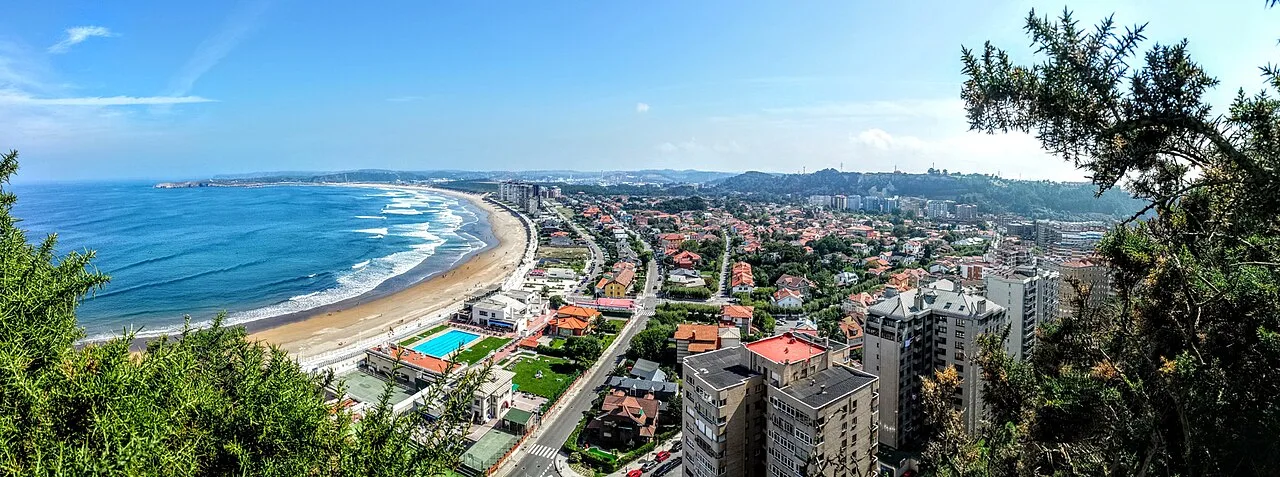
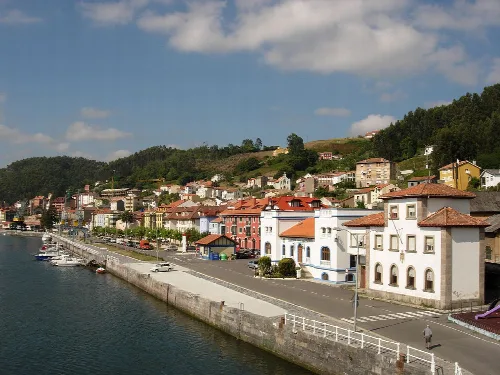
Aerial view of Salinas beach and the town in Castrillón. Pitufin627, CC BY 3.0

Castrillón

Asturias

21,998Population
55.46 km²Area
434 mElevation

Castrillón is a municipality located on the central coast of Asturias, Spain. Known for its scenic beaches and rich history, it features important population centers such as Piedrasblancas, Salinas, and Raíces.

02Geography

Castrillón is situated on a flat coastal plain, characterized by its series of beaches and cliffs. This region is often referred to as 'the county of the 7 beaches', although it boasts more than seven along its coastline. Inland, the landscape features fertile valleys and a small river network, with the highest point being the Alto del Marqués.

Number of parishes
8
Number of localities
7
Annual average temperature
13 °C

03History

Castrillón's history dates back to Celtic and Roman settlements, with archaeological findings such as altars and pottery. The earliest written records mention Castrillón as Castilione in the 9th century, indicating its historical significance as part of the Alfoz of Gozón. The area was also known for its salt industry during the Early Middle Ages.

Castrillón is a coastal municipality in Asturias, known for its beaches and historical significance.

04Economy and Daily Life

The economy of Castrillón has historically been influenced by industries such as salt production and mining. The arrival of the Real Compañía de Minas marked a significant development in the area, leading to the establishment of housing for workers and the growth of local communities. Today, the municipality continues to reflect its industrial past through its architecture and community structure.

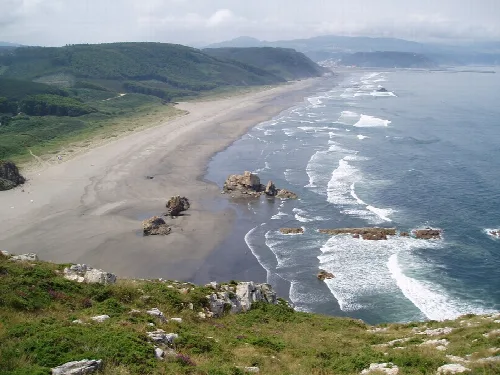
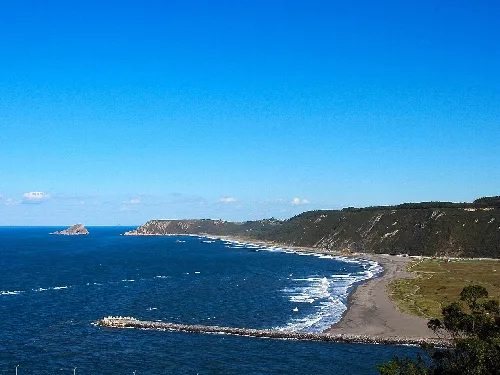
Aerial view of the beach with waves and rocks on the shore.
Panoramic view of Playón de Bayas beach in Castrillón, with waves breaking on the shore and rock formations on the sand.
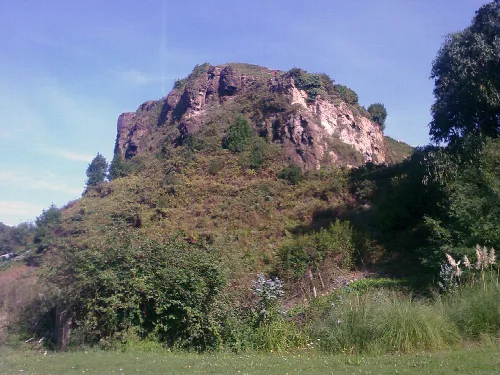
Peñón de Raíces with greenery and blue sky.
View of Peñón de Raíces in Castrillón, Asturias, with greenery and a clear blue sky.
Castrillón · Data
Province
Asturias
Autonomous community
Asturias
Population
21,998
Area
55.46 km²
Elevation
434 m
Website
http://www.ayto-castrillon.es/
Coordinates
43.5459, -5.9925

Photos

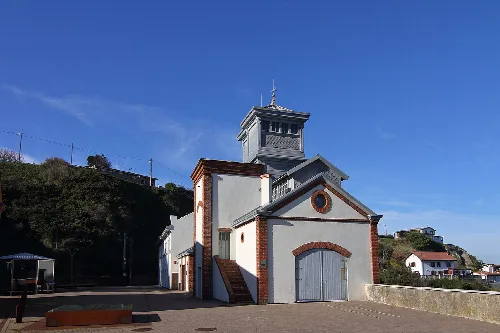
Industrial building with tower and large door in Castrillón, Asturias.
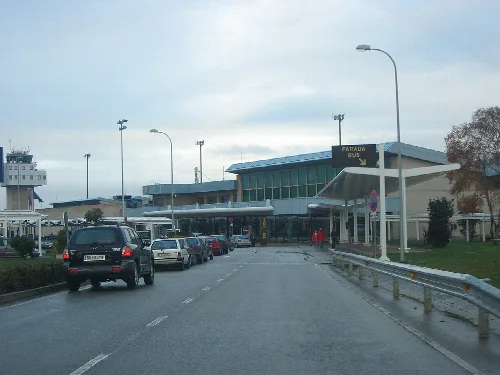
View of the Asturias Airport entrance with cars and a modern building.
Main entrance of Asturias Airport in Castrillón, with cars in the arrival area.
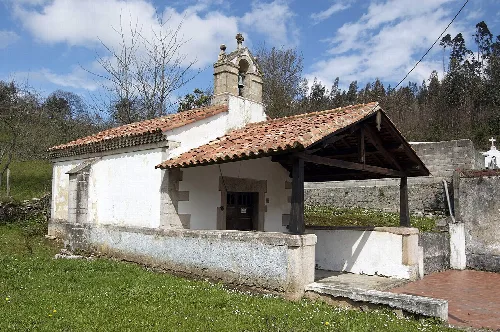
Small white chapel with tiled roof and a covered porch in Castrillón.
San Pedro Chapel in Castrillón, Asturias, with a tiled roof and simple structure.
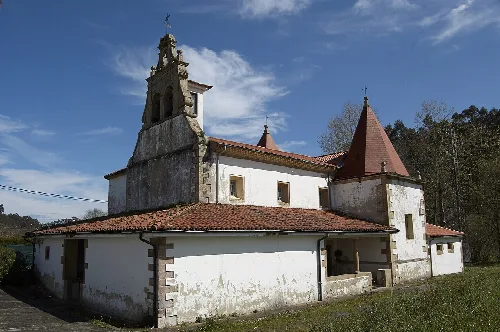
White church with tower and red tiled roof in Castrillón, Asturias.
Church of San Miguel de Quiloño in Castrillón, Asturias, with tower and red tiled roof.
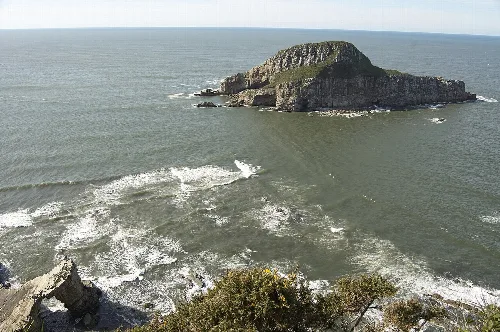
Aerial view of Deva Island and Bayas coast in Castrillón.
The Deva Island and Bayas coast in Castrillón, Asturias, seen from a cliff.

Frequently asked questions

How can I get to Castrillón?

You can reach Castrillón by several means. The main road is the N-632, which connects to the A-8. Additionally, there are railway services available at various stations like Salinas and Piedras Blancas. For air travel, the Asturias Airport is located within the municipality, providing convenient access.

Getting there
Aerial view of Salinas beach and the town in Castrillón.

What are the main attractions in Salinas?

Salinas is one of the main tourist destinations in Castrillón, known for its beautiful beaches and vibrant atmosphere. Visitors can enjoy the sandy shores, local restaurants, and various water sports. The area is also popular for its scenic coastal views and nearby walking trails.

Sights Salinas
Peñón de Raíces with greenery and blue sky.

What is the Peñón de Raíces?

The Peñón de Raíces is a notable landmark in Castrillón, historically significant as the site of the Castillo de Gauzón. This rocky outcrop offers stunning views of the surrounding area and is a point of interest for both history enthusiasts and nature lovers.

Sights Peñón de Raíces

Can you tell me about the history of the Castillo de Gauzón?

The Castillo de Gauzón, located at the Peñón de Raíces, dates back to at least the 7th century. It was built to protect the entrance to the ría and was significant during the Asturian monarchy, being associated with the production of the Cruz de la Victoria, an emblem of the region.

History Castillo de Gauzón

What is the climate like in Castrillón?

Castrillón has an oceanic climate characterized by mild temperatures and moderate rainfall. The average maximum temperature can reach up to 36 °C in summer, while winter temperatures can drop to -3 °C. Rainfall is common, especially in autumn, contributing to the area's lush landscapes.

Nature For residents

What local events happen in Castrillón?

Castrillón hosts various local events throughout the year, including traditional festivals that celebrate local culture and heritage. These events often feature music, dance, and local cuisine, providing a great opportunity for residents and visitors to engage with the community.

Festivals & events For residents

What is the significance of the mina de Arnao?

The mina de Arnao is an important historical site in Castrillón, representing the region's industrial heritage. It was operational until 1915 and played a crucial role in the local economy. Today, it is a point of interest for those exploring the area's mining history.

History mina de Arnao

What are the main industries in Castrillón?

Castrillón's economy is primarily driven by industry, particularly the production and transformation of metals. Asturiana de Zinc is one of the most significant companies in the area. Additionally, the service sector has been growing, especially in construction and tourism.

Living there For residents

What can you tell me about the food in Castrillón?

Castrillón offers a variety of local cuisine, heavily influenced by its coastal location. Seafood is a highlight, with dishes featuring fresh fish and shellfish being popular. Additionally, traditional Asturian dishes, such as fabada, can be enjoyed in local restaurants.

Food & drink

Are there any natural parks or protected areas nearby?

While Castrillón itself is not home to large natural parks, its coastal location offers beautiful beaches and cliffs that are perfect for nature walks. The surrounding Asturias region features several protected areas, making it ideal for outdoor enthusiasts.

Nature

Map

Nearby

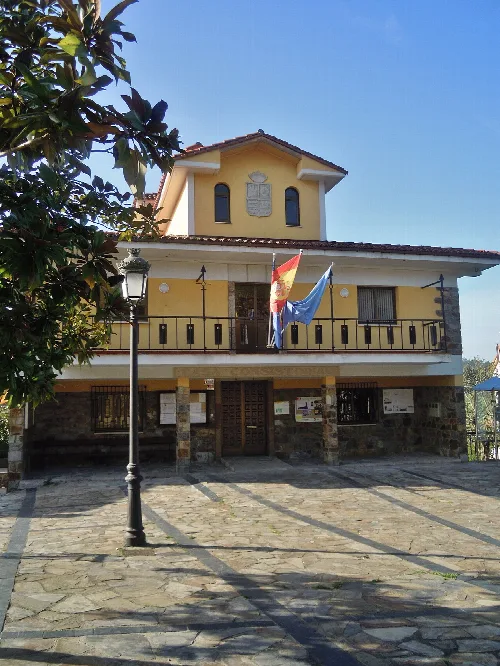
Yellow building with balcony and flags on the facade.
Illas
Asturias · 1,048 inhabitants
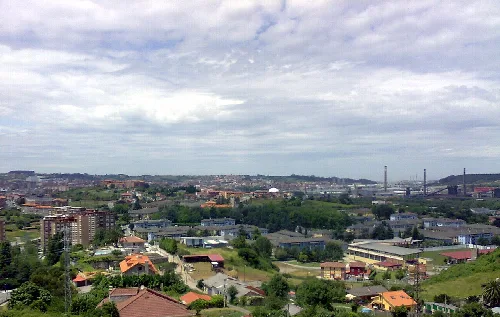
View of Avilés with buildings and green areas under a cloudy sky.
Avilés
Asturias · 75,517 inhabitants
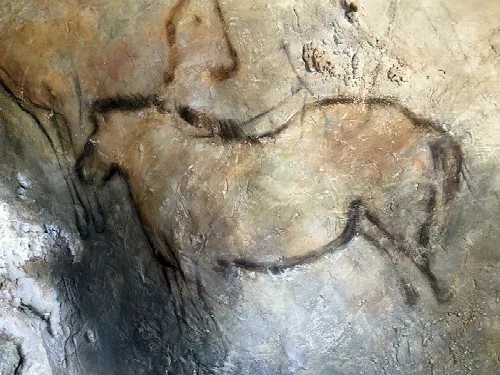
Drawing of an animal figure on a cave wall.
Candamu
Asturias · 1,902 inhabitants

Own text, written with AI assistance from the facts in Wikipedia · Castrillón · Data: Wikidata Q653861 · Photos: Wikimedia Commons, see individual licenses. · CC BY-SA 4.0