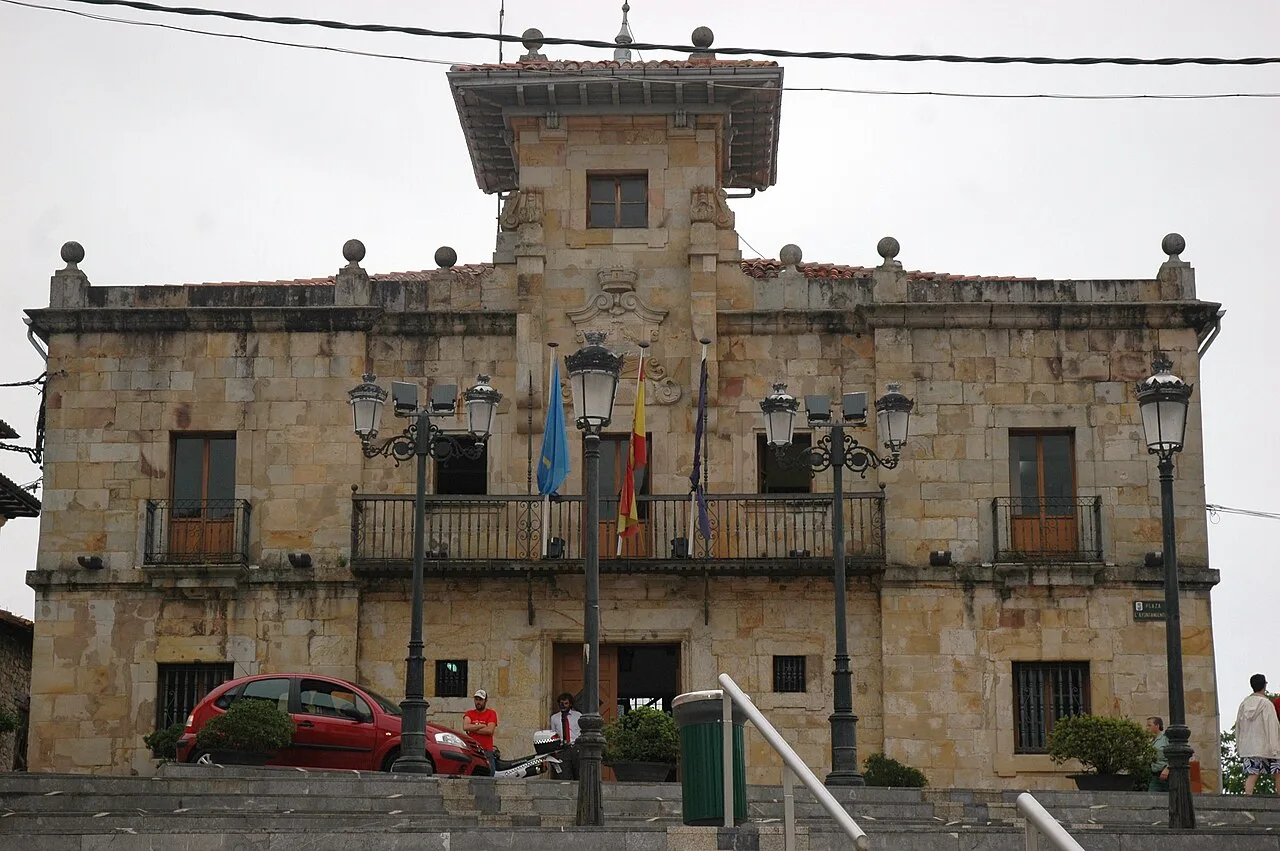
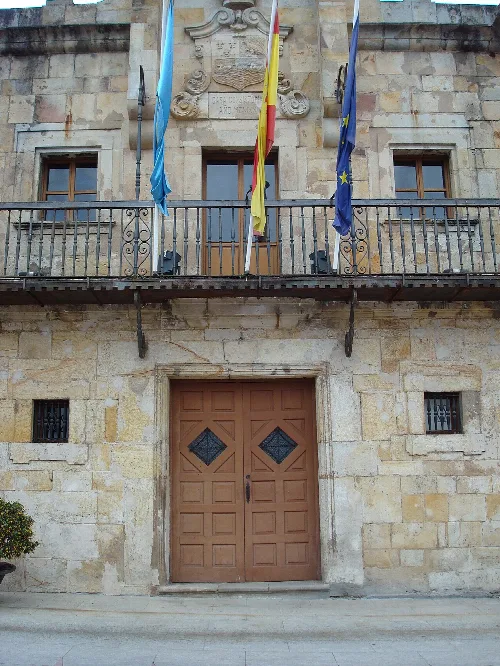
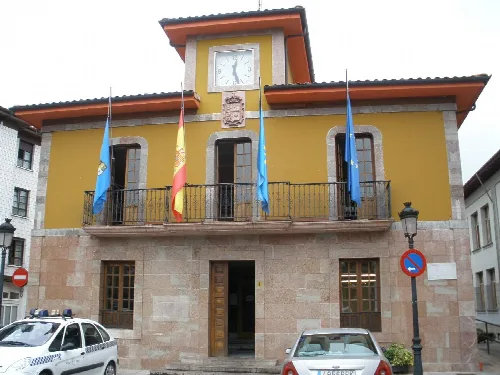
Stone building with flags and street lamps on the facade. Asturianu, CC BY-SA 3.0

Colunga

Asturias

3,143Population
96.67 km²Area

Colunga is a municipality in the Asturias region of Spain, known for its picturesque coastal landscapes and rich historical heritage. The capital of the municipality shares the same name and serves as a hub for local culture and traditions.

02Geography

Colunga is located along the northern coast of Spain, bordered by the Cantabrian Sea to the north and surrounded by several municipalities. The area is characterized by a varied topography, including the protected landscape of the Sueve mountains to the southwest, which features elevations below 1000 m, except for El Picu Pienzu at 1159 m. The municipality is well-connected by major roads, including the A-8 motorway and several regional highways.

Major rivers
Libardón, Carrandi
Main population centers
Colunga, Lastres, Luces, Loroñe, La Isla, Libardón, Lue

03History

Colunga has a rich history that dates back to prehistoric times, with evidence of human habitation in caves such as the Cuevas de Obaya. The region saw significant Roman influence, with various archaeological findings indicating a strong presence of Roman settlements. Throughout the medieval period, Colunga evolved into a recognized territory, particularly during the reign of Bermudo III.

Colunga is a coastal municipality in Asturias, Spain, known for its rich history and cultural heritage.

04Cultural Heritage

Colunga is home to several notable architectural and cultural landmarks, including the church of Santiago de Gobiendes, which showcases the last stage of Asturian pre-Romanesque art. Other significant structures include the palatial buildings and various churches that reflect the region's historical evolution and artistic styles.

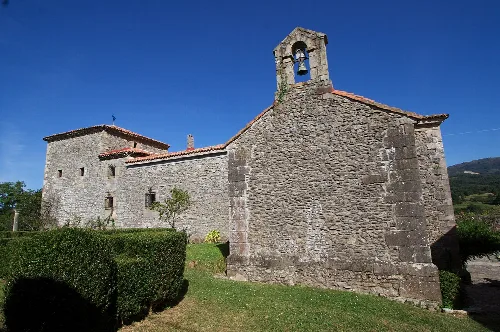
Stone building with bell tower and gardens in Colunga.
Palacio de Gobiendes, a historic building in Colunga, with stone structure and a small bell tower.
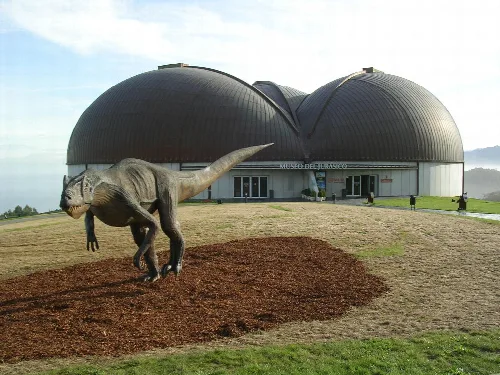
Dinosaur sculpture outside the museum in Colunga.
Asturias Jurassic Museum in Colunga with a dinosaur sculpture outside.

05Festivals and Events

Colunga hosts a variety of festivals throughout the year, celebrating local traditions and cultural heritage. These events often include religious celebrations, agricultural fairs, and cultural activities that reflect the community's vibrant spirit.

Colunga · Data
Province
Asturias
Autonomous community
Asturias
Population
3,143
Area
96.67 km²
Website
http://www.colunga.es
Coordinates
43.4862, -5.2704

Photos

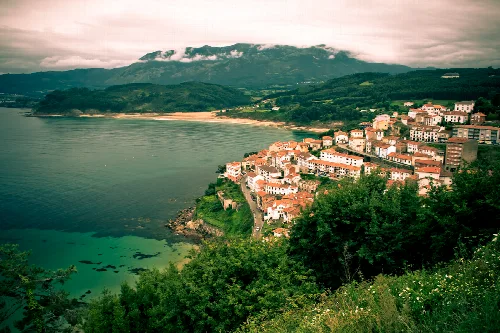
Lastres seaside village in Asturias with colorful houses and mountains.
View of Lastres, a seaside village in Asturias with colorful houses and a mountainous background.
Wooden door on a stone building with balcony and flags in Colunga.
Stone building facade in Colunga with Spanish, European, and local flags on a balcony.
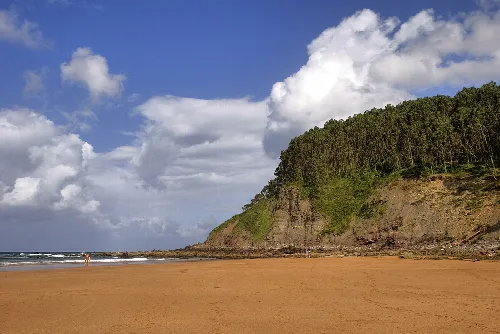
Cliffs and sandy beach in Colunga, Asturias.
Cliffs of La Griega with a sandy beach and cloudy sky in Colunga, Asturias.
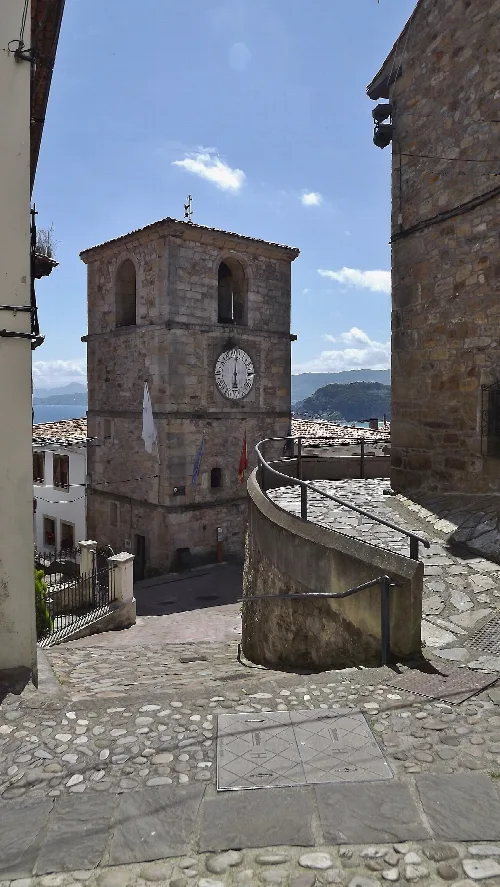
Clock tower in Lastres with cobbled streets and sea view.
View of the clock tower in Lastres, with cobbled streets and the sea in the background in Asturias.
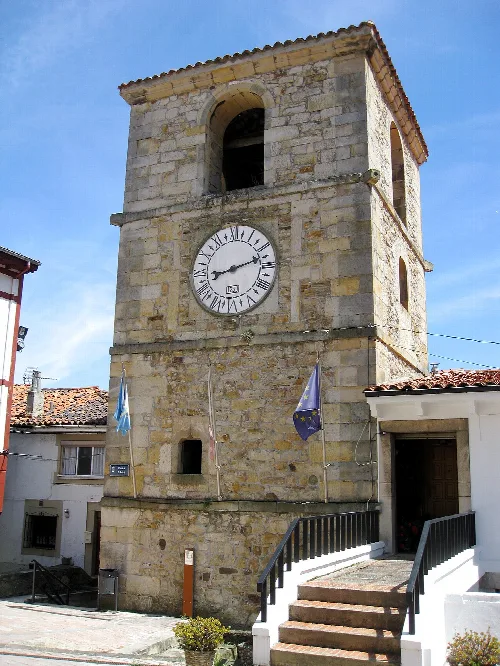
Stone clock tower with clock and flags in Lastres.
Clock tower in Lastres, Colunga, with flags and access stairs.

Frequently asked questions

How do I get to Colunga from Gijón?

To reach Colunga from Gijón, you can take the A-8 Autovía del Cantábrico, which connects the two locations. The journey offers scenic views along the coast and is a straightforward route, making it convenient for visitors traveling by car.

Getting there
Stone building with flags and street lamps on the facade.

What is the Casa del conceyu de Colunga?

The Casa del conceyu de Colunga serves as the town hall and is an important administrative building in the municipality. It features a distinctive architectural style and is a central point for local governance and community events.

Sights Casa del conceyu de Colunga
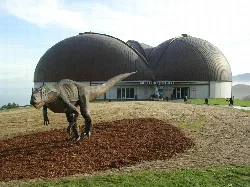
Dinosaur sculpture outside the museum in Colunga.

What can I see at the Museo del Jurásico de Asturias?

The Museo del Jurásico de Asturias showcases a variety of exhibits related to dinosaurs and prehistoric life. Visitors can explore interactive displays, fossils, and learn about the region's geological history, making it a fascinating stop for families and history enthusiasts.

Sights Museo del Jurásico de Asturias
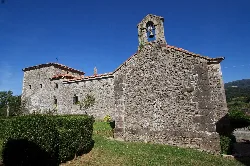
Stone building with bell tower and gardens in Colunga.

What is the history behind the Palacio de Gobiendes?

The Palacio de Gobiendes has its origins in a medieval tower and was owned by the Mitra Ovetense before being sold to Gonzalo Ruiz de Junco. Over the years, it has been expanded and now features a blend of architectural styles, making it a notable historical landmark in Colunga.

History Palacio de Gobiendes

What are some local dishes I should try in Colunga?

In Colunga, you should try traditional Asturian dishes such as fabada asturiana, a rich bean stew, and fresh seafood from the Cantabrian Sea. The region is also known for its cider, which pairs well with local cuisine, making for a delightful culinary experience.

Food & drink

What are the main events in Colunga throughout the year?

Colunga hosts several exciting events, including the Festival of the Asturcón in August, which celebrates the local horse breed, and the Festival of the Faba Asturiana in December, featuring tastings of local dishes made with beans. These events reflect the region's culture and traditions.

Festivals & events

Is Colunga a good place to live for families?

Colunga offers a peaceful environment with a close-knit community, making it suitable for families. It has access to nature, local schools, and amenities, along with cultural events that engage residents. The slower pace of life can be appealing for those seeking a family-friendly atmosphere.

Living there For residents

What is the significance of the church of Santiago de Gobiendes?

The church of Santiago de Gobiendes is an important example of Asturian pre-Romanesque architecture. Although it underwent significant alterations in the 19th century, it retains elements of its original design and is recognized as a Monumento Histórico Artístico, reflecting the region's rich cultural heritage.

History Santiago de Gobiendes

What outdoor activities can I do in Colunga?

Colunga is surrounded by beautiful landscapes, offering various outdoor activities such as hiking in the nearby Sierra del Sueve, exploring coastal paths, and enjoying water sports in the Cantabrian Sea. The area is ideal for nature lovers and those seeking adventure.

Nature

What are the main transportation options in Colunga?

Colunga is well-connected by several roads, including the A-8 Autovía del Cantábrico and the N-632, making it accessible by car. Local roads also connect to nearby towns like Lastres and Piloña, ensuring convenient travel within the region.

Getting there For residents

Map

Nearby

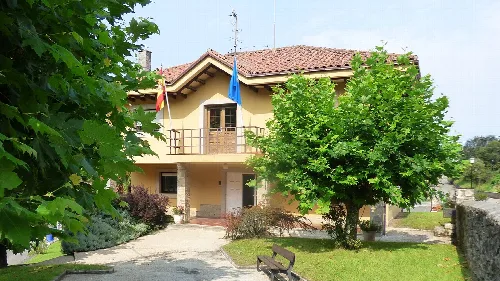
Caravia town hall building with flags and trees around.
Caravia
Asturias · 486 inhabitants
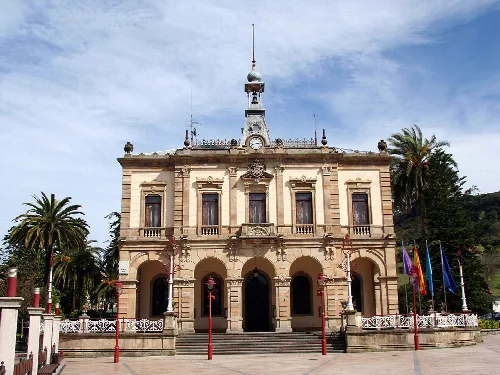
Town hall building with flags and clock on the facade.
Parres
Asturias · 5,150 inhabitants
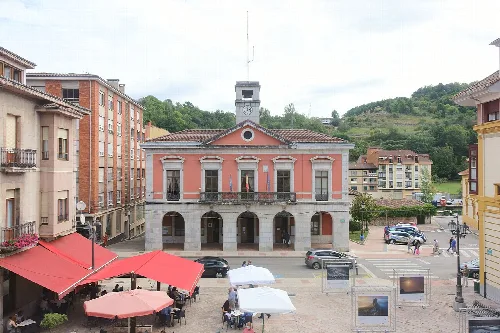
Town hall building with pink facade and arches in Infiesto.
Piloña
Asturias · 6,716 inhabitants
Wooden granary at a house in Cabranes with a view of nature.
Cabranes
Asturias · 1,094 inhabitants

Own text, written with AI assistance from the facts in Wikipedia · Colunga · Data: Wikidata Q578502 · Photos: Wikimedia Commons, see individual licenses. · CC BY-SA 4.0