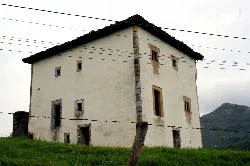
What can you tell me about Torre de Sirviella?
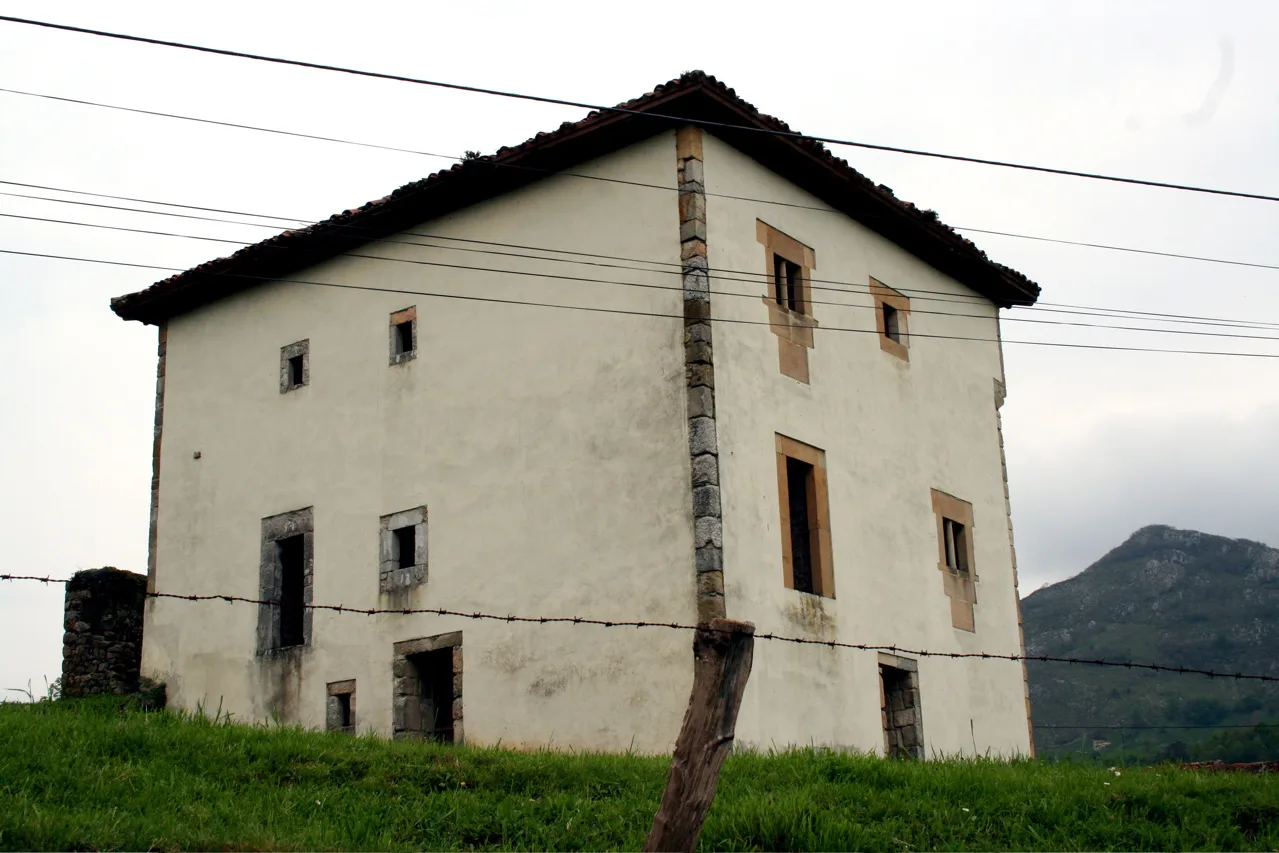
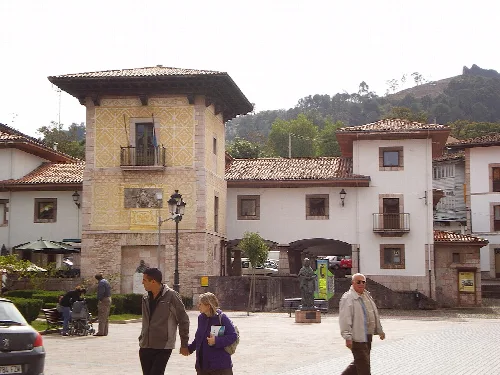
Torre de Sirviella is a notable landmark in Onís, dating back to the 16th century. It features a cubic structure with three floors and has undergone recent reconstruction to preserve its integrity after suffering from a fire. The tower showcases various architectural solutions, such as different window styles, and is currently in the process of being declared a cultural heritage site.
Sights
Torre de Sirviella
What is the history of Onís?
Onís has a rich history, with evidence of human habitation dating back to the Neolithic period. It became significant during Roman times and was first mentioned as an alcaldía in 1504. Over the centuries, it has maintained its independence despite attempts at annexation by neighboring Cangas de Onís, and it has a strong cultural heritage linked to the Picos de Europa.
History
What are the main natural features in Onís?
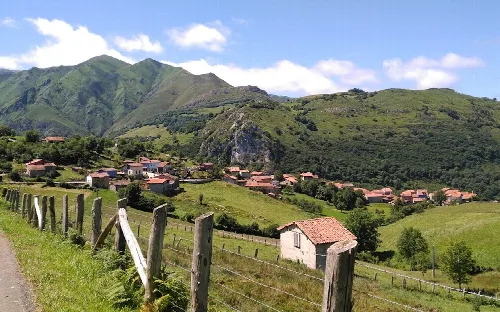
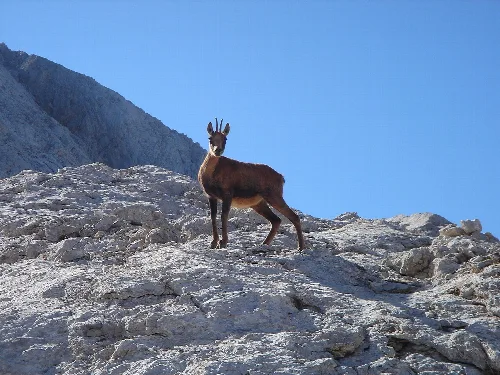
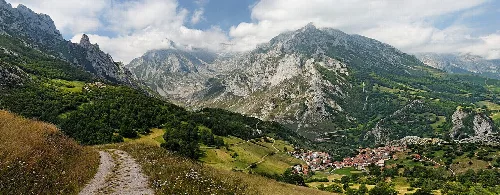
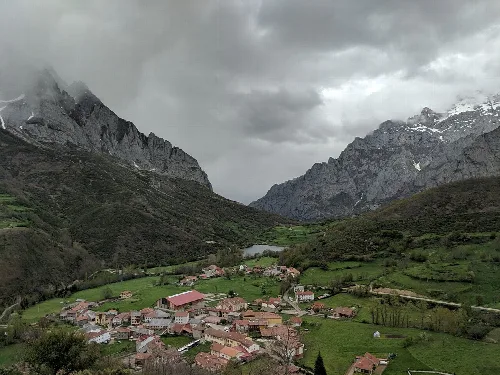
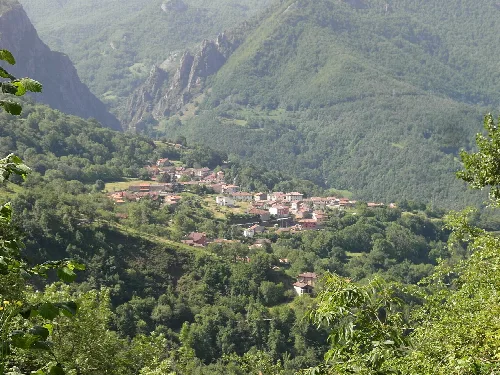
Onís is characterized by its mountainous terrain, primarily part of the Picos de Europa. The region features the Cornión massif, with peaks exceeding 2000 meters, and the Güeña River, which flows through the valley where most inhabitants reside. The area is rich in biodiversity, including various flora and fauna typical of high-altitude environments.
Nature
What is the climate like in Onís?
Onís experiences a temperate and humid climate, with notable variations due to its geographical features. Winters can bring snow to the Cornión region, while fog is common throughout the area. Average temperatures range from 21 °C in summer to 5 °C in winter, making it a cool destination year-round.
Nature
What local food should I try in Onís?
In Onís, you should definitely try the famous Queso de Gamonéu, a cheese that has gained recognition and is protected under a Denomination of Origin. The region's agricultural practices also support a variety of local dishes that highlight the area's rich culinary traditions, often featuring fresh, locally-sourced ingredients.
Food & drink
Are there any festivals in Onís?
Yes, Onís hosts several festivals throughout the year. One notable event is the celebration of the Pastores de los Picos de Europa on July 25th, which honors the shepherds and their traditions in the region. Additionally, local festivities often include religious celebrations and agricultural fairs, reflecting the community's cultural heritage.
Festivals & events
What is the population trend in Onís?
Onís has experienced a significant population decline over the past 60 years, with a current population of 739 residents. This trend reflects a broader pattern of emigration, particularly among younger people, leading to an aging demographic. The population has decreased by about 50% since the mid-20th century.
Living there
For residents
How is the transportation in Onís?
Onís is well-connected through regional roads, particularly the AS-114, which allows access to nearby towns and the broader transportation network. However, it lacks a railway system. The roads provide scenic routes through the mountainous landscape, making travel to and from the area both convenient and picturesque.
Getting there
What are the main agricultural activities in Onís?
The economy of Onís is predominantly based on the primary sector, particularly agriculture and livestock. Over 54% of employment is in agropecuary, with a focus on cattle farming for meat production. The region's terrain supports various agricultural practices, contributing to the local economy and food supply.
Living there
For residents
What is the significance of the Güeña River in Onís?
The Güeña River is a vital waterway in Onís, serving as a tributary to the Sella River. It flows through the valley where most of the population resides, particularly in Benia. The river's course supports local agriculture and provides recreational opportunities, making it an essential part of the community's landscape and lifestyle.
Nature
For residents
 espana.net