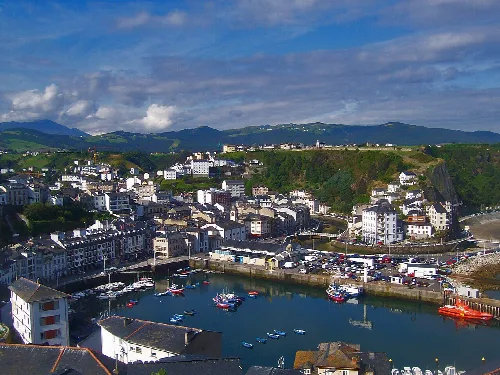
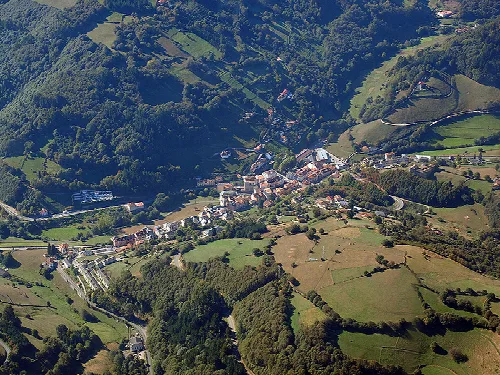
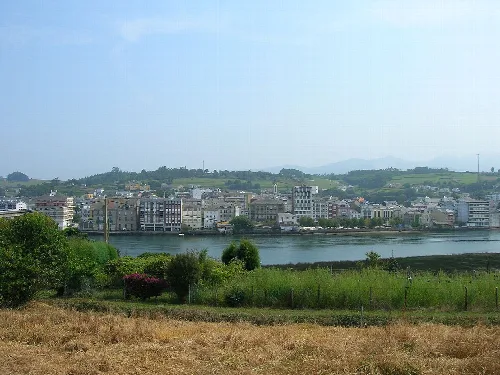
Valdés is a municipality in the Asturias region of Spain, known for its picturesque coastal landscapes and rich historical heritage. Its capital, Luarca, is a charming port town that serves as a hub for local culture and economy.
02Geography
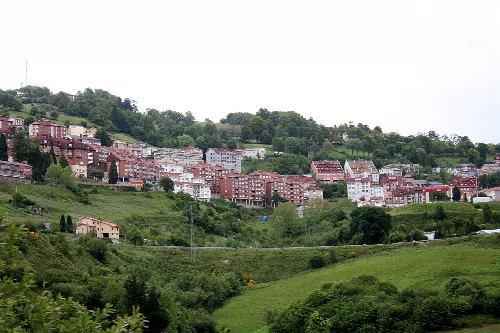
Valdés is located in the Eo-Navia comarca and features a diverse geography that includes a rugged coastline, mountainous areas, and interior valleys. The municipality is bordered by the Cantabrian Sea to the north and is characterized by significant geological formations, including cliffs, estuaries, and beaches. The capital, Luarca, lies just above sea level, while the southern mountains reach heights of nearly 1100 meters.
Distance to the coast
0 km
Patron saint
San Timoteo
Climate
Temperate with variations between coastal and interior areas
Natural reserve
Partial reserve at Barayo beach
03History
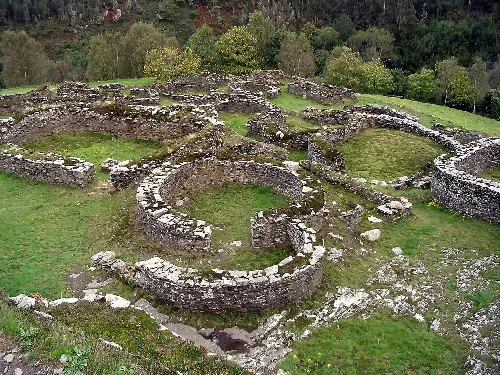
The history of Valdés dates back to prehistoric times, with evidence of human presence from the Acheulean period. The region has seen various cultural influences, including Roman and medieval settlements, with notable developments such as the granting of the Carta Puebla in 1270 by Alfonso X. The municipality has undergone significant changes, including a name change in 1909, reverting to Valdés in 1985.
Prehistoric findings
Megalithic burial sites
First documented references 10th and 11th centuries
Grant of Carta Puebla 1270
Name change to Luarca 1909
Return to Valdés 1985
Valdés is a coastal municipality in Asturias, Spain, known for its rich history and beautiful landscapes.
04Economy
Valdés' economy is primarily based on the primary sector, particularly agriculture and livestock, which together account for a significant portion of local employment. The fishing industry, centered around the port of Luarca, is also vital, with various species being caught. Tourism has been growing, contributing to the local economy alongside agriculture and fishing.
Primary sector employment
49%
Secondary sector employment
12%
Tertiary sector employment
39%
Main fishing species
Bonito, bocarte, merluza, sardina, congrio
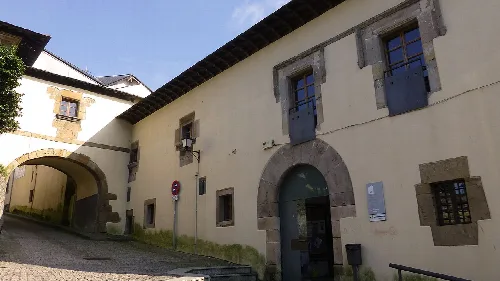
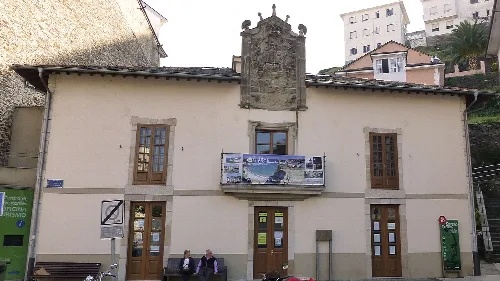
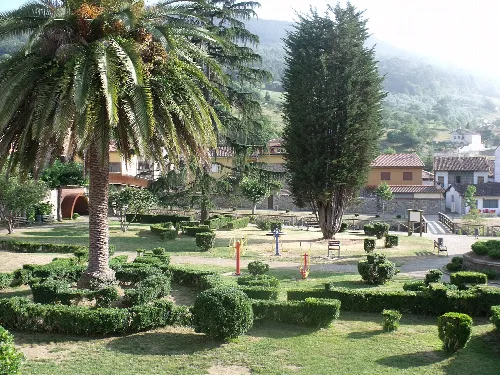
Historic building with an arch and wooden windows, now the Cultural Center in Valdés, Asturias.House of the Marquises of Gamoneda, now a tourist office in Luarca, Valdés, Asturias.
05Culture and Festivals
Valdés hosts a variety of cultural events and festivals throughout the year, reflecting its rich traditions. Notable celebrations include the Vaqueirada in Aristébano and the Virgen del Carmen festivities in Luarca. Each festival features unique customs, such as maritime processions and traditional dances, showcasing the community's vibrant cultural heritage.
Vaqueirada Last Sunday of July
Virgen del Carmen July 16
Virgen del Rosario August 15
San Timoteo August 22
La Regalina Last Sunday of August
San Miguel September 29
06Sports and Recreation
Sports play an important role in the community of Valdés, with football being the most popular. Various clubs and associations promote activities ranging from football to athletics and swimming. The region also hosts annual events such as beach football tournaments and cycling competitions, fostering community engagement and local pride.
Main sports Football, basketball, athletics, swimming
Football clubs Luarca C. F., Club Deportivo Treviense, Barcia C. F.
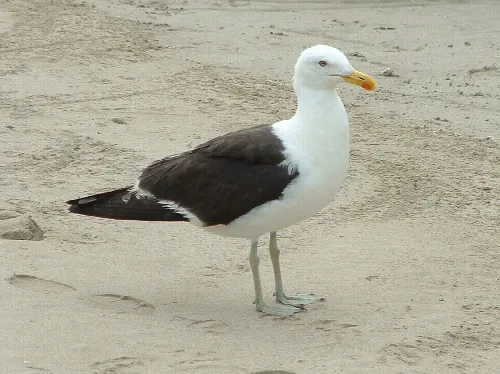
Seagull on the beach of Valdés, Asturias, with white and black plumage and yellow beak.Panoramic view of the port and town center of Luarca, Asturias.
Frequently asked questions
What is the Casa conceyu de Valdés?
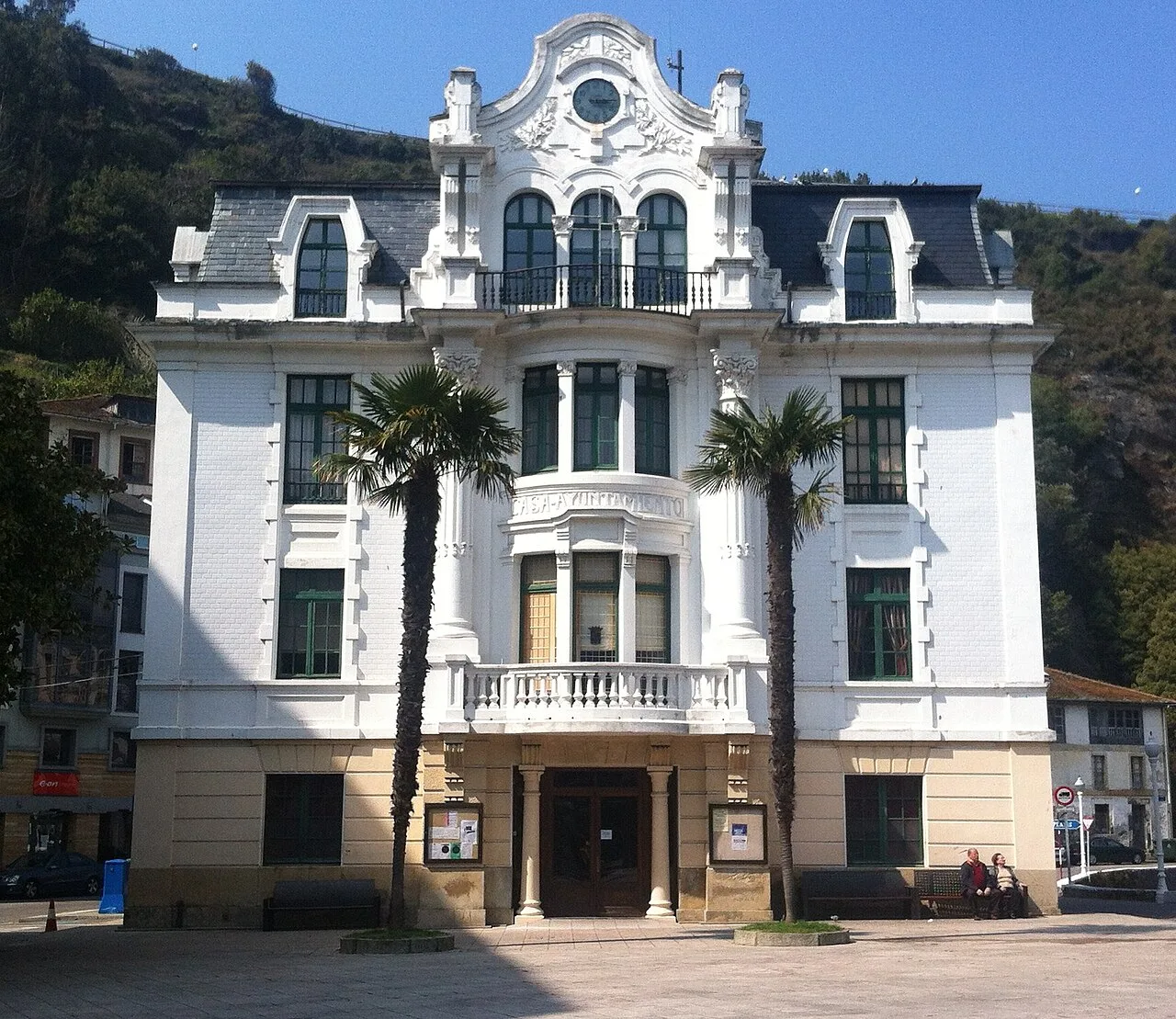
The Casa conceyu de Valdés, located in Luarca, serves as the town hall and is a notable example of local architecture. This building reflects the historical significance of the area and is a central point for administrative functions in Valdés. Its design showcases elements typical of the region's architectural style, making it a point of interest for visitors.
Can you tell me about the Palacio del Marqués de Ferrera?
The Palacio del Marqués de Ferrera, also known as the Casa de Cultura, is a prominent building in Luarca. Completed in the 18th century, it showcases a blend of architectural styles from earlier centuries. Today, it houses cultural activities and exhibitions, making it an important venue for local events and a point of interest for visitors.
What can I see at the Casa de los Marqueses de Gamoneda?
The Casa de los Marqueses de Gamoneda, now serving as the tourist office, is an 18th-century building notable for its well-preserved façade and historical significance. Visitors can learn about local tourism and explore the architectural details that reflect the region's noble heritage. It's a great starting point for discovering Valdés.
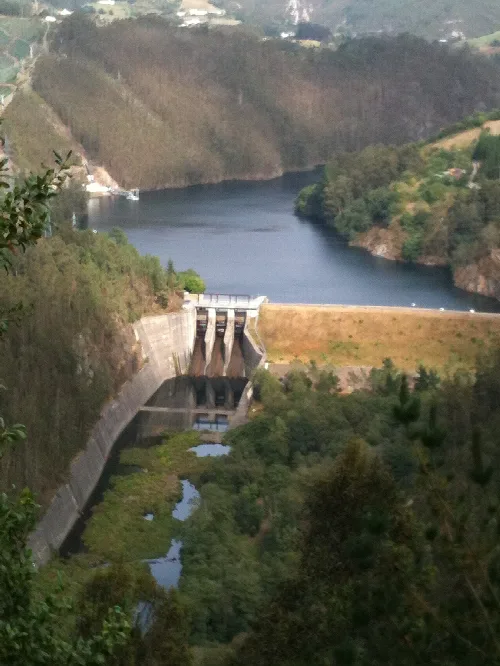
Valdés is home to two significant rivers: the Esva and the río Negro. The Esva, also known as Canero, flows through the municipality from south to north, while the río Negro originates from La Montaña and divides Luarca before emptying into the sea. Both rivers are rich in trout and salmon, making them popular among anglers.
Valdés experiences a temperate climate influenced by its proximity to the Cantabrian Sea. Coastal areas enjoy milder temperatures compared to the interior, with variations of 2 to 4 degrees. The region's climate features pleasant summers and mild winters, making it an attractive destination year-round.
What is the significance of the Vaqueirada festival?
The Vaqueirada festival, held on the last Sunday of July in Aristébano, celebrates traditional Asturian culture with a unique Vaqueira wedding reenactment. This event brings together locals and visitors, showcasing the region's customs and heritage, making it a vibrant highlight of the summer festivities.
Valdés' economy is primarily based on the primary sector, particularly agriculture and livestock, which accounts for 49% of local employment. Fishing is also significant, with Luarca's port being the most important in western Asturias. The tourism sector is growing, contributing to the local economy and job creation.
How has the population of Valdés changed over time?
Valdés has seen significant demographic changes, with its population declining from around 26,000 in the early 20th century to approximately 10,776 today. This decline is largely due to emigration, particularly in the mid-20th century, although there have been some fluctuations in recent decades.
Valdés is home to diverse wildlife, including marine birds such as oystercatchers and gulls, as well as freshwater species like salmon and trout. In the interior, you can find mammals such as wild boars, wolves, and deer, making it a rich area for nature enthusiasts.
What is the history of the church of Santa Eulalia?
The church of Santa Eulalia in Luarca has historical roots dating back to the time of Fruela II, who donated the land for its construction. It features significant artistic elements, including a beautifully crafted altarpiece of Santa Eulalia. This church represents the cultural and religious heritage of Valdés.
 espana.net