What can you tell me about the history of El Barco de Ávila?
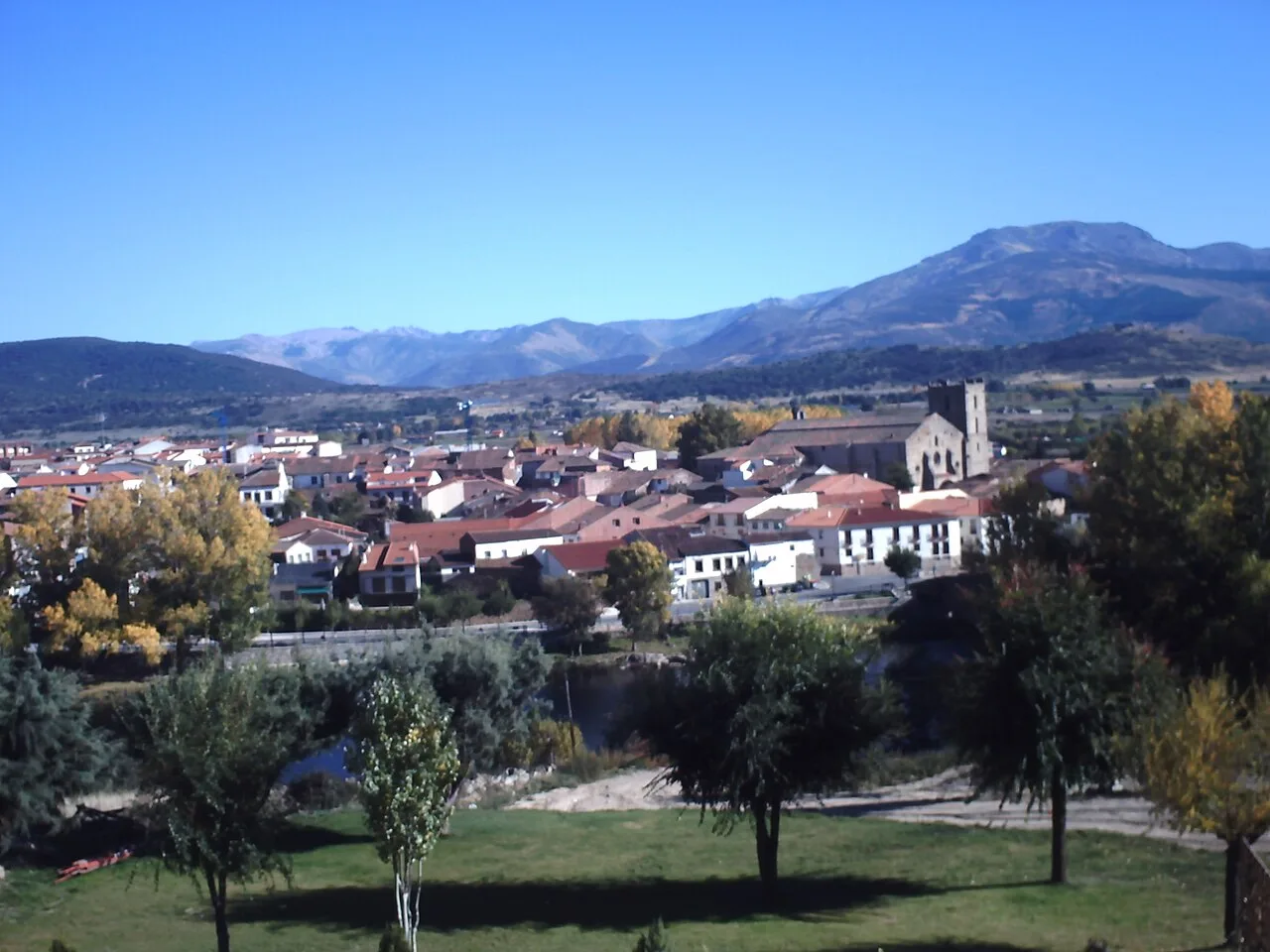
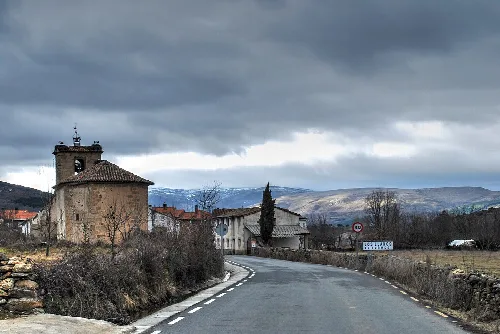
El Barco de Ávila has a rich history, with origins linked to the vetones, who built a castro in the area. The town flourished during the Arab occupation, enhancing agriculture and constructing wells. It was part of the Señorío de Valdecorneja and is notable for its connections to the Discovery of America, including figures like Pedro de la Gasca, who played significant roles in Peru's early governance.
History
What is the significance of the Puente Viejo in El Barco de Ávila?
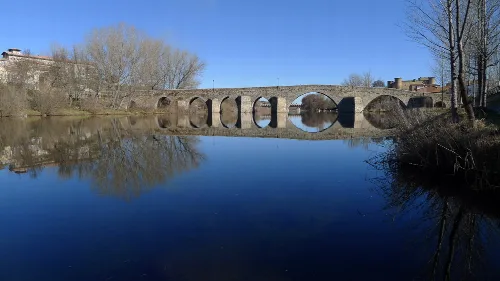
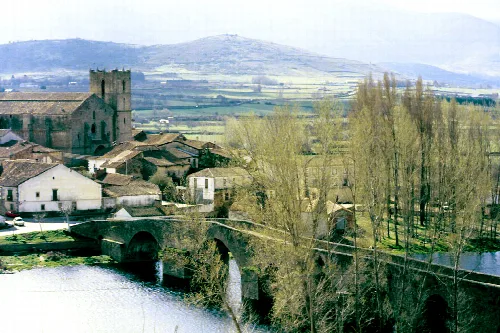
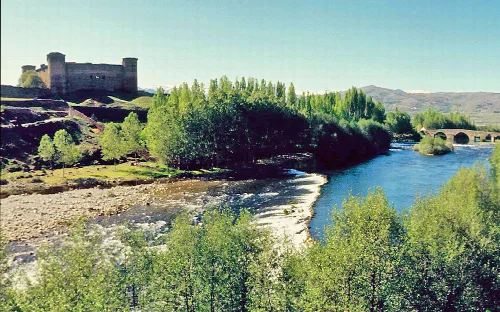
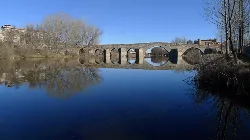
The Puente Viejo, or Old Bridge, is a historical structure that dates back to Roman times, though it was rebuilt in the 12th century. It features eight uneven arches and has undergone several modifications. This bridge is a vital connection over the Tormes River and showcases Roman architectural elements, making it a significant landmark in the town.
Sights
Puente Viejo
What is the Casa del Reloj and its historical importance?
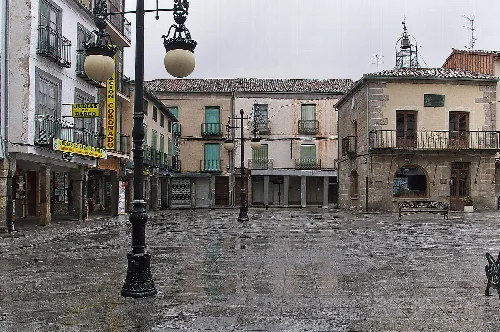
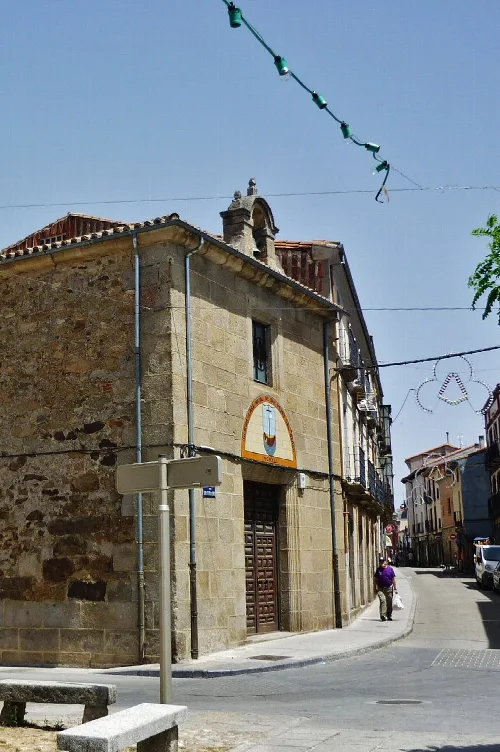
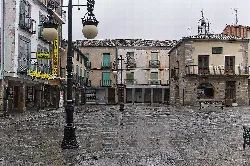
The Casa del Reloj, originally an old town hall, was rebuilt in the 18th century. It features a distinctive Castilian style and now houses the Tourism Office. The building is notable for its clock tower and serves as a cultural space, showcasing exhibitions and the mechanism of the clock, reflecting the town's historical architecture.
History
Casa del Reloj
How does the climate in El Barco de Ávila affect outdoor activities?
El Barco de Ávila has a Csb climate, characterized as temperate with dry summers. This climate is conducive to outdoor activities, especially during the warmer months. Visitors can enjoy hiking in the surrounding natural landscapes, exploring the valleys, and participating in local festivals, which often take advantage of the pleasant weather.
Nature
What are the main festivals celebrated in El Barco de Ávila?
El Barco de Ávila hosts several vibrant festivals, including the Fiestas de Santiago in July, celebrating the town's patron saint, and the Fiestas in honor of San Pedro del Barco in August. The most significant is the Fiestas del Stmo. Cristo del Caño in September, featuring processions, music, and traditional events, reflecting the town's cultural heritage.
Festivals & events
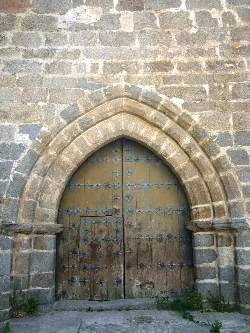
What is the architectural style of the Iglesia de Nuestra Señora de la Asunción?
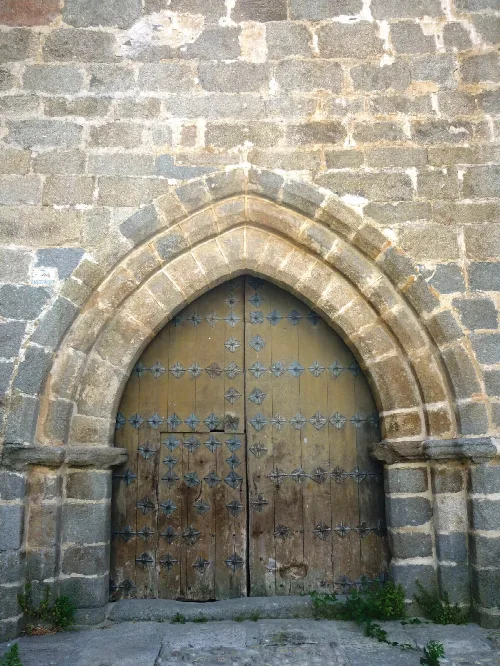
The Iglesia de Nuestra Señora de la Asunción showcases a Romanesque architectural style, characterized by its basilical layout and polygonal apses. Inside, it features a grand Baroque altarpiece from the late 17th century, highlighting the town's historical and artistic significance. This church is a key element of El Barco's cultural identity.
Sights
Iglesia de Nuestra Señora de la Asunción
What is the significance of the Ermita del Santísimo Cristo del Caño?
The Ermita del Santísimo Cristo del Caño is a historic chapel linked to a local legend about a wooden Christ figure that repeatedly returned to the riverbank. It was rebuilt in the 17th century and is central to the town's cultural identity, with annual festivities that include processions and community celebrations in September.
Festivals & events
Ermita del Santísimo Cristo del Caño
What type of food can I expect in El Barco de Ávila?
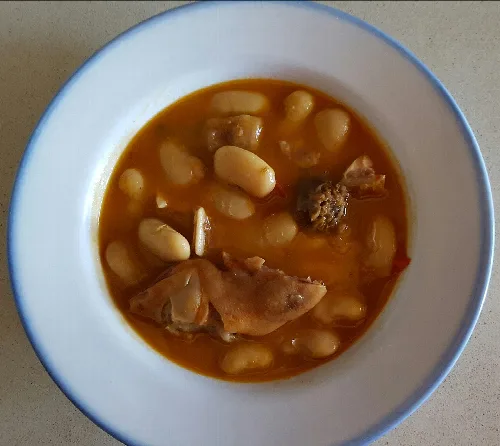
In El Barco de Ávila, you can expect traditional Castilian cuisine, featuring hearty dishes such as roasted meats, stews, and local pastries. The region is known for its agricultural products, which influence local recipes. Dining in the town often includes local wines and seasonal ingredients, providing an authentic taste of the area.
Food & drink
Is El Barco de Ávila a good place to live?
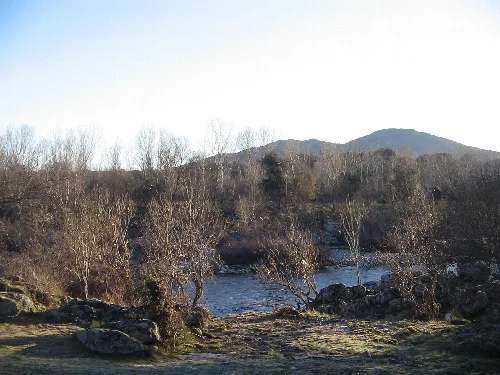
El Barco de Ávila offers a tranquil lifestyle with a close-knit community, making it appealing for residents. The town has essential amenities, a rich cultural heritage, and beautiful natural surroundings, including the Tormes River and nearby mountains. Its historical significance and local festivals contribute to a vibrant community life.
Living there
For residents
What can you tell me about the local architecture in El Barco de Ávila?
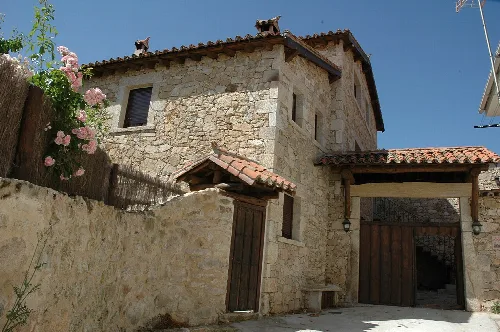
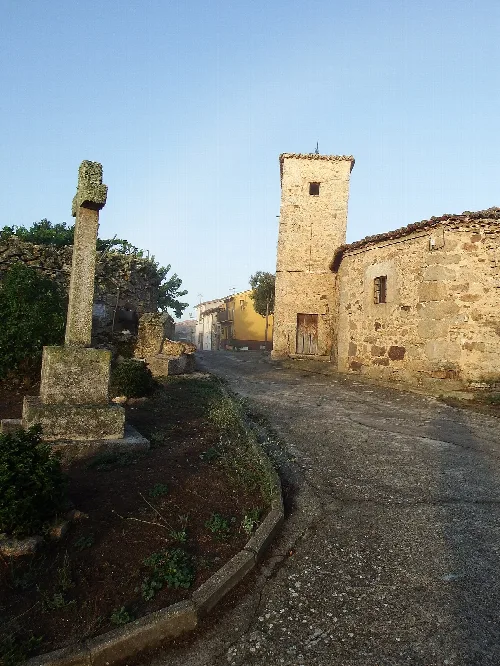
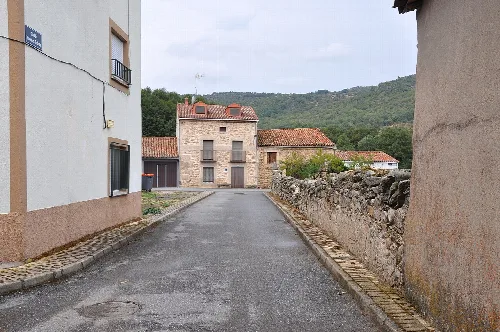
El Barco de Ávila features a mix of historical architecture, including Romanesque churches, medieval walls, and traditional Castilian houses. Notable structures include the Casa del Reloj and the Puente Viejo. The town's layout reflects its historical development, with narrow streets and significant landmarks that showcase its rich architectural heritage.
Sights
 espana.net