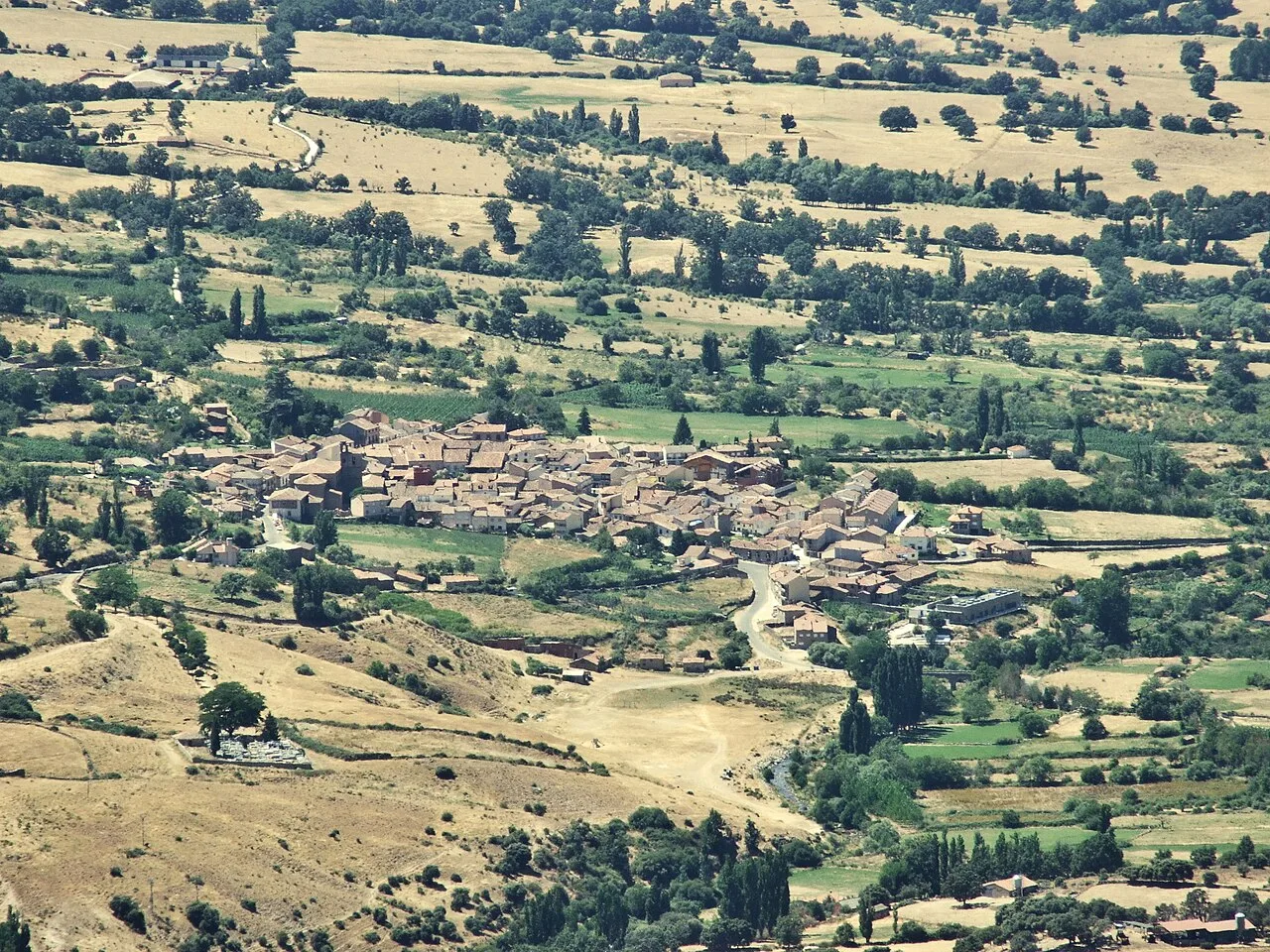
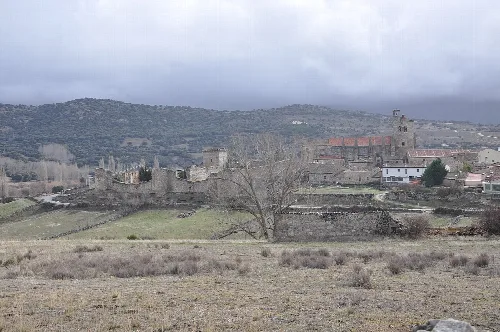
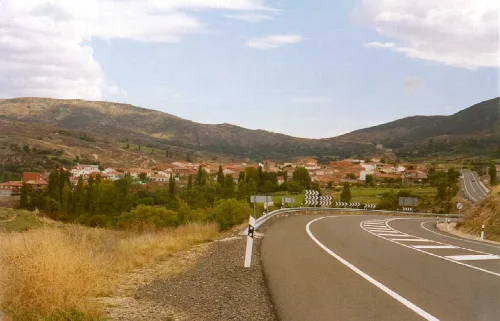
Villafranca de la Sierra is a municipality in the province of Ávila, located in the autonomous community of Castile and León. Nestled in the Corneja Valley, it is characterized by its rich history, diverse flora and fauna, and agricultural economy.
02Geography
Villafranca de la Sierra is situated in the southwestern part of the province of Ávila, at the northern foothills of the Sierra de Villafranca. The municipality covers an area of 39 km² and features a varied elevation, with the highest point reaching 2,294 m at the Cerro del Santo. The Corneja River flows through the territory, contributing to the area's natural landscape.
Distance to Ávila
50 km
Protected areas
Part of the LIC Espacio natural de las Sierras de la Paramera and Serrota
Climate
Mediterranean, type Csb
Enclaves
La Serrota and El Puerto Chía
03History
The history of Villafranca de la Sierra dates back to the time of Alfonso VI, who aimed to populate the area to counter Muslim advances. The village became part of the alfoz of Ávila and was granted a charter by Alfonso X in 1256, establishing its significance in the region.
1256 Alfonso X grants the lordship to Esteban Domingo de Ávila.
1389 The Dávila family regains control after a lengthy dispute.
1833 The municipality's boundaries are established.
1842 End of feudal lordship over Villafranca.
Villafranca de la Sierra is a historic municipality in Ávila, known for its natural beauty and agricultural traditions.
04Economy
The economy of Villafranca de la Sierra is primarily agricultural and livestock-based. The municipality supports a significant number of cattle, sheep, and horses, with notable production of local beans and other crops. A unique goose farming operation has also been established in recent years.
Cattle population
Approximately 500
Sheep population
Around 300
Goose farm
Over 3,000 geese
Bean production
15 tons of judión del Barco
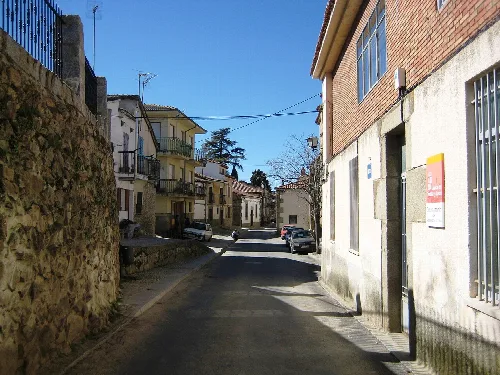
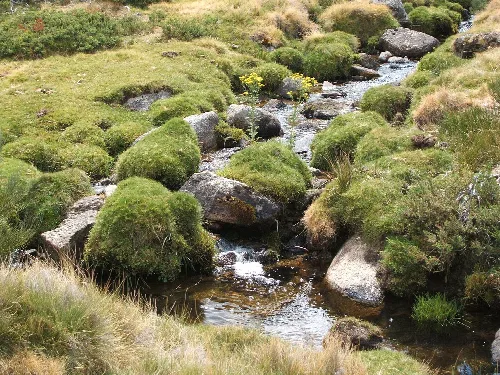
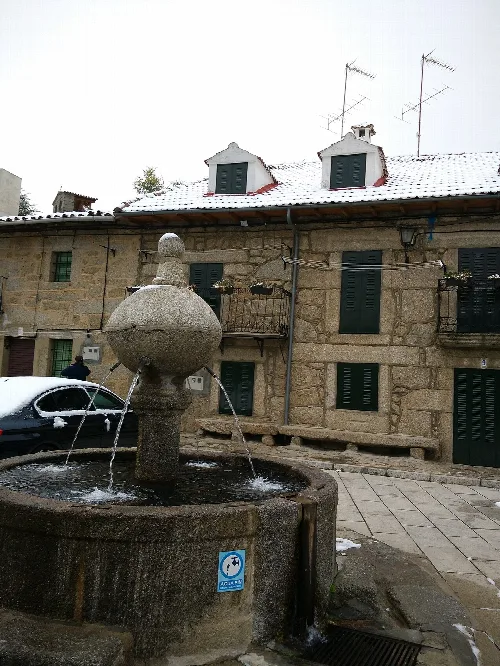
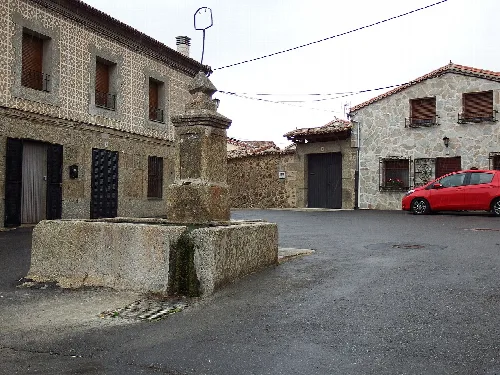
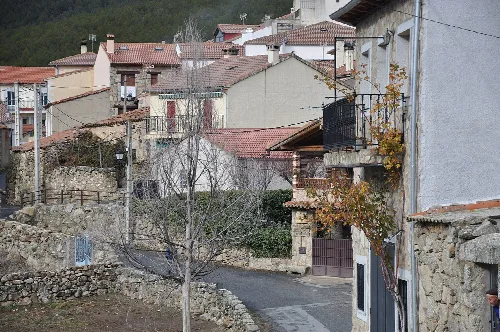
Calvo Sotelo Street in Villafranca de la Sierra with traditional houses and clear sky.High mountain vegetation and the source of the Corneja River in Villafranca de la Sierra, Ávila.
05Flora and Fauna
The diverse altitudinal gradient in Villafranca de la Sierra creates various bioclimatic conditions, supporting a rich variety of plant and animal species. The region is home to unique flora, including endemic species, and a wide range of fauna, particularly birds and mammals.
Flora Includes cervunales, piornales, and diverse tree species like Quercus pyrenaica.
Bird species Includes the imperial eagle, various passerines, and migratory birds.
Mammals Includes jabalí, corzo, and various small mammals.
Reptiles and amphibians Includes the Iberian salamander and various lizards.
06Cultural Heritage
Villafranca de la Sierra boasts a rich cultural heritage, including traditional dances, local festivals, and historical buildings. The community celebrates its history through various events and maintains traditional crafts and agricultural practices.
Iglesia de Nuestra Señora de la Asunción 15th-century church with a single nave.
Plaza de toros The oldest bullring in Ávila, built in 1854.
Alhóndiga A 16th-century building now used for cultural events.
Ermita de San Antonio de Padua Rehabilitated chapel with historical significance.
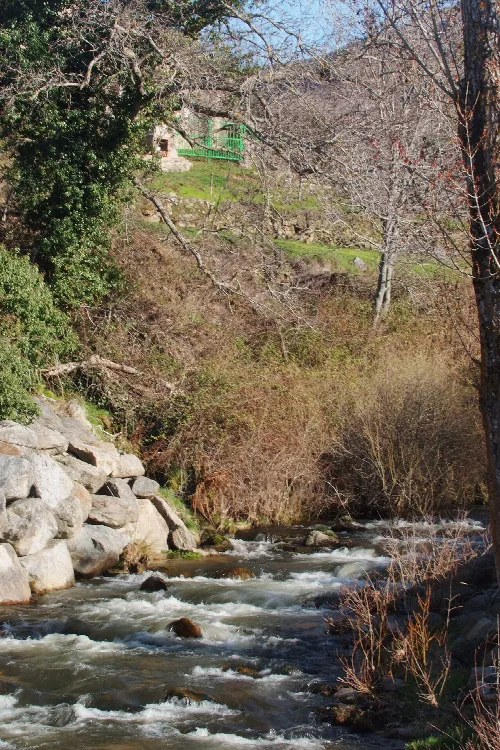
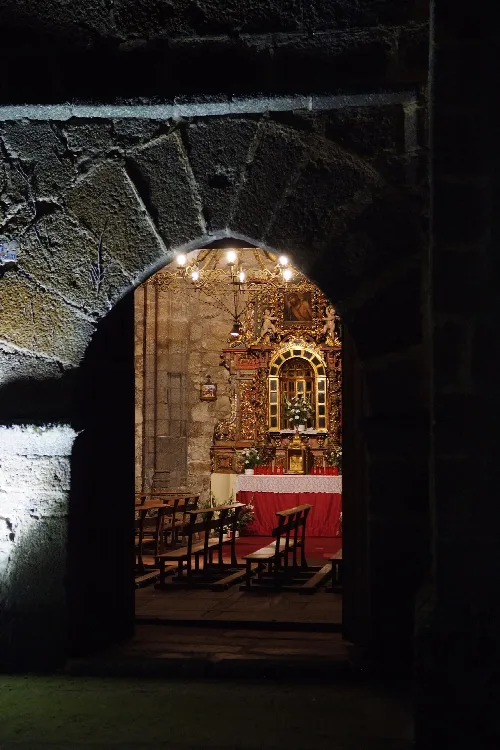
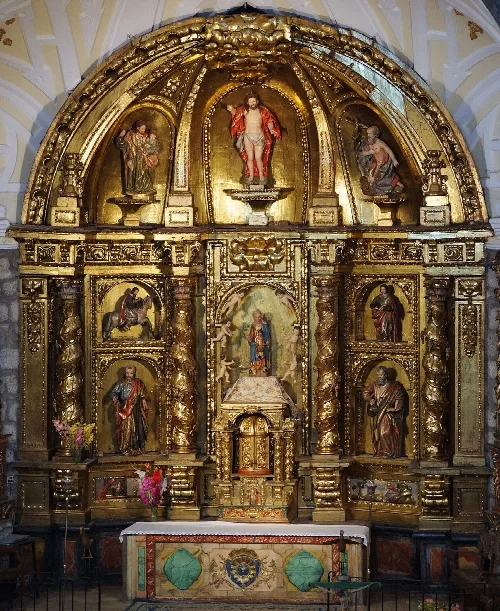
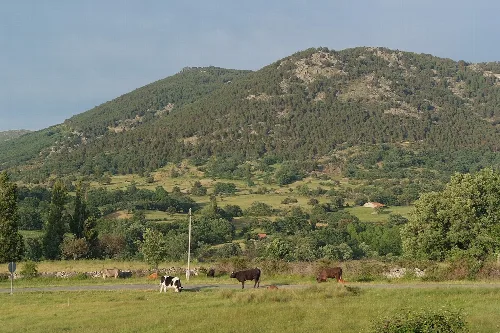
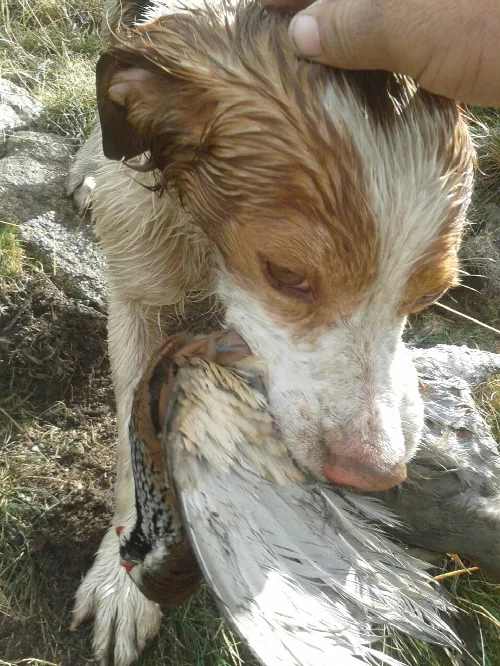
The Corneja River passes through La Ribera in Villafranca de la Sierra, surrounded by trees and rocks in a natural landscape.Side altarpiece of the Parish Church of Our Lady of the Assumption in Villafranca de la Sierra, restored in 2009.Golden main altarpiece of the Parish Church of Our Lady of the Assumption in Villafranca de la SierraLandscape with cows grazing in a field in front of a forested mountain in Villafranca de la SierraRed partridge hunted in the Sierra of Villafranca, with a wet dog and a human hand holding it.
Frequently asked questions
What is Villafranca de la Sierra known for?
Villafranca de la Sierra is known for its stunning natural landscapes, nestled in the Sierra de Villafranca. The municipality has a rich history, being one of the oldest territories in the region, and features notable landmarks like the 15th-century Church of Nuestra Señora de la Asunción. Its economy is primarily agricultural, with a focus on livestock and local produce, including the famous judías del Barco.
Villafranca de la Sierra is accessible by road through two exits from the N-110, connecting it to nearby towns like La Ribera and Navacepedilla de Corneja. Additionally, CEVESA bus services connect the village to Ávila, Madrid, and Plasencia, with regular trips available, especially on market days.
In Villafranca de la Sierra, visitors can explore the Church of Nuestra Señora de la Asunción, notable for its single nave and historical significance. The Alhóndiga, a former grain store turned cultural venue, is also worth a visit. The beautiful natural surroundings, including the river Corneja, offer opportunities for hiking and enjoying the local flora and fauna.
The river Corneja is significant as it originates within Villafranca de la Sierra and flows through the area, creating a natural habitat for diverse wildlife. It also plays a crucial role in the local ecosystem, contributing to the area's agriculture and providing recreational opportunities for residents and visitors alike.
What kind of events happen in Villafranca de la Sierra?
Villafranca de la Sierra hosts various local events, particularly during the summer months. Cultural activities often take place in the Alhóndiga, including art exhibitions. Additionally, traditional festivals and agricultural fairs showcase local produce and community spirit, making them great opportunities for visitors to experience local culture.
What is the climate like in Villafranca de la Sierra?
Villafranca de la Sierra has a Mediterranean climate classified as Csb, characterized by mild, wet winters and warm, dry summers. This climate supports a diverse range of flora and fauna, contributing to the region's natural beauty and agricultural productivity.
Are there any local dishes I should try in Villafranca de la Sierra?
When visiting Villafranca de la Sierra, you should try local dishes featuring the famous judías del Barco, a type of bean that is highly regarded for its flavor. Additionally, traditional agricultural products like fresh vegetables and meats from local farms are often featured in regional cuisine.
What is the history of the Church of Nuestra Señora de la Asunción?
The Church of Nuestra Señora de la Asunción dates back to the 15th century and is built with stone blocks. It features a single nave and a bell tower, with the oldest part likely from the 14th century. The church's retablo was completed in 1690, showcasing the historical and architectural significance of the site.
What wildlife can I see around Villafranca de la Sierra?
Villafranca de la Sierra is home to a diverse range of wildlife due to its varied altitudes and ecosystems. Birdwatchers can spot species like the imperial eagle and various passerines, while mammals such as wild boars and deer can also be seen in the area. The rich biodiversity makes it an attractive spot for nature enthusiasts.
Villafranca de la Sierra offers a peaceful rural lifestyle with a small population of around 128 residents. Its beautiful natural surroundings, rich history, and close-knit community make it appealing for those seeking tranquility away from urban life. However, amenities may be limited compared to larger towns.
 espana.net