espana.net
 Orilus, Public domain
Castile and León
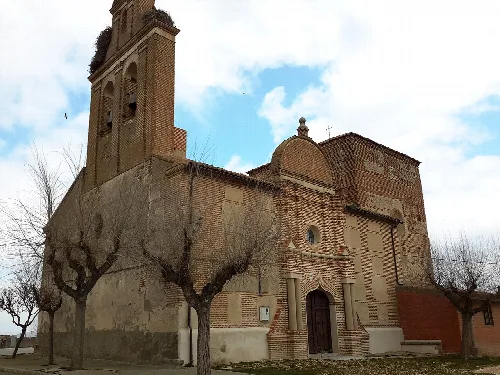
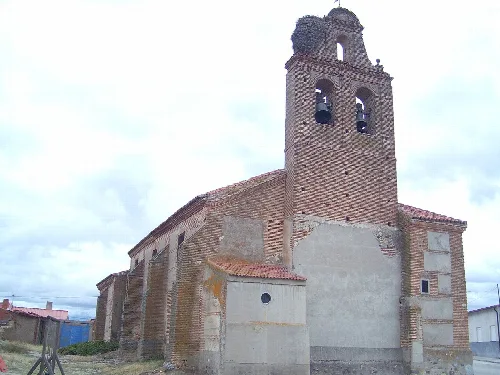
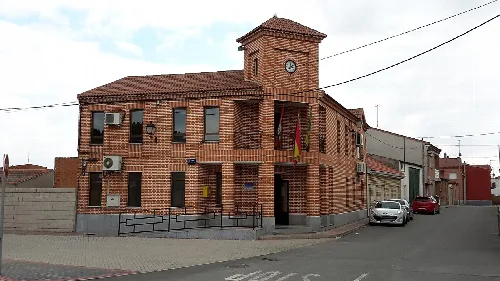
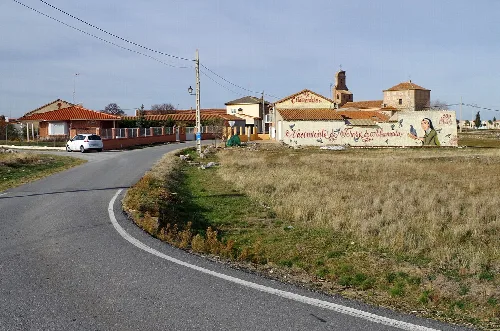
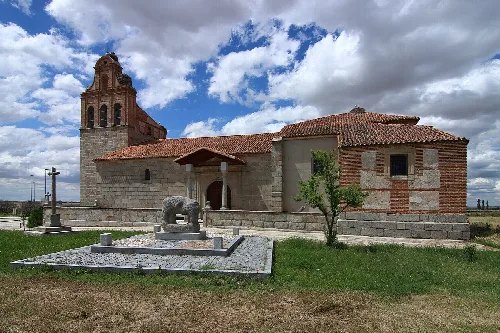
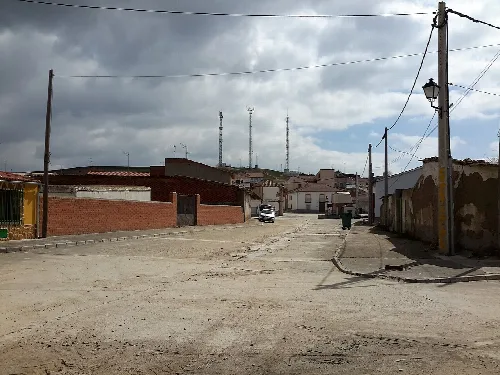
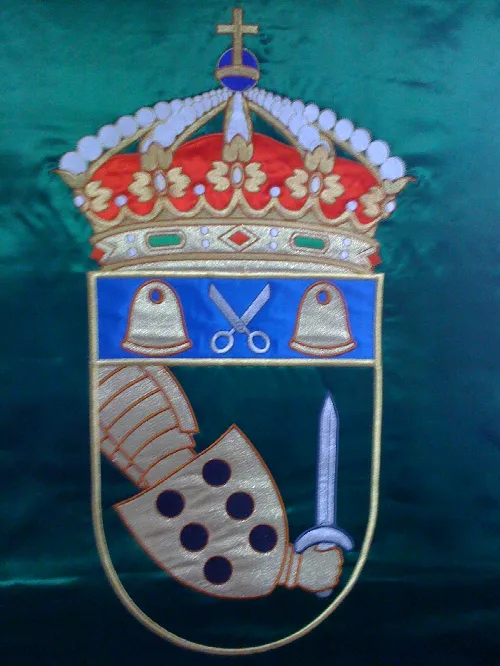
Villanueva de Gómez is a municipality located in the province of Ávila, within the autonomous community of Castile and León. Characterized by its rich history and natural surroundings, it has a small population and is known for its cultural significance as part of the Camino de Santiago.
Villanueva de Gómez is situated at an elevation of 890 meters above sea level, approximately 26 kilometers north of the provincial capital. The municipality spans an area of 21 km² and features a Mediterranean continental climate, characterized by cold winters and warm summers. The region is rich in forested areas, particularly pine forests, and is home to a stable population of imperial eagles.
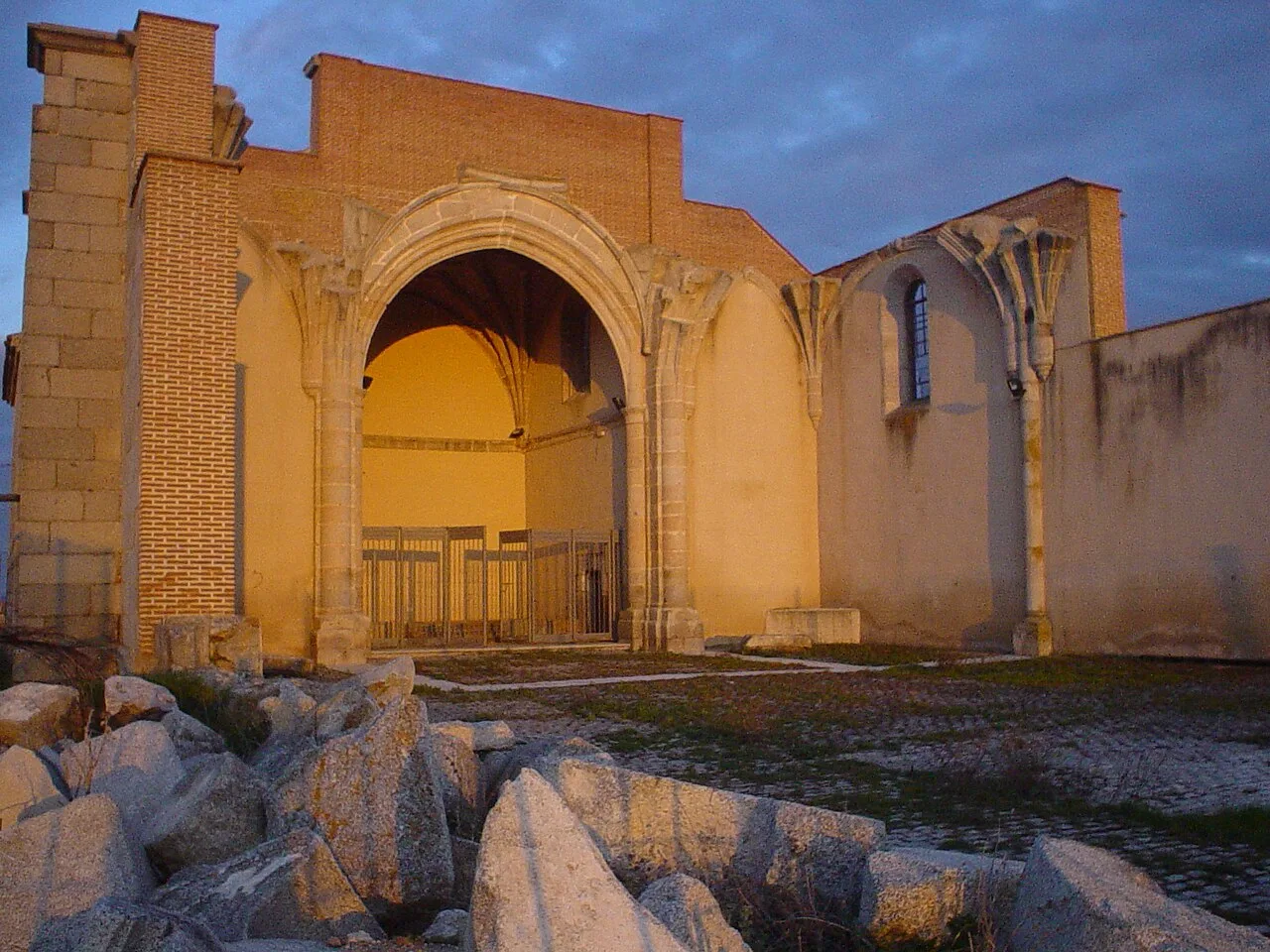
The area has been inhabited since prehistoric times, with evidence of settlements dating back to the sixth or seventh millennium BCE. Villanueva de Gómez developed under the influence of the Vetton culture and later saw Roman presence, evidenced by archaeological finds. During the Reconquista, the region was repopulated by various groups, leading to the establishment of the municipality's current name and status as a villa in 1294.
Villanueva de Gómez is a small municipality in Ávila, known for its history and cultural significance along the Camino de Santiago.
Villanueva de Gómez is traversed by the Camino de Santiago de Levante and the Camino de Santiago del Sureste, linking it to significant cultural routes. The municipality celebrates its local festival, the Octava del Corpus, and honors the Virgen de los Dolores as its patron saint.
Own text, written with AI assistance from the facts in Wikipedia · Villanueva de Gómez · Data: Wikidata Q664700 · Photos: Wikimedia Commons, see individual licenses. · CC BY-SA 4.0