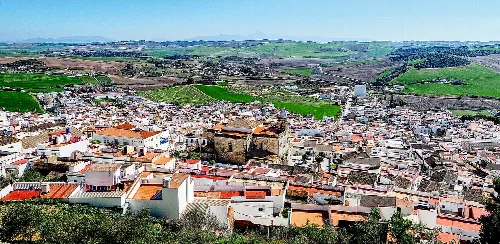
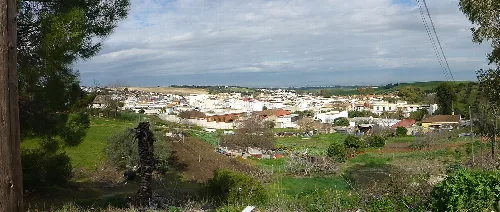
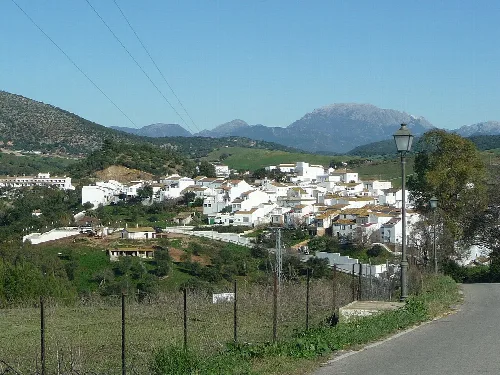
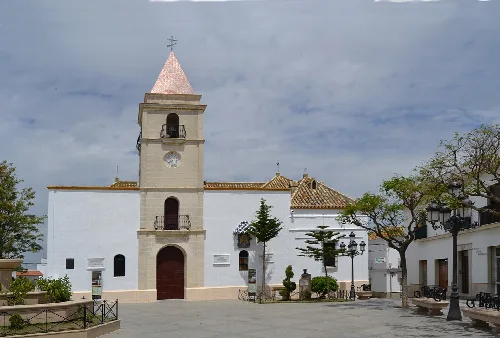
Arcos de la Frontera is a municipality in the province of Cádiz, Andalusia, known for its dramatic cliffside location and rich historical heritage. The town features a blend of Moorish and Christian architecture, with numerous churches and a medieval castle that reflect its tumultuous past.
02Geography
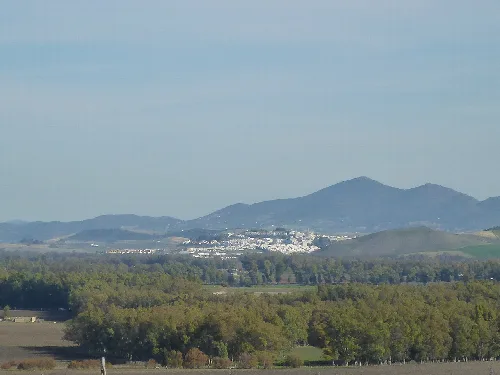
Arcos de la Frontera is situated on the right bank of the Guadalete River, characterized by its striking cliffs and scenic views. The town is positioned approximately 64 km northeast of Cádiz and 35 km east-northeast of Jerez de la Frontera. It is nestled within the Sierra de Cádiz comarca, offering a picturesque landscape that includes the Sierra de San Cristóbal and the Guadalete Valley.
03History
The history of Arcos de la Frontera dates back to prehistoric times, with evidence of early human habitation. The town's name derives from the Roman term Arx-Arcis, meaning 'fortress on high ground,' and it became a significant Moorish stronghold during the 8th century. Following the Christian Reconquista in the 13th century, Arcos played a key role in the region's defense against Moorish incursions.
Moorish era Arcos became an independent taifa in 1011.
Christian era Ferdinand III took possession in 1250.
Civil war The town was involved in conflicts during the collapse of the Umayyad Caliphate.
Architectural development Alfonso X commissioned a Gothic cathedral on a high ridge.
Cultural significance The town's name 'de la Frontera' reflects its historical role as a frontier settlement.
Explore Arcos de la Frontera, a historic town in Cádiz known for its stunning views and rich cultural heritage.
04Main Sights
Arcos de la Frontera boasts a variety of historical and architectural landmarks. The Castillo de Arcos, a medieval castle of Moorish origin, stands prominently in the town. Other notable sites include several churches that showcase different architectural styles, from Gothic to Renaissance, and the historic center, which is recognized as a Historic-Artistic Monument.
Castillo de Arcos 11th–15th-century castle, currently private property.
Basílica Menor de Santa María de la Asunción Built on a Visigothic temple, featuring Plateresque-Gothic style.
Iglesia de San Pedro 15th–17th century church with Gothic and Baroque elements.
Convento de la Encarnación 16th-century convent with Plateresque portal.
Historic center Declared a Historic-Artistic Monument in 1962.
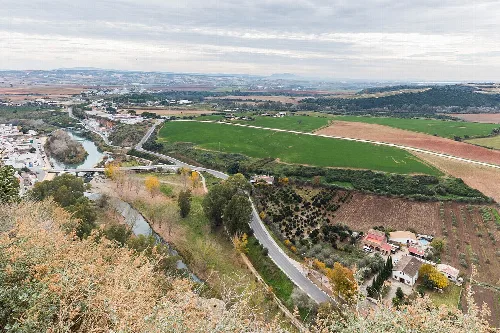
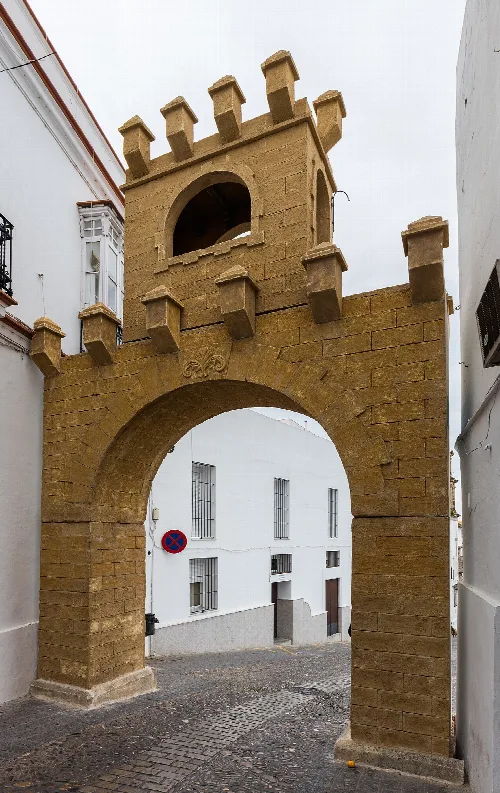
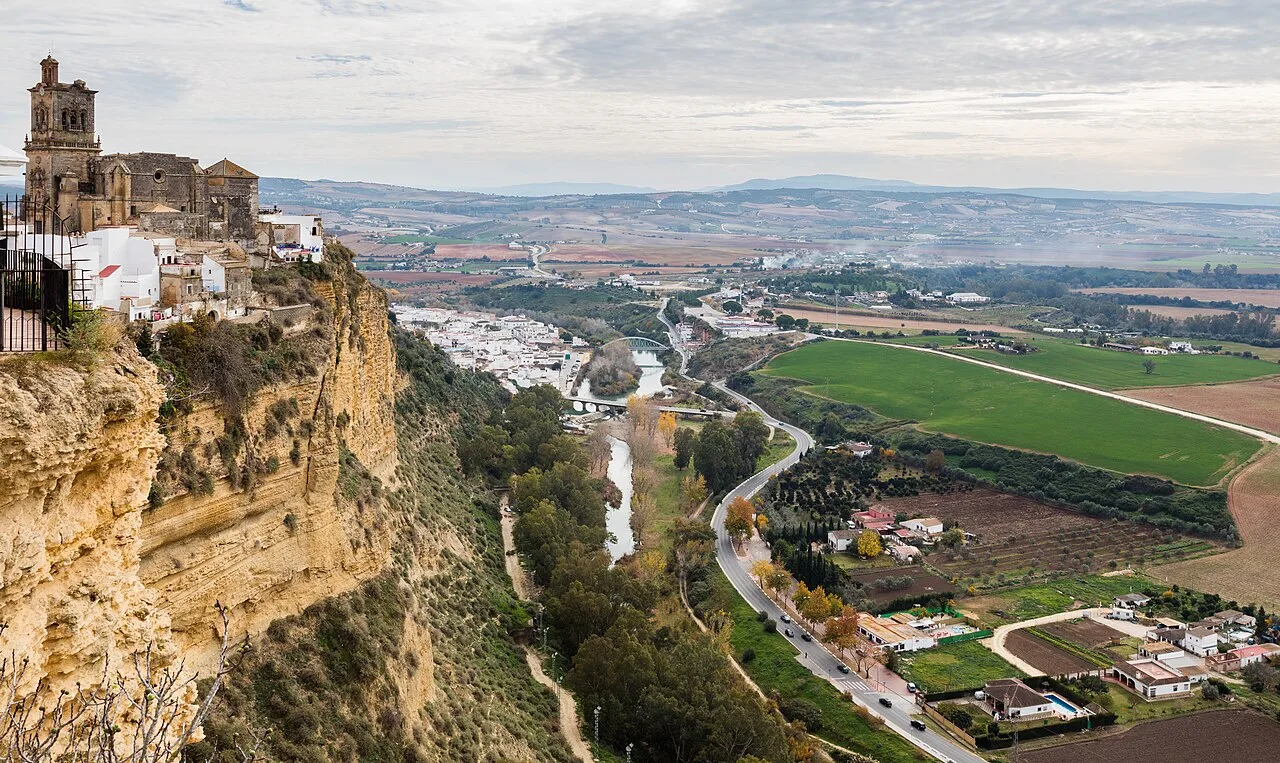
Panoramic view of Arcos de la Frontera from the Peña Nueva Balcony, showing the river and surrounding fields.Jerez Gate, an old entrance in Arcos de la Frontera, Cádiz, with medieval design and stone details.
05Festivals and Gastronomy
Arcos de la Frontera is vibrant with cultural festivities throughout the year, including the Semana Santa de Arcos, which is recognized as a National Tourist Interest. The town's gastronomy features traditional dishes such as Ajo a la molinera and various stews, alongside sweets made by local convents.
Festividad de Nuestra Señora de las Nieves Patron Saint festival.
Semana Santa de Arcos Holy Week celebrations every April.
Toro del Aleluya Running of the bulls on Easter Sunday.
Carnaval de Arcos Carnival celebrated every February.
Zambombas of Arcos Declared of Intangible Cultural Interest.
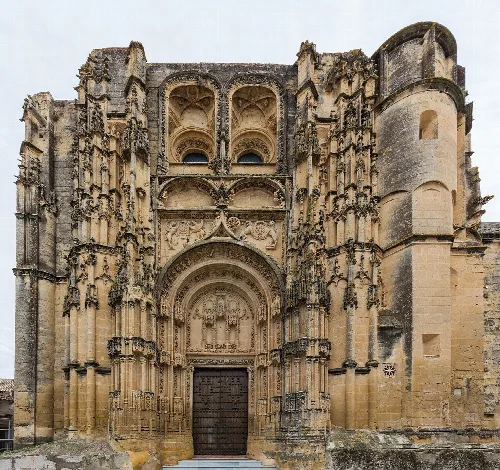
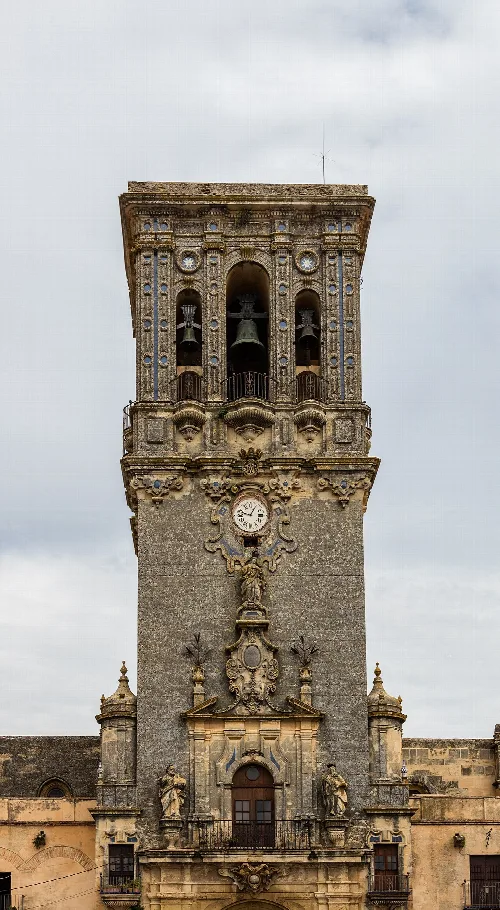
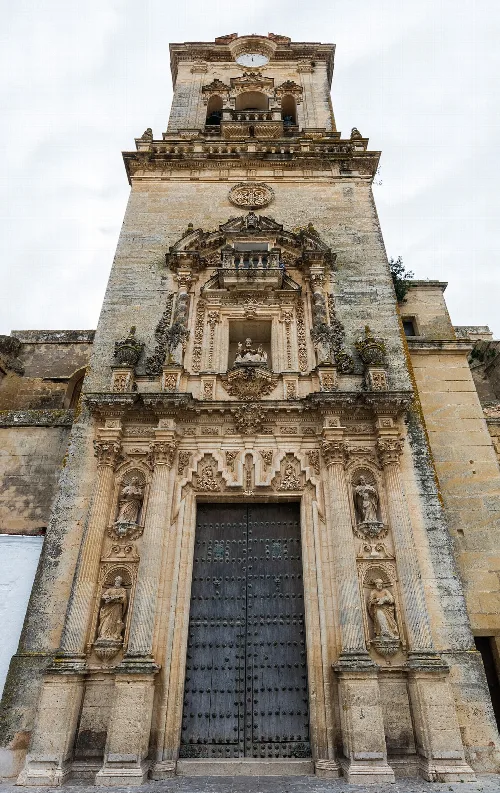
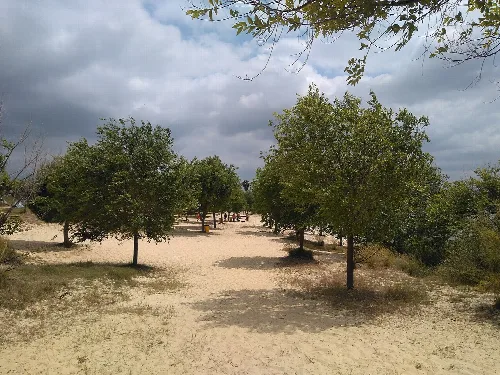
Pastries from the Convent of Corpus Christi of the Barefoot Mercedarians in Arcos de la FronteraFacade of Santa María de la Asunción church in Arcos de la Frontera, with Gothic and Romanesque details.The bell tower of Santa María de la Asunción church in Arcos de la Frontera features ornate architecture and details.Facade of San Pedro Church in Arcos de la Frontera with ornate stone details and statues on the sides.El Santiscal beach in Arcos de la Frontera with trees and sand by a lake
Frequently asked questions
What can I see from the Balcón de la Peña Nueva?
From the Balcón de la Peña Nueva, you can enjoy stunning views of Arcos de la Frontera, perched on a sandstone ridge. The vista includes the Guadalete River winding through the valley and the surrounding countryside, showcasing the natural beauty of the Sierra de Cádiz region.
The Puerta de Jerez was one of the three city gates in medieval times, serving as an important entrance to Arcos de la Frontera. It was demolished in 1852, but a replica was built later, making it a unique historical feature of the town.
What are the local sweets made by the nuns in Arcos?
The nuns of the Convento de las Mercedarias Descalzas are known for their delicious sweets, including traditional treats like bollos de Semana Santa, pestiños, and empanadillas. These confections are a delightful part of the local gastronomy.
Are there any natural sites to visit in Arcos de la Frontera?
Yes, Arcos de la Frontera is home to several natural sites, including the impressive cliffs and the promontory known as 'la Peña'. The Guadalete River and the Arcos Reservoir also offer beautiful landscapes and recreational opportunities.
What is the significance of the Semana Santa de Arcos?
The Semana Santa de Arcos, or Holy Week of Arcos, is a major cultural event celebrated every April. It has been declared a National Tourist Interest, attracting visitors to experience its rich traditions and religious processions.
What types of dishes are typical in Arcos de la Frontera?
Arcos de la Frontera features a variety of traditional dishes, including sausages, gazpacho serrano, and chickpea stew (berza). Sweets made by local nuns are also popular, adding to the town's culinary heritage.
What is the local festival called Toro del Aleluya?
The Toro del Aleluya, or Bull of the Hallelujah, is a traditional event held every Easter Sunday in Arcos de la Frontera. It involves a running of the bulls and has been celebrated since 1784, showcasing the town's vibrant culture.
The Castillo de Arcos is a medieval castle of Moorish origin, rebuilt mainly in the 15th century. While it is currently private property and not open to the public, its impressive structure and historical significance make it a notable landmark in the town.
What is the significance of the Basílica Menor de Santa María de la Asunción?
The Basílica Menor de Santa María de la Asunción is an important church in Arcos, built on the site of a Visigothic temple. Its architecture combines Plateresque-Gothic and Renaissance styles, reflecting the town's rich historical and cultural heritage.
What is the best way to experience the local culture in Arcos?
To experience the local culture in Arcos, participate in traditional festivals like Semana Santa or the Toro del Aleluya. Exploring the historic center, visiting local markets, and tasting regional dishes also provide a deeper understanding of the town's heritage.
 espana.net