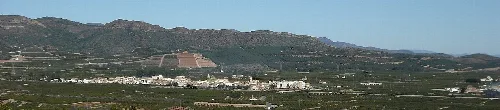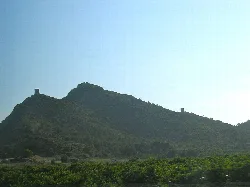
What is the history behind the Castillo de Almenara?
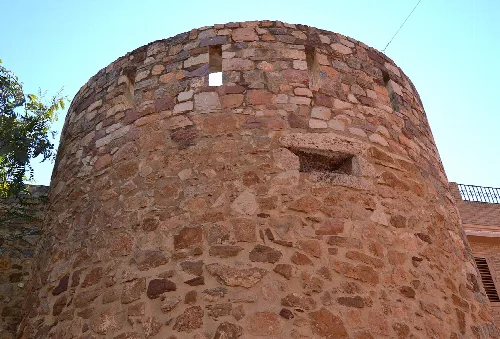
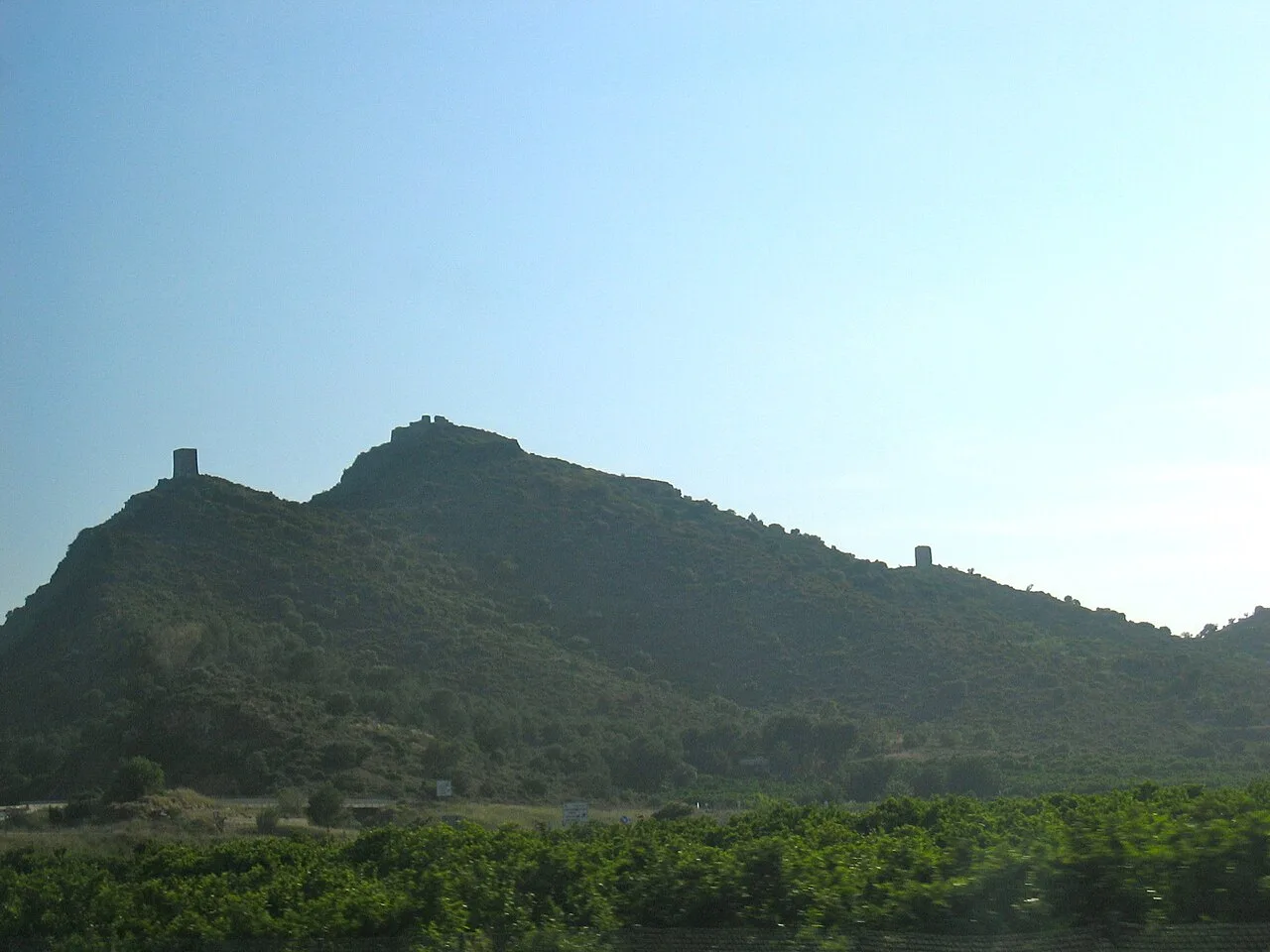
The Castillo de Almenara was constructed during the Andalusian period and served as a lighthouse to control the coastline of the Plana de Burriana. It was taken by Jaime I in 1238, who later established a new settlement at its base. The castle has since fallen into ruins but still retains remnants of its three defensive walls and two towers.
History
Castillo de Almenara
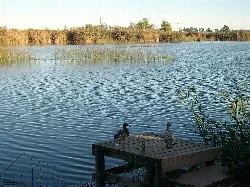
What can you tell me about the Estanys in Almenara?
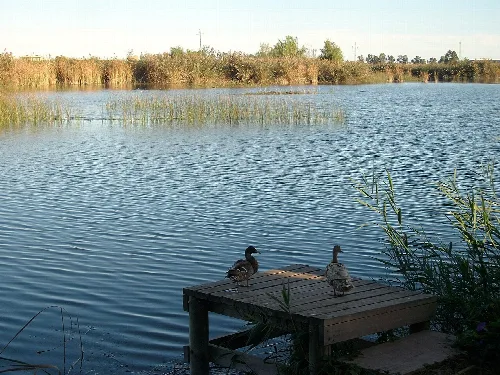
The Estanys are a natural area consisting of three lagoons that preserve their wetland characteristics due to two freshwater springs. This habitat supports various aquatic bird species and fish, making it an important ecological site in the region.
Nature
Estanys
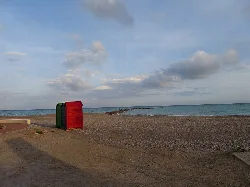
What is the significance of the Playa de Casablanca?
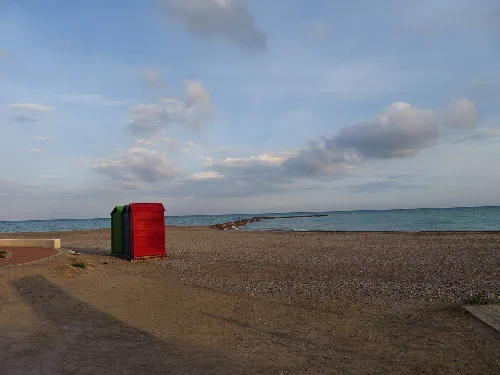
Playa de Casablanca is notable for its 4 km stretch of sandy and gravel beach, named after a historic estate. It features one of the best-preserved dune systems in Castellón, which supports unique endemic plant species and is crucial for the nesting of the black-bellied plover.
Sights
Playa de Casablanca
What are the main festivals celebrated in Almenara?
Almenara hosts several festivals, including San Antonio in January, which features animal blessings, and Santa Cecilia in November, celebrating the local music association. The patronal festivities in honor of N.ª S.ª del Buen Suceso and San Roque occur in late September, while San Roque's beach activities take place in August.
Festivals & events
What is the local cuisine like in Almenara?
Almenara's local cuisine features traditional dishes such as 'coca tapá' made with almonds, classic 'paella', 'all i pebre', and festive meatballs known as 'albóndigas de fiestas'. These dishes reflect the region's agricultural heritage and culinary traditions.
Food & drink
How is the urban layout of Almenara structured?
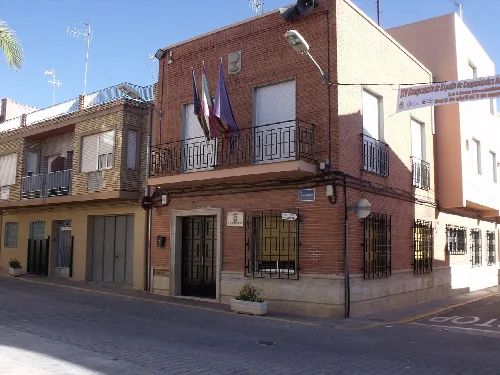
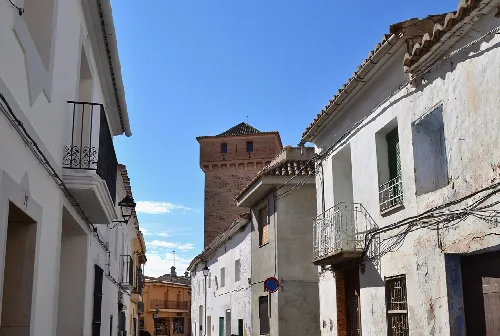
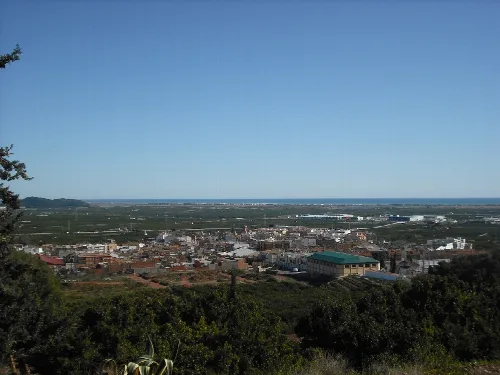
Almenara's urban layout is characterized by a grid pattern typical of towns founded by Jaime I. The main streets form a rectangular perimeter, with a mix of historical and modern developments, reflecting its growth from a medieval settlement to a contemporary town.
Living there
For residents
What wildlife can I expect to see at the Marjal de los Ullals?
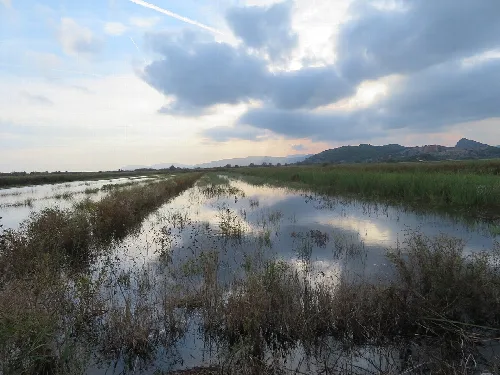
The Marjal de los Ullals is home to over 300 vertebrate species, including many that are threatened. Visitors can observe a variety of aquatic and marine birds, as well as reptiles like the European pond turtle. It's a vital area for bird nesting and migration.
Nature
What are the main transportation options in Almenara?
Almenara is well-connected by major roads, including the AP-7 and A-7 highways, as well as the N-340 national road. Additionally, there is a local train service through the C-6 line of the Valencia Cercanías, providing convenient access to nearby areas.
Getting there
For residents
What is the origin of the name Almenara?
The name Almenara derives from the Arabic word المنارة (al-manāra), meaning 'the lighthouse' or 'the watchtower'. This refers to the ancient towers used to signal warnings by lighting fires, highlighting the town's historical significance.
History
What kind of historical sites can I visit in Almenara?
In Almenara, visitors can explore the remnants of the Castillo de Almenara, which dates back to the medieval period, and the restored walls from the 14th century. These sites reflect the town's rich history and architectural heritage.
Sights
 espana.net