What is the Arco Romano in Cabanes?
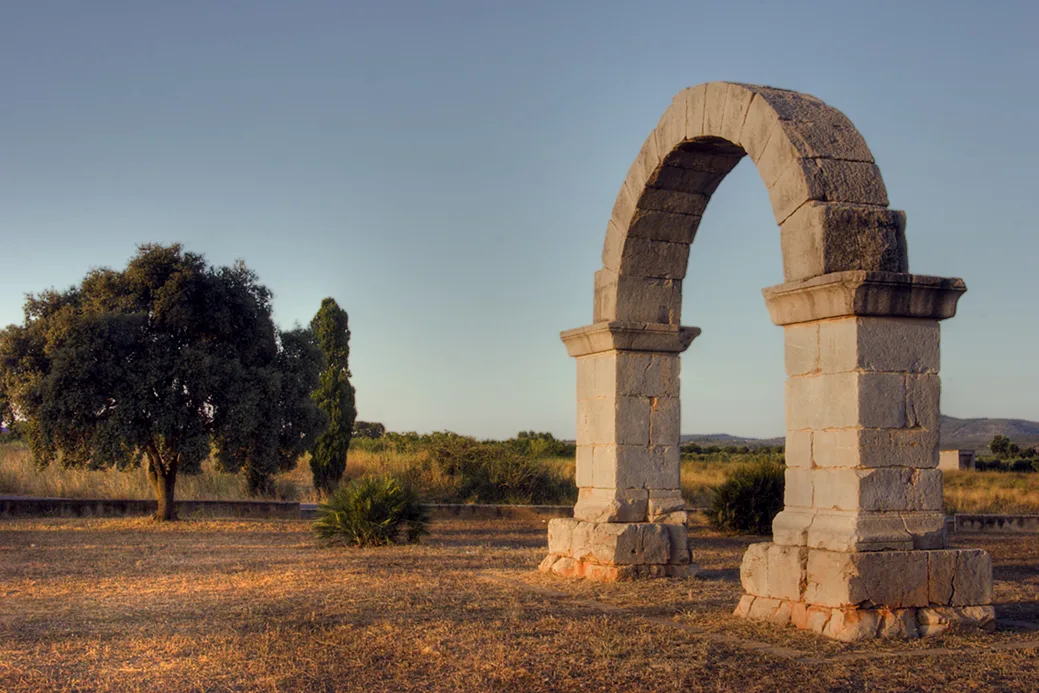
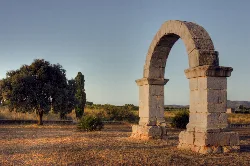
The Arco Romano, likely from the 2nd century, was part of the ancient Via Augusta. It features two square pillars supporting a semi-circular arch made of 14 voussoirs. Standing 6 meters tall, it has historical significance, being mentioned as early as 1243. It was declared a National Historic-Artistic Monument in 1931 and is a notable landmark in Cabanes.
Sights
Arco Romano
What can you tell me about the beaches in Cabanes?
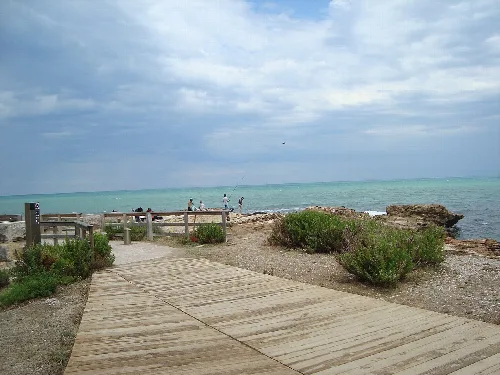
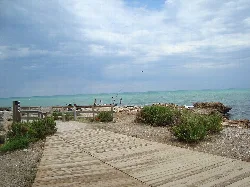
Cabanes is home to beautiful beaches, including Playa de la Torre de la Sal, located between Oropesa del Mar and Torrenostra. This beach offers a scenic coastal experience, making it a popular spot for relaxation and recreation. The area is known for its natural beauty and is accessible for visitors looking to enjoy the Mediterranean coastline.
Nature
Platges de Torrelasal
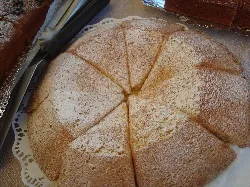
What is Torta de Almendras and how is it made?
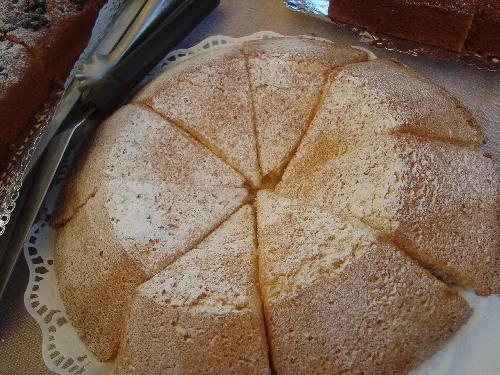
Torta de Almendras is a traditional almond cake from Cabanes, made with 12 eggs, 500 grams of sugar, and 500 grams of ground almonds, along with flour and powdered sugar. This delightful dessert showcases the region's agricultural products, particularly almonds, and is a favorite among locals and visitors alike.
Food & drink
What historical significance does Cabanes have?
Cabanes has a rich history dating back to Roman times, believed to be founded as a mansion along the Via Augusta. It became an important settlement in 1243, with notable medieval events, including its annexation of nearby castles in 1575. The town's historical architecture, including the Arco Romano, reflects its long-standing significance.
History
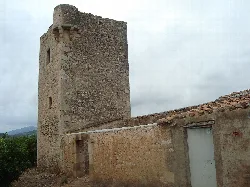
Can you tell me about the Torre Falcó?
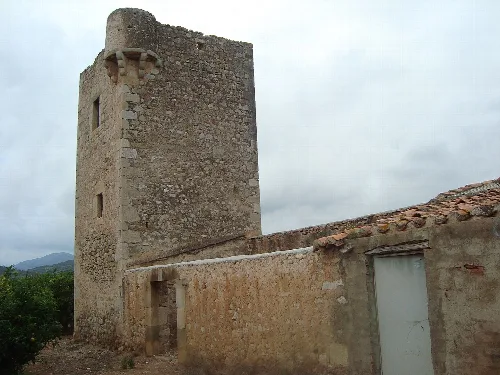
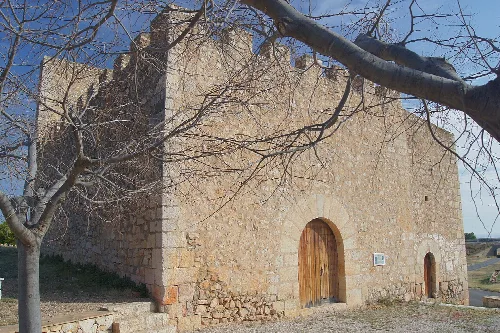
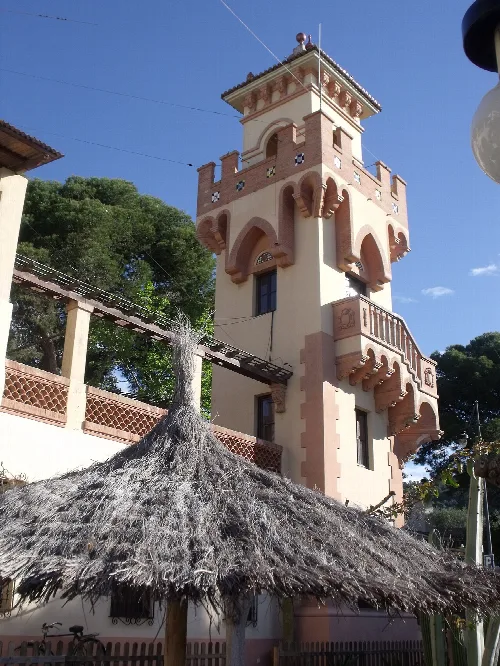
Torre Falcó is a medieval refuge tower in Cabanes, representing the town's historical architecture. It served as a defensive structure during its time and is part of the rich heritage of Cabanes. Visitors can appreciate its historical context and the role it played in the region's defense.
Sights
Torre Falcó
What are the main agricultural products of Cabanes?
Cabanes has a strong agricultural economy, with key products including almonds, olives, oranges, table grapes (moscatel), wine, cereals, and legumes. The agricultural area covers 13,150 hectares, highlighting the importance of farming in the local economy and the region's rich agricultural traditions.
Living there
For residents
What festivals are celebrated in Cabanes?
Cabanes hosts several vibrant festivals throughout the year, including San Antonio Abad in January, Ntra. Sra. del Buensuceso in May, and San Juan Bautista and San Roque in August. These celebrations feature traditional activities such as romerías, taurine festivities, and lively verbenas, reflecting the town's cultural heritage.
Festivals & events
How is the natural landscape around Cabanes?
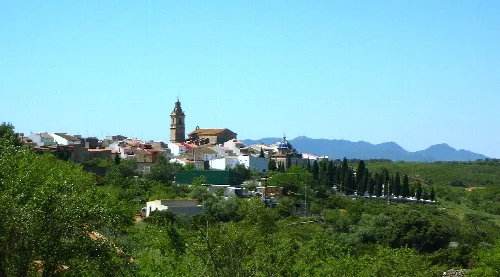
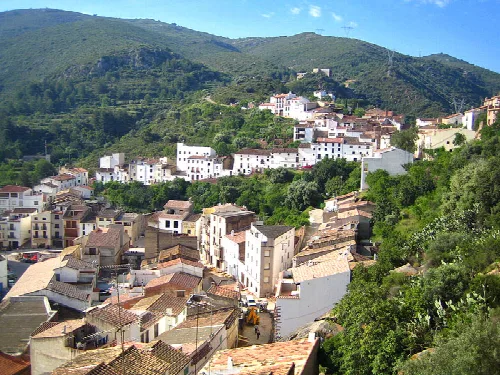
The natural landscape around Cabanes is diverse, featuring the Parque Natural del Prat de Cabanes-Torreblanca, known for its wetlands and rich birdlife. The area is characterized by irregular terrain, including mountains and valleys, offering beautiful scenery and opportunities for outdoor activities like hiking and birdwatching.
Nature
What is the significance of the Ermita Fortificada de Albalat?
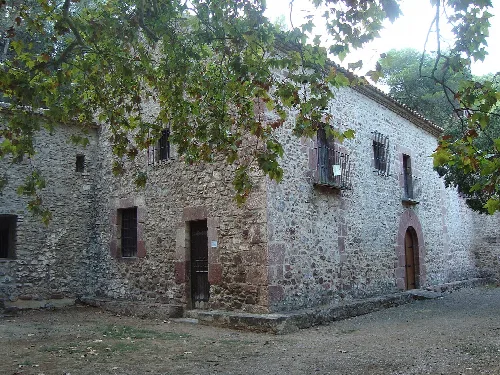
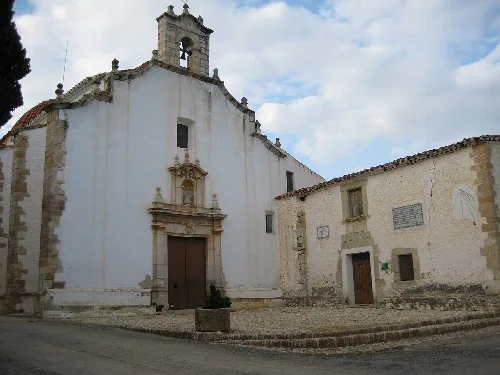
The Ermita Fortificada de Albalat is a cultural heritage site in Cabanes, recognized as a well-preserved example of fortified religious architecture. It is declared a cultural interest site and reflects the historical importance of religious buildings in the region, drawing interest from both locals and visitors.
Sights
Ermita Fortificada de Albalat
What is the current population of Cabanes?
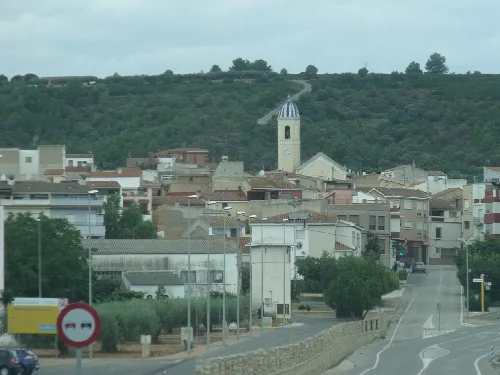
As of 2025, Cabanes has a population of 3,475 residents. This small town is part of the Castellón province in the Valencian Community and reflects a close-knit community atmosphere, with a blend of historical and modern influences shaping its character.
Living there
For residents
 espana.net