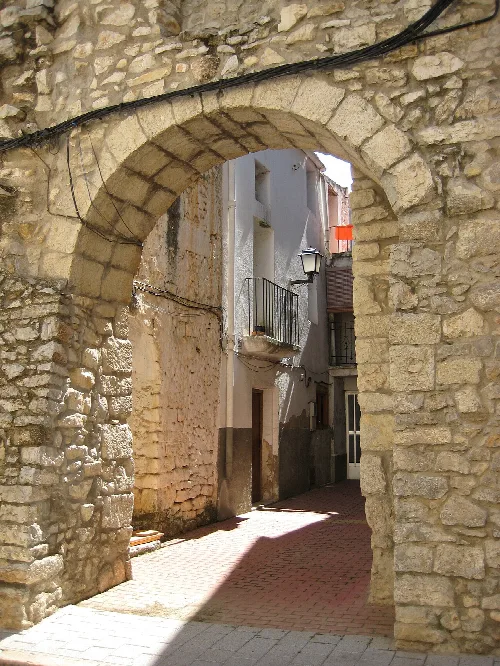
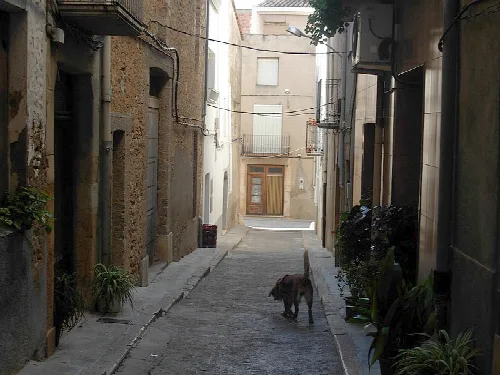
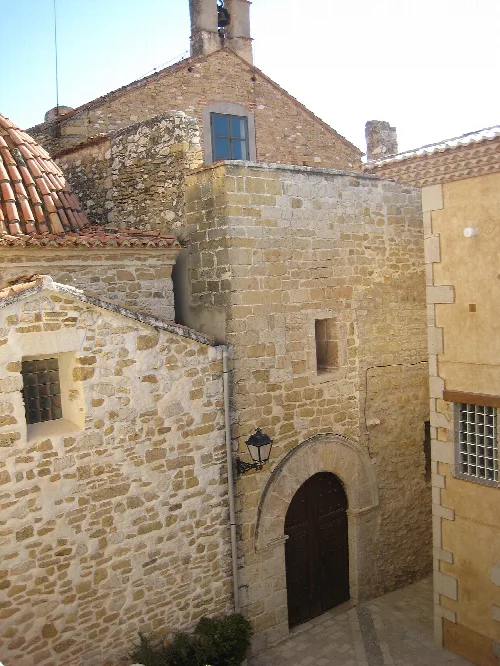
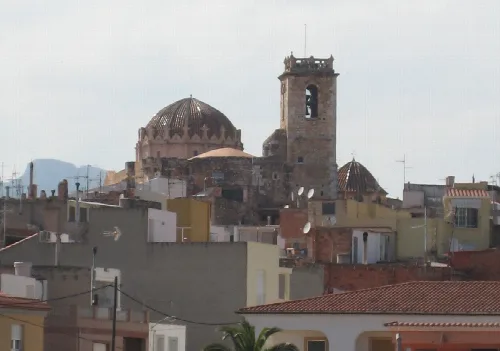
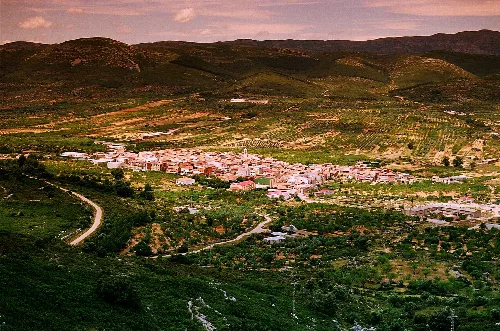
Sant Mateu, also known as San Mateo, is a municipality located in the province of Castellón, within the Valencian Community. Renowned for its rich history and cultural heritage, it features a blend of medieval architecture and natural beauty, nestled among mountains and close to the Mediterranean coast.
02Geography
Sant Mateu is situated approximately 65 km north of Castellón de la Plana, at an elevation of about 325 meters above sea level. The municipality is located in a valley known as Vall d'Àngel, characterized by its abundant natural springs and Mediterranean forest vegetation, including aromatic plants and ancient olive trees. The area is also just 27 km from the Mediterranean beaches.
Distance to coast
27 km
Natural springs
Font de les Piques, Morella, Aiguanova, Font Cuberta, Guilona
Vegetation
Mediterranean forest, wild and aromatic plants
Surrounding municipalities
Chert, La Jana, Cervera del Maestre, Tírig, Salsadella, Catí
03History
The historical roots of Sant Mateu date back to prehistoric times, with evidence of settlements from the Bronze Age and Iberian period. The name first appeared in documentation in 1195, and the town became significant during the medieval period, particularly as a center for the wool trade, which contributed to its economic prosperity.
1195 First documented mention of Sant Mateu.
1237 Hugo de Folcalquier grants Carta Puebla to Sant Mateu.
1317 Foundation of the Order of Montesa, making Sant Mateu its capital.
1429 Antipope Clement VIII renounces the papacy in Sant Mateu.
1521 Germanías revolt leads to the assassination of the local lieutenant.
Discover Sant Mateu, a historic municipality in Castellón, known for its medieval architecture and rich cultural heritage.
04Economy
The economy of Sant Mateu is primarily based on agriculture, with crops such as olives, almonds, and cereals being prevalent. In irrigated areas, traditional Roman and Arab irrigation techniques are used to cultivate various vegetables. Tourism has been on the rise, supported by local restaurants and rural accommodations.
Main agricultural products
Olives, almonds, cereals, vegetables
Tourism growth
Increase in restaurants and rural houses
Industrial sector
Limited, with some wood and service industries
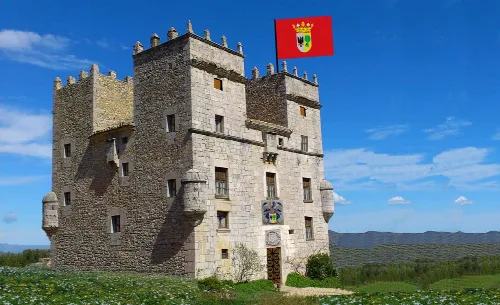
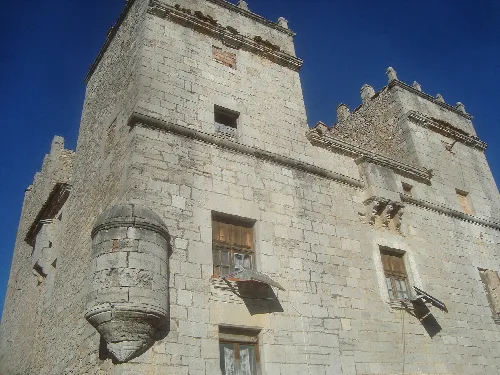
Torre Palomar in San Mateo, Castellón, with a blue sky and rural landscape in the background.El Palomar Tower in Sant Mateu, a stone structure with windows and a turret in Castellón.
05Cultural Heritage
Sant Mateu boasts a rich architectural heritage, with several buildings recognized as cultural landmarks. The Arciprestal Church, a prime example of Valencian Gothic architecture, features significant historical elements, including a Romanesque portal and a bell tower. The town also has various museums that showcase its historical and cultural significance.
Arciprestal Church Key Gothic architectural monument with a Romanesque portal.
Iglesia de San Pedro The oldest church in the town, originally Romanesque.
Museo Paleontológico Houses an important collection of Ammonites.
Museo Municipal Displays artifacts from the Iberian-Roman period.
Museo Etnográfico Private collection of 19th-20th century objects.
06Festivals and Gastronomy
Sant Mateu celebrates various festivals throughout the year, with the most notable being the patronal festivities in honor of Santa Tecla and San Clemente, featuring traditional dances. The local cuisine is rich and diverse, reflecting the agricultural products of the region.
Semana Santa Main event is the procession on Holy Thursday.
Fiesta de la Virgen de los Ángeles Celebrated on the second Saturday after Easter.
Patronal festivities Held from August 18 to 29.
Local dishes Olleta de Sant Mateu, arroz al horno, and various pastries.
Traditional products Honey, olive oil, and cheese from Sant Mateu.
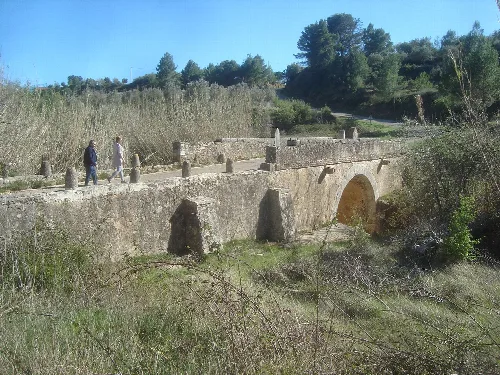
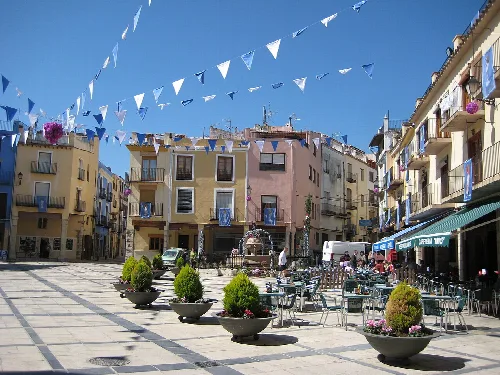
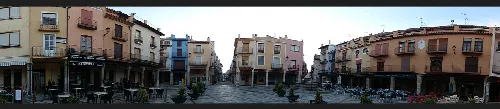
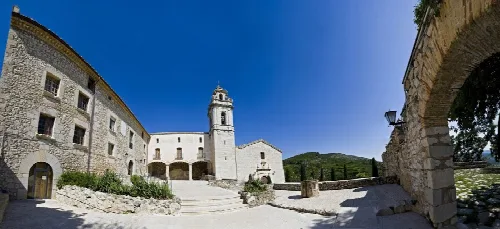
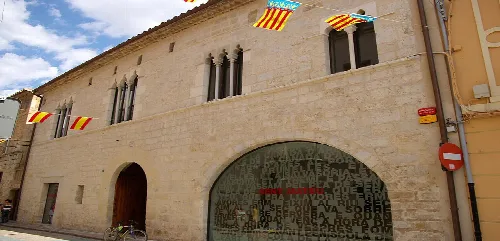
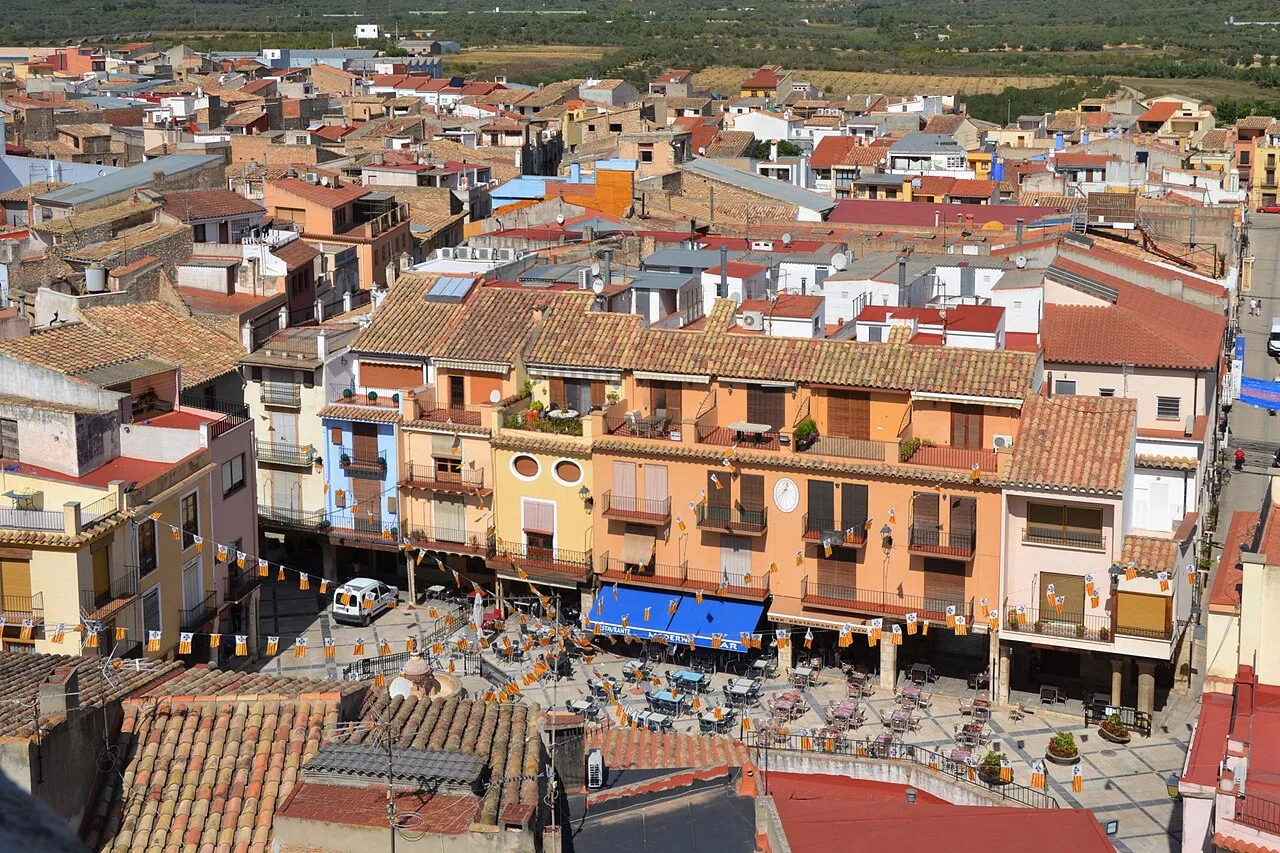
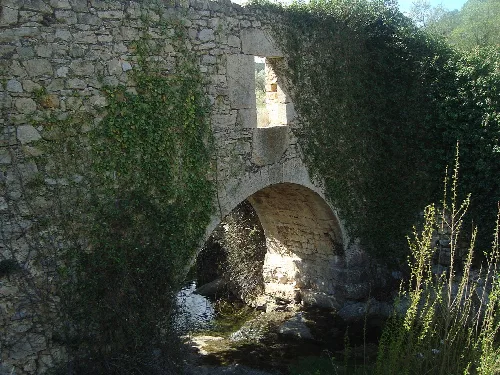
Puente de la Coma in Sant Mateu, an old stone bridge over a river surrounded by vegetation.San Mateo's main square during the celebration of the Virgin of the Angels with banners and outdoor tables.Panoramic view of Plaza Mayor in San Mateo, Castellón, with colorful buildings and cafes.The Virgin of the Angels hermitage in San Mateo, with its tower and stone facade, on a sunny day.Town hall building in San Mateo with flags and a mural on the facade.
Frequently asked questions
What is the Plaza Mayor like in Sant Mateu?
The Plaza Mayor in Sant Mateu is a typical medieval square, originally closed and accessed through the houses surrounding it. It features a central fountain and is bordered by seven streets, with one leading to the Torre, which served as a defense during sieges. The square was established in the late 14th century to accommodate the expanding market of the town, and it is adorned with the town's coat of arms, depicting an angel.
What historical significance does the Torre Palomar have?
The Torre Palomar, also known as Marquesado Villores, is an important historical structure in Sant Mateu. It reflects the architectural style of the region and serves as a reminder of the area's medieval past. The tower is part of the historical narrative of Sant Mateu, which was once a significant center during the time of the Order of Montesa.
Torre El Palomar, located in Sant Mateu, is a notable historical tower that showcases the region's architectural heritage. It is emblematic of the medieval period and contributes to the understanding of the area's historical significance, particularly during the time of the Order of Montesa, which had a strong presence in the region.
The Puente de la Coma in Sant Mateu is a historical bridge that connects the town with its surrounding areas. It is significant for its architectural style and historical context, serving as a vital transportation link in the past. The bridge reflects the engineering skills of the time and is part of the town's rich historical landscape.
What kind of nature can I expect around Sant Mateu?
Sant Mateu is surrounded by beautiful natural landscapes, characterized by Mediterranean forests and diverse flora. The area is rich in pure, crystal-clear waters from numerous natural springs, such as Font de les Piques and Font Cuberta. Visitors can enjoy hiking and exploring the scenic routes through the lush pine forests and ancient olive groves.
What are some local dishes I should try in Sant Mateu?
In Sant Mateu, you can explore traditional Valencian cuisine, which includes dishes like paella, various rice dishes, and local pastries. The region is also known for its olive oil and wines, which complement the local flavors. Dining at local restaurants will give you a taste of the rich culinary heritage of the area.
Sant Mateu hosts several annual events that celebrate its cultural heritage. Notably, the local festivals often include religious processions, traditional music, and dance. These events provide a glimpse into the town's traditions and community spirit, making them a great opportunity for visitors to engage with local culture.
What is the historical significance of the church in Sant Mateu?
The church in Sant Mateu, known as the Arciprestal, is a key monument of Valencian Gothic architecture. It features a Romanesque portal and a Gothic nave, reflecting the town's rich history. The church was built with contributions from wealthy wool merchants and serves as a cultural and religious center, housing important relics and artworks.
You can access Sant Mateu from Castellón de la Plana via the CV-10 road or from Vinaroz using the N-232. The town is also reachable through the AP-7 motorway, making it convenient for visitors traveling by car. Its location among mountains adds to its scenic appeal.
Living in Sant Mateu offers a blend of historical charm and natural beauty. The town has a small population of around 2,021 residents, fostering a close-knit community. With access to beautiful landscapes, local traditions, and a slower pace of life, it appeals to those seeking a tranquil lifestyle away from the hustle and bustle of larger cities.
 espana.net