espana.net
 19Tarrestnom65, CC BY-SA 4.0
Castilla–La Mancha
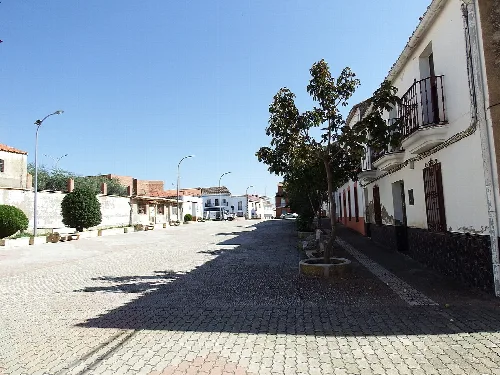
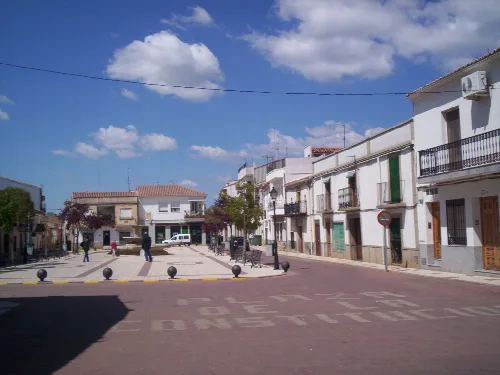
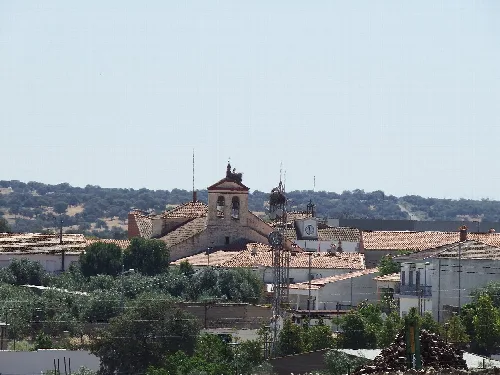
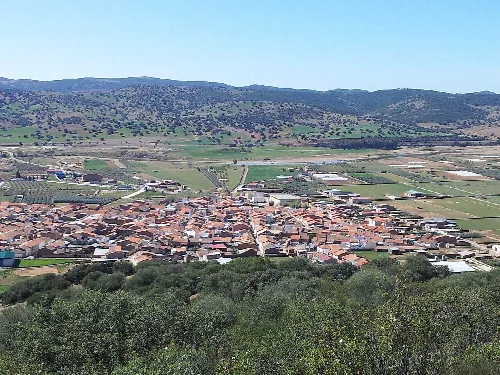
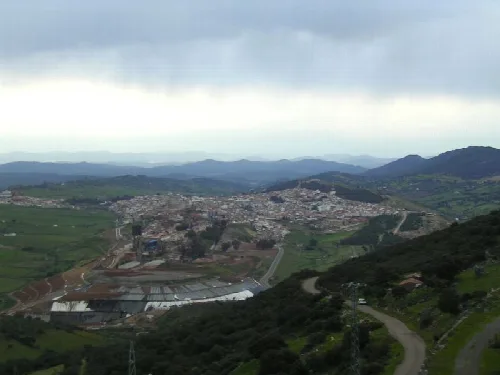
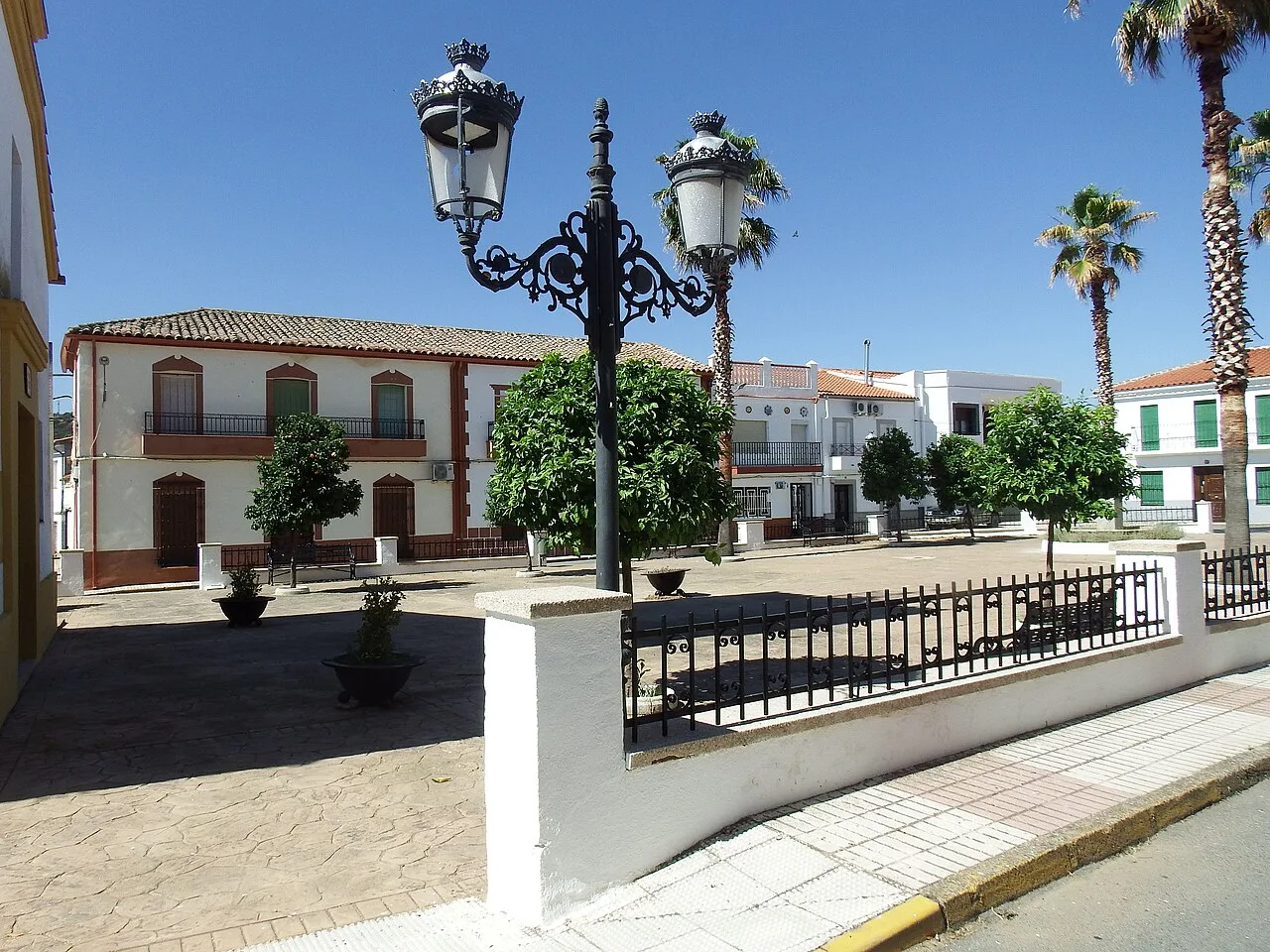
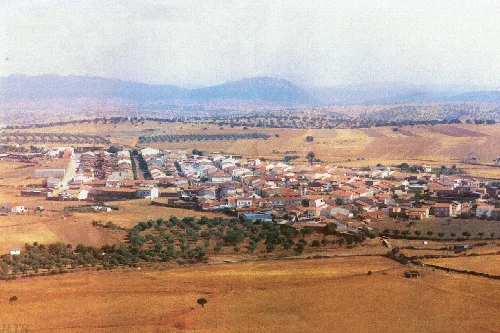
Alamillo is a municipality located in the province of Ciudad Real, within the autonomous community of Castilla–La Mancha. Characterized by its rich history and unique traditions, it has a small population of 450 inhabitants.
Alamillo's history is marked by its transition from Muslim to Christian rule, beginning with its conquest by Alfonso VII in 1151. The area experienced periods of depopulation and re-conquest, with definitive Christian control established after the Battle of Las Navas de Tolosa in 1212. The region was significant for its agricultural practices and the influence of the Order of Calatrava, which shaped its development.
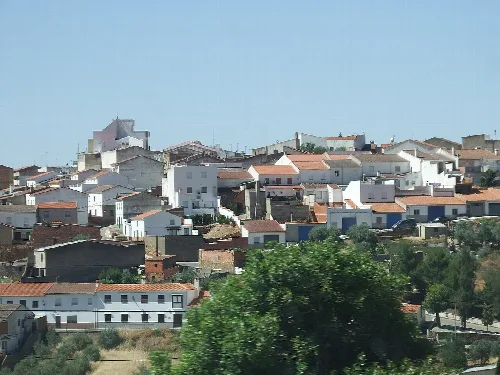
Alamillo is situated on a hill in the western part of the Alcudia valley, at an elevation of 445 meters above sea level. The urban area is bordered by the arroyo Grande and the arroyo Chico, which merge to form El Saladillo, flowing into the río Guadalmez. The municipality covers an area of 67.29 km².
Alamillo is a small municipality in Ciudad Real, known for its rich history and unique traditions.
Alamillo is known for its vibrant traditions, particularly the burning of dolls and the manteo de Judas, which symbolizes the end of winter and the arrival of spring. This ritual, which takes place on Holy Saturday, combines pagan and religious elements. Additionally, locals practice the tradition of whistling at dawn and dusk to invoke the spirit of wheat for good harvests.
Own text, written with AI assistance from the facts in Wikipedia · Alamillo · Data: Wikidata Q1631889 · Photos: Wikimedia Commons, see individual licenses. · CC BY-SA 4.0