How do I get to Almodóvar del Campo by train?
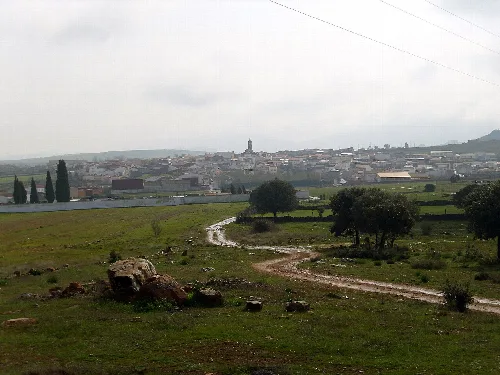
You can reach Almodóvar del Campo by taking daily trains from Madrid, Ciudad Real, Córdoba, or Sevilla to Puertollano. From Puertollano, a short drive on the CM-4110 will take you directly to Almodóvar del Campo, which is about 7 km away.
Getting there
What is the history behind the Iglesia de Nuestra Señora de la Asunción?
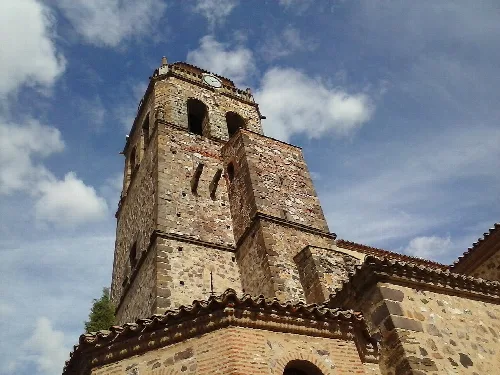
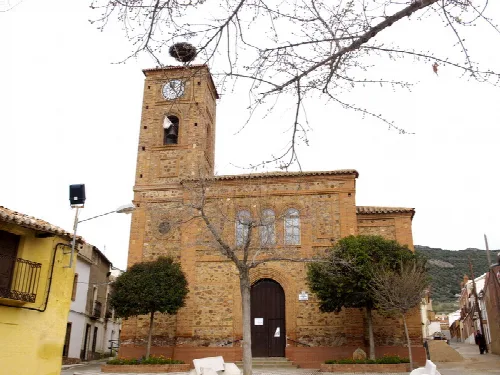
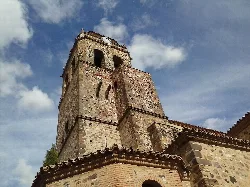
The Iglesia de Nuestra Señora de la Asunción was constructed in the 16th century on the site of an ancient mosque. It features a magnificent Mudéjar ceiling from the 14th century, recognized as the largest of its kind in Spain. The church also has a Baroque retablo and a tower built in 1548, which displays an imperial coat of arms.
History
Iglesia de Nuestra Señora de la Asunción
What can you tell me about the natural surroundings of Almodóvar del Campo?
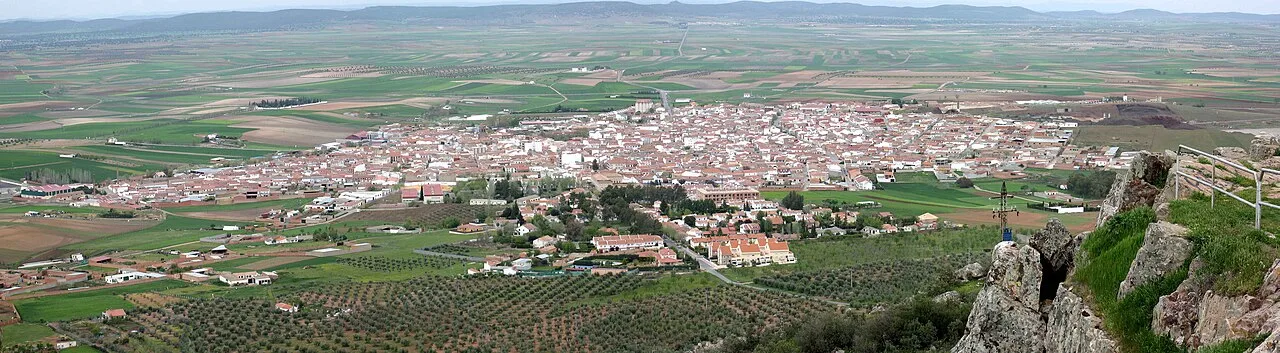
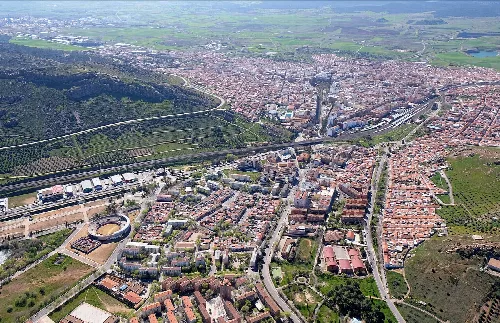
Almodóvar del Campo is located in the Valle de Alcudia, characterized by its diverse geography, including mountains and valleys. The area features volcanic formations and numerous rivers, making it ideal for outdoor activities like hiking and birdwatching. The natural landscape is rich in flora and fauna, inviting exploration.
Nature
What are the main events celebrated in Almodóvar del Campo?
Almodóvar del Campo celebrates its patronal festival in September, honoring the Virgen del Carmen, San Juan Bautista de la Concepción, and San Juan de Ávila. The festival features traditional bull runs, which are recognized as a Regional Tourist Interest event, showcasing the town's rich cultural heritage.
Festivals & events
What is the significance of the encierros in Almodóvar del Campo?
The encierros, or bull runs, in Almodóvar del Campo are among the oldest in Spain, with records dating back to 1490. Celebrated during the September festival, they begin with a chupinazo and feature traditional races through the streets, particularly along Calle Corredera, creating a lively atmosphere.
Festivals & events
What are some local dishes to try in Almodóvar del Campo?
While specific dishes weren't detailed, Almodóvar del Campo's rich agricultural surroundings suggest a variety of local cuisine featuring fresh produce and traditional recipes. Visitors should explore local restaurants for specialties that reflect the region's culinary heritage, often influenced by its historical roots.
Food & drink
Are there any archaeological sites near Almodóvar del Campo?
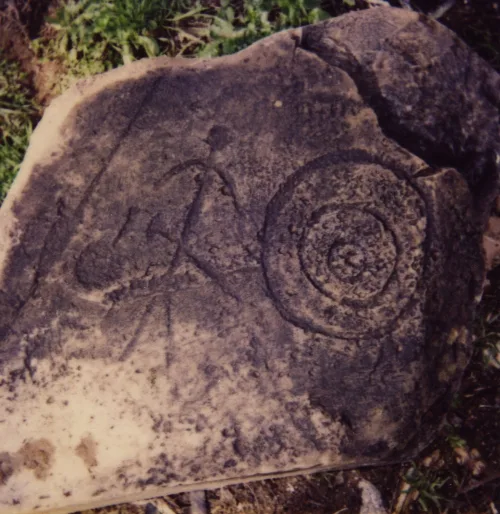
Yes, there are several archaeological sites around Almodóvar del Campo, including remnants from the Paleolithic era and various Roman artifacts. Notably, the yacimiento romano de La Bienvenida is an important site, marking the ancient Roman city of Sisapo, showcasing the area's rich historical background.
Sights
What is the Casa-Museo Palmero?
The Casa-Museo Palmero is a cultural center in Almodóvar del Campo, showcasing a private collection of artworks, including pieces by renowned artists like Miró and Tiziano. It also features decorative arts and industrial collections, making it a significant cultural attraction in the town.
Sights
Casa-Museo Palmero
What are the living conditions like in Almodóvar del Campo?
Living in Almodóvar del Campo offers a blend of rural charm and community spirit. With a population of around 5,637, the town provides a peaceful environment, access to natural beauty, and a rich cultural heritage. Residents enjoy local festivals and a close-knit community atmosphere.
Living there
For residents
What is the significance of the Casa Natal de San Juan de Ávila?
The Casa Natal de San Juan de Ávila is an important historical site, recognized as the birthplace of the saint. It has been preserved as a parish building since 1997 and contains the 'Cueva de la Penitencia,' where the saint would pray. This site reflects the town's religious heritage.
History
Casa Natal de San Juan de Ávila
 espana.net