What can I see from the viewpoint in Luque?
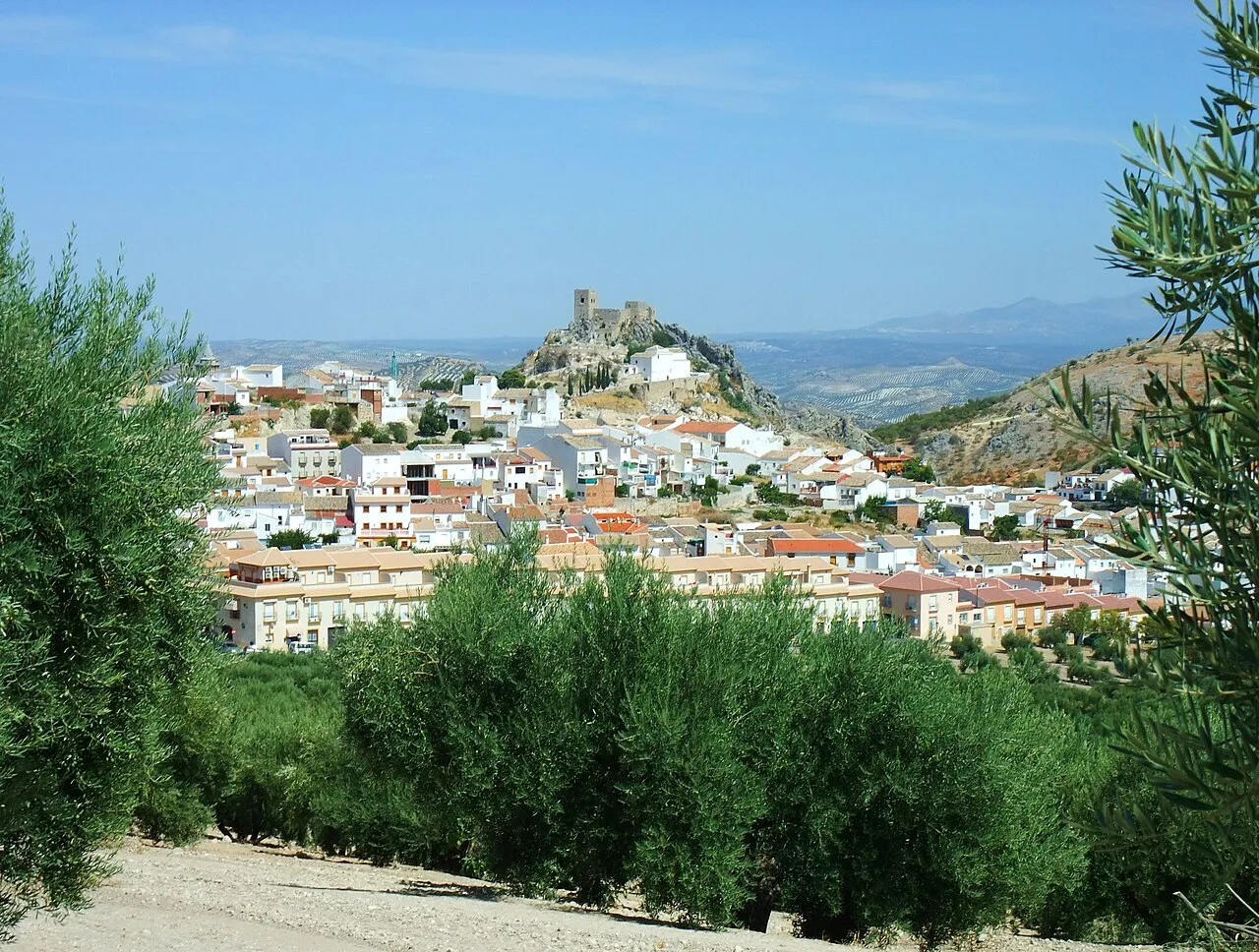
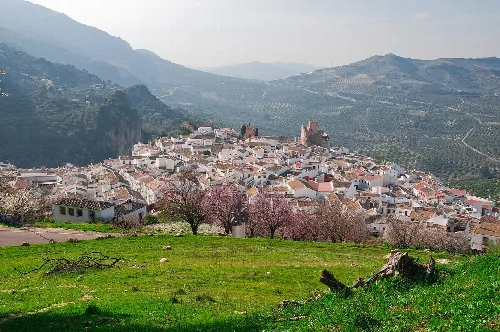
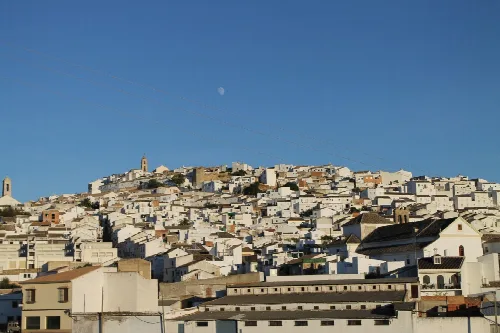
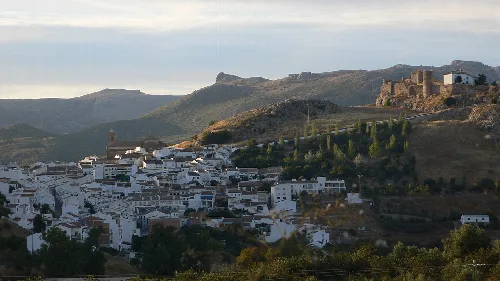
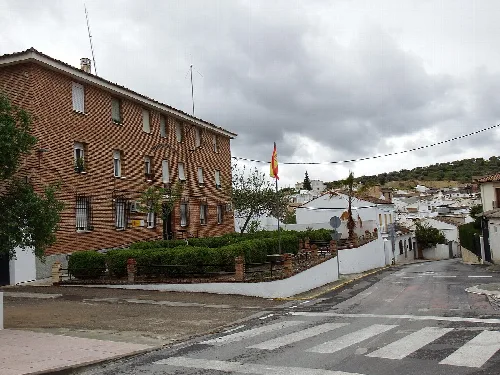
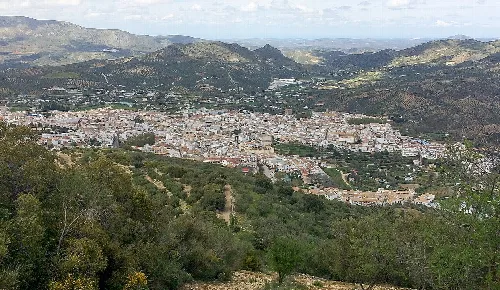
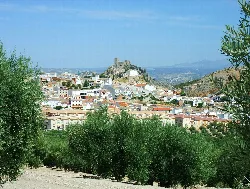
From the viewpoint in Luque, you can enjoy stunning panoramic views of the village and the surrounding countryside, characterized by its white streets and olive groves. The backdrop features the impressive Castillo de Luque, which dominates the landscape. This picturesque setting is perfect for photography and appreciating the natural beauty of the Sierra Subbética.
Sights
What is the history behind the Castillo de Luque?
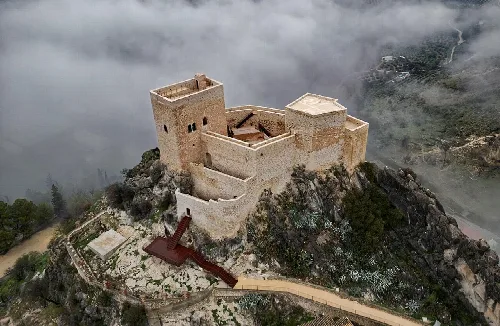
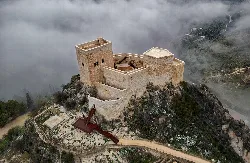
The Castillo de Luque, also known as 'el Venceaire', dates back to the 9th century. Originally built as a fortification during the Islamic period, it was later reconstructed under Nazarí influence. It has played a significant role in the region's history, being conquered by Fernando III in 1240. After extensive restoration, it reopened to the public in June 2024.
History
Castillo de Luque
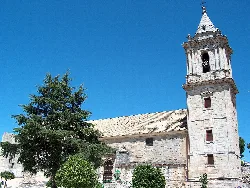
What is the significance of the Iglesia de Nuestra Señora de la Asunción?
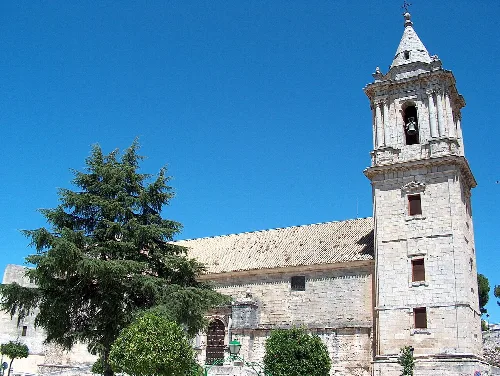
The Iglesia de Nuestra Señora de la Asunción, known as the 'Catedral de la Subbética', is a Renaissance church from the 16th century. It is notable for its grand architecture and numerous chapels. Declared a cultural heritage site in 1976, it reflects the artistic heritage of Luque and is a central place of worship for the community.
Sights
Iglesia de Nuestra Señora de la Asunción
Are there any natural parks near Luque?
Yes, Luque serves as the northern gateway to the Parque Natural de las Sierras Subbéticas, a UNESCO Geopark. This area is known for its stunning landscapes, diverse flora and fauna, and opportunities for outdoor activities like hiking and birdwatching, especially around the Laguna del Salobral, a vital wetland for migratory birds.
Nature
What traditional foods should I try in Luque?
When visiting Luque, be sure to try local specialties like olive oil, which is a cornerstone of the region's cuisine. You can also enjoy traditional sweets such as roscones de piñonate, gajorros, and pestiños. The Ruta de la Tapa, held in late September, is a great opportunity to sample various dishes at local bars and restaurants.
Food & drink
What is the Semana Santa like in Luque?
Semana Santa in Luque is one of the oldest in the province, featuring processions that begin on Palm Sunday and continue until Easter Sunday. The town's beautiful white streets and decorated facades enhance the solemnity of the events, which are marked by deep local devotion and participation from various brotherhoods.
Festivals & events
What are the main economic activities in Luque?
The economy of Luque is primarily agrarian, with a strong focus on olive cultivation. This has led to the production of high-quality olive oil, recognized under the Denominación de Origen Baena. The agricultural sector plays a crucial role in the local economy, sustaining the community and contributing to its cultural identity.
Living there
For residents
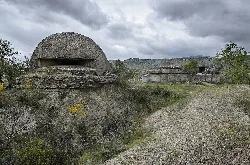
What can you tell me about the búnkeres in Luque?
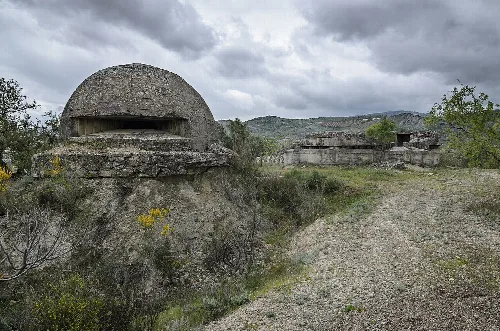
The búnkeres del Aceitunillo in Luque were constructed during the Spanish Civil War. They are located near the industrial area and are remnants of the conflict, offering insight into the historical context of the era. These bunkers can be visited, providing a unique glimpse into the past and the region's military history.
History
búnkeres del Aceitunillo
How do locals celebrate the Festival of the Cross in Luque?
During the Festival of the Cross, the Santísimo Cristo de la Vera Cruz is paraded from the Ermita de San Bartolomé through the streets. The community decorates crosses in various neighborhoods, engaging in activities to raise funds for local brotherhoods. This vibrant celebration reflects the town's cultural and religious traditions.
Festivals & events
For residents
What is the Laguna del Salobral known for?
The Laguna del Salobral is recognized as one of the largest shallow lagoons in Córdoba province. It is an important wetland that attracts numerous migratory bird species, including flamingos, especially during the rainy season. The lagoon is a protected natural area, making it a great spot for birdwatching and enjoying nature.
Nature
Laguna del Salobral
 espana.net