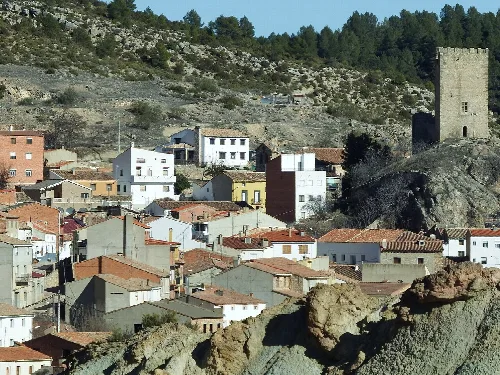
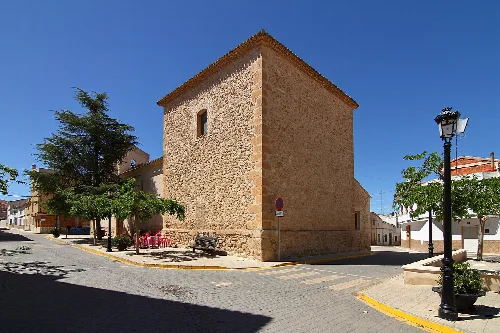
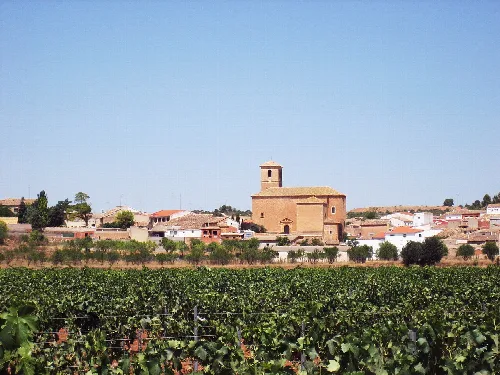
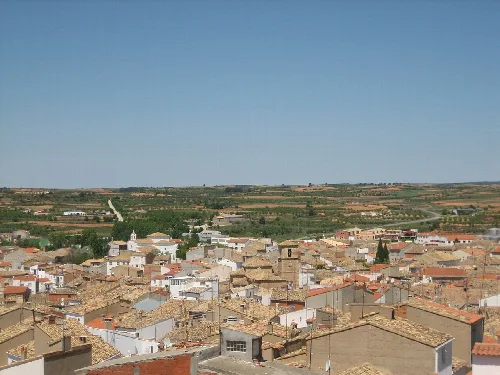
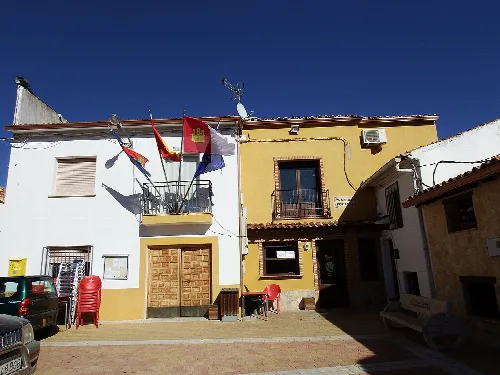
Enguídanos is a municipality located in the province of Cuenca, within the autonomous community of Castilla–La Mancha. Nestled in the Serranía Baja region, it is characterized by its rich historical heritage and natural beauty, particularly the stunning Chorreras del Cabriel.
02Geography
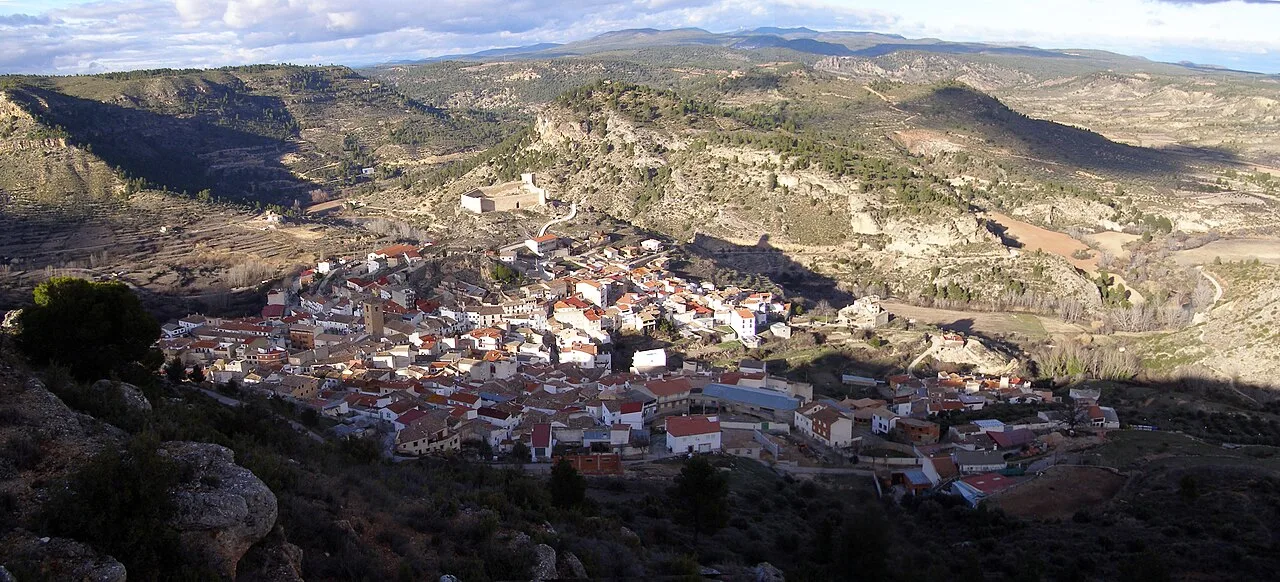
Enguídanos is situated in the Serranía Baja of Cuenca, near the river Cabriel. The town is perched at an elevation of 774 meters and is surrounded by rugged mountains, offering a dramatic landscape. The nearest coastal point is located approximately 122.14 km away in Valencia.
Distance to coast
122.14 km
Nearest city
Cuenca, 85 km away
Nearby rivers
Cabriel, Guadazaón, Narboneta, San Martín, Mira
03History
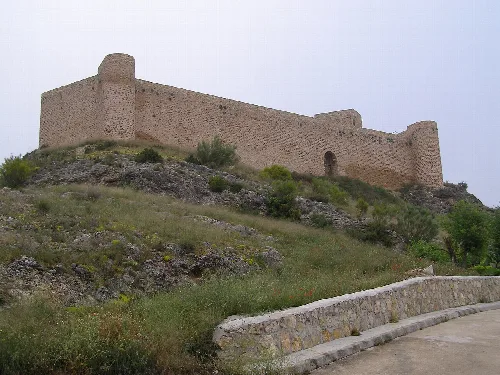
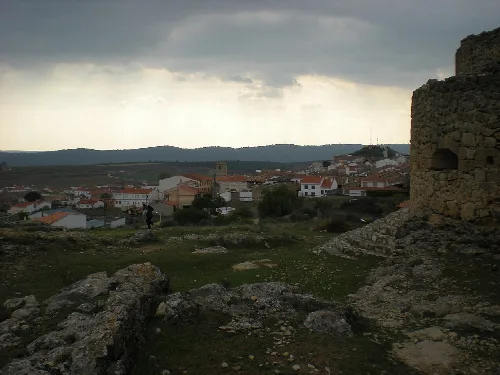
The history of Enguídanos dates back to ancient times, with significant Celtic and Iberian settlements. The town's medieval period was marked by the construction of a castle in the 11th century, which later became a strategic point during the Christian reconquest led by Alfonso VIII.
11th century Castle built by Arabs.
1177 Conquered by Alfonso VIII.
1555 Granted the status of villa.
2019 Chorreras del Cabriel declared a natural monument.
Enguídanos is a historic municipality in Cuenca, Castilla–La Mancha, known for its natural beauty and rich heritage.
04Natural Attractions
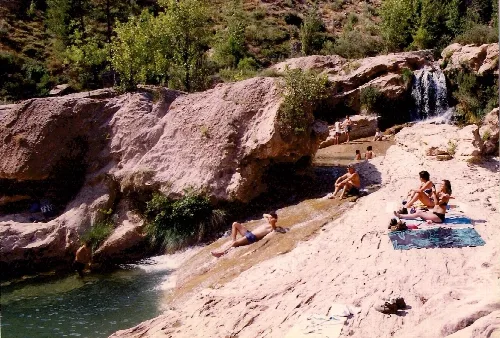
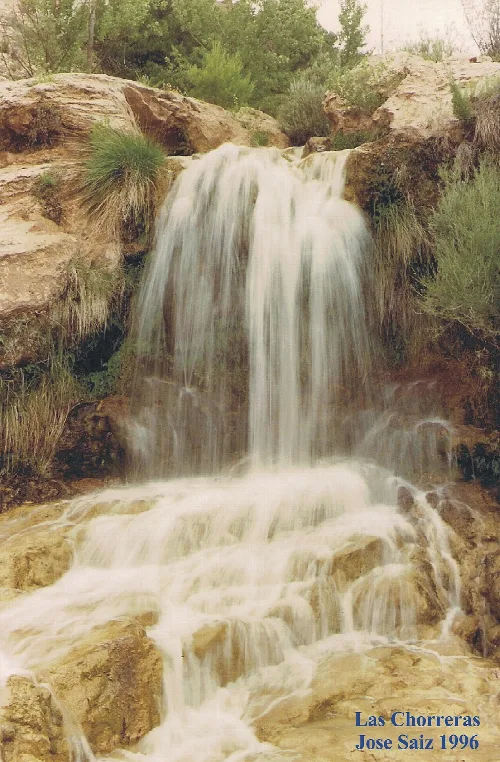
Enguídanos is renowned for its natural beauty, particularly the Chorreras del Cabriel, a series of stunning waterfalls and natural pools formed by the Cabriel River. This area has become a focal point for tourism and outdoor activities.
Natural monument designation
June 18, 2019
Key natural features
Waterfalls, natural pools, and diverse wildlife.
Main river
Cabriel
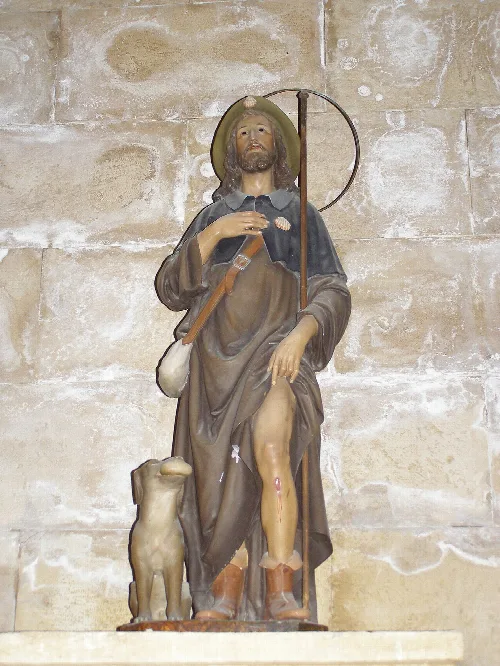
Statue of Saint Roch, the patron of Enguídanos, with his dog, inside a church in Cuenca.People relaxing on rocks and in the water at Las Chorreras, Enguídanos, Cuenca, with greenery and waterfalls in the background
05Economy and Daily Life
The local economy of Enguídanos is primarily based on agriculture, with traditional crops such as vineyards, almonds, and olives. The region also supports limited livestock farming, and the natural resources contribute to its economic activities.
Main agricultural products Vineyards, almonds, olives.
Livestock Limited due to urban migration.
Hunting areas More than seven small game reserves.
06Cultural Heritage
Enguídanos boasts a rich cultural heritage, reflected in its historical architecture and local traditions. The town's coat of arms symbolizes its historical significance, featuring elements like a castle and representations of its waterways.
Coat of arms elements Castle, red vase, blue waves.
Local festival Keltiber, celebrated on October 12.
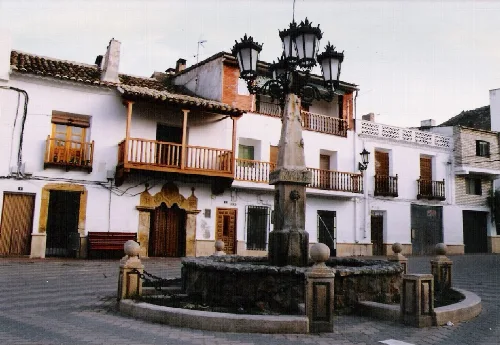
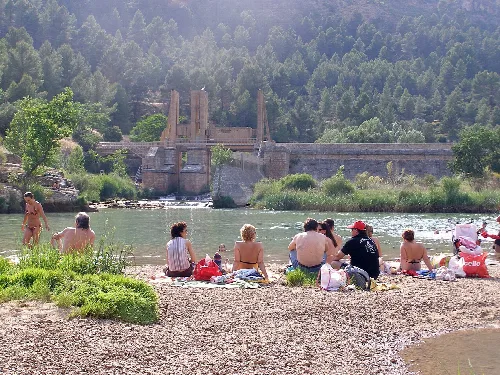
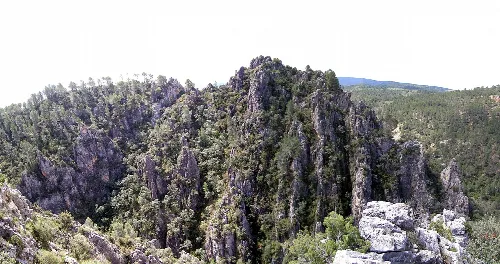
The square of Enguídanos in Cuenca, with a fountain and traditional street lamps in the center.People enjoying the beach near the Lastra dam in Enguídanos, with trees and a dam structure in the background.11th-century castle on a hilltop in Enguídanos, Cuenca.The Castil de Olivas in Enguídanos, with Jurassic rock formations and surrounding vegetation.Main waterfall of Las Chorreras in Enguídanos, Cuenca, with water flowing over rocks and plants.
Frequently asked questions
What can you tell me about the history of Enguídanos?
Enguídanos has a rich history dating back to the Celtiberian era, with significant developments during the Middle Ages, including the construction of its castle in the 11th century by Arabs. It was later conquered by Alfonso VIII of Castile in 1177. In 1555, it gained the status of a villa, marking its importance in the region's history.
What is the significance of the Chorreras del Cabriel?
The Chorreras del Cabriel is a natural monument formed by waterfalls and crystal-clear pools along the Cabriel River. Declared a natural monument in 2019, it is a popular destination for tourists and showcases the area's stunning natural beauty.
Enguídanos features traditional Spanish cuisine, with local dishes often highlighting ingredients like fresh vegetables, meats, and fish from the nearby rivers. Local specialties may include game dishes, reflecting the area's rich hunting traditions.
Enguídanos hosts various local events, including the 'Keltiber' festival on October 12, celebrating its Celtic heritage. This event features traditional music, dances, and reenactments, drawing visitors interested in local culture and history.
Enguídanos can be accessed by road, located approximately 85 km from Cuenca and 164 km from Valencia. The nearest major cities provide good connectivity, making it relatively easy for visitors to reach this picturesque municipality.
Enguídanos has a small population of 274 residents as of 2025. The town has experienced significant depopulation in recent years, with many residents moving to larger cities for better opportunities, impacting its community dynamics.
What is the white building in the photo of Enguídanos?
The white building in the photo is likely part of the town's traditional architecture, which features whitewashed houses typical of the region. These buildings often reflect the historical and cultural influences of Enguídanos.
What can you tell me about the Plaza de Enguídanos?
The Plaza de Enguídanos serves as a central gathering place in the town, often featuring local events and social activities. Its charming architecture and fountain make it a pleasant spot for residents and visitors to relax and enjoy the atmosphere.
What outdoor activities are available in Enguídanos?
Enguídanos offers various outdoor activities, including hiking and exploring the natural beauty of the surrounding mountains and the Cabriel River. The Chorreras del Cabriel is a popular spot for swimming and enjoying nature.
What historical sites should I visit in Enguídanos?
Visitors to Enguídanos should not miss the historic castle built in the 11th century, which offers insights into the town's medieval past. Additionally, exploring the archaeological site at Cabeza Moya can provide a glimpse into the area's ancient history.
 espana.net