Moya is a municipality located in the province of Cuenca, within the autonomous community of Castilla–La Mancha. It is characterized by its historical significance as the heart of the Marquesado de Moya and its picturesque ruins that reflect its medieval past.
02Geography
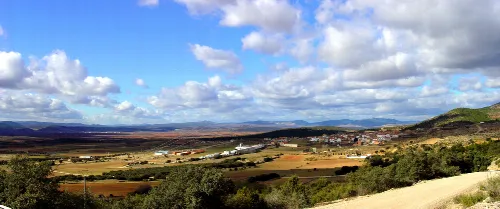
Moya is situated in the northeastern part of Cuenca province, forming part of the Serranía Baja comarca. The main village, Santo Domingo de Moya, is connected by the N-330 road, which facilitates access to nearby areas such as Landete and Casas de Garcimolina. The municipality features a rugged landscape, with elevations ranging from 660 m at the river Turia to 1266 m at Cerro de la Tasonera.
Distance to Cuenca
106 km
Altitude of the village
1019 m
Altitude of the castle ruins
1149 m
03History
Archaeological excavations indicate that Moya was settled during the Middle Bronze Age, with evidence of habitation continuing into the Iron Age. The town was populated by Alfonso VIII in 1210, and later became a significant site for the Order of Santiago. Over the centuries, Moya experienced various political changes, including its elevation to a marquisate in 1480.
1210 Moya populated by Alfonso VIII.
1215 Enrique I grants the villa to the Order of Santiago.
1319 Moya declared a royal estate.
1480 Moya elevated to marquisate.
1808 Moya becomes a center of resistance against Napoleon.
Moya, a municipality in Cuenca, is known for its historical ruins and rich cultural heritage.
04Sights
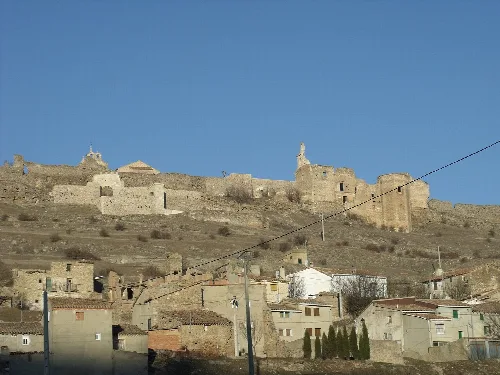
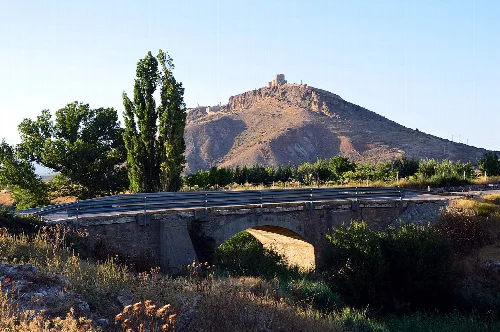
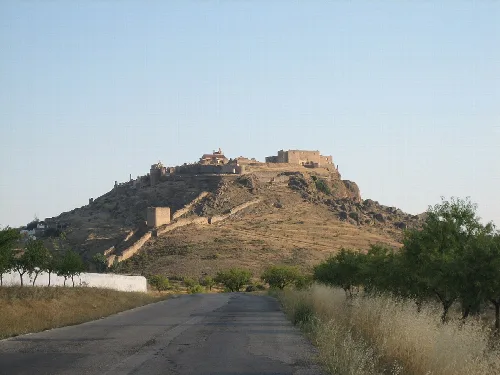
The Ruins of Moya, declared a historical-artistic monument in 1982, are a significant archaeological site that showcases the remnants of a medieval city. The ruins are surrounded by five walled enclosures and include several churches, the town hall, and the castle, all of which reflect the town's historical importance.
Main churches Iglesia de Santa María, Iglesia de la Trinidad, Iglesia de San Miguel.
Castle location At the southern end of the hill.
Defensive structures Includes Torre del Agua and Torre de San Roque.
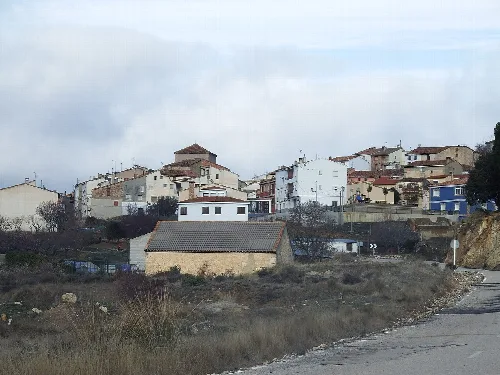
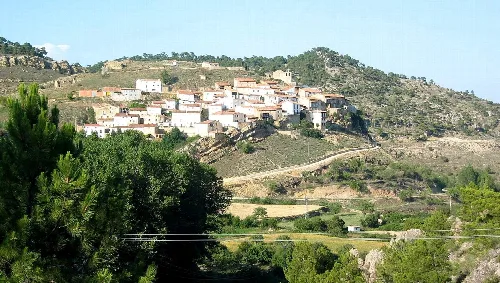
View of Moya town from the Arrabal, showing its old walls and buildings on the hill.Northern view of Moya hill from Santo Domingo cemetery, with details of La Coracha.
05Festivals and Traditions
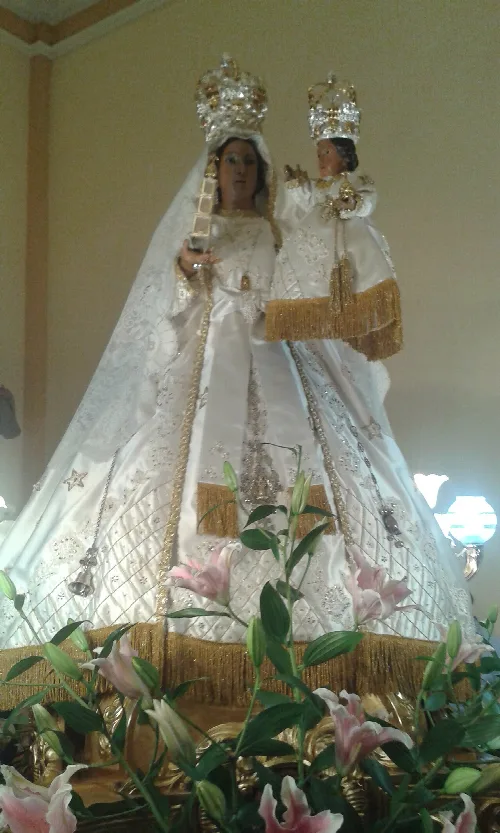
Despite a decline in population leading to the loss of many traditions, Moya still celebrates two significant festivals: El Septenario, recognized as a Festival of Tourist Interest in Castilla-La Mancha, and El Cristo de la Caída. Historically, the village hosted numerous religious festivities organized by local brotherhoods.
Current festivals El Septenario, El Cristo de la Caída.
Historical significance Numerous religious festivals were held when seven churches were operational.
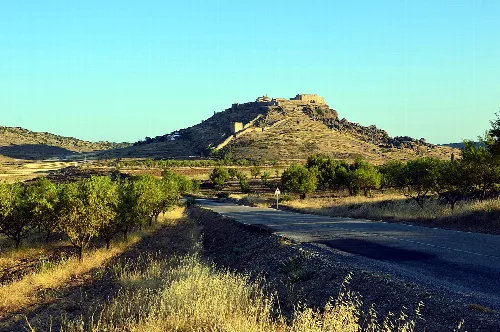
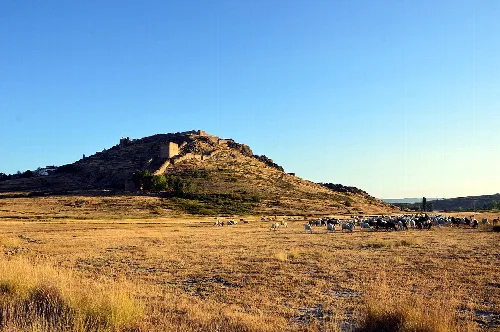
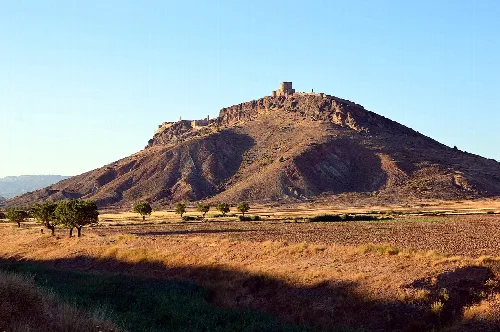
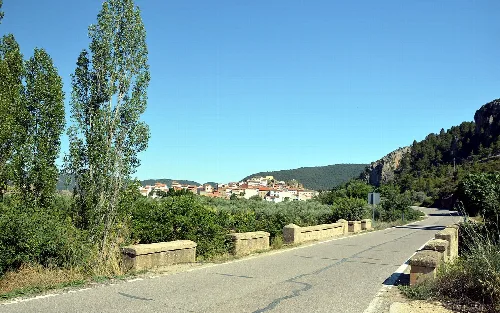
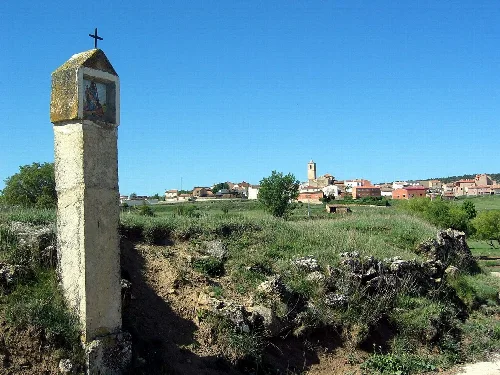
Northern view of Moya hill in Cuenca from the Santo Domingo road, with details of La Coracha.Southern view of Moya hill from the Ojos de Moya river in Cuenca.View of Moya hill in Cuenca with remains of an ancient fortress at the top.View of Moya Castle from the Santo Domingo de Moya road in Cuenca
Frequently asked questions
What can you tell me about the history of Moya?
Moya has a rich history dating back to the Middle Bronze Age, with evidence of settlement around 1500 BC. It was populated by Alfonso VIII in 1210 and later became a marquisate in 1480. The town has seen various rulers and conflicts, including resistance against the French during the Peninsular War and participation in the Carlist Wars.
Key sights in Moya include the ruins of the medieval city, featuring five walled enclosures and several churches, such as the church of Santa María and the church of San Miguel. The Castillo de Moya, situated on a hill, offers stunning views and historical significance as part of the town's heritage.
El Septenario is one of the traditional festivals celebrated in Moya, recognized as a Festival of Tourist Interest in Castilla-La Mancha. This event reflects the town's historical and cultural heritage, although many traditions have faded over time due to population decline.
The Castillo de Moya is a historical landmark situated on a hill, offering a glimpse into the town's medieval past. It was part of the defensive structures surrounding the town and played a significant role in the region's history, particularly during the reconquest and later conflicts.
How do residents of Moya celebrate their traditions?
Residents of Moya celebrate their traditions through festivals like El Septenario and El Cristo de la Caída. These events, though fewer than in the past, reflect the community's cultural identity and historical roots, often involving religious observances and local customs.
La Coracha is a defensive structure associated with the Castillo de Moya. It features two towers, the Torre del Agua and the Torre de San Roque, and was crucial for water supply and defense during the medieval period, showcasing the strategic importance of the site.
Moya is located in the Serranía Baja region, characterized by its rugged terrain and elevation, with the town sitting at 1019 m above sea level. The area is traversed by the N-330 road, and the landscape includes hills and the river Algarra, contributing to its scenic beauty.
Moya has a small population of 133 residents as of 2025. The town has experienced significant depopulation over the years, with many inhabitants moving to urban areas, which has led to a decline in cultural practices and community activities.
While specific culinary offerings are not detailed, traditional Spanish cuisine in small towns like Moya often features local ingredients and recipes. Expect hearty meals, possibly including regional specialties, reflecting the agricultural heritage of the area.
Moya is composed of several neighborhoods, including El Arrabal de Moya, Santo Domingo de Moya, Los Huertos de Moya, and Pedro Izquierdo de Moya. Each area has its unique characteristics and contributes to the overall community structure of the municipality.
 espana.net