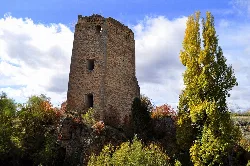
What can you tell me about the Torreón de Despeñaperros in Priego?
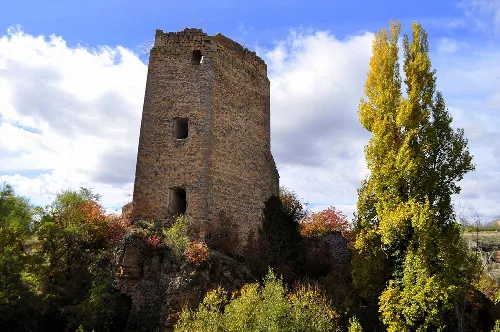
The Torreón de Despeñaperros is the only remaining tower from a former Arab fortress in Priego. It has a prism shape and is quite deteriorated, representing the last vestige of a once larger structure. Legend has it that a cave beneath the tower, known as 'Cueva de la Mora', was home to a princess turned serpent. This historic site welcomes visitors arriving from Cuenca and Madrid.
History
Torreón de Despeñaperros
What is the significance of the Iglesia de San Nicolás de Bari?
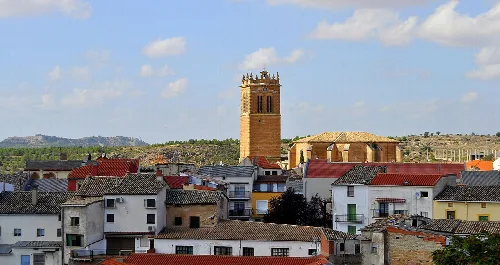
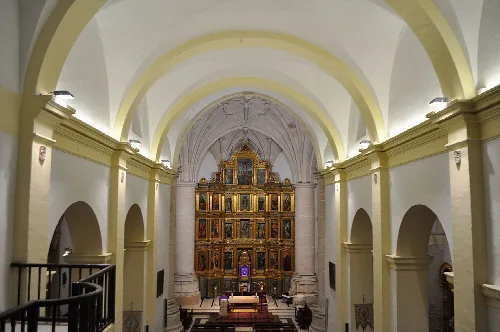
The Iglesia de San Nicolás de Bari is a prominent late Gothic building from the 16th century, constructed in 1540. It features impressive pillars supporting complex ribbed vaults and a striking Renaissance tower over 30 meters tall. The church houses significant artworks, including wooden sculptures and paintings. It also contains the chapel of the Virgen de la Torre, the town's patron saint.
Sights
Iglesia de San Nicolás de Bari
What activities can I enjoy near the Río Escabas?
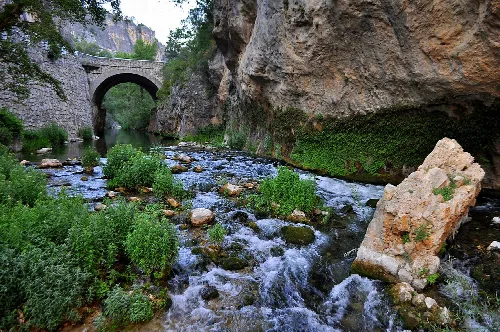
The Río Escabas offers a variety of activities, including hiking and enjoying the natural scenery. The area features a rich ecosystem with diverse flora and fauna, making it perfect for nature lovers. Additionally, the nearby Estrecho de Priego provides opportunities for adventure sports, including a via ferrata that has become a popular attraction since its installation in 2016.
Nature
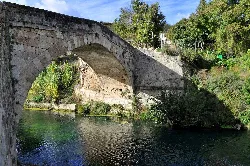
What is the history behind the Puente Liende?
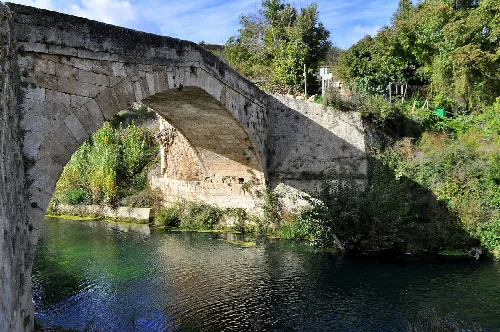
The Puente Liende dates back to the 16th century, commissioned by Carlos V. Historical documents indicate that it was constructed to connect local communities by contributing to its building. The bridge features a single arch that spans the Río Escabas, standing 8 meters high. It is a picturesque spot, complete with a recreational area and a small natural beach.
History
Puente Liende
Are there any local festivals in Priego?
Priego celebrates the 'Procesión de las Reverencias' on Easter Sunday, a unique event where the Resurrected Christ is replaced by the Custody, which meets the Virgin of the Tower. This tradition dates back to a privilege granted to the town by Pope Pío V after the Battle of Lepanto, making it an important cultural event for the community.
Festivals & events
What wildlife can I expect to see around Priego?
Priego is home to a variety of wildlife due to its rich natural surroundings. Visitors may encounter deer, wild boars, foxes, and rabbits. The area is also known for its birdlife, including griffon vultures and Bonelli's eagles, particularly around the cliffs of the Estrecho de Priego, making it a great spot for birdwatching.
Nature
What are some traditional crafts in Priego?
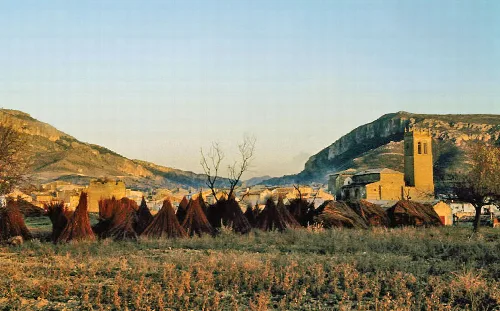
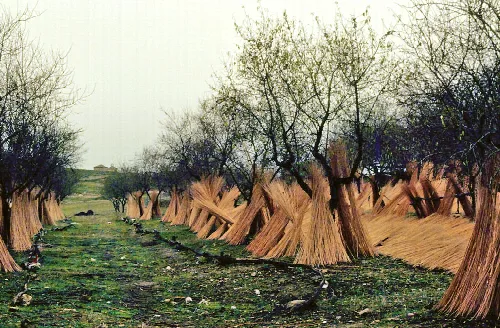
Priego is known for its traditional crafts, particularly pottery and wickerwork. These crafts have historical significance for the community, with some workshops still operating today. Visitors can learn about the pottery-making process that has sustained many families in the town over the years, reflecting Priego's cultural heritage.
Living there
For residents
How has the economy of Priego changed over the years?
Priego's economy has shifted from traditional agriculture and livestock to a focus on services and construction in recent decades. While tourism has become a key economic driver, especially during summer and autumn, the town also maintains a variety of local services, including shops, restaurants, and accommodations, catering to visitors and residents alike.
Living there
For residents
What is the landscape like around Priego?
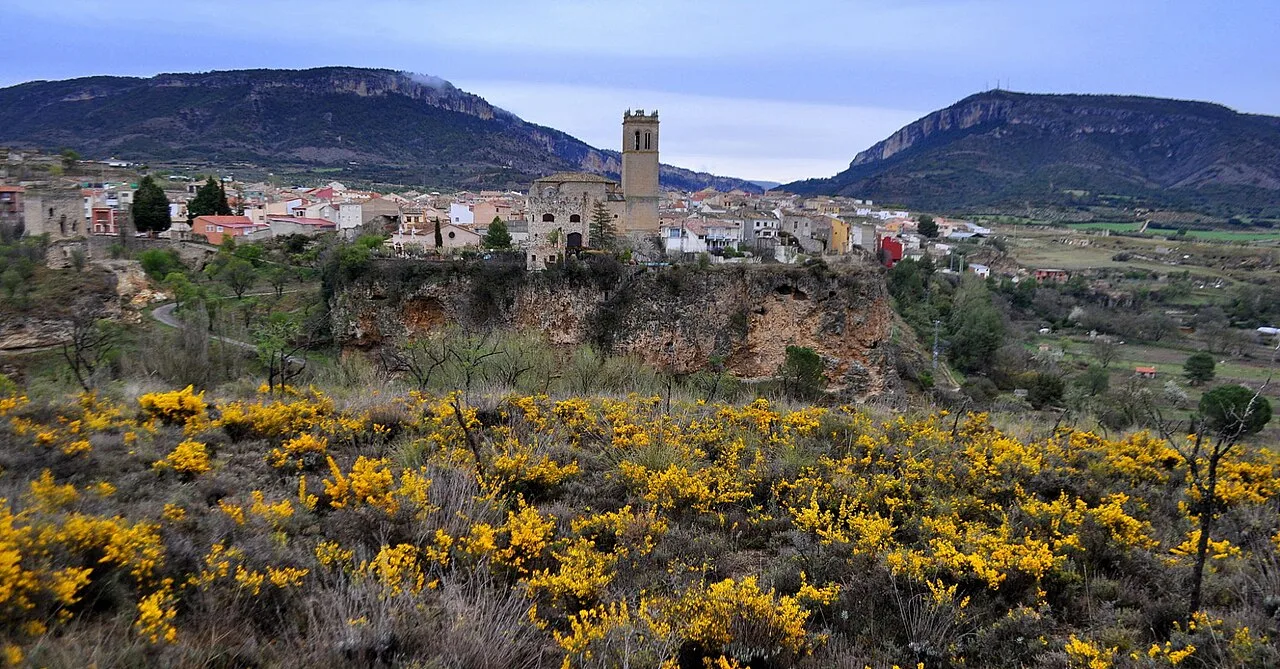
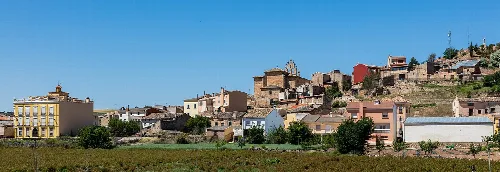
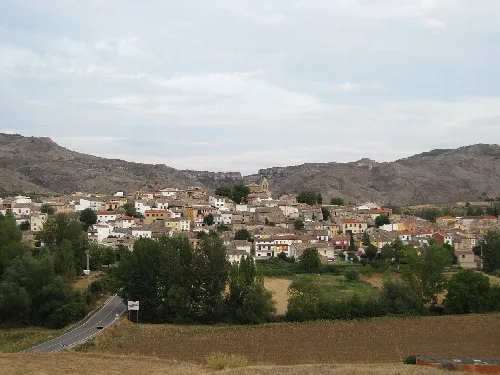
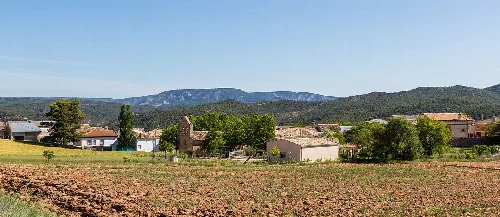
Priego is situated between the Serranía and Alcarria, featuring diverse landscapes that include mountains, rivers, and fertile plains. The area is characterized by the impressive sierras of Rodenal and Valseco, and the Río Escabas flows through the Estrecho de Priego, creating stunning natural scenery and habitats for various wildlife species.
Nature
What can you tell me about the Convento del Rosal?
The Convento del Rosal, built in 1525, was founded by Diego Carrillo de Mendoza. Although now in ruins, its Gothic church and remnants of the cloister can still be seen. The convent is steeped in local legend, particularly about a miraculous rosebush that thrived in winter. It reflects the religious and historical significance of the area.
History
Convento del Rosal
 espana.net