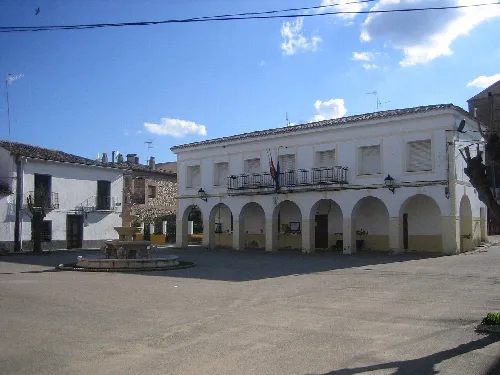
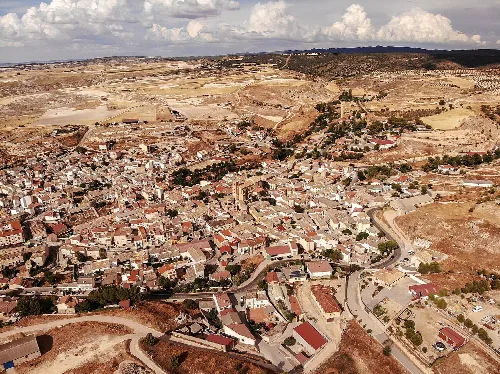
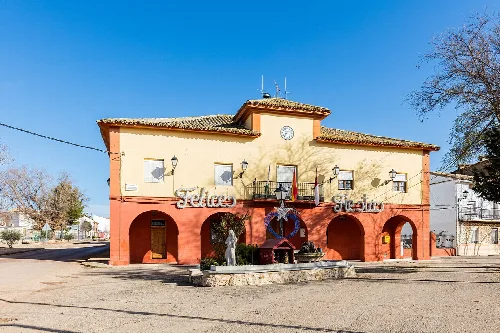
Vellisca is a municipality located in the province of Cuenca, within the autonomous community of Castilla–La Mancha. Nestled on the eastern slope of the Sierra de Altomira, it features a rich natural landscape and a small population of 128 residents.
02Geography
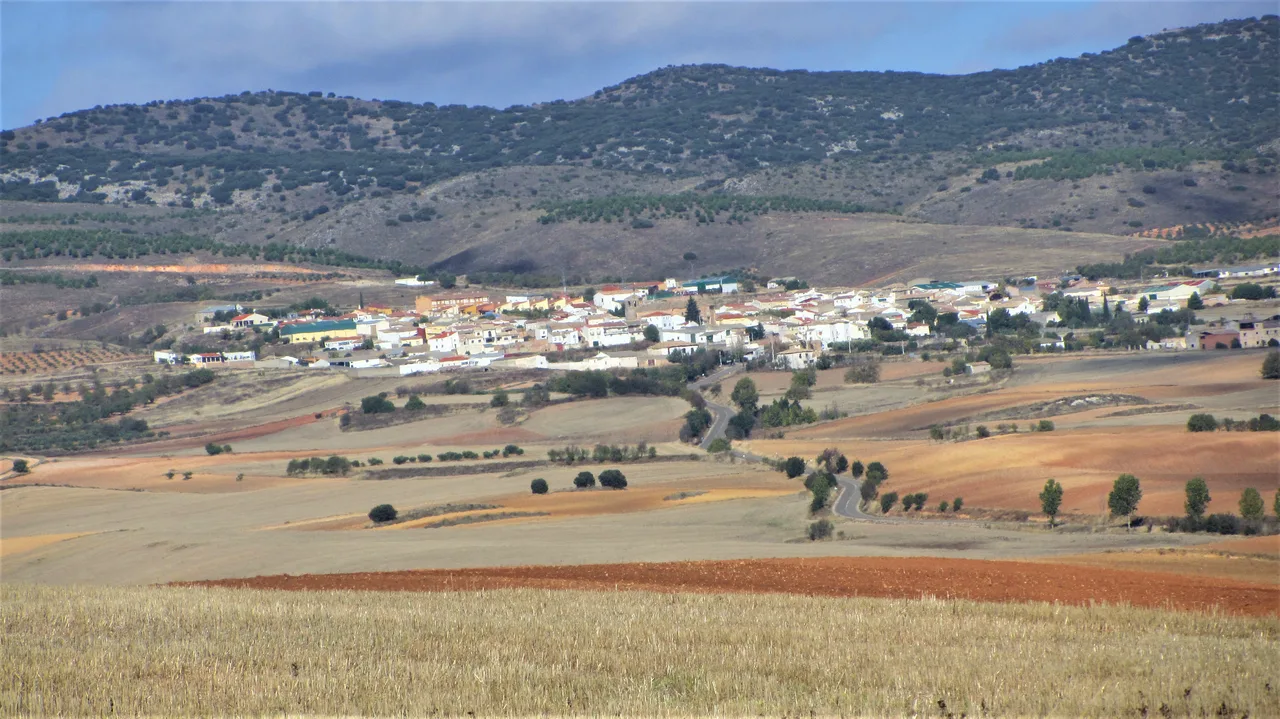
Vellisca is situated at the eastern foothills of the Sierra de Altomira, in the Alcarria region of Cuenca. The municipality is characterized by its diverse landscapes, including high plateaus and river valleys, with the Riánsares River originating within its boundaries. It is surrounded by several localities and is approximately 69 km from Cuenca and 120 km from Madrid.
Patron saint
San Bartolomé
Climate
Mediterranean continental
Average annual temperature
14 °C
Annual precipitation
500 mm
03History
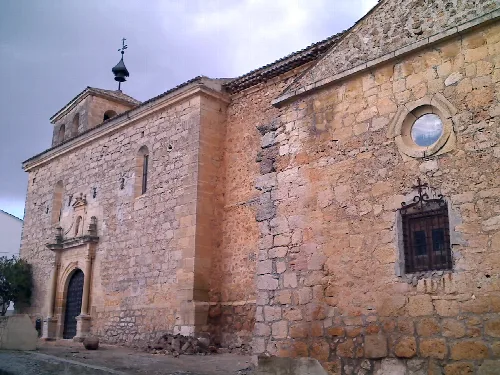
The origins of Vellisca date back to its mention in 1224, with a history that includes its establishment as a village in 1558 under King Felipe II. The area has seen various historical developments, including the construction of the parish church of Nuestra Señora de la Asunción, which began in the late 14th century and was completed in the early 20th century.
1558 Vellisca granted the status of a village by King Felipe II.
1646 Creation of the title of marqués de Vellisca.
1834 Included in the judicial district of Tarancón.
1885 Official inauguration of the Vellisca railway station.
1976 Crash of a Boeing 747 in the vicinity.
Vellisca is a small municipality in Cuenca, Castilla–La Mancha, known for its natural beauty and historical significance.
04Economy
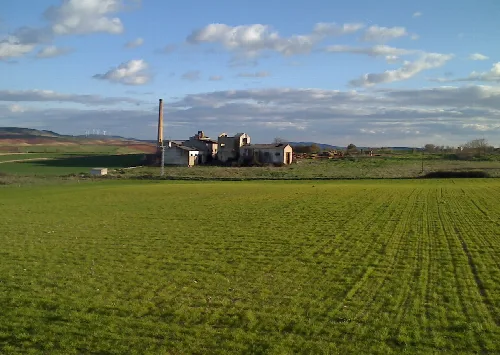
The economy of Vellisca primarily revolves around agriculture, with about 80% of the active population engaged in this sector. The region produces a variety of crops, including cereals, legumes, and fruits, and is known for its olive oil production, particularly from the local Verdeja variety.
Main agricultural products Cereals, legumes, fruits, and vegetables.
Olive oil production Extra virgin olive oil with Alcarria designation.
Percentage in agriculture 80% of the active population.
Secondary sector employment Approximately 15%.
Tertiary sector employment Approximately 5%.
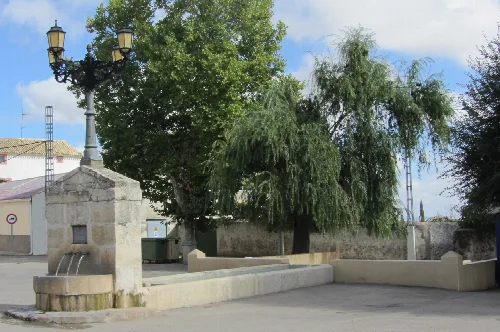
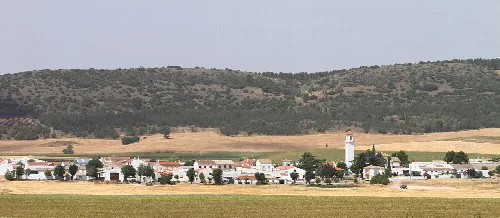
Panoramic view of Vellisca with the Altomira Sierra in the background, within a protected Natura 2000 site.Stone fountain built in 1874 in Vellisca, Cuenca, with trough and washbasin, surrounded by trees and an old lamp post.
05Culture and Festivals
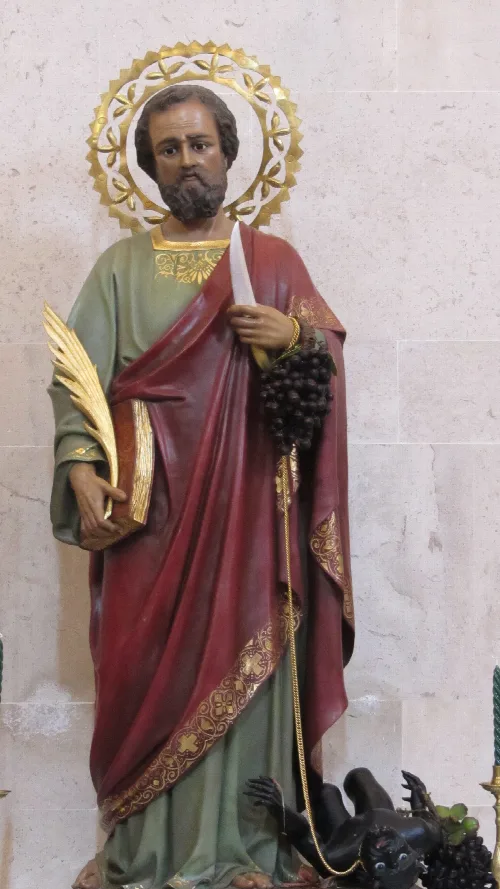
Vellisca hosts several local festivals throughout the year, reflecting its cultural heritage and traditions. The town celebrates its patron saint, San Bartolomé, with major festivities in August, along with other religious observances throughout the year.
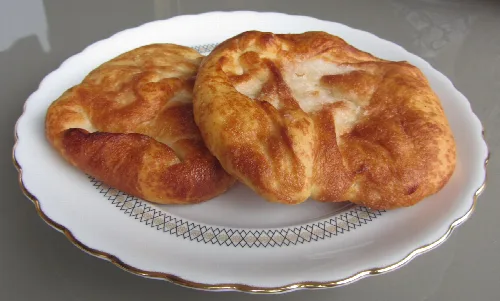
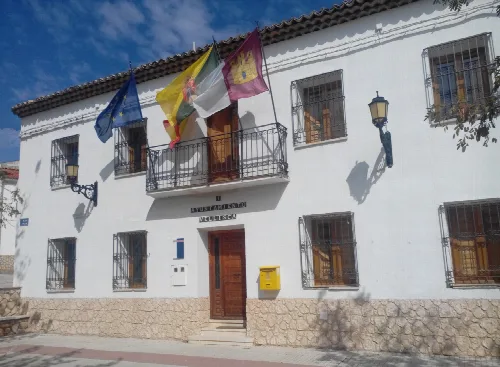
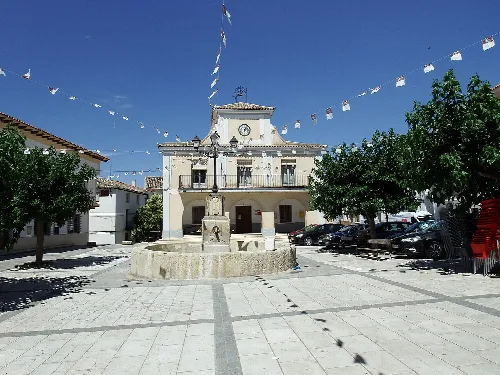
Traditional 'borracho' sponge cakes from Vellisca, Cuenca, on a white plate.Vellisca town hall in Cuenca province with flags on the balcony.Cultivated fields with an old oil and soap factory in Vellisca, Cuenca, under a partly cloudy sky.Statue of Saint Bartholomew in the Church of Our Lady of the Assumption in Vellisca, with detailed clothing and religious attributes.Church of Our Lady of the Assumption in Vellisca, built in the 14th century in Romanesque style.
Frequently asked questions
How do I get to Vellisca from Cuenca?
To reach Vellisca from Cuenca, take the A-40 highway and then divert onto the CM-2000 at Carrascosa del Campo. The journey covers approximately 69 km. Vellisca is nestled on the eastern slope of the Sierra de Altomira, making for a scenic drive.
The Sierra de Altomira is a protected natural area within the Natura 2000 network, featuring diverse flora such as pines, sabinas, and encinas. It's also a habitat for various bird species, making it ideal for nature lovers and birdwatchers.
The Church of Nuestra Señora de la Asunción in Vellisca began construction in the late 14th century, with its first expansion in the 15th century. It features a single nave and gothic vaults, reflecting the town's historical architecture and significance.
The Fuente de Vellisca is a stone fountain built in 1874, featuring three spouts. It has historically provided water to the village and includes a wash area and a trough for livestock, showcasing the town's agricultural heritage.
What are the main festivals celebrated in Vellisca?
Vellisca hosts several key festivals, including San Antón on January 17, Virgen de la Paz on January 24, and the major celebration for San Bartolomé on August 24. These events reflect the town's cultural traditions and community spirit.
In Vellisca, you can enjoy traditional dishes such as ajoarriero, gazpachos galianos, and bizcocho borracho. The local cuisine emphasizes meat, particularly game, and features seasonal ingredients typical of the region.
Living in Vellisca offers a quiet rural lifestyle with a close-knit community of approximately 128 residents. The local economy is primarily agricultural, and the scenic surroundings provide opportunities for outdoor activities in nature.
What wildlife can I see in the Sierra de Altomira?
The Sierra de Altomira is home to a variety of wildlife, including birds of prey, partridges, hares, and wild boars. Its diverse ecosystems make it a great spot for observing both flora and fauna in their natural habitat.
What is the significance of the bizcocho borracho?
Bizcocho borracho is a traditional dessert from Vellisca, known for its rich flavor and moist texture. It is often enjoyed during local festivities and reflects the region's culinary heritage, making it a must-try for visitors.
What are the main economic activities in Vellisca?
The economy of Vellisca is mainly based on agriculture, with about 80% of the population engaged in this sector. The area produces various crops, including cereals and olives, and has a factory dedicated to producing organic olive oil.
 espana.net