What is the history behind the Iglesia de la Asunción in La Zubia?
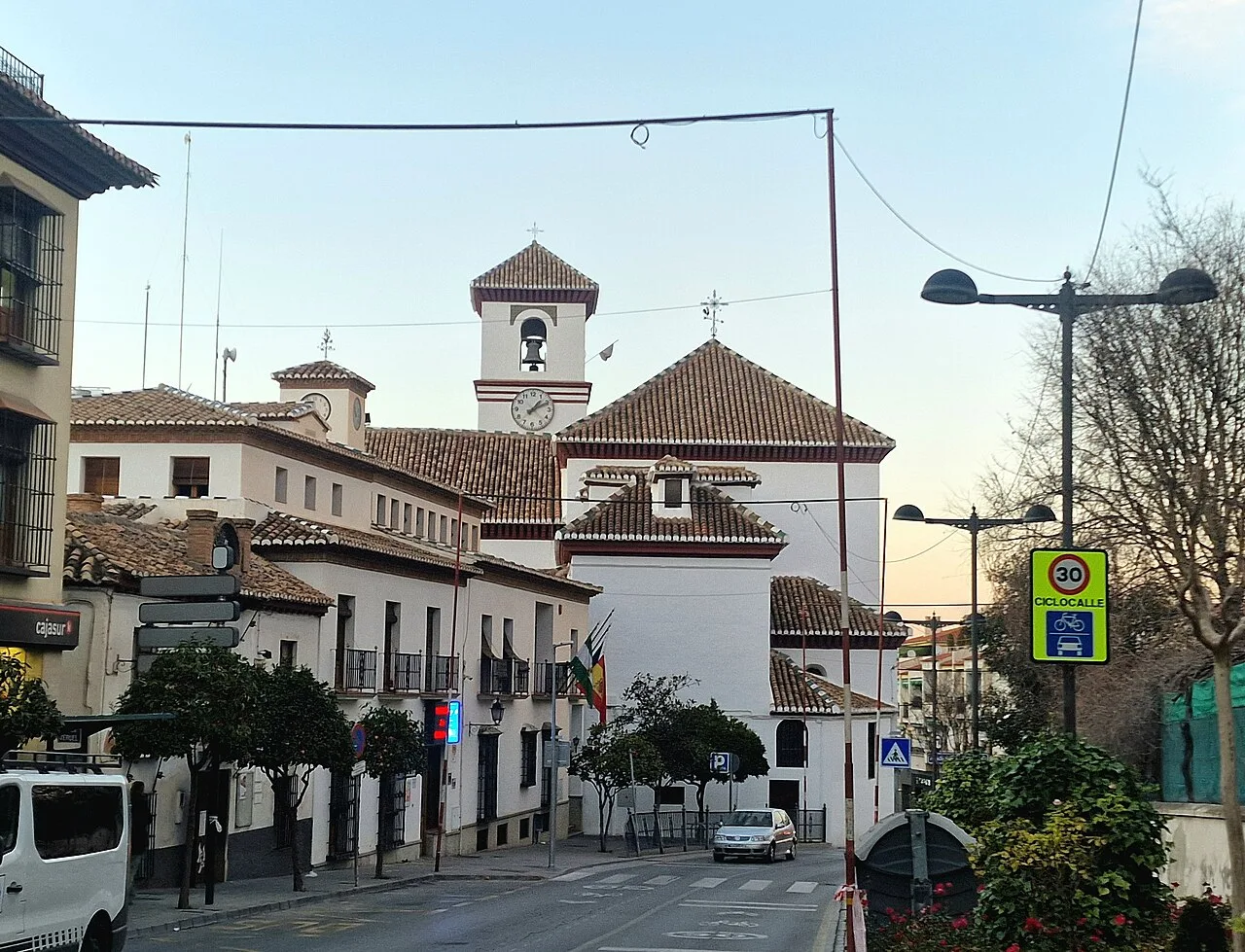
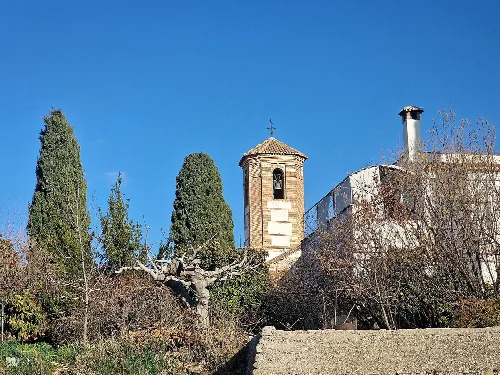
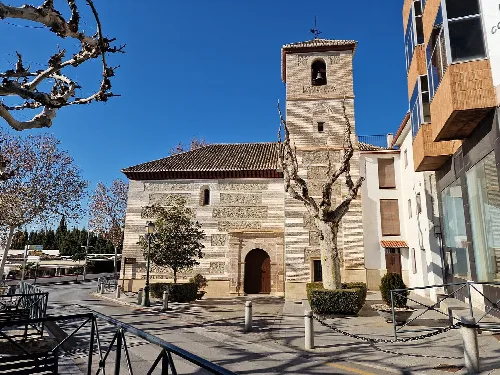
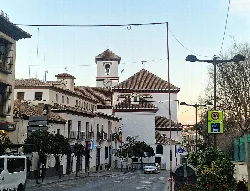
The Iglesia de la Asunción, built between the 16th and 18th centuries, is notable for its Mudéjar style and was erected over a former mosque. It features a main nave leading to a protobaroque retablo from 1614 and a striking octagonal dome. The church is a cultural landmark, showcasing a blend of historical influences and has been declared a site of cultural interest.
History
Iglesia de la Asunción
What events are celebrated during the fiestas patronales in La Zubia?
The fiestas patronales in La Zubia occur around May 16, honoring San Juan Nepomuceno. The festivities last four to five days, featuring various activities, concerts, and sports events. A solemn mass and procession with the patron's image through the town culminate in a fireworks display, making it a vibrant community celebration.
Festivals & events
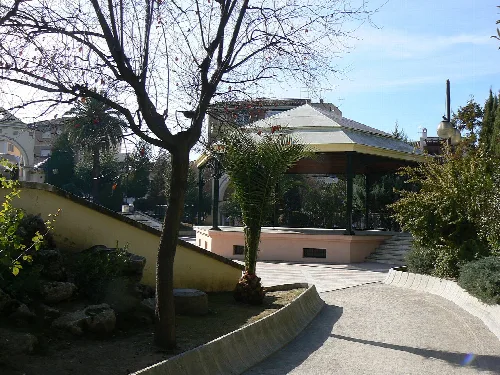
What can you tell me about the Templete de la Música in La Zubia?
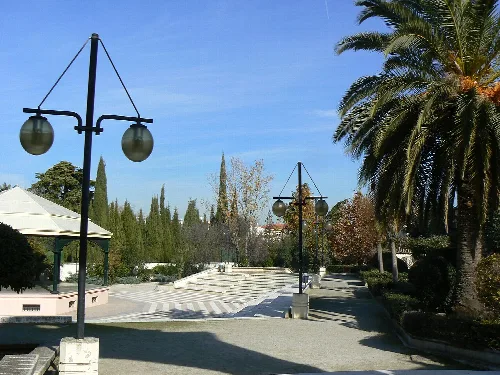
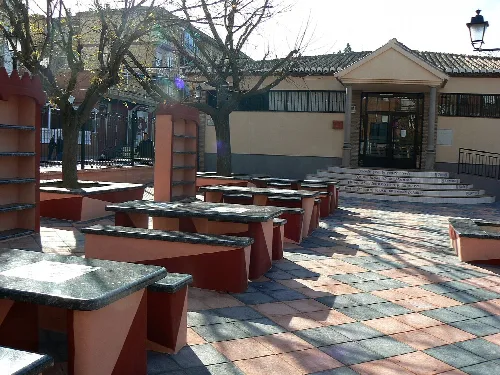
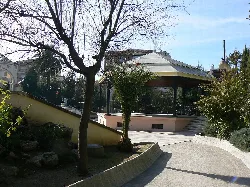
The Templete de la Música, located in Parque de La Encina, serves as a venue for concerts and municipal activities. It is a charming structure where the prestigious Orquesta Ciudad de Granada performs annually, enhancing the cultural life of La Zubia and providing a lovely space for community gatherings.
Sights
Templete de la Música
What are some traditional dishes to try in La Zubia?
La Zubia's gastronomy features local specialties such as habas fritas con jamón, migas de pan, and conejo al ajillo. On the Día de la Cruz, the traditional huevo and rosca are enjoyed. The area is also known for its delicious sweets, including roscos and pestiños, reflecting the rich culinary heritage of the region.
Food & drink
How does the Semana Santa celebration in La Zubia unfold?
Semana Santa in La Zubia begins on Palm Sunday with a procession of palms. The highlight is the Good Friday procession featuring Nuestro Padre Jesús Nazareno and Nuestra Señora de los Dolores, accompanied by music from the local band. This deeply rooted tradition showcases the community's devotion and cultural heritage.
Festivals & events
What is the significance of the Encina de La Zubia?
The Encina de La Zubia is a monumental tree over 700 years old, symbolizing the town's natural heritage. Located in the heart of La Zubia, it serves as a historical landmark and a gathering point for locals, embodying the community's connection to nature and its cultural identity.
Nature
What can residents expect from living in La Zubia?
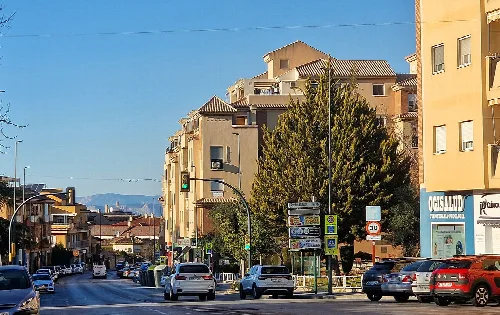
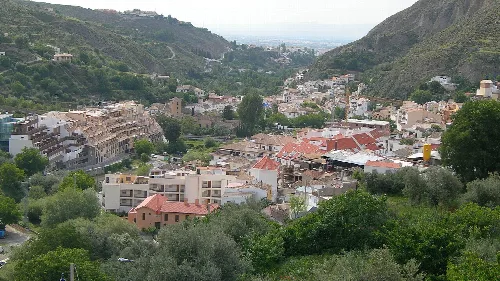
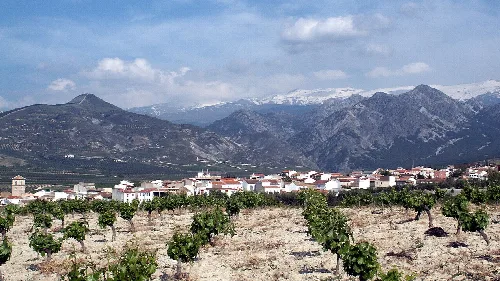
Living in La Zubia offers a blend of urban and natural environments, with proximity to Sierra Nevada and a vibrant community life. Residents enjoy local festivals, access to educational institutions, and recreational areas. The town's rich history and cultural events foster a strong sense of community among its 20,389 inhabitants.
Living there
For residents
What historical remnants are found from the Roman period in La Zubia?
La Zubia has remnants from the Roman period, including a villa from the 1st century with a significant archaeological site that features a complex of rooms and an almazara. An inscription on an altar, now repurposed, highlights the area's historical significance and connection to its Roman roots.
History
What is the Batalla de la Reina festival about?
The Batalla de la Reina festival, held in early March, commemorates a historical battle during the Reconquista. The event features a medieval market, activities, and a reenactment of the battle, engaging the community in celebrating La Zubia's rich history and cultural heritage.
Festivals & events
What are the main neighborhoods in La Zubia?
La Zubia comprises several neighborhoods, including Molino, Hondillo, and San Antonio. Each area has its unique character and often hosts local festivals. The neighborhoods reflect the town's cultural diversity and historical significance, contributing to the vibrant community life in La Zubia.
Living there
For residents
 espana.net