espana.net
 Ciriaco Vázquez, CC BY-SA 4.0
Castilla–La Mancha
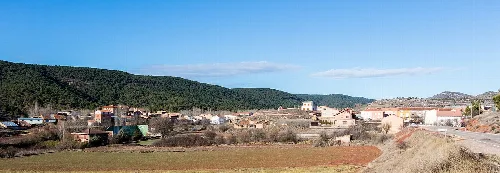
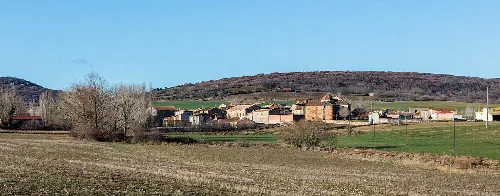
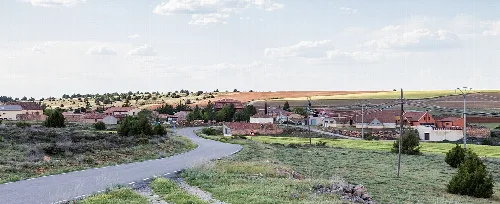
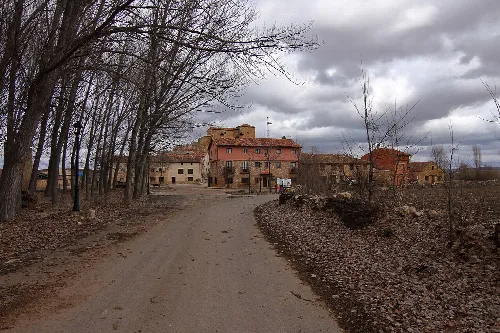
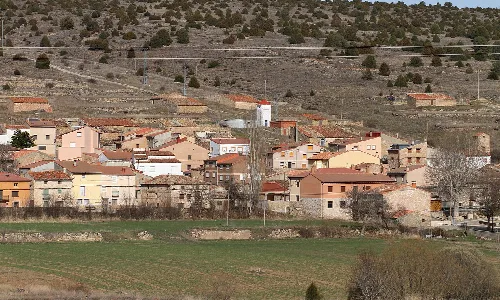
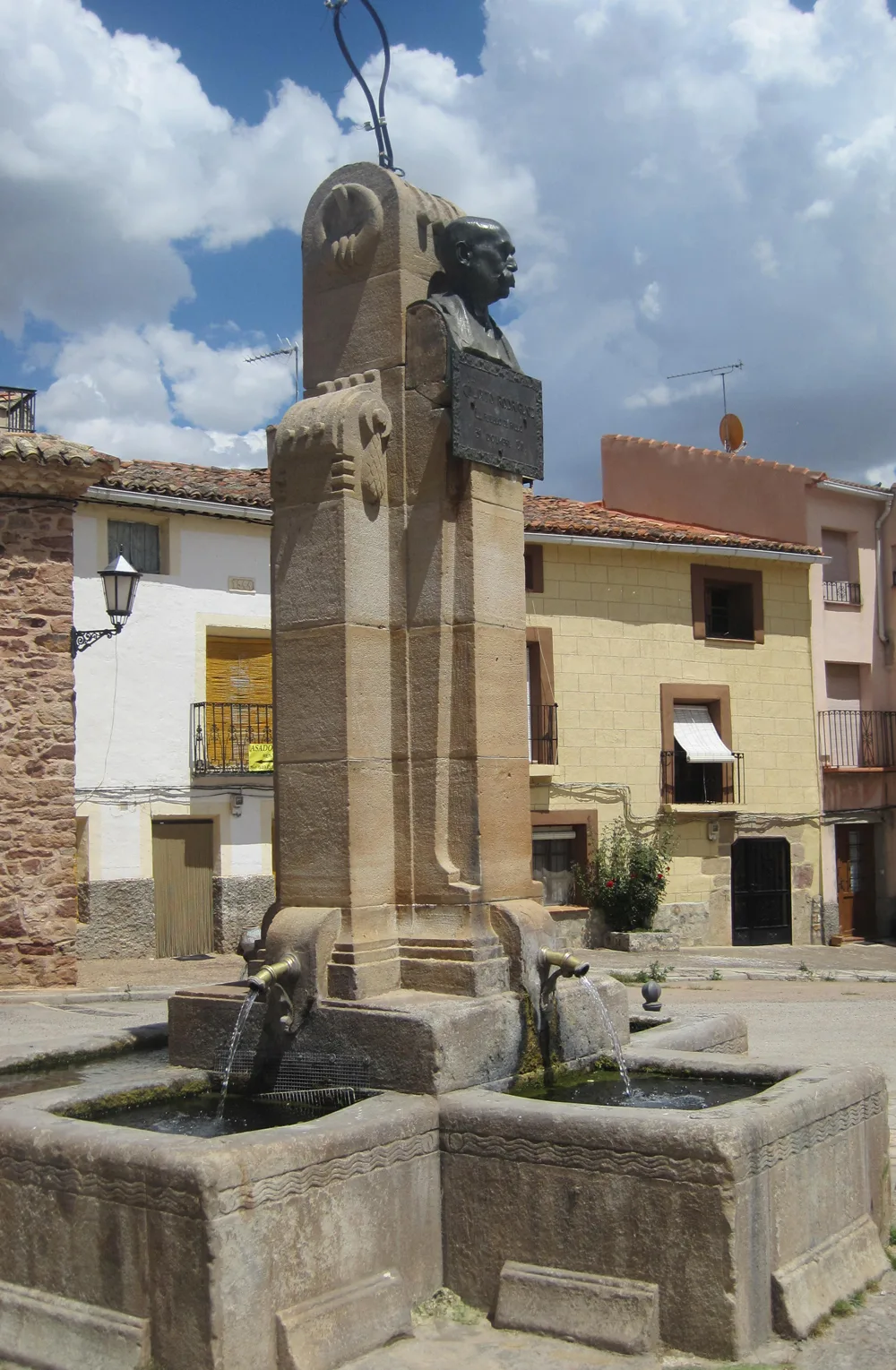
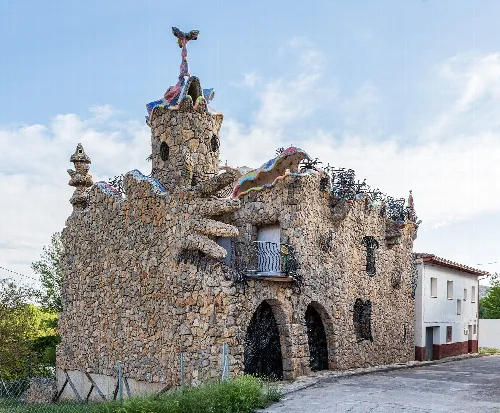
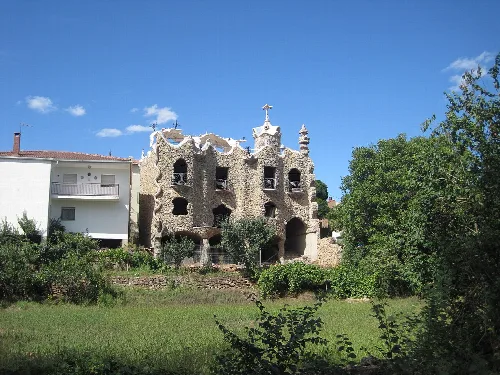
Rillo de Gallo is a small municipality in Guadalajara, Castilla-La Mancha, known for its rich geological heritage and historical significance. With a population of just 37, it features notable landmarks including ancient cave paintings and a unique modernist building.
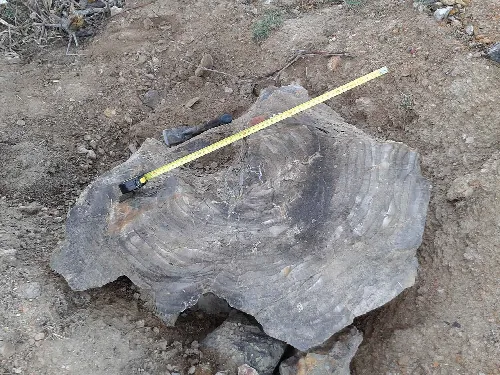
Situated at an elevation of 1,055 meters, Rillo de Gallo is surrounded by several rivers, including the Gallo, Viejo, Herrería, and Arroyo Seco. The area is characterized by its geological formations, which have led to proposals for its designation as a geosite of international interest due to the presence of well-preserved fossils from the Permian and Triassic periods.
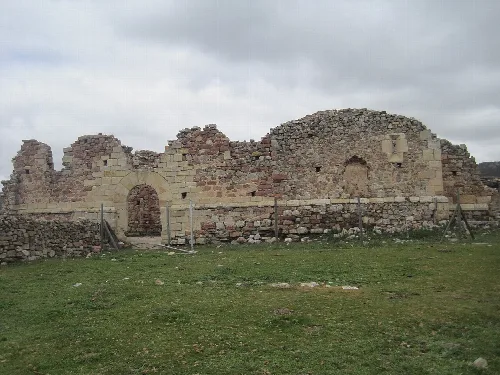
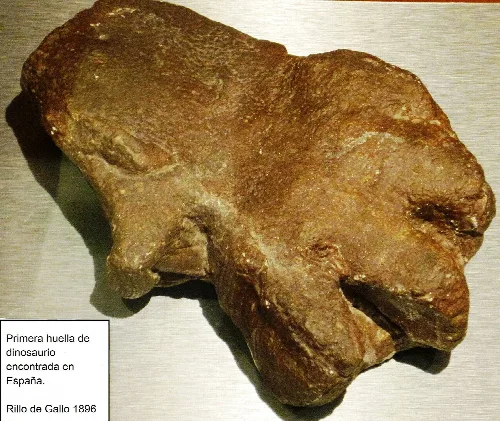
Rillo de Gallo has a rich historical background, with ancient connections to the Roman settlement of Molina. The area contains remnants of Molina la Vieja, a site of historical significance. Notably, Rillo de Gallo was the first location in Spain where a dinosaur footprint was discovered in 1896, identified as that of a Chirotherium.
Rillo de Gallo is a small municipality in Guadalajara, known for its geological heritage and historical significance.
Rillo de Gallo celebrates the Nativity of the Virgin Mary with festivities held on September 8, 9, and 10. The local cuisine is notable for its traditional sausages, particularly blood sausages and chorizo.
Own text, written with AI assistance from the facts in Wikipedia · Rillo de Gallo · Data: Wikidata Q1655891 · Photos: Wikimedia Commons, see individual licenses. · CC BY-SA 4.0