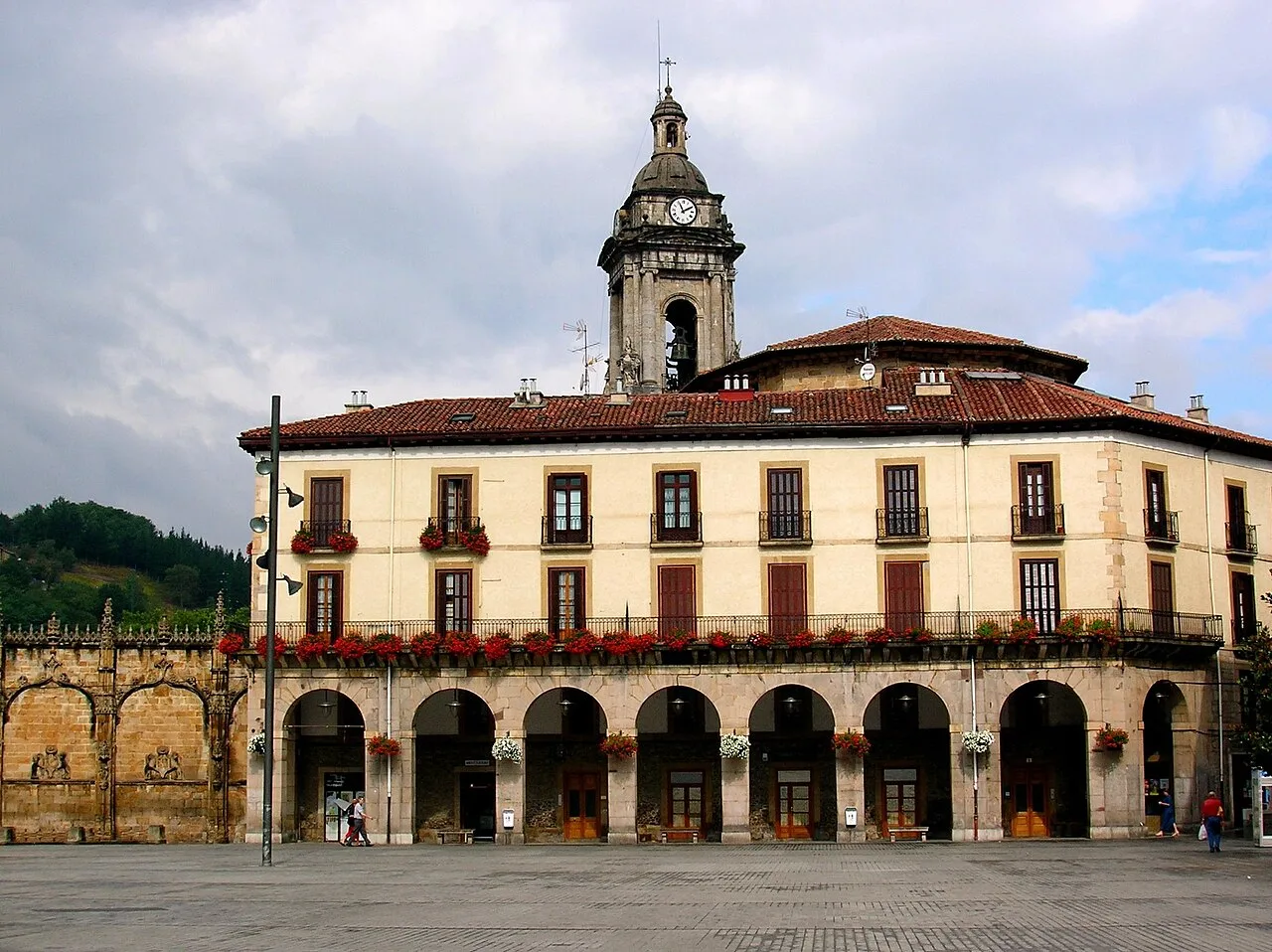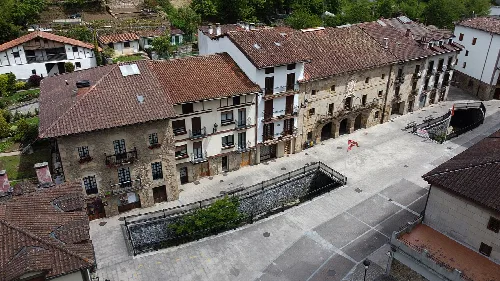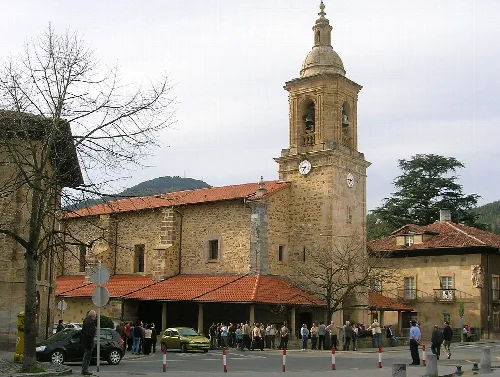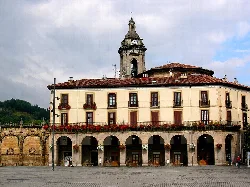
Square with historic building and clock tower in Oñate, Guipúzcoa. Zarateman, CC0

Oñati

Basque Country

11,480Population
108.20 km²Area
23 mElevation
20567Postal code
1467Founded

Oñati, also known as Oñate, is a municipality in Gipuzkoa, located in the Basque Country of Spain. It is characterized by its rich history, stunning natural surroundings, and notable architectural heritage, including the first university in the Basque Country.

02Geography

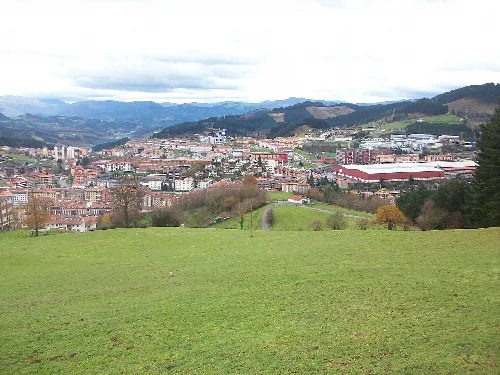
Oñati is situated in the southwest of Gipuzkoa, bordered by Álava and nestled in the upper basin of the Deva River. The municipality is surrounded by mountains, with significant nearby towns including Mondragón, Vergara, and Legazpia. The urban center is located at a low elevation, while the surrounding peaks reach heights over 1000 meters.

Distance to San Sebastián
73 km
Distance to Vitoria
52 km
Distance to Bilbao
64 km
Number of neighborhoods
16
Elevation of urban center
231 m

03History

Oñati has a rich historical background, first mentioned in 1200. It evolved from a powerful lordship to a county, governed by the Vela family and later the Guevara family. The town sought integration into Gipuzkoa multiple times, achieving full incorporation only in 1845 after the abolition of feudal rights.

Oñati is a historic municipality in Gipuzkoa, Basque Country, known for its university and beautiful landscapes.

04Cultural Heritage

Oñati is home to several significant historical and cultural sites, including the University Sancti Spiritus, which was the first university in the Basque Country. Other notable landmarks include the Gothic Church of San Miguel, the Monastery of Santa Clara, and the modern Santuario de Aránzazu, showcasing a blend of architectural styles.

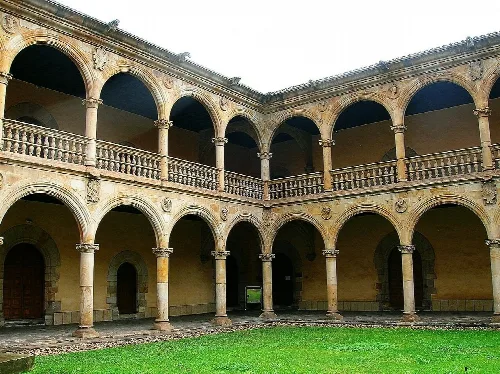
Inner courtyard with arches and columns at Sancti Spiritus University in Oñate.
Sancti Spiritus University in Oñate, featuring an inner courtyard with arches and columns.
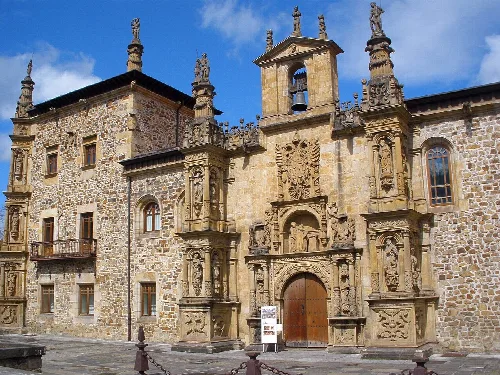
Stone facade with sculptures and wooden door at the University of Oñate.
Facade of the University Sancti Spiritus of Oñate, with sculptural details at the entrance.

05Economy and Daily Life

The economy of Oñati is primarily driven by industry, followed by services and agriculture. The region has a history of ironworking and craftsmanship, which has evolved into a diverse industrial sector. Tourism is growing, focusing on both cultural heritage and natural attractions.

Oñati · Data
Province
Gipuzkoa
Autonomous community
Basque Country
Population
11,480
Area
108.20 km²
Elevation
23 m
Postal code
20567
Founded
1467
Website
https://www.oñati.eus
Coordinates
43.0328, -2.4117

Photos

Cloister and tower of San Miguel Arcángel church in Oñate
Exterior view of the cloister and tower of San Miguel Arcángel church in Oñate, Guipúzcoa, Basque Country
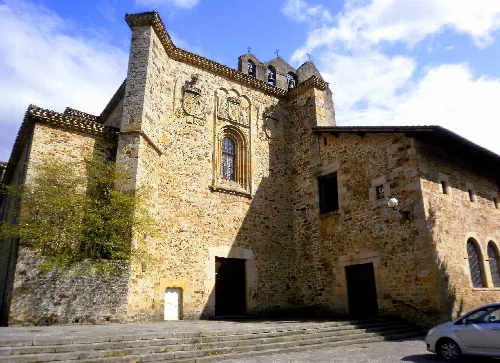
Stone building with windows and stairs in Oñate.
Santa Clara de Bidaurreta Monastery, a stone building in Oñate with windows and steps.
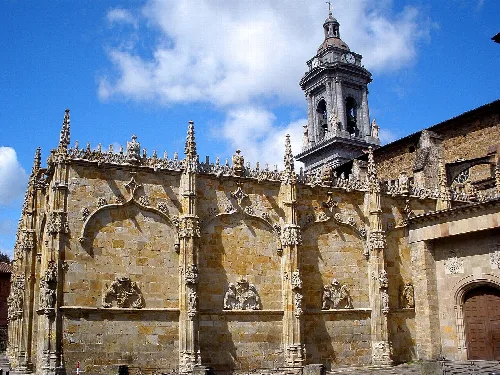
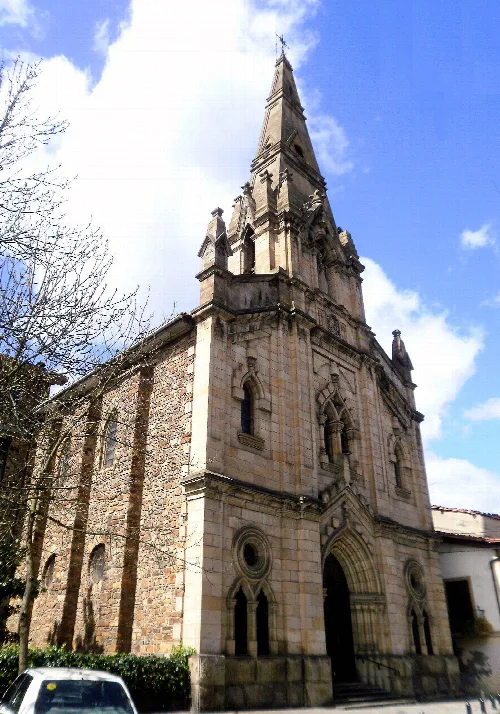
Church with Gothic tower and stone details in Oñate.
Church of the Regular Clerics Lateranenses in Oñate with its Gothic tower and architectural details.
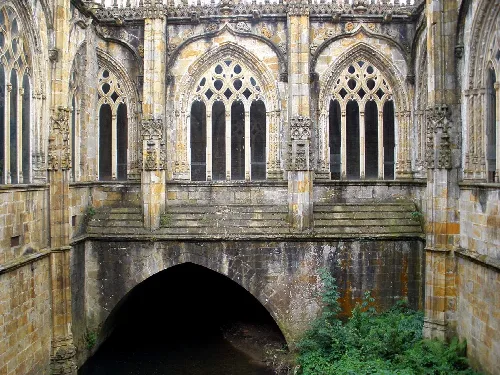
Cloister with Gothic windows and a bridge over a river in Oñate.
Cloister of San Miguel Arcángel church in Oñate, with Gothic windows and a bridge over a river.
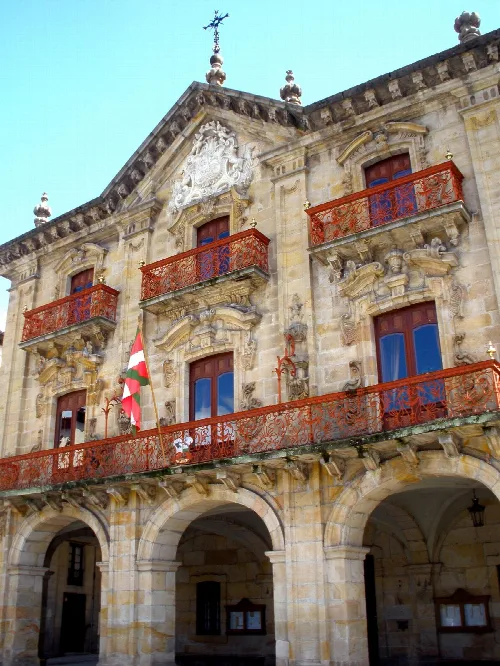
Facade of a building with iron balconies and a crest at the top.
Facade of Oñate's town hall with wrought iron balconies and a crest at the top

Frequently asked questions

Square with historic building and clock tower in Oñate, Guipúzcoa.

What is the Herriko Plaza in Oñati known for?

Herriko Plaza is the main square of Oñati, serving as a central gathering place for locals and visitors. It features charming architecture, including the Casa Consistorial, which is a notable Baroque building from the 18th century. The square often hosts community events and festivals, making it a vibrant part of Oñati's social life.

Sights Herriko Plaza
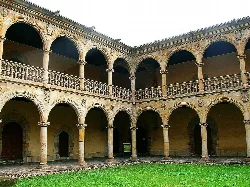
Inner courtyard with arches and columns at Sancti Spiritus University in Oñate.

What can I see at the Universidad Sancti Spiritus in Oñati?

The Universidad Sancti Spiritus is a significant Renaissance building founded in 1540. Visitors can admire its beautiful cloister, chapel, and Mudéjar-style wooden ceilings. It was the first university in the Basque Country and now houses the International Institute of Legal Sociology, making it a historical and educational landmark.

Sights Universidad Sancti Spiritus
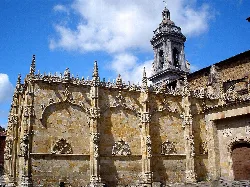
Cloister and tower of San Miguel Arcángel church in Oñate

What is the history behind the Iglesia de San Miguel Arcángel?

The Iglesia de San Miguel Arcángel is a Gothic church built mainly in the 15th century. It features a unique cloister over the Ubao River and is home to important artworks, including a Baroque altarpiece and a Gothic alabaster tomb. The church reflects Oñati's rich religious and architectural heritage.

History Iglesia de San Miguel Arcángel

Are there any outdoor activities in Oñati?

Yes, Oñati is surrounded by stunning mountains and natural landscapes, making it ideal for outdoor activities. Hiking in the nearby Aizcorri Natural Park is popular, with trails offering breathtaking views. The area also features rivers for fishing and exploring the unique karst formations in the Cueva de Arrikrutzu.

Nature

What are the main festivals celebrated in Oñati?

Oñati celebrates several festivals, with San Miguel's festivities in late September being particularly notable. The Corpus Christi festival in mid-June is also significant, featuring a traditional procession and local dancers performing folk dances. These events highlight the town's cultural heritage and community spirit.

Festivals & events

What is the significance of the Casa-Torre de Zumeltzegi?

The Casa-Torre de Zumeltzegi, dating back to the late 12th or early 13th century, served as the residence of the Counts of Oñate. It is an important historical site that reflects the feudal power structure of the region and showcases medieval architecture, making it a point of interest for history enthusiasts.

History Casa-Torre de Zumeltzegi

How has Oñati's economy evolved over time?

Oñati's economy has transitioned from traditional agriculture and livestock farming to a more industrial base. Historically known for ironworks and artisanal crafts, the town now hosts diverse industries, including manufacturing and services, while also promoting rural tourism centered around its natural and cultural attractions.

Living there For residents

What kind of climate can I expect in Oñati?

Oñati experiences a temperate and humid oceanic climate, influenced by its mountainous surroundings. Temperatures typically range from 10 to 22 °C, with cooler conditions in higher altitudes. This climate supports lush greenery and vibrant natural landscapes, ideal for outdoor activities.

Nature

What is the Cueva de Arrikrutzu and why is it worth visiting?

Cueva de Arrikrutzu is part of a vast karst system and is the largest cave in Gipuzkoa. It features impressive geological formations and has been prepared for tourism, allowing visitors to explore its fascinating underground landscape. The cave is also known for its archaeological significance, with ancient animal remains found inside.

Sights Cueva de Arrikrutzu

What is the local cuisine like in Oñati?

Oñati's local cuisine features traditional Basque dishes, emphasizing fresh, local ingredients. Expect to find hearty meals such as lamb stew, seafood, and a variety of pintxos (tapas). The region's culinary offerings reflect its agricultural heritage and the influence of nearby coastal areas, making dining a delightful experience.

Food & drink

Map

Nearby

Aerial view of Antzuola's town square from the east.
Antzuola
Gipuzkoa · 2,045 inhabitants
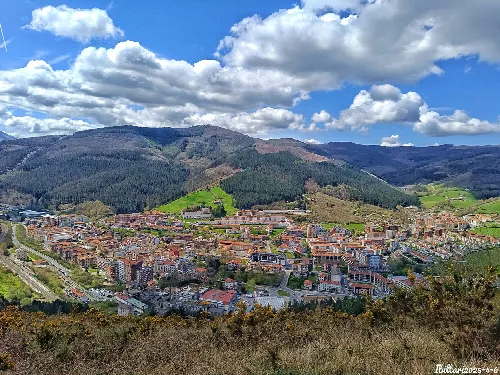
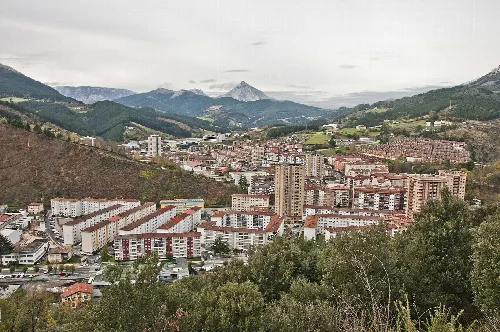
View of Legazpi city with mountains and cloudy sky.
Legazpi
Gipuzkoa · 8,384 inhabitants
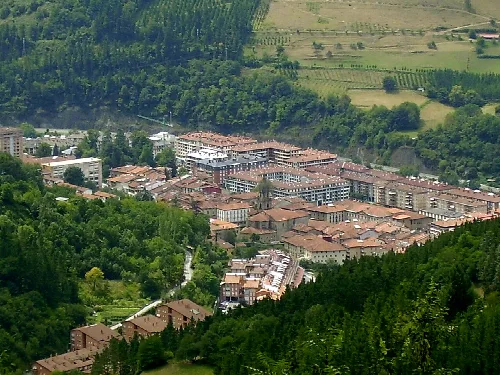
Aerial view of Bergara with buildings and nature in Guipúzcoa.
Bergara
Gipuzkoa · 14,404 inhabitants

Own text, written with AI assistance from the facts in Wikipedia · Oñati · Data: Wikidata Q496588 · Photos: Wikimedia Commons, see individual licenses. · CC BY-SA 4.0