Beas is a municipality located in the province of Huelva, Andalusia, known for its rich history and cultural heritage. The town features a predominantly flat landscape and a Mediterranean climate, making it a unique place within the region.
02Geography
Beas is situated within the comarca of El Condado, approximately 25 kilometers from Huelva, the provincial capital. The municipality is traversed by the national road N-435, which connects Badajoz and Huelva, along with local roads that facilitate communication within the area.
Climate
Mediterranean
03History
The history of Beas dates back to the conquest of the Kingdom of Niebla in 1262, when it became part of the jurisdiction of Niebla. Over the centuries, Beas experienced various political changes, including periods of lordship and significant population growth due to repopulation efforts.
1262 First written references after the conquest of Niebla.
1342 Alfonso XI donated Beas and Trigueros to Juan Alonso de la Cerda.
1812 End of the lordship regime with the Constitution of Cádiz.
1952 Expropriation of lands in Candón, marking modern development.
Explore Beas, a historic municipality in Huelva, Andalusia, known for its rich cultural heritage and vibrant festivals.
04Flora and Fauna
Beas is home to diverse flora and fauna, characteristic of its Mediterranean climate. The region supports various species of birds, mammals, amphibians, and reptiles, contributing to its ecological richness.
Birds Includes species like aguiluchos, vultures, and common owls.
Mammals Notable species include rabbits, wild boars, and foxes.
Reptiles Features species such as the ladder snake and Iberian lizard.
Flora Includes eucalyptus, pine, and olive trees.
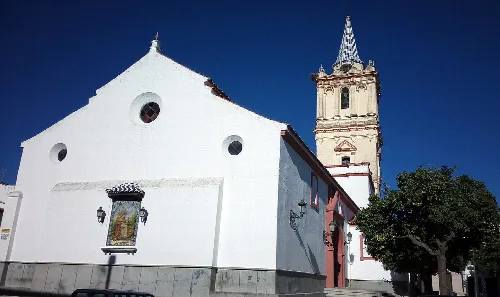
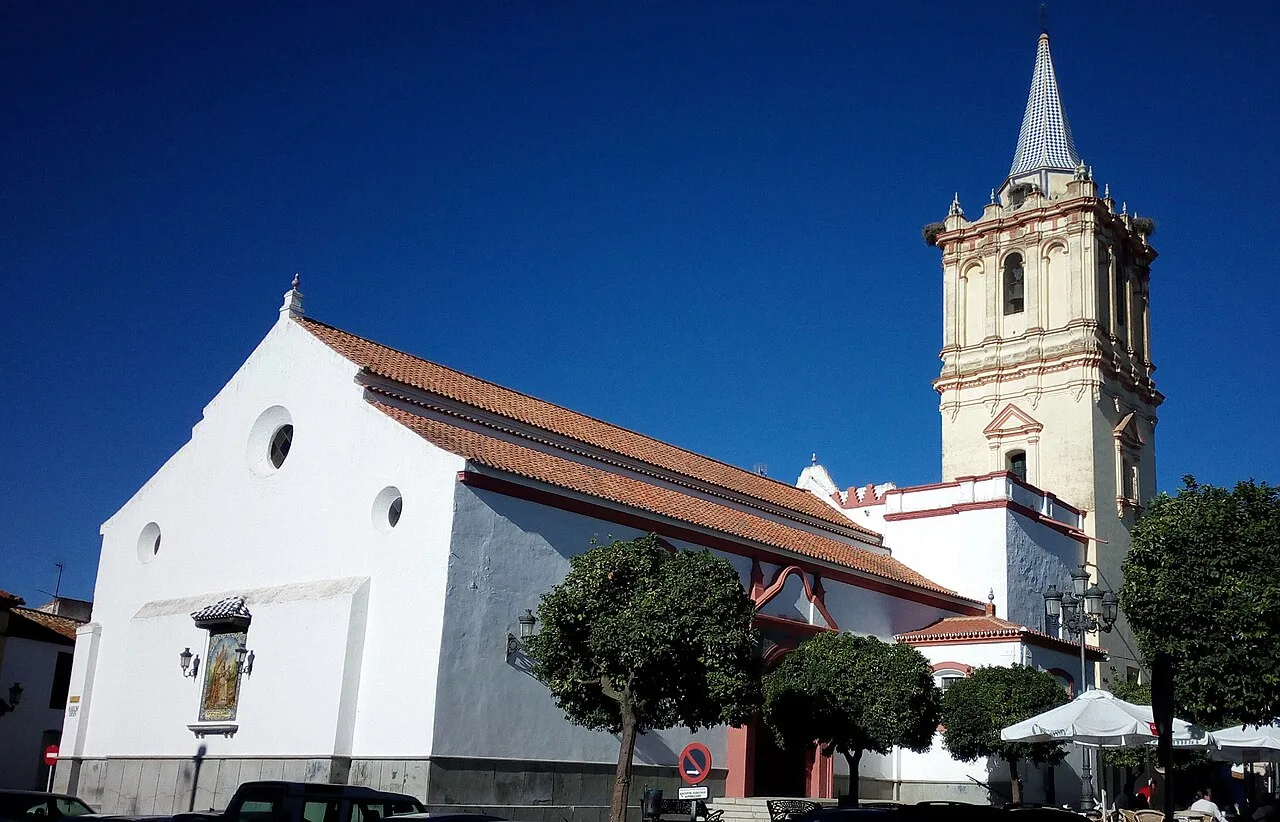
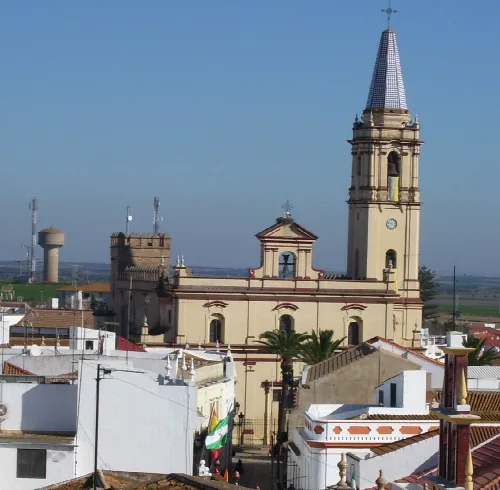
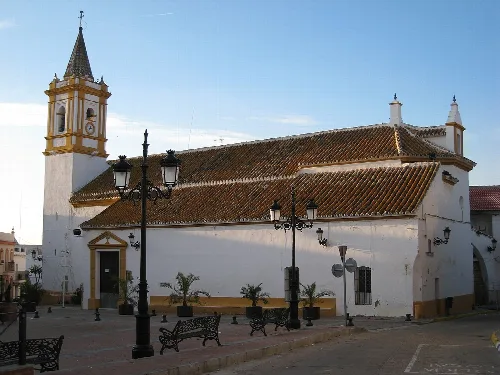
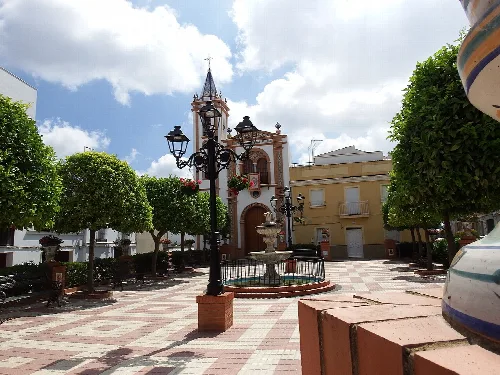
San Bartolomé Apóstol Parish Church in Beas with its tower and white facade.The church of Beas, with its white facade and arches, stands out in the center of the town in Huelva.
05Cultural Heritage
Beas boasts significant religious and civil architecture, including the Church of San Bartolomé, which showcases a Gothic-Mudéjar style. The town also features various chapels and historical buildings that reflect its rich cultural history.
Iglesia de San Bartolomé Gothic-Mudéjar style church with significant artistic heritage.
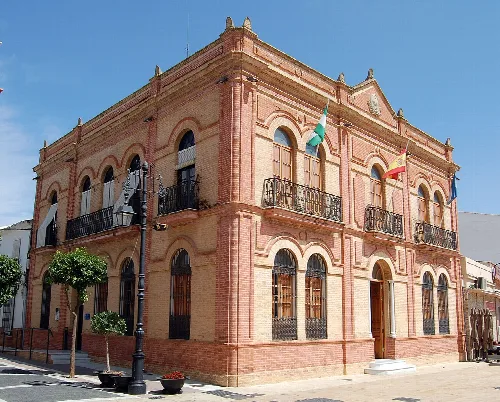
Casa consistorial Neoclassical town hall built in the 19th century.
Casino Grande Cultural center for local agricultural elites.
Casa Museo de Venezuela en España Museum dedicated to Venezuelan culture established in 2000.
06Festivals
Beas hosts a variety of festivals throughout the year, reflecting its cultural traditions and community spirit. Notable events include the Belén Viviente, Semana Santa, and various romerías celebrating local patron saints.
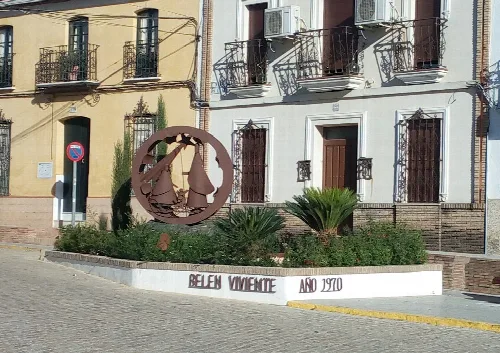
Belén Viviente A living nativity scene held from late November to early January.
Semana Santa Holy Week celebrations featuring processions and religious events.
Romería de Santa María de España Celebrated in May, involving a pilgrimage to Sotiel Coronada.
Fiesta Patronales de San Bartolomé Includes traditional bull runs and a procession in August.
07Demographics
The population of Beas is approximately 4,414 residents, contributing to the town's vibrant community life. The demographic composition reflects a blend of historical influences and modern developments.
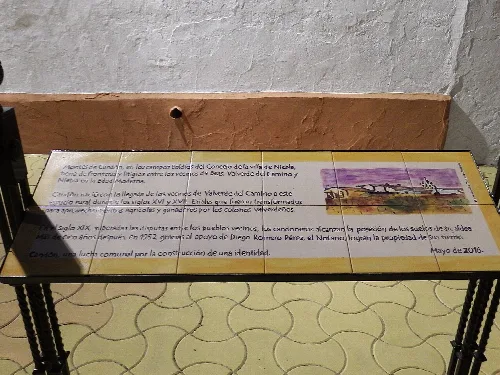
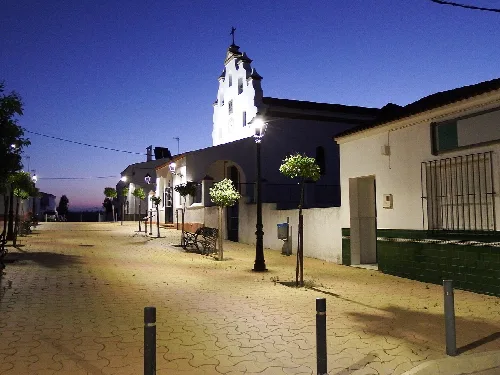
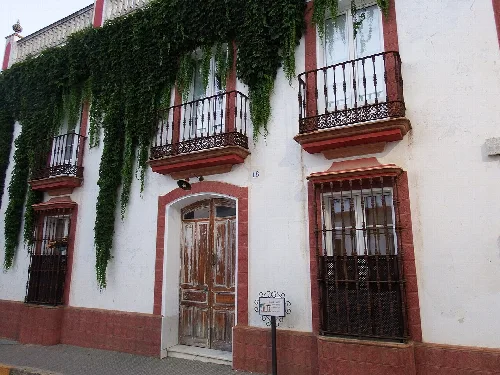
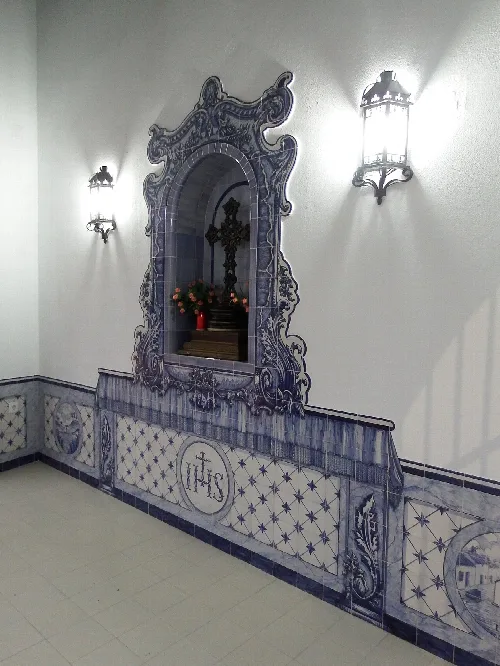
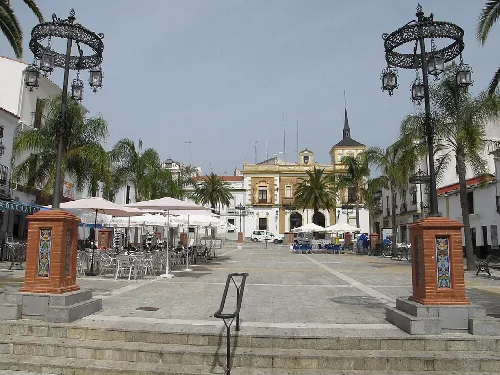
Informative panel about Candón in Beas, Huelva, with history and cultural facts.Main square of Beas with the church in the background and street lamps lighting up the evening.Monument dedicated to Beas' Living Nativity Scene, featuring a metal sculpture and greenery.Facade of a house in Beas with windows, balcony with bars, and hanging vegetation.Interior of a chapel in Beas, Huelva, with decorative tiles and a cross on an altar.
Frequently asked questions
What is the history behind the Iglesia Parroquial de San Bartolomé Apóstol?
The Iglesia Parroquial de San Bartolomé Apóstol was constructed during the 14th century, following the repopulation policies of the lords of Niebla. It features a characteristic Gothic-Mudéjar style, with a rectangular layout and three naves. The church houses significant artistic pieces, including 16th-century wooden sculptures and a beautifully decorated central nave.
HistoryIglesia Parroquial de San Bartolomé Apóstol
What can you tell me about the natural surroundings of Beas?
Beas is located in a predominantly flat area, with elevations ranging from 30 to 220 meters above sea level. The municipality is home to diverse wildlife, including various bird species like hawks and owls, as well as mammals like deer and wild boars. The region's flora includes eucalyptus, olive trees, and numerous grass species, contributing to its Mediterranean climate.
What is the significance of the Virgen de los Clarines in Beas?
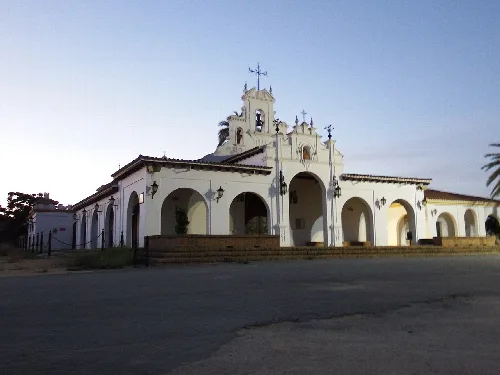
The Virgen de los Clarines is the patron saint of Beas, and her image is venerated in the Ermita de Ntra. Sra. la Virgen de los Clarines. The current statue was crafted by Antonio Castillo Lastrucci in 1937, while the sanctuary itself features elements from the 18th century. The site is an important cultural and religious landmark for the local community.
HistoryErmita de Ntra. Sra. la Virgen de los Clarines
What are the main events celebrated in Beas?
Beas hosts various cultural and religious events throughout the year, including festivities in honor of the Virgen de los Clarines. These events typically feature processions, traditional music, and local cuisine, allowing residents and visitors to celebrate the town's rich cultural heritage and community spirit.
Beas has a Mediterranean climate characterized by hot, dry summers and mild, wet winters. This climate supports a diverse range of flora and fauna, making it an attractive area for outdoor activities and nature enthusiasts. The pleasant weather also contributes to the agricultural activities in the region.
Beas is known for its traditional Andalusian cuisine, which includes dishes such as gazpacho, fried fish, and various stews. The region is also famous for its olive oil, known as Aceite de Beas, which is a staple in many local recipes. Visitors can enjoy these dishes in local restaurants and during community festivities.
Beas has a population of approximately 4,414 residents, according to the latest census data from 2025. This small community is characterized by its close-knit atmosphere and rich cultural heritage, making it a unique place to live or visit in the province of Huelva.
What is the architectural style of the Casa consistorial in Beas?
The Casa consistorial, built in 1881, showcases a neoclassical architectural style. Designed by architect Manuel Pérez González, it features two floors and is topped with a tower that houses a clock. This building serves as a central point for local governance and community activities.
Beas boasts a rich diversity of wildlife, including various bird species such as hawks, owls, and crows, as well as mammals like deer and wild boars. The area's natural habitats provide excellent opportunities for birdwatching and wildlife observation, attracting nature lovers to the region.
What is the story behind the Capilla del Hospital de Santa María de Gracia?
The Capilla del Hospital de Santa María de Gracia dates back to the 16th century and was part of a hospital founded to assist the poor and abandoned children. Although it has undergone significant renovations, it retains elements of its original Mudéjar style, reflecting the historical significance of healthcare in the community.
HistoryCapilla del Hospital de Santa María de Gracia
 espana.net