What is the history behind the Monasterio de Santa María de la Rábida?
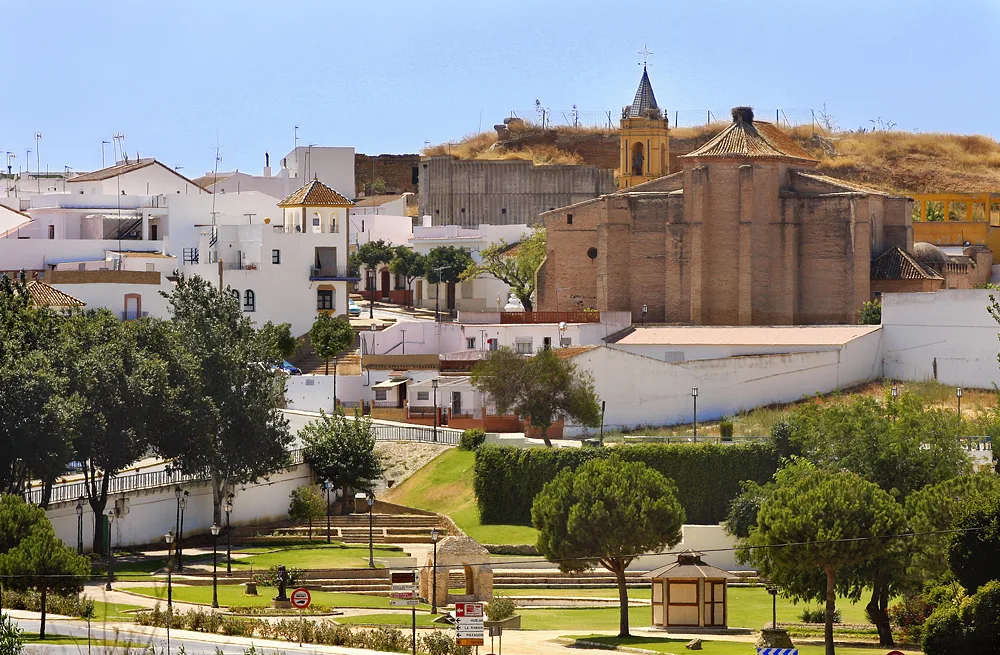
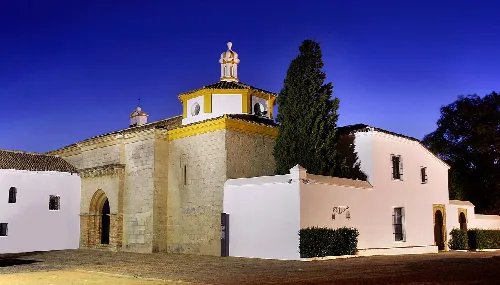
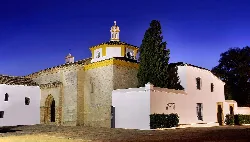
The Monasterio de Santa María de la Rábida played a crucial role in the history of Palos de la Frontera, particularly during the time of Christopher Columbus. It provided support and hospitality to Columbus when he sought backing for his expedition. The friars here, especially Fray Antonio de Marchena and Fray Juan Pérez, were instrumental in encouraging Columbus during his challenging times before the historic voyage.
History
Monasterio de Santa María de la Rábida
What are the main economic activities in Palos de la Frontera today?
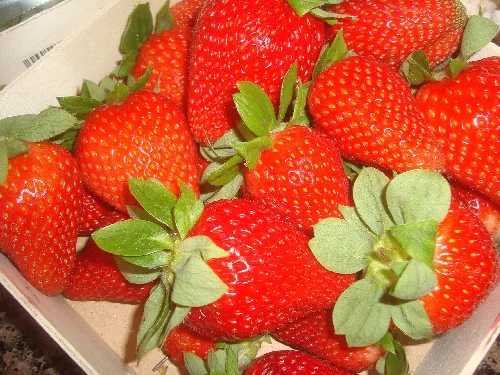
Currently, Palos de la Frontera's economy is primarily driven by agriculture, particularly the cultivation and harvesting of strawberries, which are exported throughout much of the European Union. Additionally, the municipality hosts various industries, including oil refining and natural gas regasification, contributing to its economic landscape.
Living there
For residents
What can you tell me about the Tres Carabelas in Palos de la Frontera?
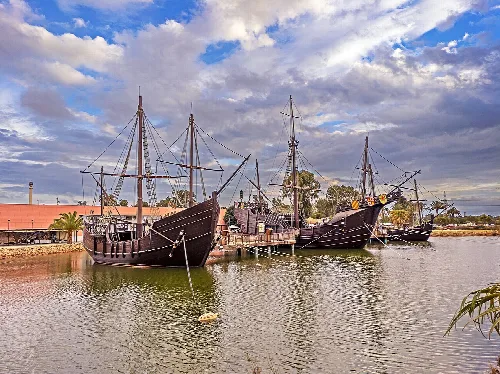
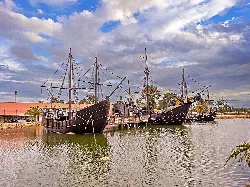
The Tres Carabelas, or Three Caravels, are replicas of the ships used by Christopher Columbus during his first voyage to the Americas. These replicas are located at the Muelle de las Carabelas in Palos de la Frontera, serving as a historical attraction that commemorates the town's significant maritime heritage and its role in the discovery of America.
Sights
Tres Carabelas
What is the significance of the Virgen de los Milagros in Palos de la Frontera?
The Virgen de los Milagros is the patron saint of Palos de la Frontera. Her significance was highlighted during the visit of Pope John Paul II on June 14, 1993, when she was canonically crowned. This event marked a historic moment for the town, emphasizing its cultural and religious identity.
Festivals & events
What are the beaches like near Palos de la Frontera?
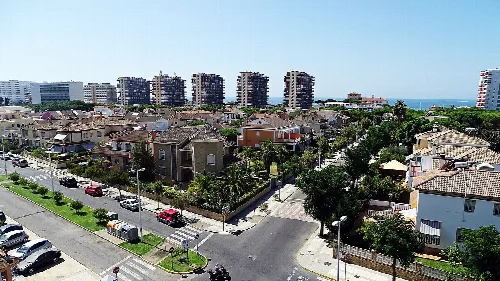
Near Palos de la Frontera, you'll find several beautiful beaches, including Julián, Morla, and Mazagón. These beaches are known for their sandy shores and are part of the coastal area that offers a serene environment for relaxation and leisure activities, making them popular spots for both locals and visitors.
Nature
How did Palos de la Frontera contribute to the discovery of America?
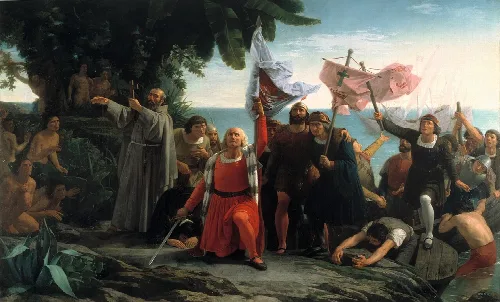
Palos de la Frontera is known as the birthplace of the discovery of America, as it was from this town that Christopher Columbus set sail on August 3, 1492, with the ships La Pinta, La Niña, and the Santa María. The town's mariners and the support from local leaders were crucial in organizing this historic voyage.
History
What is the local cuisine like in Palos de la Frontera?
The local cuisine in Palos de la Frontera features traditional Andalusian dishes, often highlighting fresh seafood due to its maritime heritage. Dishes may include fried fish, seafood paella, and various tapas that showcase local ingredients, making it a delightful experience for food enthusiasts.
Food & drink
What events or festivals are celebrated in Palos de la Frontera?
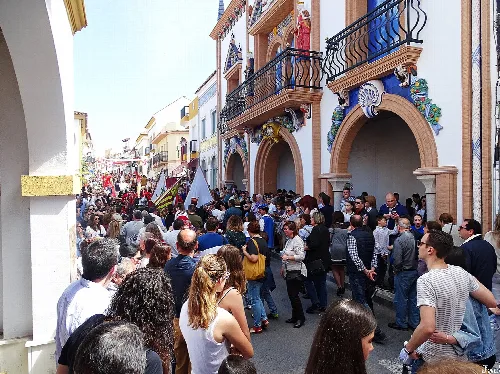
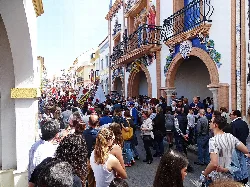
Palos de la Frontera hosts various cultural events and festivals throughout the year, including celebrations related to its maritime history and the discovery of America. These events often feature parades, traditional music, and local food, drawing both residents and visitors to participate in the festivities.
Festivals & events
Is Palos de la Frontera a good place to live?
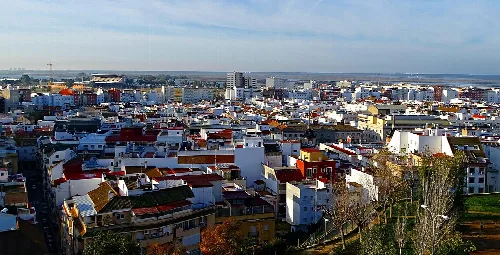
Palos de la Frontera offers a unique blend of historical significance, cultural richness, and modern amenities. With a population of around 12,938, it provides a community-oriented environment. The local economy is supported by agriculture and industry, making it an appealing place for residents seeking a quieter lifestyle with access to natural beauty and historical sites.
Living there
For residents
What is the geographical setting of Palos de la Frontera?
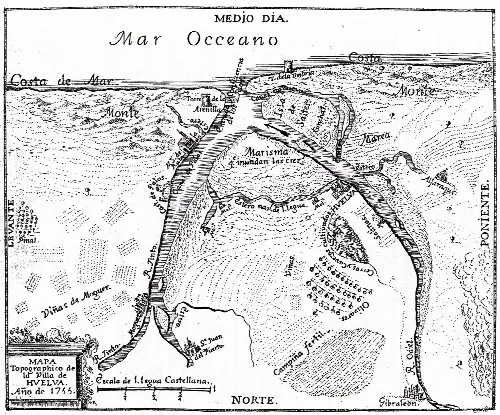
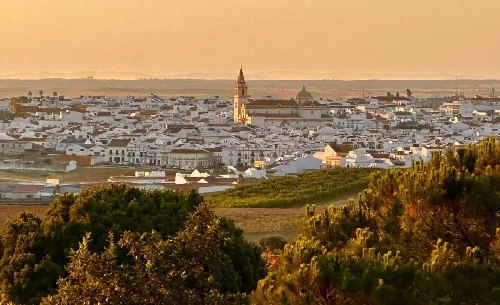
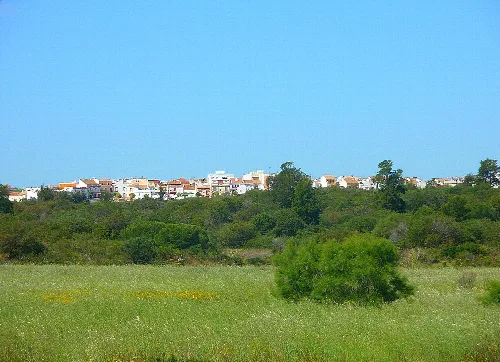
Palos de la Frontera is located in the southwestern part of the Iberian Peninsula, in the province of Huelva, Andalusia. It lies near the mouth of the Tinto River, close to the Atlantic Ocean. The area features a diverse landscape, including agricultural fields, marshes, and coastal beaches, contributing to its natural beauty.
Nature
 espana.net