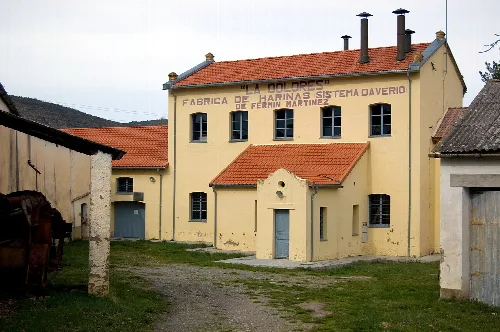
What is the history behind the Cathedral of San Pedro in Jaca?
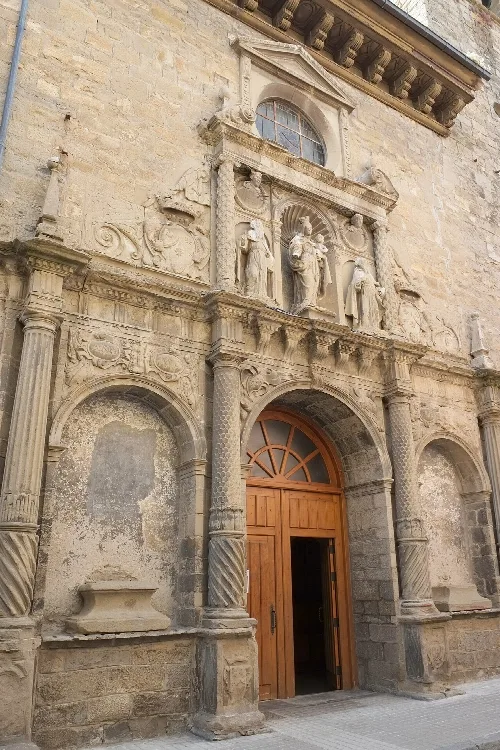
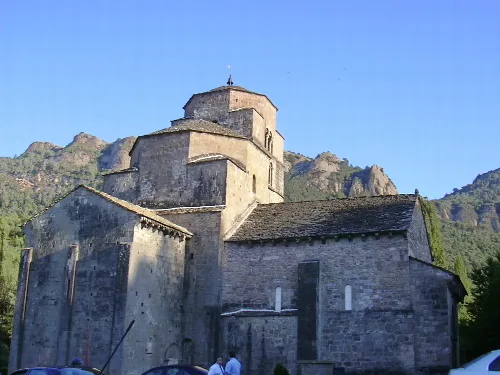
The Cathedral of San Pedro, built around 1077 by King Sancho Ramírez, is one of the earliest examples of Romanesque architecture in Spain. It served as the first cathedral of the Kingdom of Aragon and features a basilical layout with three naves. The cathedral houses the Diocesan Museum of Romanesque Art, showcasing significant frescoes, making it a key historical and cultural site in Jaca.
History
Cathedral of San Pedro
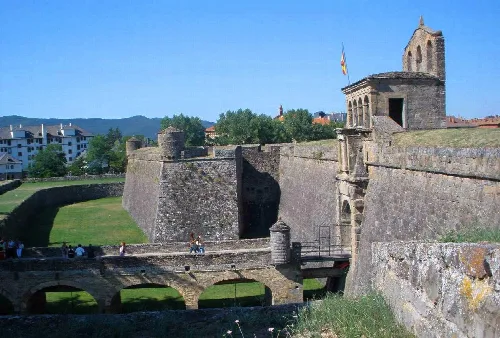
What can you tell me about the Ciudadela de Jaca?
The Ciudadela de Jaca, also known as the Castle of San Pedro, is a well-preserved pentagonal fortress built in the late 16th century. It is unique in Europe for its complete structure. Declared a national monument in 1951, it now houses the Museum of Military Miniatures, featuring over 35,000 figures that depict historical battles.
Sights
Ciudadela de Jaca
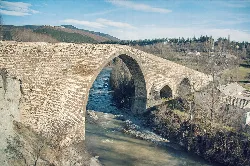
What is the significance of the Puente de San Miguel?
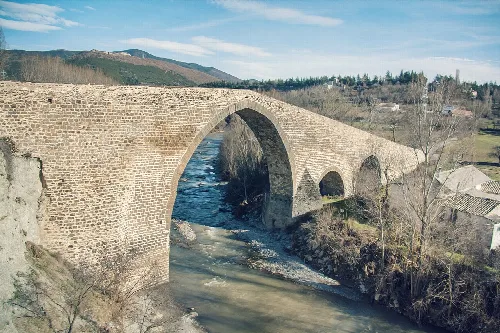
The Puente de San Miguel is a medieval bridge over the Aragón River, notable for its monumental architecture and excellent state of preservation. Although the exact construction date is unknown, it is believed to date back to the late medieval period, around the 15th century. It was declared a historical-artistic monument in 1943.
Sights
Puente de San Miguel
What are the best outdoor activities to do in Jaca?
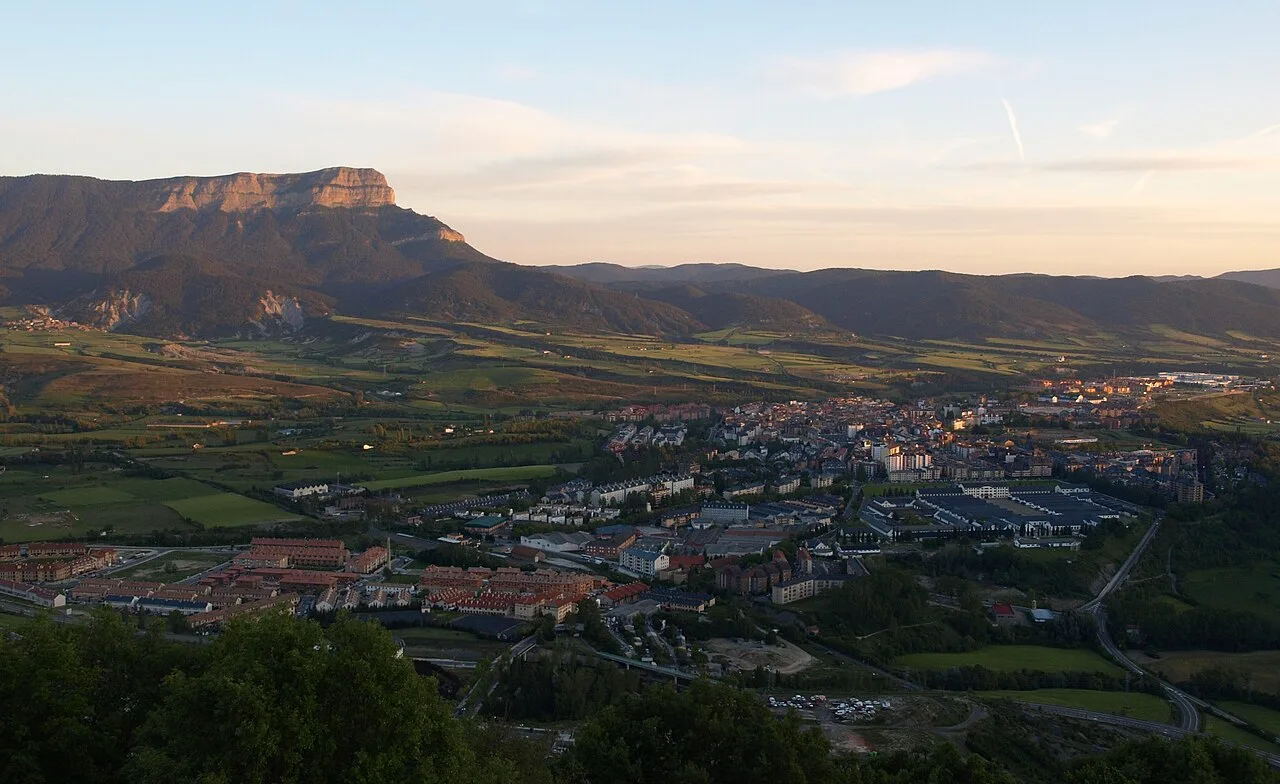
Jaca offers a variety of outdoor activities, especially for nature lovers. The surrounding Pyrenees are perfect for hiking, skiing, and mountain biking. The nearby Peña Oroel is a popular hiking destination, providing stunning panoramic views of the valley. Additionally, the area is great for winter sports, with ski resorts like Astún nearby.
Nature
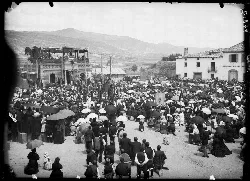
What is the Processó de Santa Orosia?
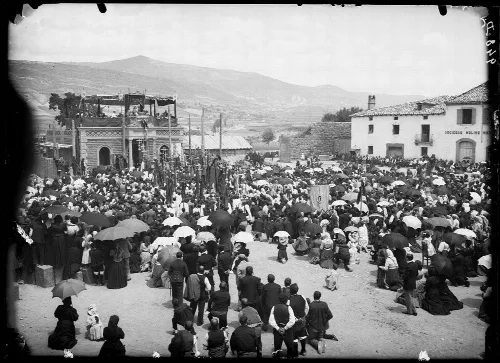
The Processó de Santa Orosia is a traditional festival held in Jaca, celebrating the patron saint of the region. This vibrant event features a procession through the streets, with locals dressed in traditional attire. It typically includes music, dancing, and various cultural activities, showcasing the rich heritage of Jaca.
Festivals & events
What is the climate like in Jaca?
Jaca has an oceanic climate with continental influences, characterized by mild summers and cold winters. Annual average temperatures are around 12.2 °C, with winter lows potentially dropping below -10 °C and summer highs exceeding 35 °C. Precipitation is highest in winter and spring, often falling as snow, making it a popular destination for winter sports.
Nature
What are the main transportation options in Jaca?
Jaca is well-connected by various transportation options. It has a local bus service, an intercity bus station, and a train station offering services to Zaragoza and Canfranc. The city is also accessible via major roads, including the A-23 motorway, making it convenient for visitors traveling by car.
Getting there
For residents
What are some traditional foods to try in Jaca?
When in Jaca, you should try traditional Aragonese dishes such as 'ternasco' (young lamb), 'migas' (fried breadcrumbs with garlic), and 'chiretas' (stuffed sheep intestines). Local cheeses and wines are also noteworthy, reflecting the region's agricultural heritage and culinary traditions.
Food & drink
Is Jaca a good place to live?
Jaca offers a high quality of life, with a population of around 14,024. It features a mix of historical charm and modern amenities, making it appealing for residents. The surrounding natural beauty provides ample opportunities for outdoor activities, while the community is vibrant with cultural events, making it a desirable place to live.
Living there
For residents
What are the main historical landmarks in Jaca?
Jaca is home to several historical landmarks, including the Cathedral of San Pedro, the Ciudadela de Jaca, and the Torre del Reloj. Each site reflects the city's rich history, from its Romanesque architecture to its military significance during various historical periods, making it a fascinating destination for history enthusiasts.
Sights
 espana.net