espana.net
 Unknown author, CC BY-SA 4.0
La Rioja
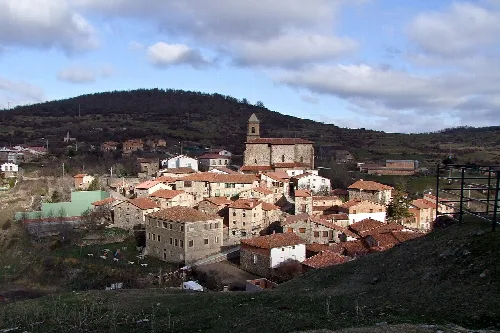
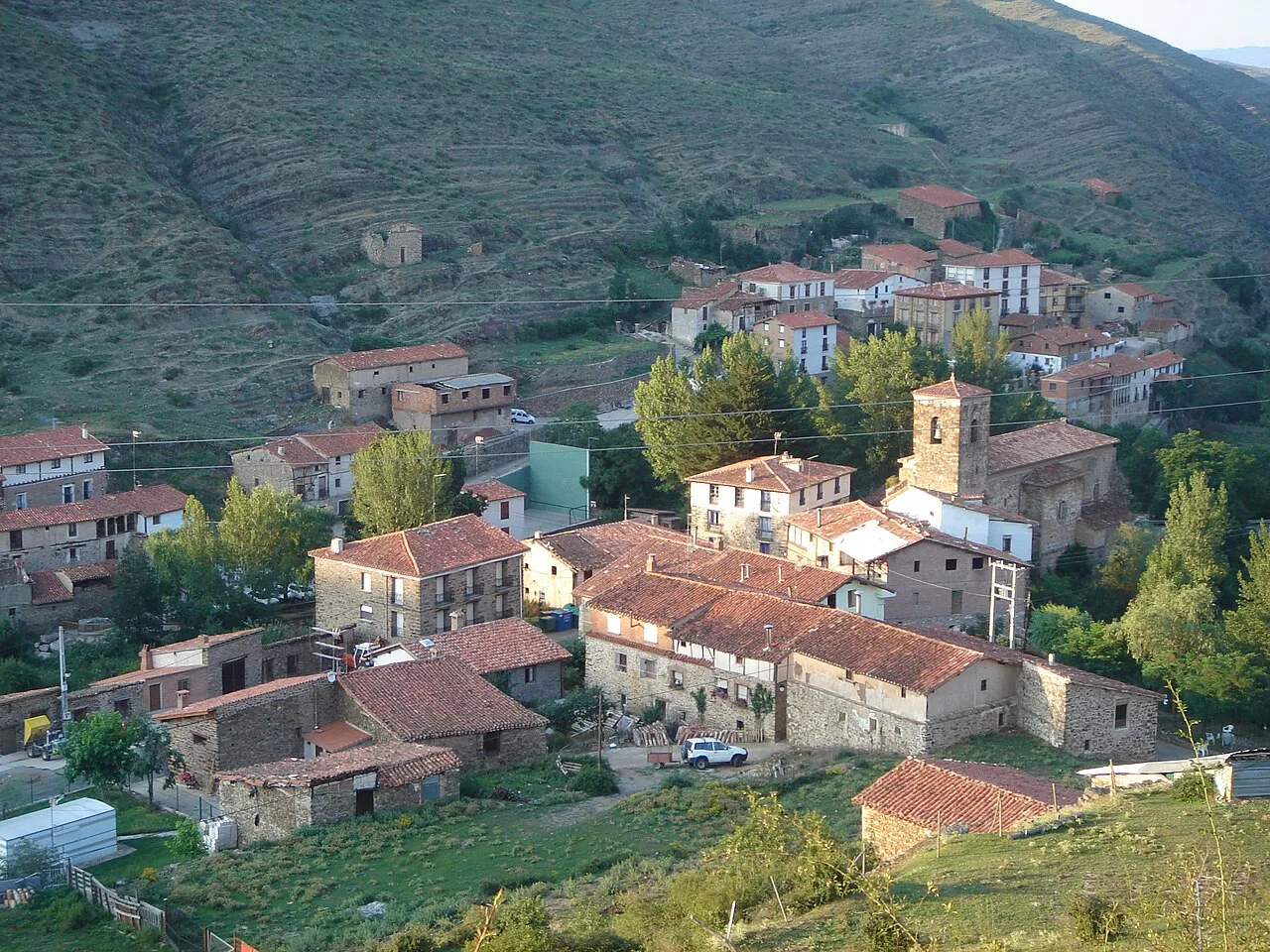
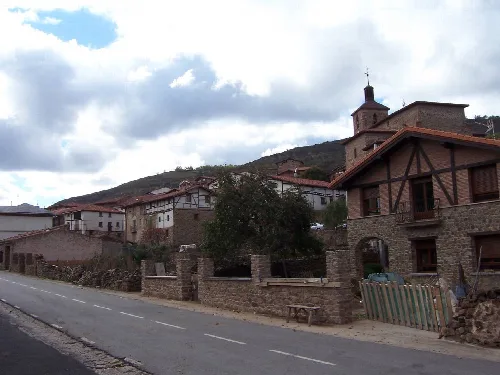
Cabezón de Cameros is a small municipality in La Rioja, Spain, characterized by its rich history and natural beauty. Nestled in the western sierras of the Iberian range, it features notable dinosaur footprints and a vibrant local culture.
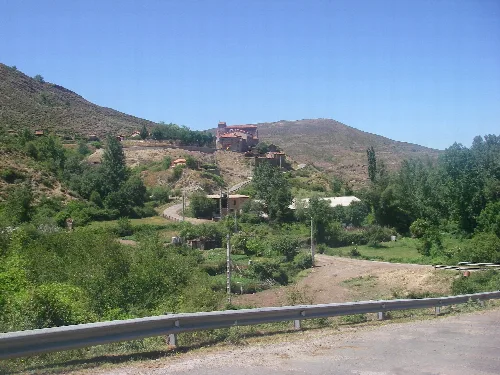
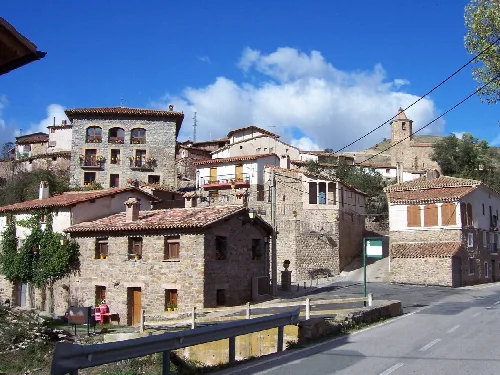
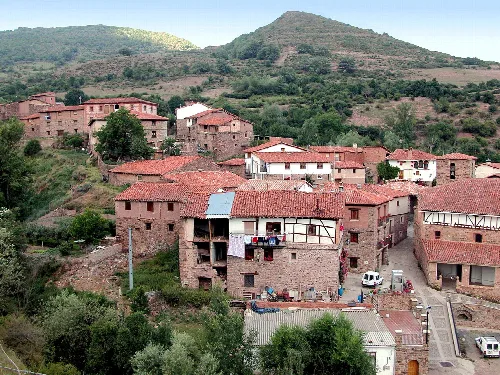
Cabezón de Cameros is situated along the LR-250 road, approximately 43 km from Logroño, at an elevation of 916 m. The area is marked by unique trees and several points of interest, including a frontón, a plaza, and playgrounds. The local inhabitants are referred to as "peluchos," a term that harkens back to the wool industry during the time of La Mesta.
The origins of Cabezón de Cameros trace back to the Reconquista, becoming part of the Señorío de Tejada in the 9th century. It gained independence from San Román de Cameros in 1653, flourishing economically through livestock management and trade with various regions, including England. However, the mid-20th century saw a significant population decline as residents moved to provincial capitals.
Cabezón de Cameros is a historic municipality in La Rioja, Spain, known for its dinosaur footprints and local traditions.
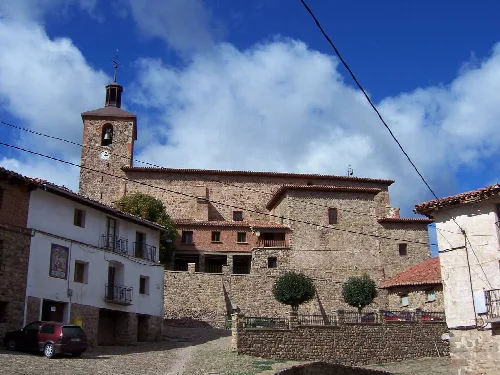
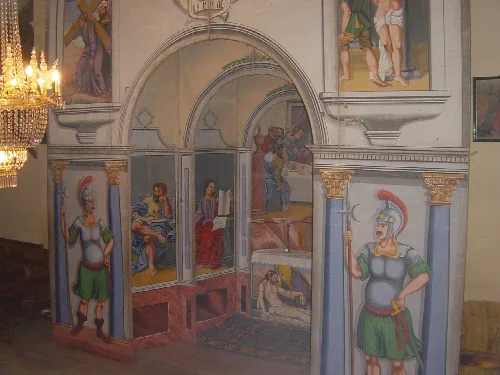
Cabezón de Cameros is home to several notable sites, including the 16th-century Iglesia de la Asunción, which features a unique wooden altar. The area is also rich in natural beauty, with hiking routes and dinosaur footprints found in the Valdemayor site, declared a cultural heritage site in 2000. Local associations work to preserve cultural traditions and enhance community life.
Own text, written with AI assistance from the facts in Wikipedia · Cabezón de Cameros · Data: Wikidata Q1637059 · Photos: Wikimedia Commons, see individual licenses. · CC BY-SA 4.0