What is the history behind the Castillo de Cornago?
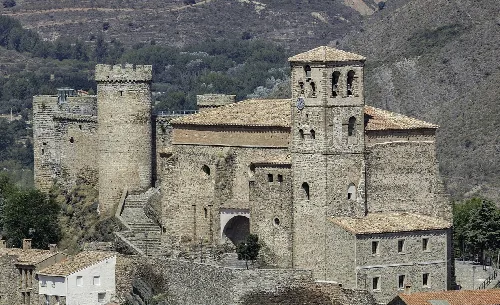
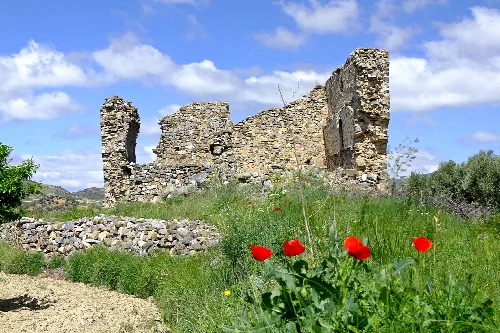
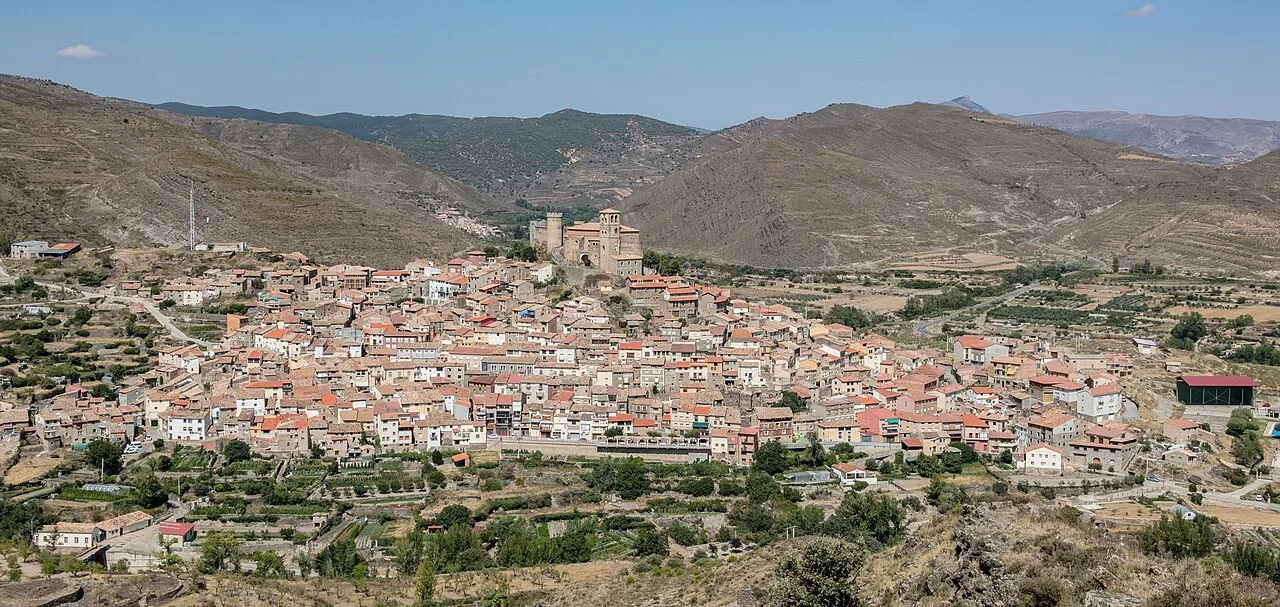
The Castillo de Cornago was built in the early 13th century, likely during the reign of King Fernando III. It replaced an earlier fortress from the 9th century. After the fall of the Moorish kingdoms, it served as a border stronghold between Castilla, Navarra, and Aragón, enduring numerous conflicts throughout the centuries until it became obsolete in the 16th century.
History
Castillo de Cornago
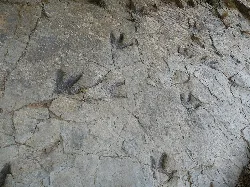
What can I see at the Yacimiento de Los Cayos?
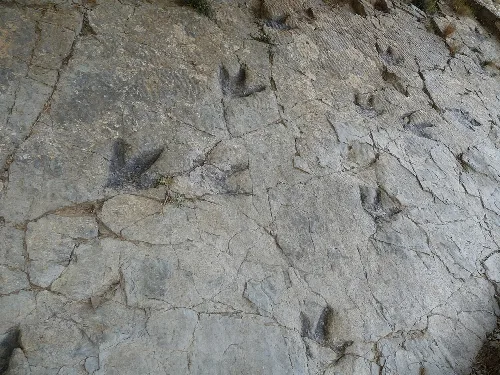
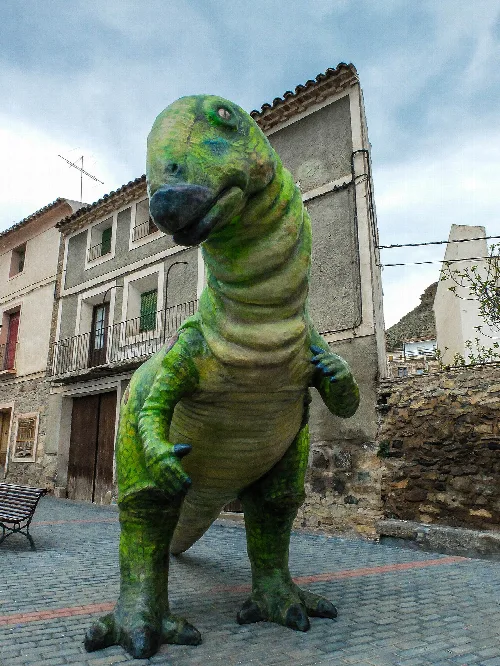
The Yacimiento de Los Cayos is a well-preserved dinosaur footprint site located in a nearby ravine. It features three sectors, showcasing numerous tracks from carnivorous dinosaurs and other prehistoric creatures, including birds and turtles. This site is of significant paleontological interest and is easily accessible for visitors.
Sights
Yacimiento de Los Cayos
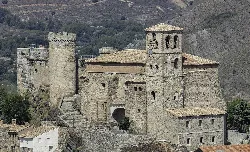
What is the Iglesia de San Pedro like?
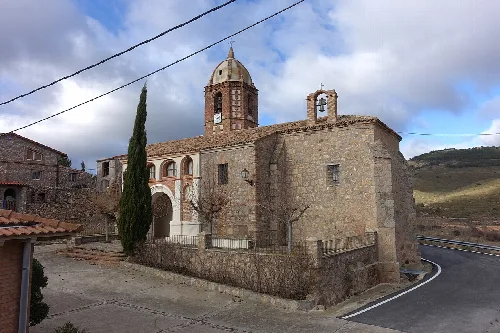
The Iglesia de San Pedro, located next to the Castillo de Cornago, was constructed between the 15th and 16th centuries. Its architecture features a mix of sillería, sillarejo, and brick, with a Baroque chapel added in the 17th century. The church was completed in 1711 and showcases historical religious art and design.
Sights
Iglesia de San Pedro
What outdoor activities can I enjoy in Cornago?
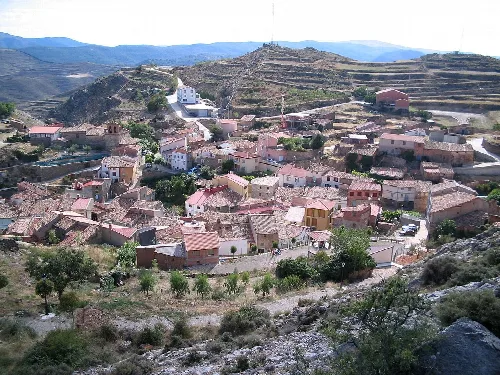
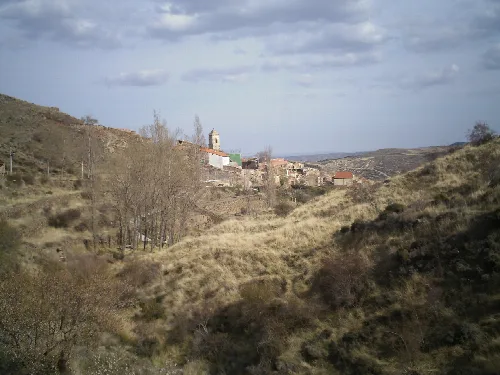
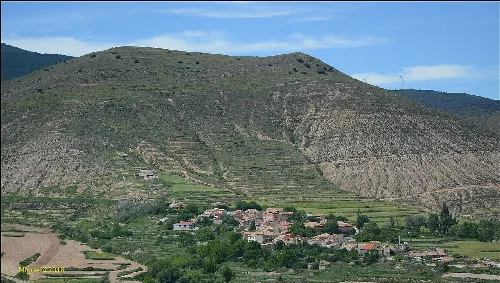
Cornago is surrounded by the Sierra de Alcarama and the Sierra de Peñalosa, making it ideal for hiking and nature walks. The area offers beautiful landscapes, opportunities for birdwatching, particularly to see the colony of vultures, and exploration of the local flora and fauna. Enjoying the natural beauty is a key attraction here.
Nature
What are the main agricultural products of Cornago?
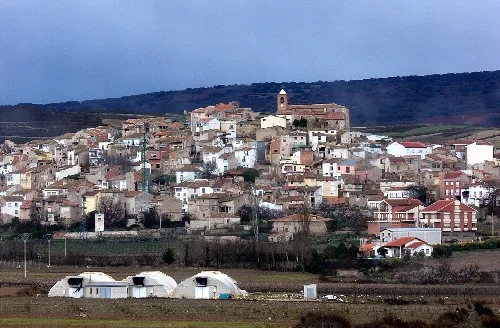
Cornago's economy has traditionally been agricultural, producing grains, legumes, honey, and livestock. However, the decline of textile industries and mechanization in the 1960s has made agriculture less profitable, leading to a demographic decline. Today, the community relies on limited agricultural activity and emerging rural tourism.
Living there
For residents
Are there any traditional festivals in Cornago?
Cornago hosts various local festivals throughout the year, reflecting its cultural heritage. These often include religious celebrations and community gatherings, where residents come together to celebrate their traditions, local cuisine, and social ties. Specific details about each festival may vary annually.
Festivals & events
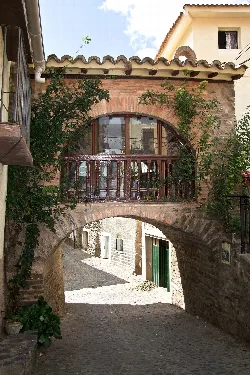
What is the Ermita de la Piedad known for?
The Ermita de la Piedad is a rectangular building that houses the Virgen del Rosario from the 17th century. This small chapel is significant for its historical and cultural value, serving as a place of worship and reflection for the local community.
Sights
Ermita de la Piedad
How has the population of Cornago changed over the years?
Cornago's population has seen a significant decline since the 1960s, dropping from around 342 residents in 1833 to 298 in 2025. This demographic shift is attributed to the closure of local industries and the challenges of maintaining agriculture in the region.
Living there
For residents
What are the main challenges facing Cornago today?
Cornago faces several challenges, including a declining population due to the unprofitability of agriculture and the lack of job opportunities in tourism. The difficult terrain and the abandonment of traditional farming practices have further exacerbated these issues, leading to economic stagnation.
Living there
For residents
What is the significance of the Fuente de La Pazana?
The Fuente de La Pazana is an 18th-century fountain known for its sulfurous waters, which emit a strong odor. Located about 5 km from Cornago, it historically attracted visitors seeking its reputed health benefits and served as a rest stop for travelers in the area.
Sights
Fuente de La Pazana
 espana.net