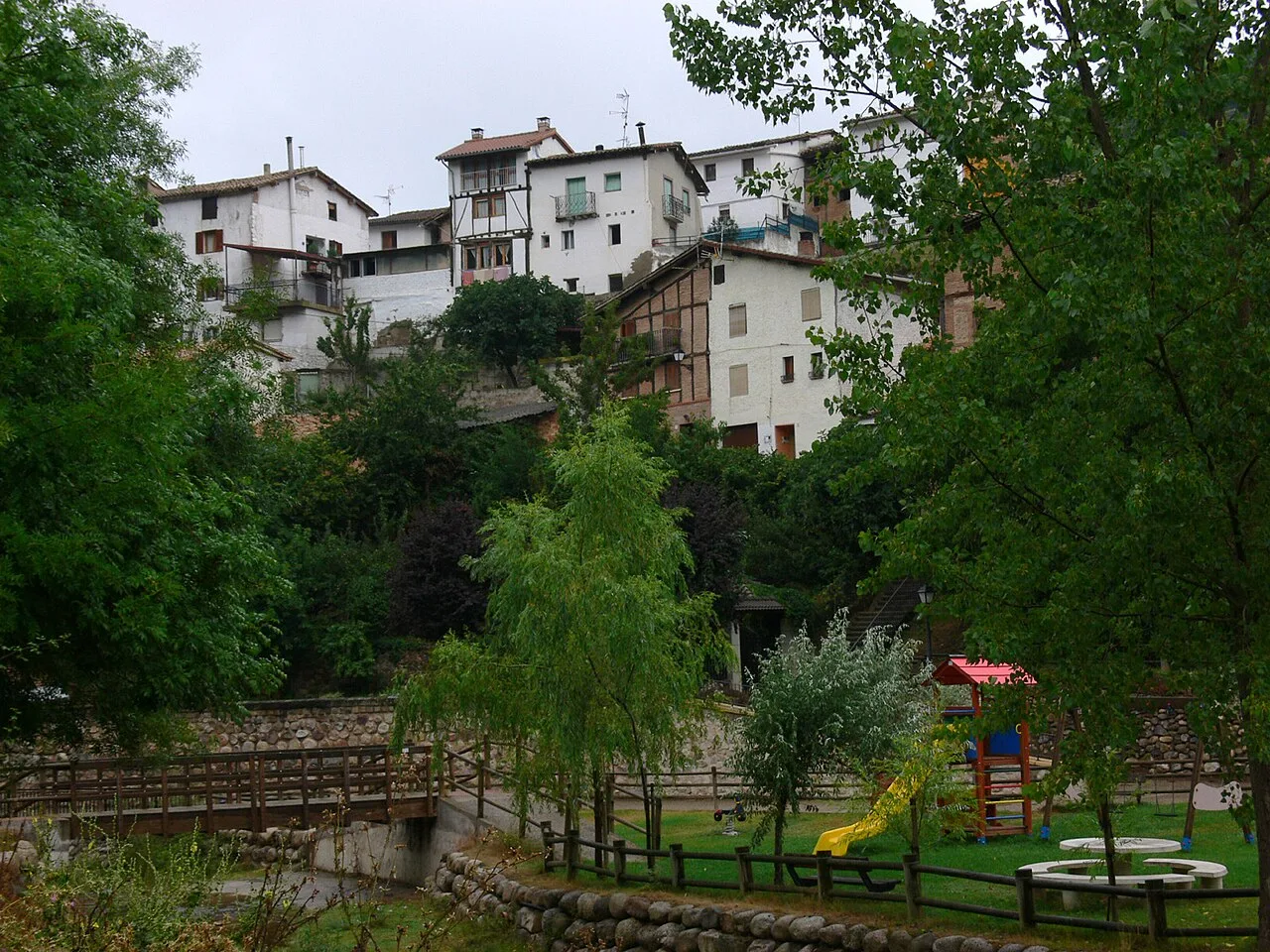
Pedroso is a municipality in La Rioja, Spain, known for its picturesque landscapes and rich history. It is particularly famous for producing the Nuez de Pedroso, a nut with protected designation of origin.
02Geography
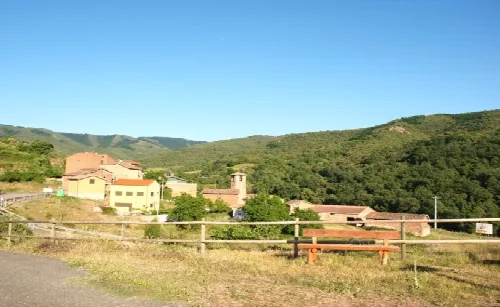
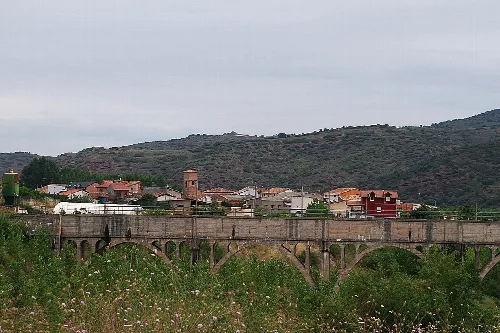
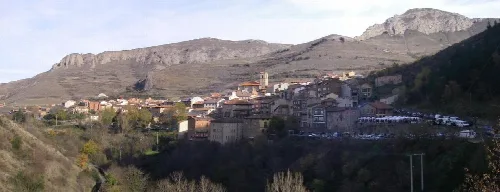
Pedroso is located in the Najerilla River basin, part of the Rioja Alta and the Alto Najerilla region. The municipality is characterized by its mountainous terrain, with an elevation of 773 meters. The area is rich in natural beauty, featuring forests of beech and holm oak, making it an attractive spot for nature enthusiasts.
03History
The history of Pedroso dates back to before the year 1000, with the first documented mention in the mid-11th century. Originally known as Petroso, the name reflects the rocky terrain of the area. Throughout the Middle Ages, Pedroso was influenced by various cultures, including Celtiberian, Roman, and Arab settlers.
11th century First documented mention of Pedroso.
1169 King Alfonso VIII donated lands to the Monastery of Santa María la Real de Nájera.
1786 Juan Matías de Herce Anguiano wrote a historical account of Pedroso.
1700 Pedroso became a royal villa after the monastery ceded its rights.
18th century Population peaked at around 1350 inhabitants.
Discover Pedroso, a charming La Rioja municipality famous for its Nuez de Pedroso and rich historical heritage.
04Sights
Pedroso features several notable buildings, including the Church of El Salvador, a Gothic structure dating back to 1498, and the Church of San Juan, which is in ruins but showcases classical architecture. The Ermita de Nuestra Señora del Patrocinio and the Ermita de Santa Marina are also significant, reflecting the town's historical and cultural heritage.
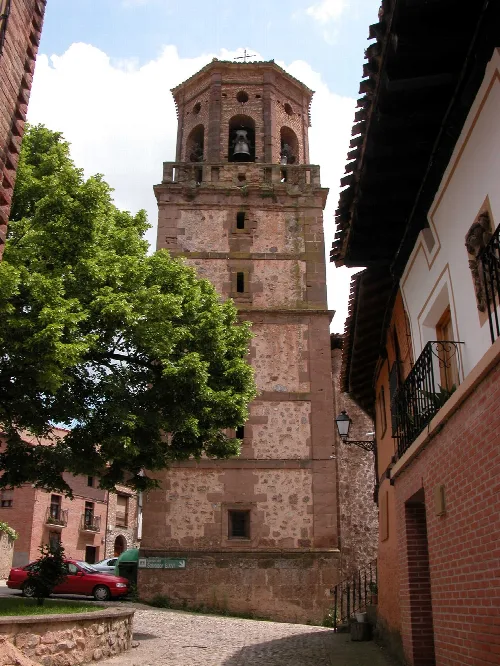
Church of El Salvador Gothic style, began construction in 1498, declared a cultural heritage site.
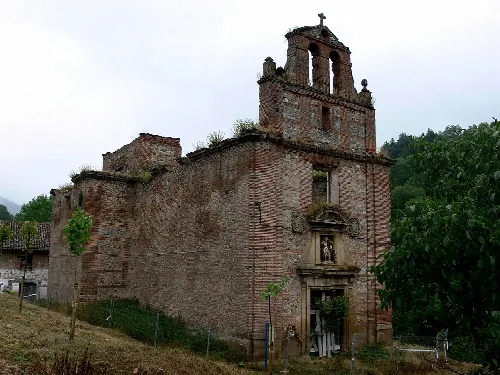
Church of San Juan Classical style, built in the 17th century, currently in ruins.
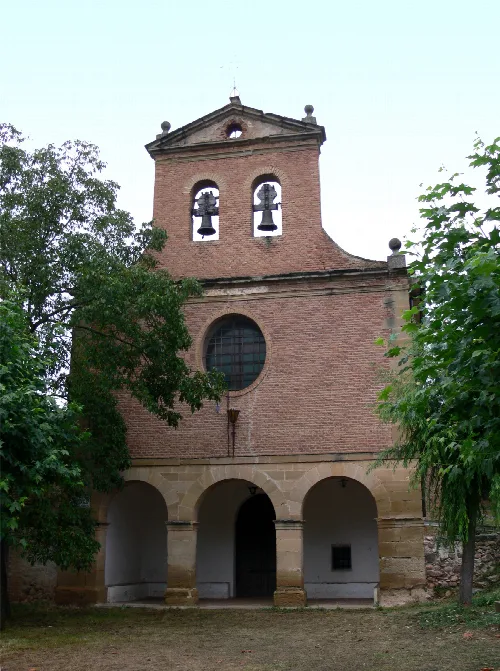
Ermita de Nuestra Señora del Patrocinio Constructed in the 17th century, known for its baroque elements.
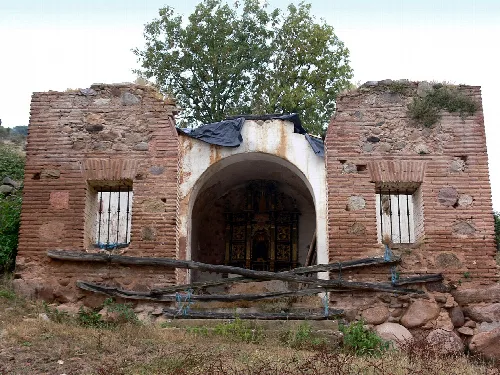
Ermita de Santa Marina Built in the 16th century, reconstructed in the 17th century.
Other hermitages Includes ruins of Santa Teodosia and San Cristóbal.
Ruins of San Juan church in Pedroso, with a deteriorated facade and a ruined bell tower.Ruins of Santa Marina chapel in Pedroso, with brick walls and boarded-up windows.
05Festivals
Pedroso celebrates its patronal festivals on August 15 and 16 in honor of La Virgen and San Roque. The Fiesta de la Nuez, held on the second Sunday of November, showcases the local nut production and traditional foods. Other customs include the revival of old dances and the celebration of El Mayo, where a large tree is erected in May.
Patronal festivals August 15 and 16.
Fiesta de la Nuez Second Sunday of November.
Fiesta del Patrocinio Second Saturday of September.
El Mayo Celebrated on May 1.
Traditional dances Revival of historical dances by local youth.
06Economy and Gastronomy
The economy of Pedroso historically relied on agriculture, livestock, and textile production. Today, the town is renowned for its Nuez de Pedroso, which has a protected designation of origin. The annual food fair highlights local products, including traditional dishes and homemade liqueurs.
Main agricultural product Nuez de Pedroso.
Annual food fair Features local delicacies and traditional dances.
Traditional dishes Includes caparrones, chuletones, and various cured meats.
Craftsmanship Notable for broom-making and textile arts.
Health benefits of Nuez de Pedroso Rich in nutrients, helps reduce cholesterol.
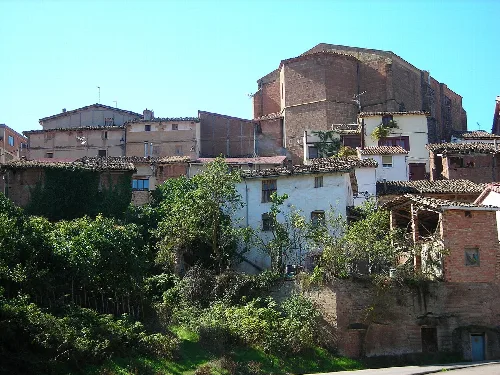
The Church of El Salvador in Pedroso, with its brick tower and bell tower, stands out on the main street of the town.The chapel of Our Lady of Patronage in Pedroso, made of brick, with bells in the tower and an arched entrance at the base.
Frequently asked questions
What are the main attractions to see in Pedroso?
In Pedroso, visitors can explore the Iglesia de El Salvador, a significant Gothic church built in 1498, and the ruins of the Iglesia de San Juan, a clasicist building from the 17th century. The Ermita de Santa Marina, dating back to the 16th century, is also worth a visit. Nature enthusiasts can enjoy the surrounding landscapes of the Sierra de Moncalvillo and the Roble de Pedroso.
What is the history behind the Iglesia de El Salvador?
The Iglesia de El Salvador began construction in 1498 in a Gothic style, with its current form completed by 1650. Several architects contributed to its design, including García Martínez de Lequeitio and Juan Martínez de Mutio. The church is notable for its impressive retablo and a baroque organ, making it a key historical and cultural landmark in Pedroso.
Can you tell me about the ruins of the Iglesia de San Juan?
The ruins of the Iglesia de San Juan are remnants of a clasicist building from the 17th century. Located near the river, it features strong Madrid-style influences and was constructed by Pedro de Aguilera. Although in a state of ruin, its walls and the remains of its vaults still showcase its historical significance.
What is the significance of the Virgen del Patrocinio in Pedroso?
The Virgen del Patrocinio is central to local traditions in Pedroso, with celebrations held in her honor. The main festivities occur on the second Saturday of September, featuring a procession to the church. This celebration is tied to the village's cultural identity, highlighting its historical roots and community spirit.
What kind of food can I expect to find in Pedroso?
Pedroso is known for its delicious local cuisine, particularly its nueces (walnuts) and traditional dishes like chuletones de ternera, cordero asado, and caparrones. The village also boasts famous salazones and embutidos, including chorizo and panceta, along with homemade liqueurs like pacharán.
What are the main festivals celebrated in Pedroso?
Pedroso celebrates its patronal festivals on August 15 and 16 in honor of La Virgen and San Roque. Additionally, the Fiesta de la Nuez takes place on the second Sunday of November, showcasing local products. The community also honors the Virgen del Patrocinio with a procession in May, reflecting the village's rich traditions.
What is the population of Pedroso and how has it changed over time?
As of 2025, Pedroso has a population of 89 inhabitants. Historically, the village experienced significant growth, reaching around 1350 residents in the 18th century. However, since the 19th century, the population has steadily declined, reflecting broader demographic trends in rural areas.
What can you tell me about the Ermita de Santa Marina?
The Ermita de Santa Marina, built in the 16th century and reconstructed in the 17th century, features a simple rectangular design. It was restored between 2010 and 2011 after years of neglect. The site offers a glimpse into the village's religious heritage and architectural history.
Yes, the surrounding area of Pedroso includes the Sierra de Moncalvillo, which offers beautiful landscapes and opportunities for outdoor activities. Additionally, the Roble de Pedroso, a centuries-old oak tree, is a significant natural landmark that reflects the region's rich biodiversity.
Historically, Pedroso's economy thrived on textile production, particularly woolen fabrics, until the mid-19th century. As this industry declined, the village shifted towards agriculture and livestock. Today, local specialties like walnuts and traditional foods play a key role in the economy, alongside small-scale farming.
 espana.net