What are the main attractions in Páramo del Sil?
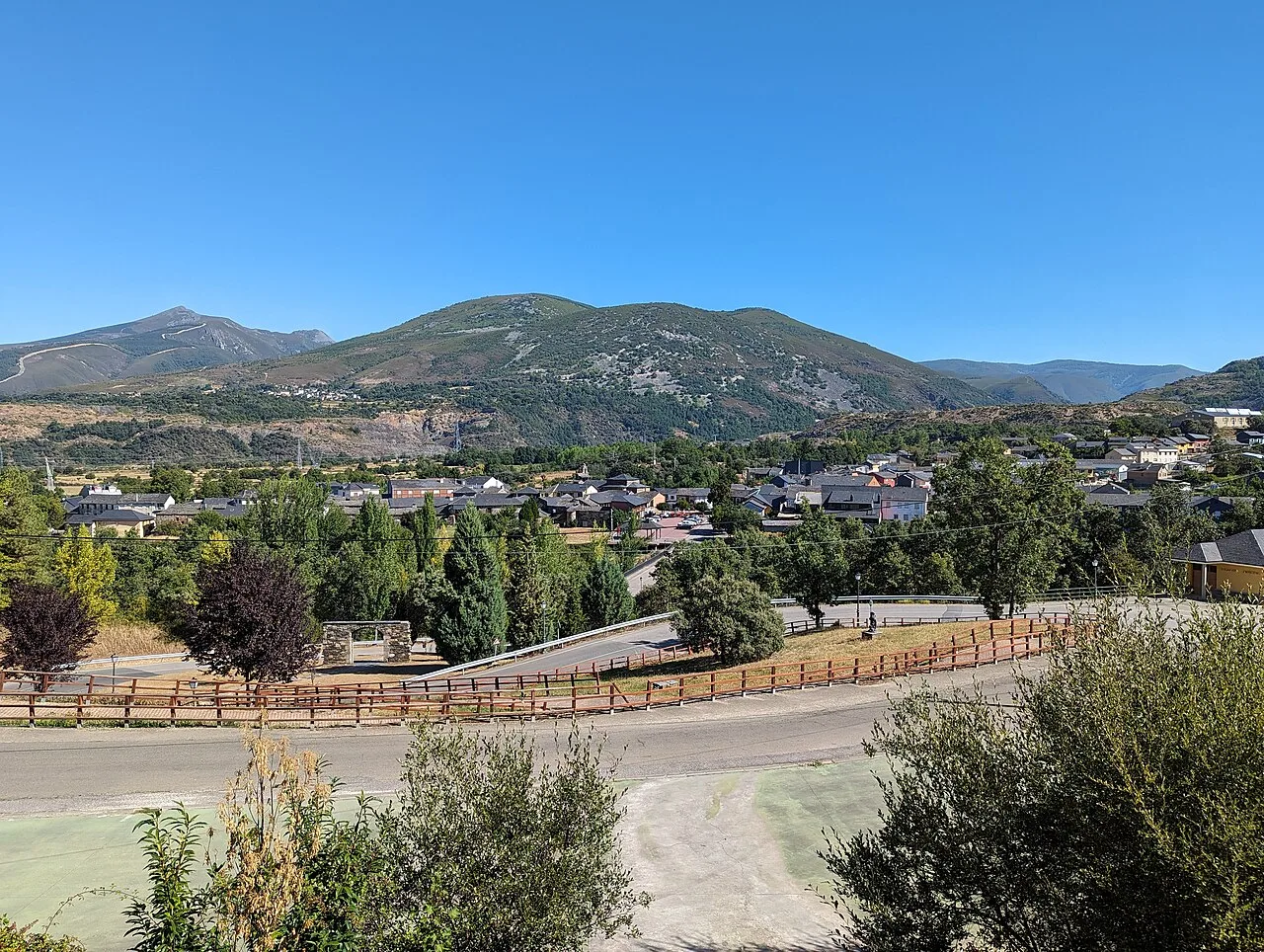
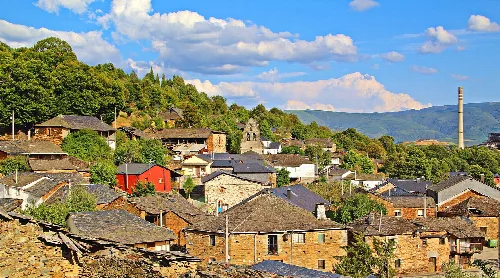
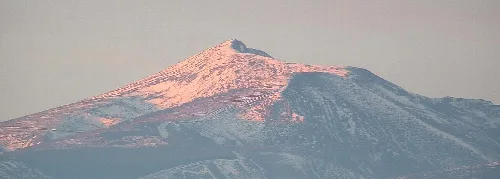
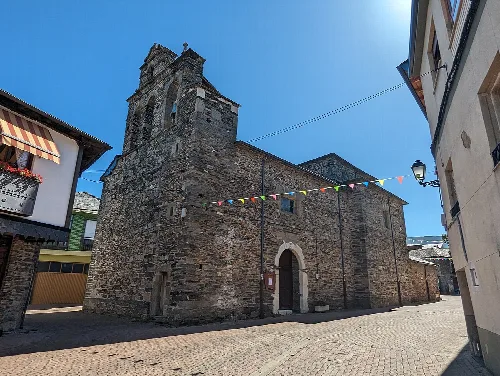
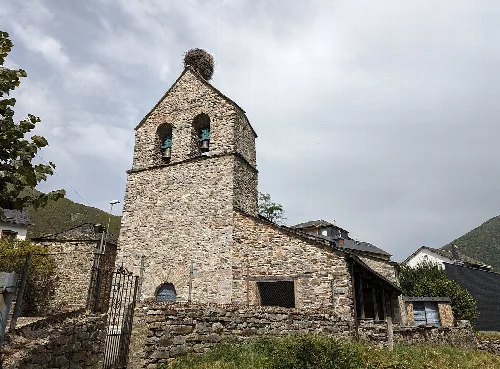
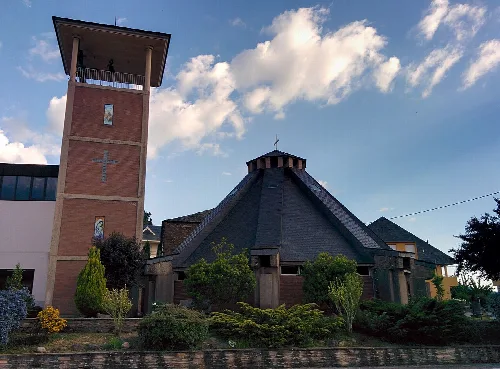
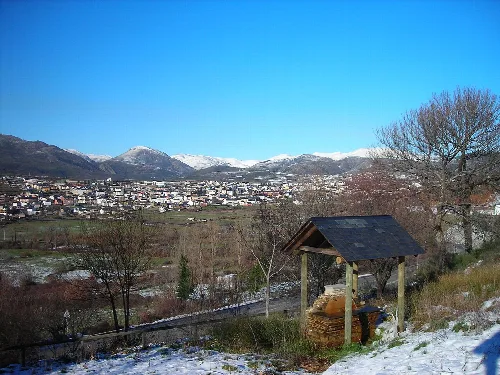
Páramo del Sil is known for its stunning natural landscapes, particularly the surrounding mountains like Miro and Catoute. Visitors can explore the rich flora and fauna, including protected bird species and diverse wildlife. The area also features historical sites, such as remnants of the ancient Asturian settlements and the medieval monastery of San Andrés de Espinareda.
Sights
What is the history of Páramo del Sil?
Páramo del Sil has a rich history dating back to pre-Roman times, with evidence of settlement as early as the 3rd century BC. It became part of the Kingdom of León during the Middle Ages, with significant developments in the mining sector in the 20th century. The town faced demographic changes due to industrial decline and migration patterns over the years.
History
What is the climate like in Páramo del Sil?
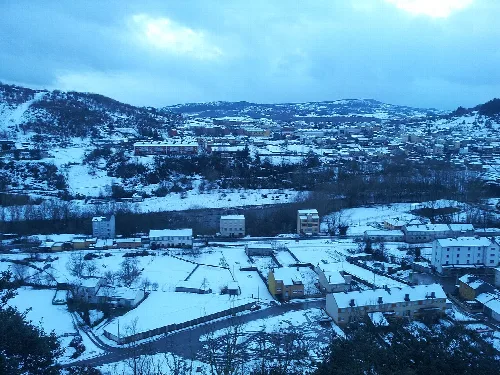
Páramo del Sil enjoys a temperate microclimate influenced by both Atlantic and Mediterranean factors. Winters are cold, with average temperatures around 2 °C, while summers are mild, averaging 18.5 °C. The area experiences significant rainfall, with an average of 1300 mm annually, and a prolonged frost season lasting up to nine months.
Nature
What wildlife can I expect to see in Páramo del Sil?
Páramo del Sil is home to diverse wildlife, including protected bird species like golden eagles and grouse. The area also hosts deer, wild boars, foxes, and even a small population of brown bears. The rich flora includes robust oak and chestnut trees, making it a great spot for nature enthusiasts and birdwatchers.
Nature
What traditional foods should I try in Páramo del Sil?
When visiting Páramo del Sil, be sure to try local specialties like botillo, cecina, and morcilla. The area is also known for its delicious chestnuts and the renowned Páramo onion, historically valued in neighboring regions. These traditional foods reflect the rich culinary heritage of the region.
Food & drink
What are the main festivals celebrated in Páramo del Sil?
Páramo del Sil hosts several vibrant festivals, including Las Nieves on August 5th, honoring the Virgen de las Nieves, and the Magosto and Mercado Tradicional in November, celebrating chestnuts and local crafts. The Feria y Jornadas de la Cebolla promotes the region's famous onion, enhancing community spirit and local culture.
Festivals & events
What is the significance of the Barrio de la Villa?
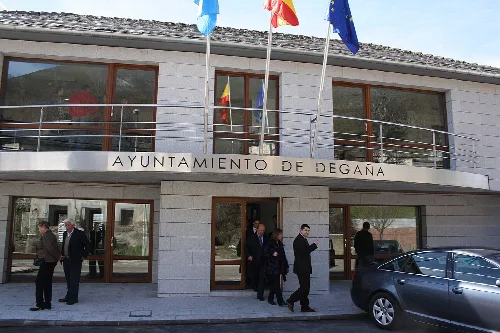
The Barrio de la Villa is the original neighborhood of Páramo del Sil, housing key local institutions such as the town hall and the community center. It is an important cultural and historical area, reflecting the town's development and serving as a hub for community activities.
Living there
Barrio de la Villa For residents
How has the mining industry affected Páramo del Sil?
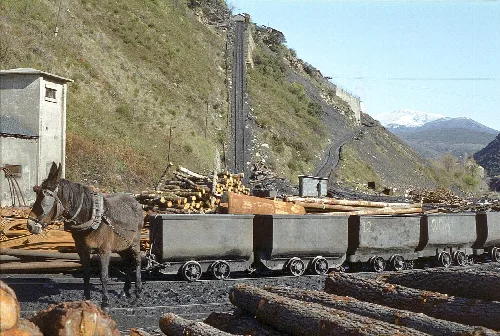
The mining industry significantly transformed Páramo del Sil, particularly during the 20th century, leading to population growth due to job opportunities. However, the decline of mining in the 1980s resulted in economic challenges and demographic shifts, as many residents sought work elsewhere, impacting the local community.
Living there
For residents
What can you tell me about the architecture in Páramo del Sil?
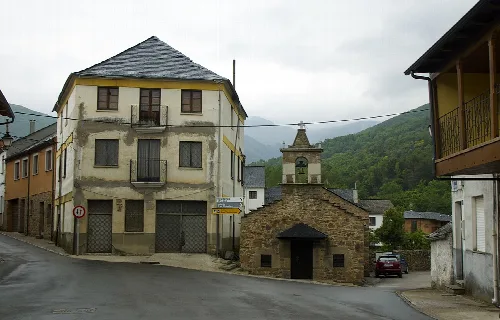
Páramo del Sil features traditional architecture, including stone constructions known as cortíns, which were used to protect beehives. The area also has historical mills and cabanos, which served as shelters for shepherds. These structures reflect the region's agricultural heritage and cultural identity.
Sights
What is the significance of the central thermal power plant in Anllares?
The thermal power plant in Anllares, operational since 1982, played a crucial role in Páramo del Sil's economy, providing jobs and energy. However, it was disconnected from the grid in December 2018 as part of Spain's transition away from coal, marking a significant change in the local economic landscape.
Living there
For residents
 espana.net