What can you tell me about the history of Alhaurín el Grande?
Alhaurín el Grande has a rich history, with evidence of various civilizations, including Romans and Arabs. It was conquered by the Catholic Monarchs in 1485 and later became part of the Crown of Castile. The town's name reflects its Arabic origins, with 'el Grande' added to distinguish it from Alhaurín de la Torre. Key historical sites include remnants of a Roman aqueduct and the Castillo de las Torres de Fahala from the Andalusian period.
History
What are some local festivals in Alhaurín el Grande?
Alhaurín el Grande hosts several local festivals, including the celebration of San Antón on January 17, featuring a blessing of animals. The festivities for San Sebastián occur in late January, with a procession through the town. In May, the Fiesta de la Cachorreña showcases local agriculture and cuisine. Additionally, the Virgen de Gracia is celebrated with processions in August, involving the decoration of neighborhoods.
Festivals & events
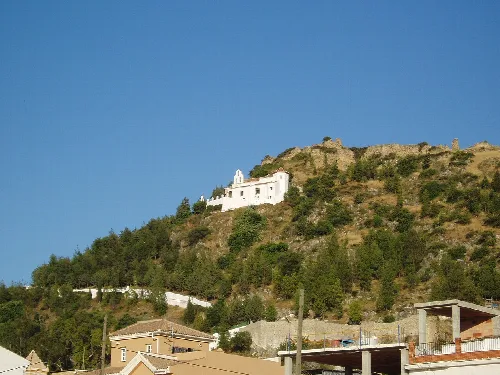
What is the significance of the Ermita de San Sebastián?
The Ermita de San Sebastián is the oldest chapel in Alhaurín el Grande, dedicated to the veneration of Nuestro Padre Jesús Nazareno. Documented since the 1492 repartition of lands, it may have originated from an ancient Arabic sanctuary. The chapel features a neobaroque retablo and houses several important images, making it a key site for local religious practices and celebrations.
Sights
Ermita de San Sebastián
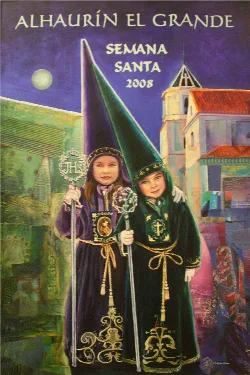
What can you tell me about the Semana Santa celebrations?
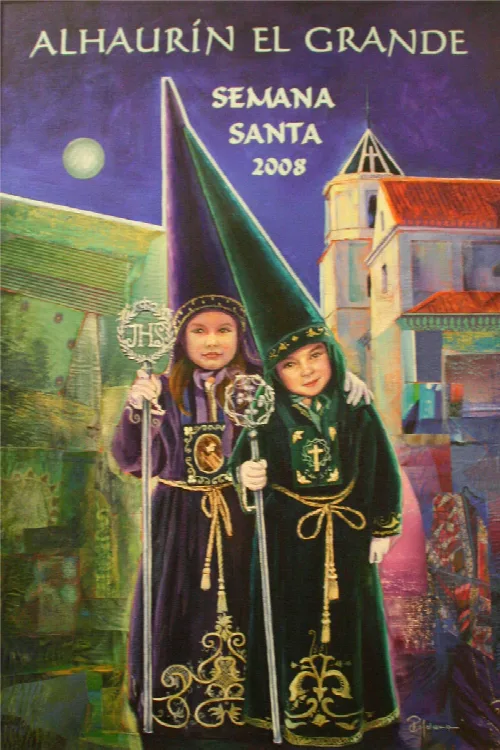
Semana Santa in Alhaurín el Grande is the most significant religious celebration, featuring processions and various events. The local cofradías, particularly the Santa Vera Cruz and Nuestro Padre Jesús Nazareno, play vital roles during this time. The processions include elaborate floats and traditional music, drawing both locals and visitors to participate in the solemn festivities.
Festivals & events
What is the Arco árabe del Cobertizo?
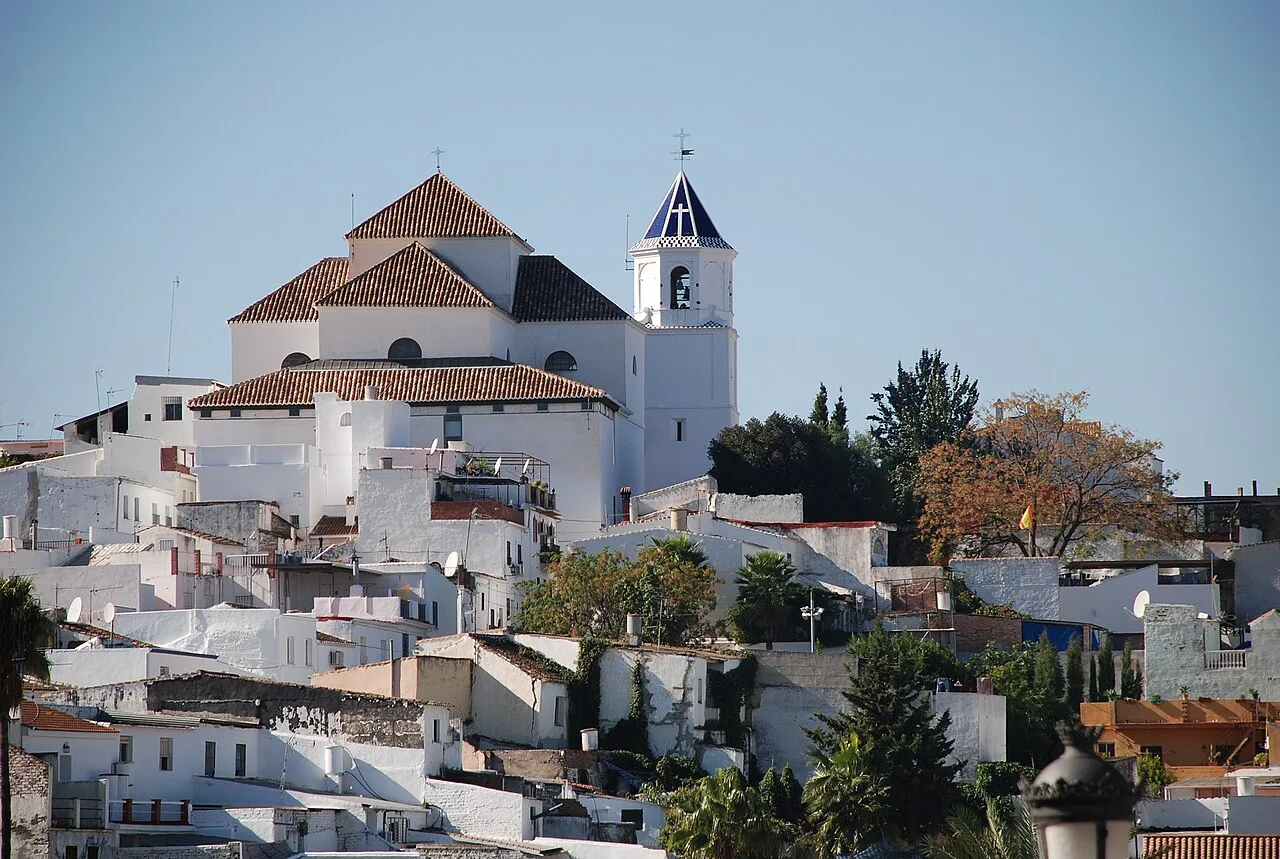
The Arco árabe del Cobertizo is a historical monument dating back to the 12th century. It is believed to have been part of a wall protecting the town and was located near the market where agricultural products were sold. Recently restored, it stands next to the Parroquia de la Encarnación and represents the town's rich Islamic heritage.
Sights
Arco árabe del Cobertizo
How is the local cuisine in Alhaurín el Grande?
Alhaurín el Grande features a rich culinary tradition, with dishes like cachorreña, a local specialty enjoyed during the Fiesta de la Cachorreña. The town also celebrates various food-related events, showcasing seasonal produce and traditional recipes. Visitors can expect to find a variety of local fruits and vegetables, reflecting the agricultural heritage of the region.
Food & drink
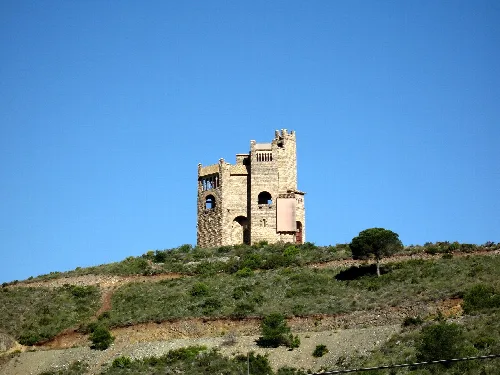
What is the Torre vigía de Urique?
The Torre vigía de Urique is an Arab watchtower that dates back to the medieval period. It served as a lookout point, providing stunning views of the Guadalhorce Valley. The tower is notable for its well-preserved structure and historical significance, representing the strategic importance of Alhaurín el Grande during the Arab period.
Sights
Torre vigía de Urique
What can residents expect from living in Alhaurín el Grande?
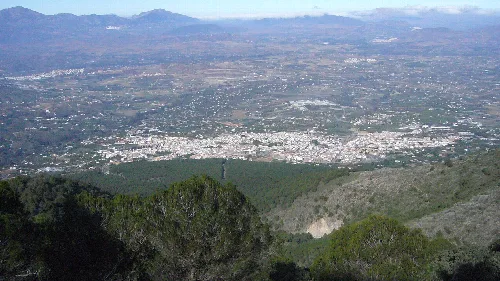
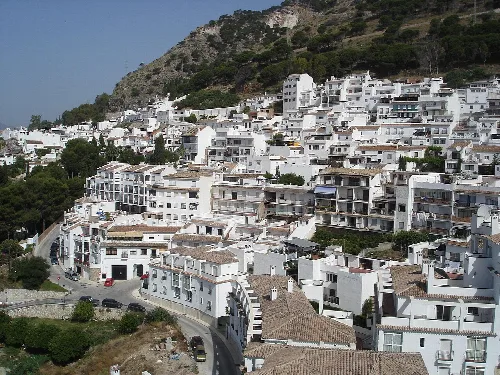
Living in Alhaurín el Grande offers a blend of historical charm and modern amenities. The town has a strong sense of community, with various cultural events and local festivals. Residents enjoy access to beautiful natural surroundings, including the nearby Sierra de Mijas, and benefit from good transport links to Málaga and other areas in Andalusia.
Living there
For residents
What is the Fuente Lucena?
Fuente Lucena, or the Fountain of the Twelve Taps, is a historical fountain located in the lower part of Alhaurín el Grande. Historically, it served as a water source for locals and was used for washing. The fountain's waters were believed to have healing properties and were utilized since Roman times, making it a significant landmark in the town.
Sights
Fuente Lucena
Are there any museums in Alhaurín el Grande?
Yes, Alhaurín el Grande hosts several museums, including the Museum of Agriculture, which showcases the agricultural heritage and tools of the region. The Museum of Bread highlights the traditional methods of bread-making, featuring historical artifacts. These museums provide insight into the local culture and history, making them worthwhile stops for visitors.
Sights
 espana.net