What is the history behind the Jewish Quarter in Ribadavia?
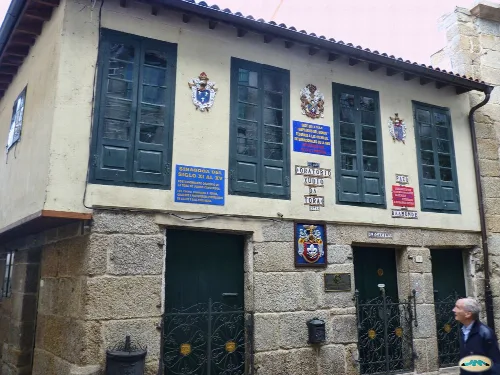
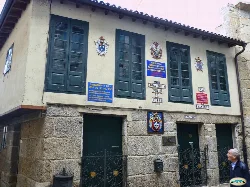
The Jewish Quarter in Ribadavia, known as Porta Nova, was significant during the Middle Ages when a thriving Jewish community settled there. They contributed to the local economy through trade and craftsmanship, particularly in viticulture. The area is now a national monument, preserving its medieval characteristics and reflecting the historical importance of the Jewish population in Ribadavia's development.
History
Jewish Quarter
What can I expect at the Festa da Istoria in Ribadavia?
The Festa da Istoria is a vibrant medieval festival in Ribadavia that celebrates its historical roots, particularly its Jewish heritage. Participants dress in period costumes and engage in various activities, including a Medieval Tournament and a simulated Jewish Wedding. The festival also features traditional crafts, food, and the use of a local currency, the maravedí, for transactions during the event.
Festivals & events
Festa da Istoria
What is the significance of the Church of San Juan in Ribadavia?
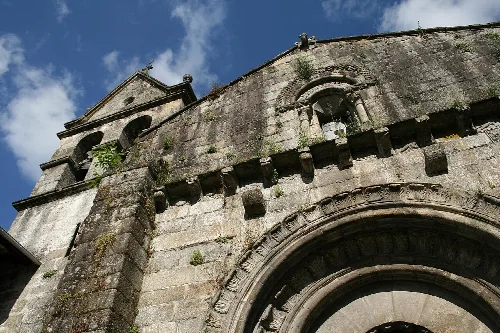
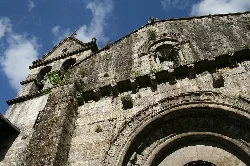
The Church of San Juan, dating back to the 12th century, is a notable temple of the Order of Malta in Ribadavia. It reflects the region's medieval architecture and religious history. The church played a role in the community's spiritual life and is an important landmark, showcasing the historical and cultural heritage of Ribadavia.
Sights
Iglesia de San Juan
How did Ribadavia become a center for wine production?
Ribadavia gained prominence in wine production during the 11th century, particularly under the influence of monastic communities that cultivated vineyards along the Miño River. The region's wine, known for its quality, became a significant export to Europe. By the 14th century, Ribadavia was recognized for its viticulture, earning the title of 'Mother of wine' in Spain.
History
What are the best ways to get to Ribadavia?
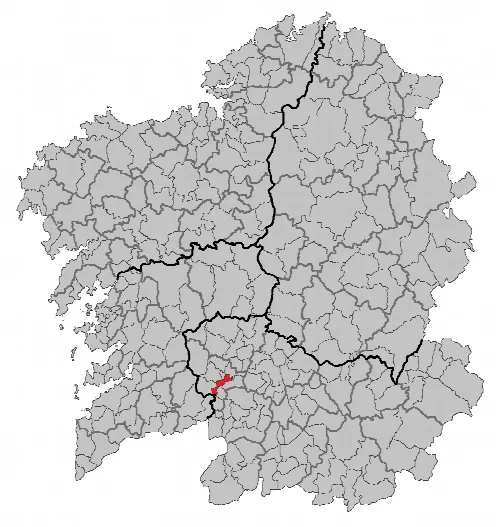
Ribadavia is well-connected by major roads, including the N-120 national road and the A-52 autovía. It's located 28 km from Ourense and 65 km from Vigo. Additionally, the town has a railway station that links it to cities like Ourense, Vigo, León, Valladolid, and Madrid, making it accessible for travelers.
Getting there
What outdoor activities can I enjoy in Ribadavia?
Ribadavia is surrounded by beautiful landscapes, including fertile valleys and the Miño River. Visitors can enjoy hiking and exploring the natural scenery, particularly in the nearby Sierra del Suído. The region's vineyards also offer opportunities for wine tours and tastings, allowing you to appreciate the local viticulture in a picturesque setting.
Nature
What is the local cuisine like in Ribadavia?
Ribadavia's cuisine reflects its Galician roots, with an emphasis on seafood, meats, and local wines. Traditional dishes often feature ingredients like octopus, empanadas, and various types of cheese. The region is particularly known for its Ribeiro wine, which pairs well with many local dishes, enhancing the dining experience.
Food & drink
Is Ribadavia a good place to live?
Ribadavia offers a charming small-town atmosphere with a rich history and cultural heritage. The community is close-knit, and the town is known for its annual festivals, such as the Festa da Istoria. With its beautiful natural surroundings and access to amenities, it can be an appealing place for those seeking a quieter lifestyle in Galicia.
Living there
For residents
What landmarks should I visit in Ribadavia?
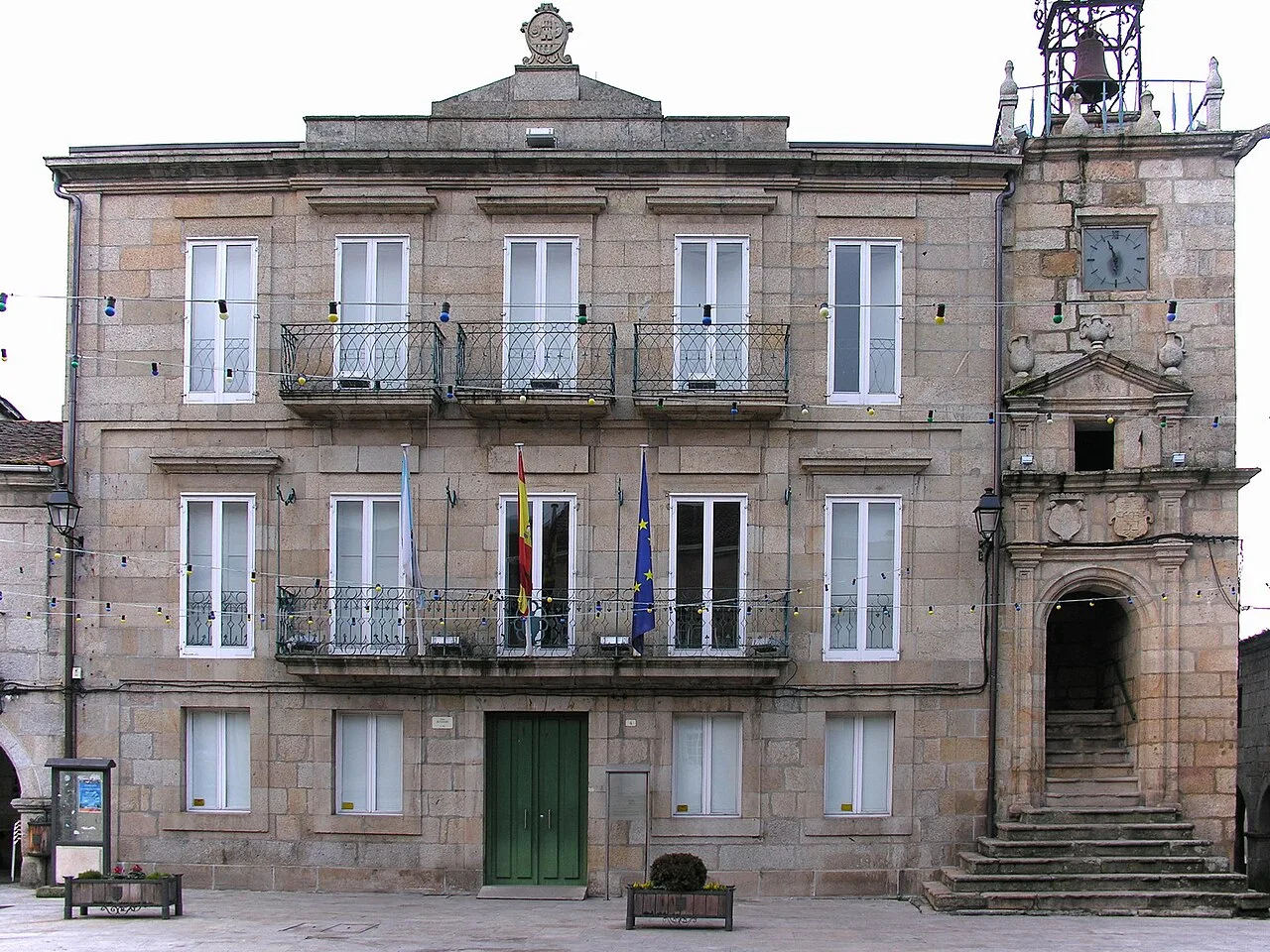
Ribadavia is home to several notable landmarks, including the historic Church of San Juan, the Jewish Quarter, and the Castle of Ribadavia. The town also features the Sanctuary of Nuestra Señora del Portal, which is part of a significant architectural ensemble. Each site reflects the town's rich history and cultural significance.
Sights
What is the importance of the Castle of Ribadavia?
The Castle of Ribadavia is a significant historical site that reflects the town's medieval past. It served as a fortress during the turbulent times of the Middle Ages and played a role in the defense of the region. Today, it stands as a testament to Ribadavia's rich history and offers visitors a glimpse into its architectural heritage.
History
Castle of Ribadavia
 espana.net