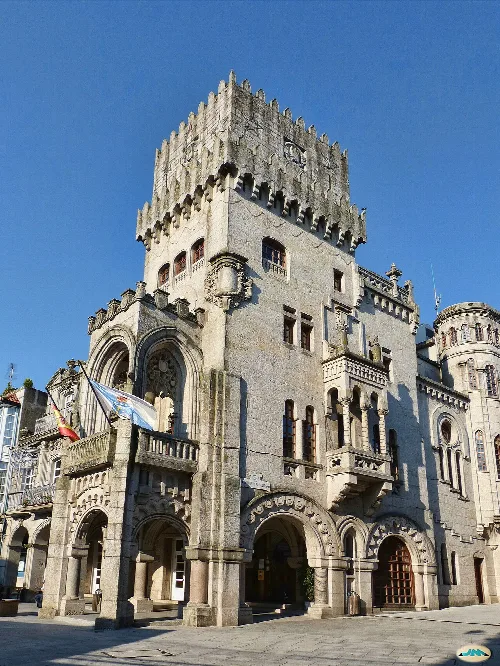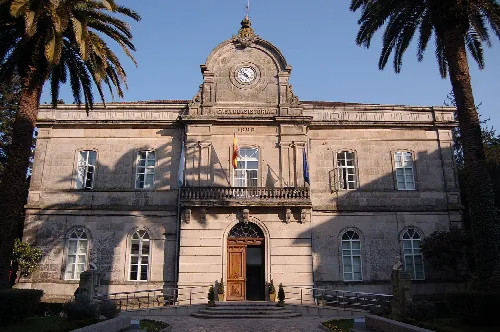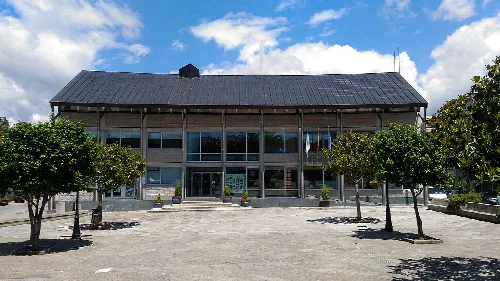
What is the Casa consistorial de Mos?
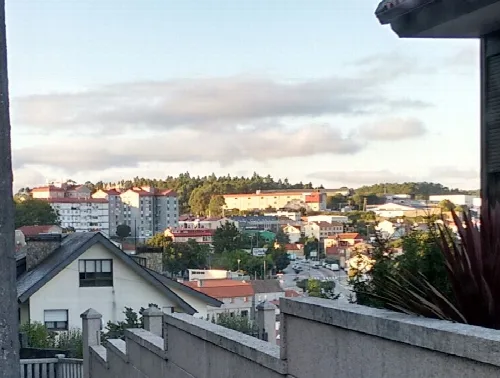
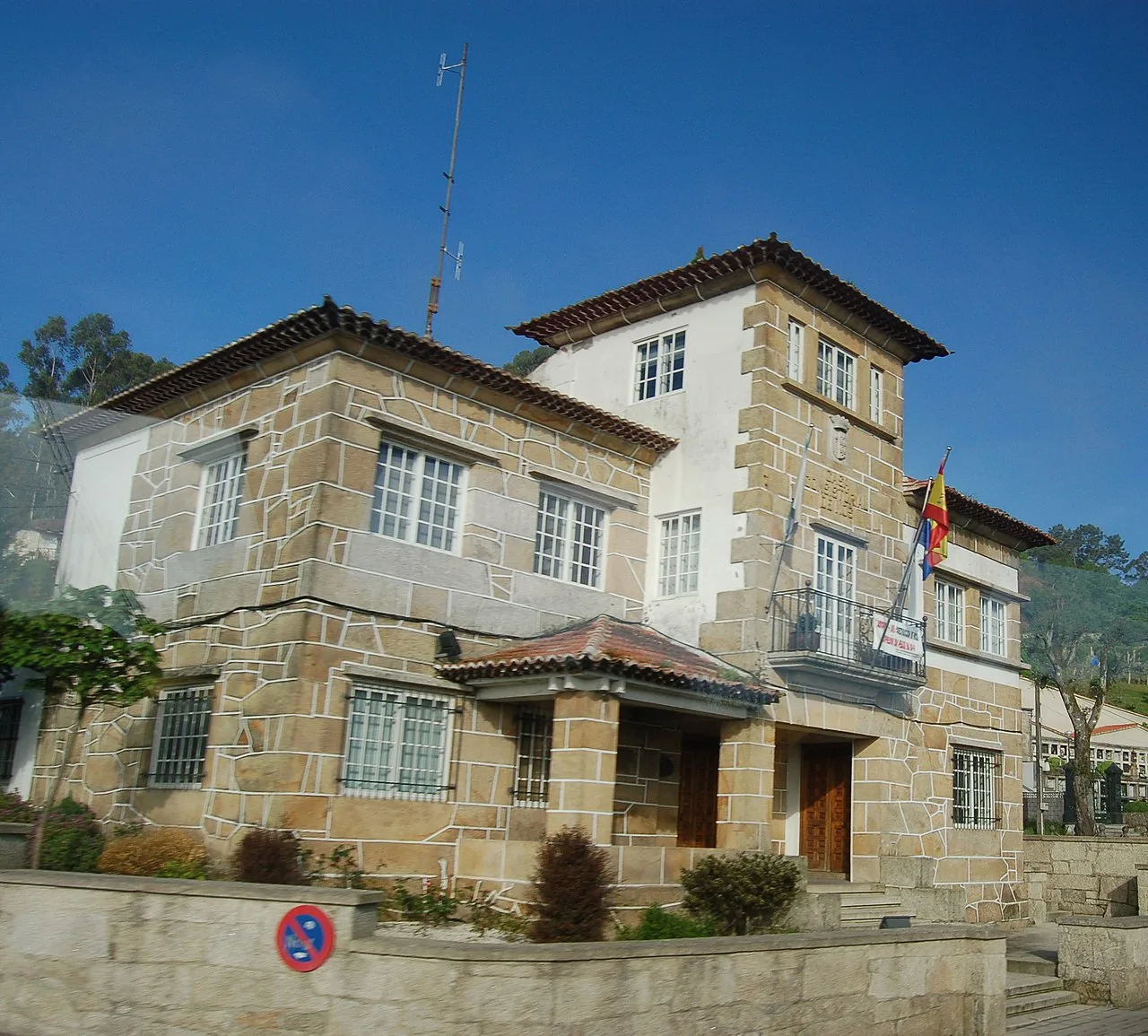
The Casa consistorial de Mos is the town hall of Mos, serving as the municipal government headquarters. It reflects the architectural style of the region and is a central point for local governance and community activities. The building symbolizes the administrative heart of the municipality, where important decisions regarding Mos are made.
Sights
Casa consistorial de Mos
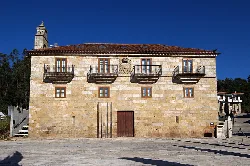
What can you tell me about the Pazo de Mos?
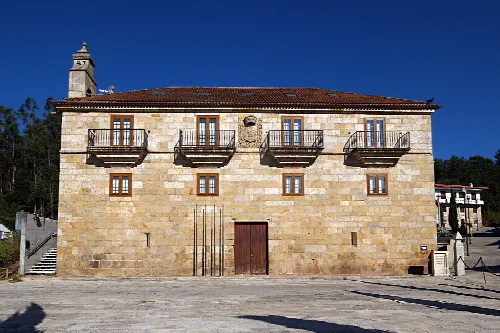
The Pazo de Mos is a historic palace dating back to the 16th century. It has been recently restored and is notable for its cultural significance in the area. The palace hosts various cultural and recreational activities, making it a focal point for community events and gatherings.
History
Pazo de Mos
What are the main industries in Mos?
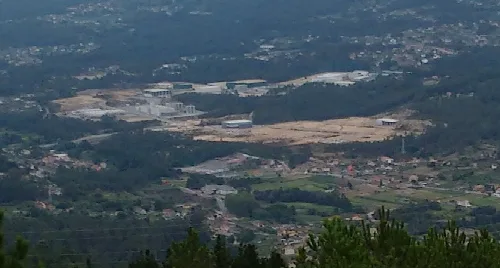
Mos has a strong industrial economy, primarily due to its strategic location along key transportation routes. The area features important industrial parks like A Veigadaña and Puxeiros, hosting businesses related to automotive, chemical-pharmaceutical, and aerospace sectors. However, the region has faced challenges with rising unemployment and business closures in recent years.
Living there
For residents
What is the Fiesta de la Rosa?
The Fiesta de la Rosa, or Festa da Rosa, is the official festival of Mos, celebrated on June 13. It honors the Rosa dos Quirós, the emblem of the town's coat of arms. This vibrant event features various activities, including music, food, and community gatherings, showcasing the local culture and traditions.
Festivals & events
How is the climate in Mos?
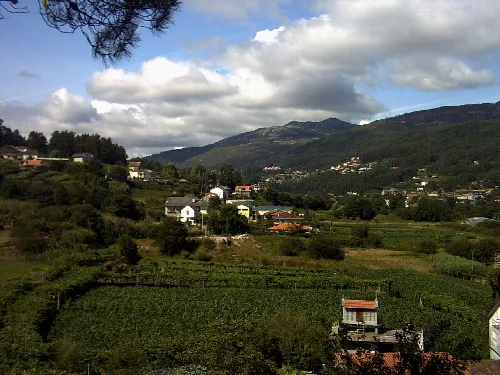
Mos experiences two distinct microclimates: a mountainous one and a valley one, both influenced by the Atlantic and Mediterranean climates. The average temperature is around 14.2°C, with a significant amount of annual rainfall. However, a seasonal drought occurs during the summer months, particularly in the valley region.
Nature
For residents
What archaeological sites are in Mos?
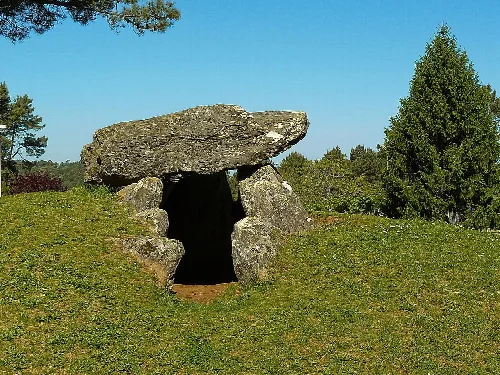
Mos is rich in archaeological heritage, featuring sites such as the petroglifos de Laxe das Cruces and Monte Salgueirón, as well as the ancient Castro de Torroso, which dates back to the 7th century BC. These sites reflect the area's long history of human settlement and cultural development.
History
What is the significance of the Camino de Santiago in Mos?
Mos is part of the Camino de Santiago, specifically the Portuguese route, which attracts many pilgrims each year. There is an albergue for pilgrims near the Pazo de Mos, providing accommodation and services for travelers. The route adds cultural and historical value to the municipality, enhancing its appeal.
Sights
What are the main transportation routes in Mos?
Mos is well-connected by several major transportation routes, including the N-550, AP-9, A-52, and A-55 highways. These roads facilitate easy access to surrounding areas like Vigo and Porriño, making Mos a strategic location for transport and logistics in southern Galicia.
Getting there
For residents
What is the Festival Intercéltico O son do Pazo?
The Festival Intercéltico O son do Pazo is celebrated during the first weekend of September at the Pazo de Mos. This festival showcases Celtic music and culture, attracting performers and visitors from various regions. It emphasizes the cultural ties of the area with Celtic heritage, providing a lively atmosphere for attendees.
Festivals & events
Pazo de Mos
Are there any notable sports teams in Mos?
Mos has a vibrant sports community with several notable teams, including the UD Mos football club and the Club Natación Mos for swimming. Other sports represented include basketball, kickboxing, and artistic skating, reflecting the town's commitment to promoting physical activity and community engagement through sports.
Living there
For residents
 espana.net