What is the history behind the Castillo de San Felices de los Gallegos?
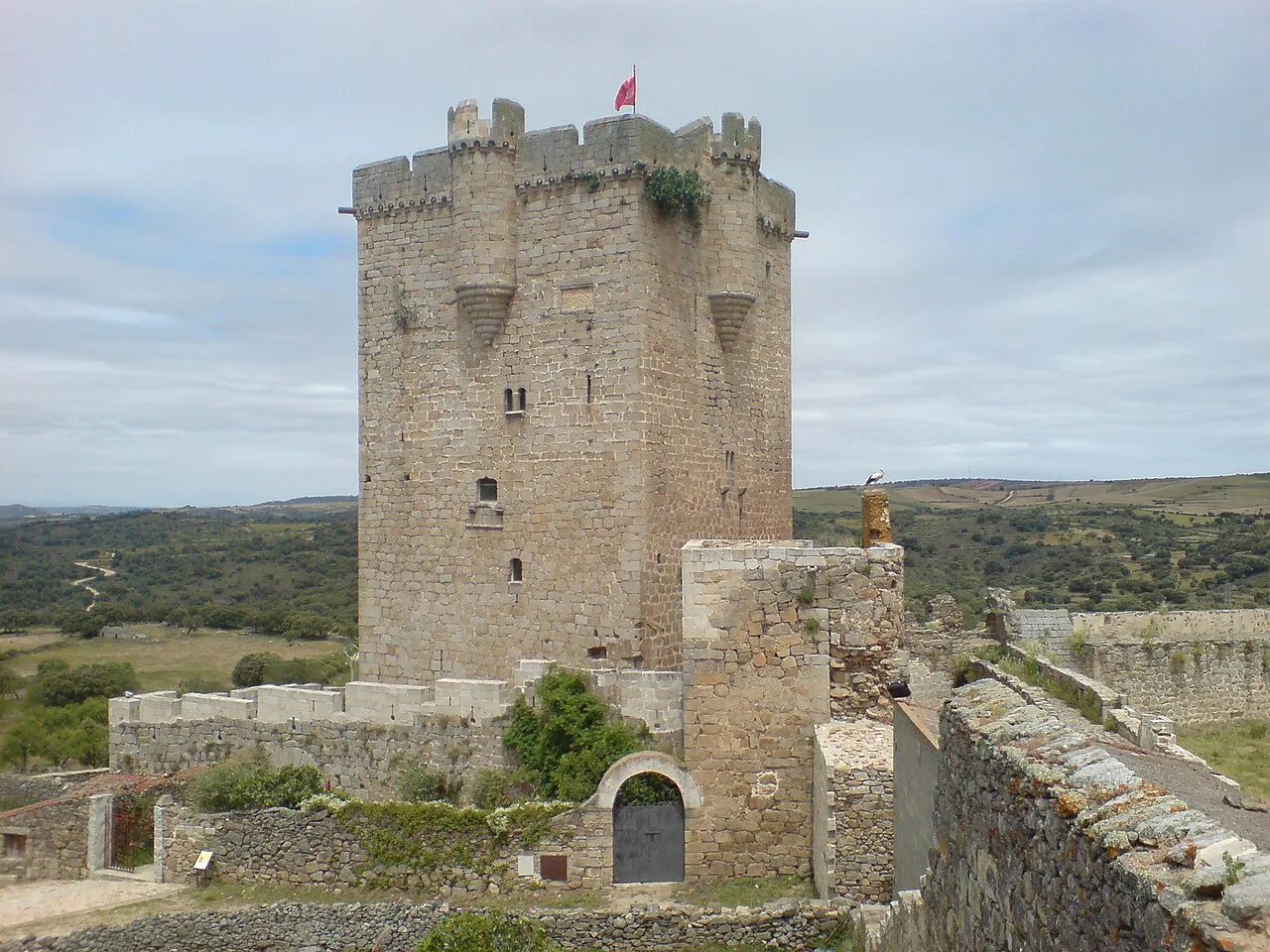
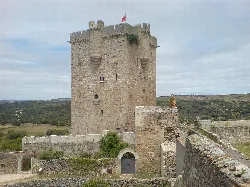
The Castillo de San Felices de los Gallegos, built in the late 13th century, was commissioned by King Dionisio I of Portugal after his troops occupied the village. It became a significant border fortification, especially after the Treaty of Alcañices in 1297, which confirmed the area’s ties to Portugal. The castle has been restored and now houses a center of interpretation detailing the village's history.
History
Castillo de San Felices de los Gallegos
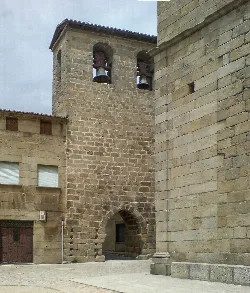
What can I see at the Torre de las Campanas?
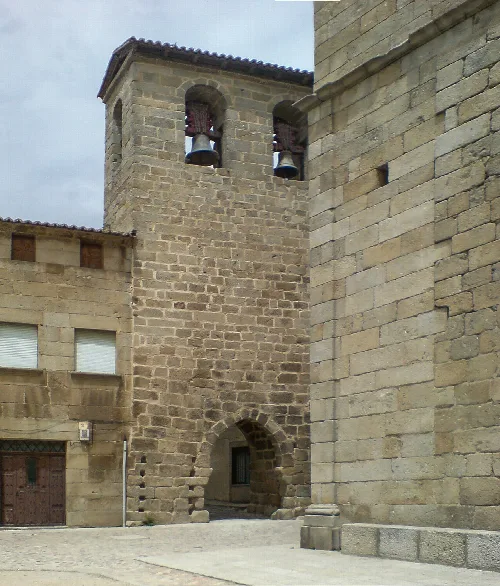
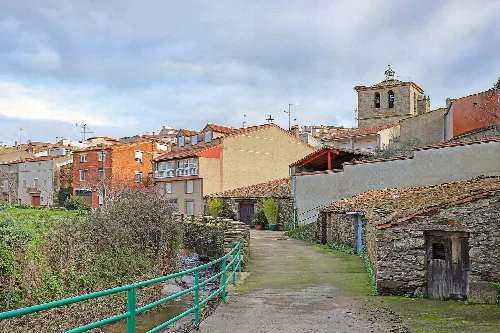
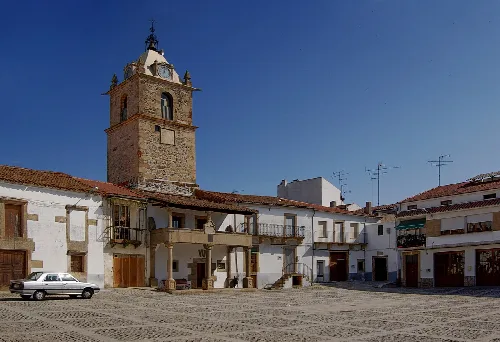
The Torre de las Campanas is a notable landmark in San Felices de los Gallegos, showcasing the town's historical architecture. This bell tower is part of the local heritage and adds to the charm of the area. Visitors can appreciate its unique design and the role it plays in the community's traditions and celebrations.
Sights
Torre de las Campanas
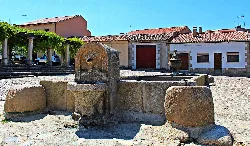
What is the significance of the Fuente in San Felices de los Gallegos?
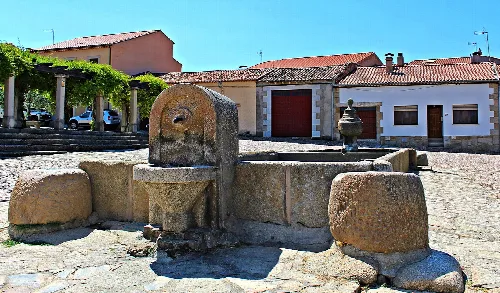
The Fuente in San Felices de los Gallegos is an important historical feature, reflecting the town's architectural style and communal life. It serves as a gathering point for residents and visitors alike, symbolizing the town's heritage and its connection to the natural water sources that have supported the community over the years.
Sights
Fuente
What are the main festivals celebrated in San Felices de los Gallegos?
San Felices de los Gallegos hosts several vibrant festivals, including the Santa Cruz in early May and Corpus Christi on a variable date. Notably, the Noveno festival, celebrated in the second weekend of May, commemorates the exemption from paying a portion of their harvests to the House of Alba, recognized as a Regional Tourist Interest event.
Festivals & events
What kind of food can I expect in San Felices de los Gallegos?
In San Felices de los Gallegos, visitors can enjoy traditional Castilian cuisine, which includes hearty dishes like roasted meats, stews, and local cheeses. The area's agricultural heritage influences the food culture, and local products are often featured in seasonal festivals, providing a taste of the region's culinary traditions.
Food & drink
How has the population of San Felices de los Gallegos changed over the years?
San Felices de los Gallegos has seen a significant population decline over the years. In 2000, the population was 645, but by 2018, it had dropped to 413. As of 2025, the population is recorded at 355. This decline reflects broader demographic trends affecting rural areas in Spain.
Living there
For residents
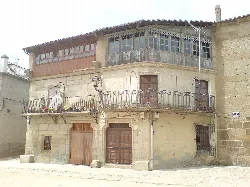
What makes the architecture in San Felices de los Gallegos unique?
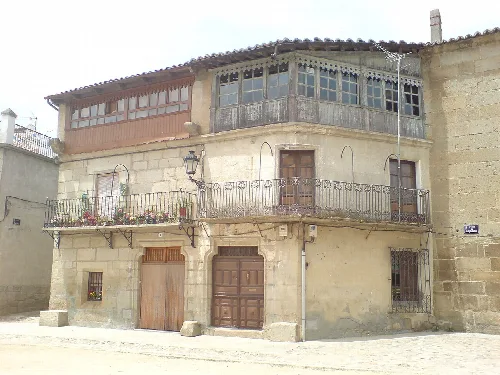
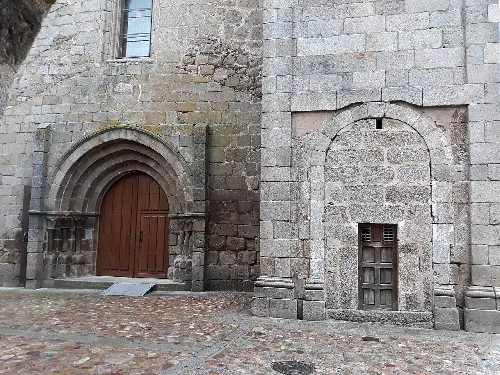
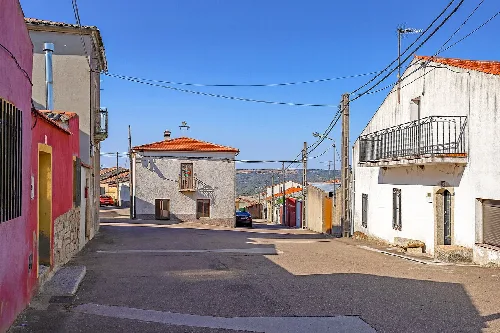
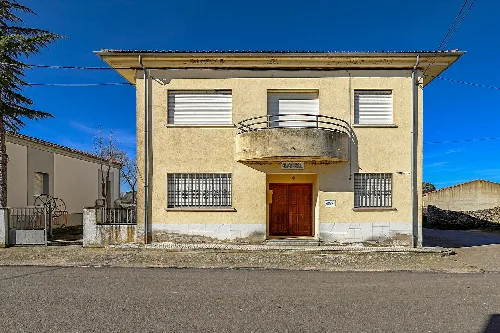
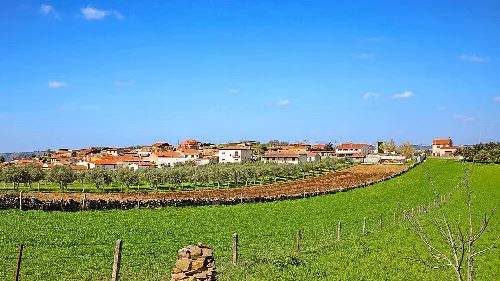
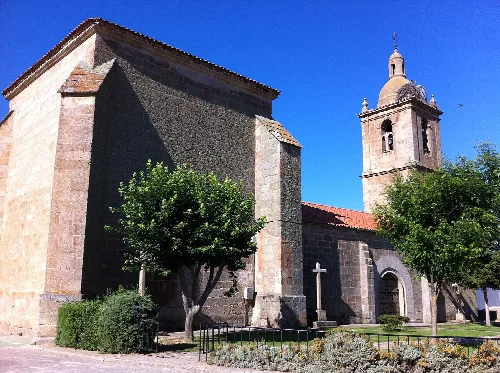
The architecture in San Felices de los Gallegos is characterized by traditional stone buildings that reflect its historical significance. Notable structures include the castle, various churches, and the popular architecture that showcases local craftsmanship. This blend of styles highlights the town's rich cultural heritage and historical evolution.
Nature
For residents
What outdoor activities can I do in the Arribes del Duero Natural Park?
In the Arribes del Duero Natural Park, visitors can engage in various outdoor activities such as hiking, birdwatching, and exploring the stunning landscapes. The park's diverse flora and fauna, along with its dramatic cliffs and river canyons, offer a perfect setting for nature enthusiasts and adventure seekers alike.
Nature
Is there a museum in San Felices de los Gallegos?
Yes, San Felices de los Gallegos features a Museum of Oil and a Museum of Stoneworking. These museums celebrate the town's local traditions and craftsmanship, providing insights into the historical significance of oil production and stone masonry in the region's development and economy.
Sights
What is the importance of the Noveno festival?
The Noveno festival in San Felices de los Gallegos is significant as it commemorates the community's historical exemption from paying a portion of their harvests to the House of Alba. Celebrated in May, this festival not only honors local history but also strengthens community bonds through shared traditions and festivities.
Festivals & events
For residents
 espana.net