What is the famous tree in Parque del Drago?
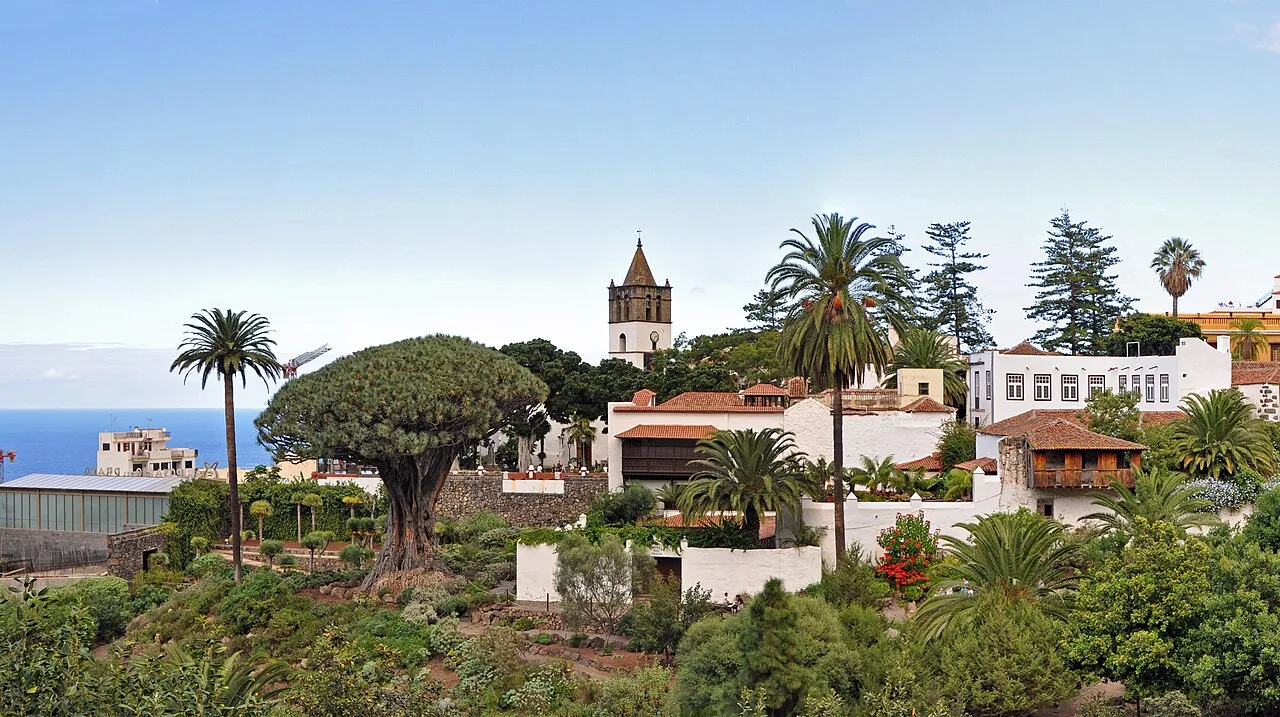
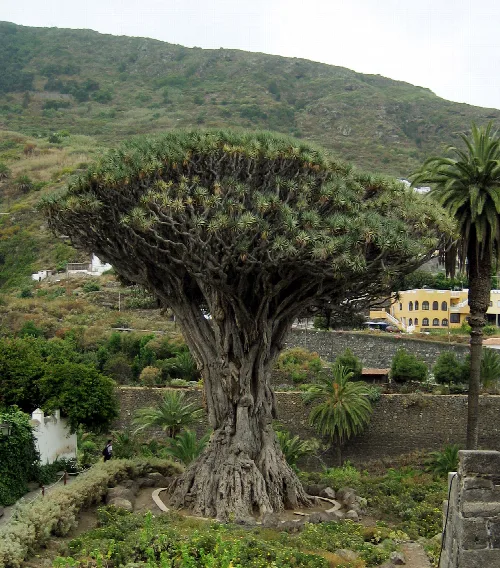
The famous tree in Parque del Drago is known as El Drago Milenario, or the Thousand-Year-Old Dragon Tree. This impressive tree stands 22 meters tall and has a lower trunk diameter of 10 meters. While its exact age is uncertain, it is believed to be several hundred years old and serves as a symbol of Icod de los Vinos.
Sights
Parque del Drago
What can I see at the Church of San Marcos?
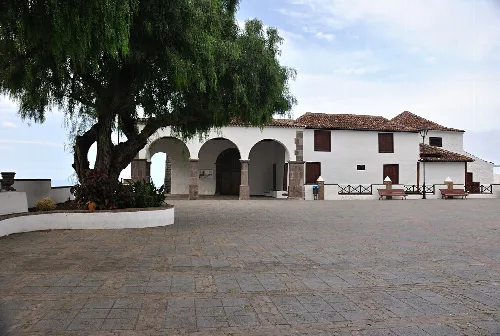
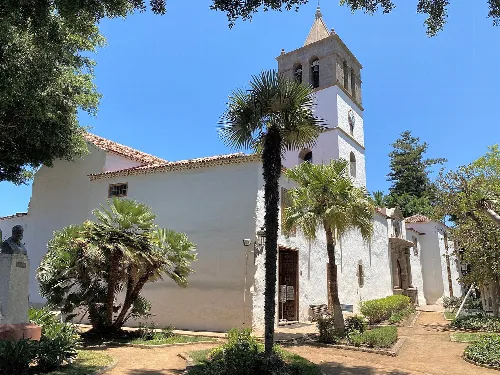
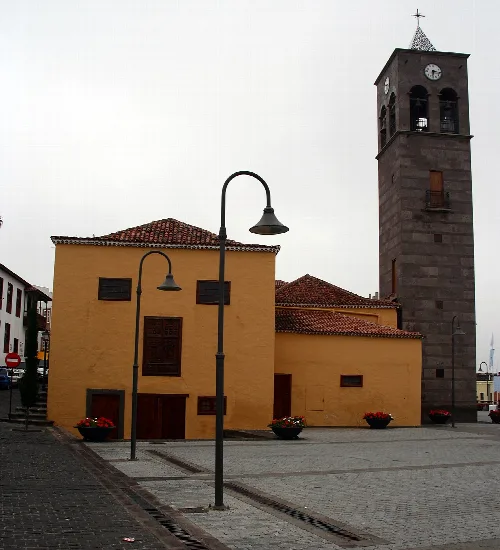
The Church of San Marcos, located in Plaza de Lorenzo Cáceres, features a stunning Canary-Islands-style architecture from the 16th century. Inside, you can find important religious images and valuable sculptures, including statues of St. Mark and Our Lady of the Kings, along with interesting paintings, including one of the Annunciation.
Sights
Church of San Marcos
What is the history behind Icod de los Vinos?
Icod de los Vinos was founded in 1501 and is known for its rich historical heritage, including seigniorial houses and ancient churches. The name reflects its roots in the former menceyato of Icoden and its association with local wine production, which was introduced by Spanish conquerors who cultivated grapevines in the fertile region.
History
What is the significance of the Plaza de La Pila?
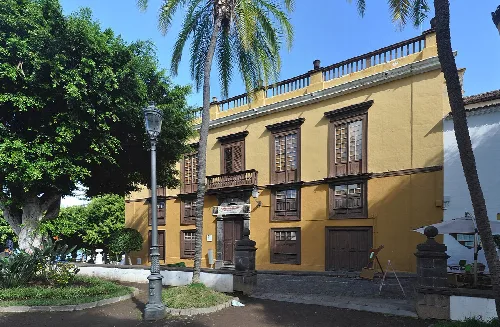
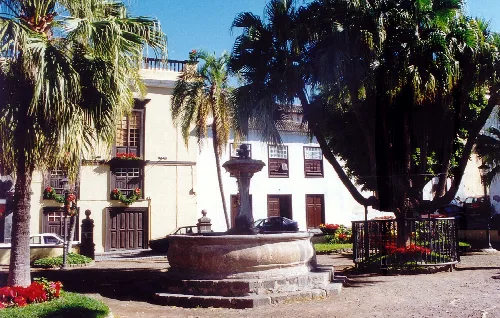
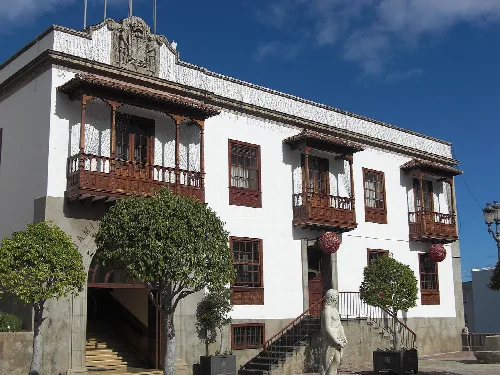
Plaza de La Pila is notable for its beautiful old homes and the Casa de los Cáceres, which now serves as a museum. The plaza also features a small botanic garden, making it a serene spot to enjoy the local flora while taking in the historical architecture surrounding it.
Sights
Plaza de La Pila
What is the annual festival of San Andrés like?
The festival of San Andrés, celebrated on November 29, involves tasting new wine and roasted chestnuts. A highlight is the thrilling tradition of sliding down steep streets on 'tablas' or boards, which originated from the need to transport wood. This vibrant event attracts many visitors from across the island.
Festivals & events
What are the traditional foods of Icod de los Vinos?
Icod de los Vinos is known for its unique gastronomy, featuring local dishes like papas arrugadas (wrinkled potatoes) served with mojos (sauces). Desserts such as bienmesabe, piononos, and leche asada highlight the region's culinary diversity, utilizing indigenous ingredients found only in the Canary Islands.
Food & drink
What is the Cueva del Viento?
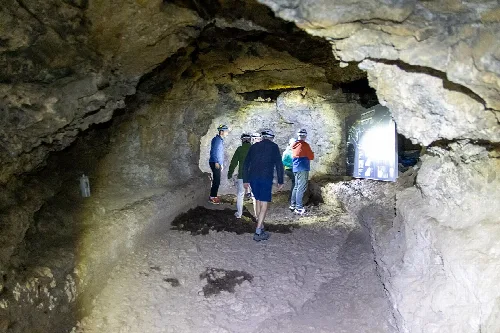
Cueva del Viento, located in Icod de los Vinos, is believed to be the largest volcanic cave in the world, stretching over 17 kilometers. This complex lava tube features a variety of geomorphological structures and unique fauna, making it a significant geological site in the European Union.
Nature
Cueva del Viento
What is the significance of the monument in Plaza de Lorenzo Cáceres?
In Plaza de Lorenzo Cáceres, there is a monument dedicated to General José Antonio Páez, who played a crucial role in Venezuela's independence. This monument reflects Icod's historical ties and honors the contributions of its inhabitants to broader historical events.
History
Plaza de Lorenzo Cáceres
What is the traditional celebration of Los Hachitos?
Los Hachitos is a vibrant celebration held on June 23 during the festival of San Juan Bautista. Participants carry torches made of rags soaked in petroleum, creating a magical spectacle of light as they parade through Icod de los Vinos, reflecting ancient fire cult traditions.
Festivals & events
How is life in Icod de los Vinos for residents?
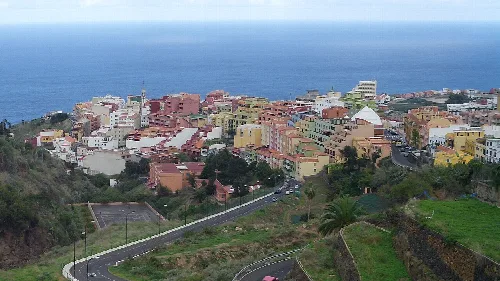
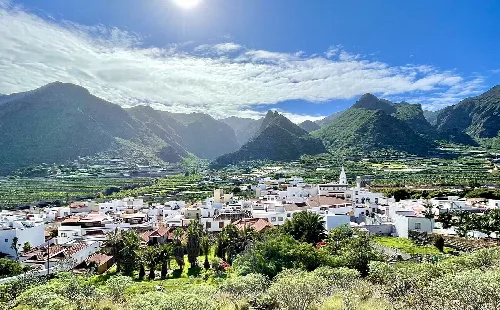
Life in Icod de los Vinos is enriched by its beautiful natural surroundings, including fertile valleys and views of Mount Teide. The community enjoys a blend of cultural traditions, local cuisine, and vibrant festivals, making it a charming place to live for its approximately 24,616 residents.
Living there
For residents
 espana.net