espana.net
 Enric, CC BY-SA 4.0
Catalonia
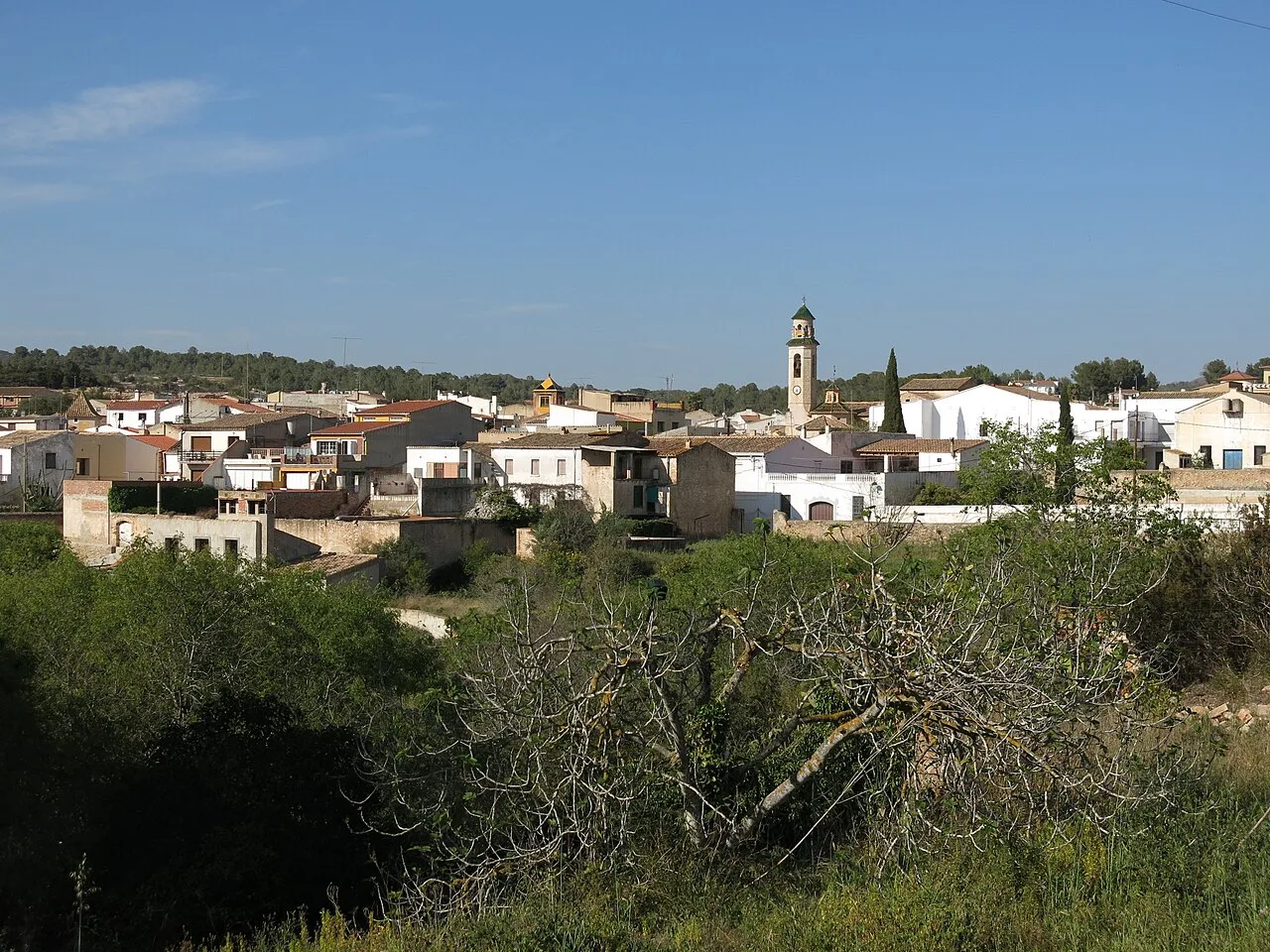
Salomó is a municipality in the Tarragonès region of Catalonia, Spain, known for its rich history and cultural traditions. With a small population, it features notable landmarks and vibrant festivals that reflect its local heritage.
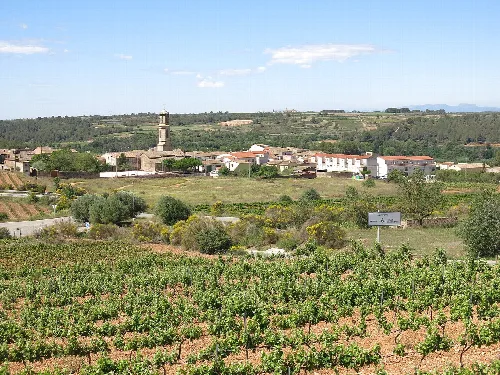
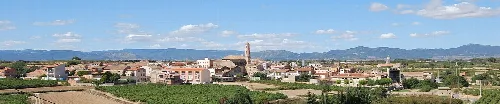
Located in the northeastern part of Tarragonès, Salomó is bordered by Alt Camp to the north and west, and Baix Penedès to the east. The town is situated within a triangle formed by Tarragona, Valls, and el Vendrell, approximately 20 km from each. The Gaià River delineates the western boundary, creating a deep valley, while the surrounding mountains include Montferri and the ranges of Bonastre.
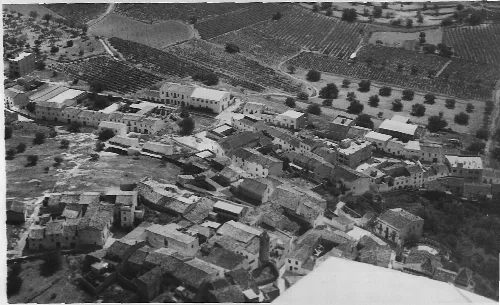
Salomó has a history that dates back to prehistoric times, evidenced by artifacts found in the Vergerars Cave. The first written records appear in the 11th century, when it was part of the Castle of Castellví de la Marca. The area has seen various rulers and significant events, including the cholera epidemic of 1885 and the phylloxera plague of 1892, leading to a decline in population throughout the 20th century.
Explore Salomó, a Catalonian municipality known for its cultural heritage and the Ball del Sant Crist de Salomó festival.
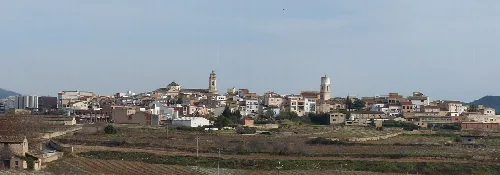
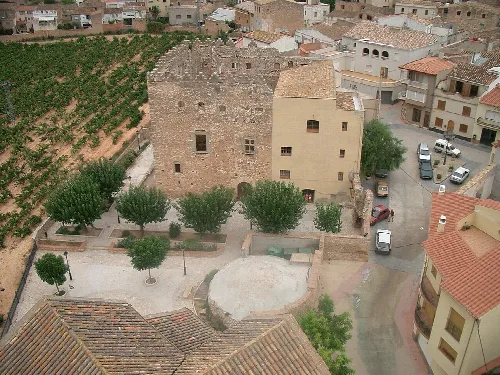
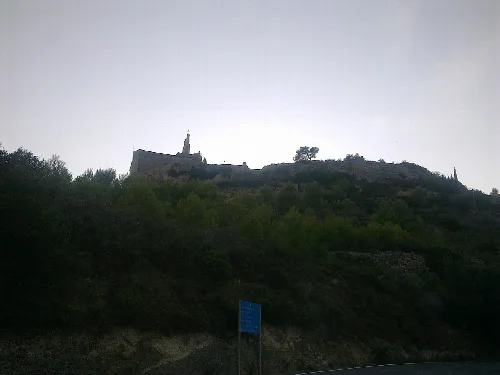
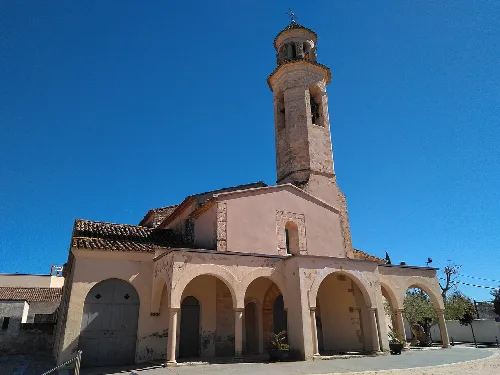
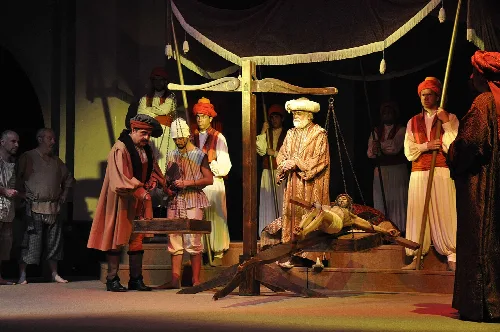
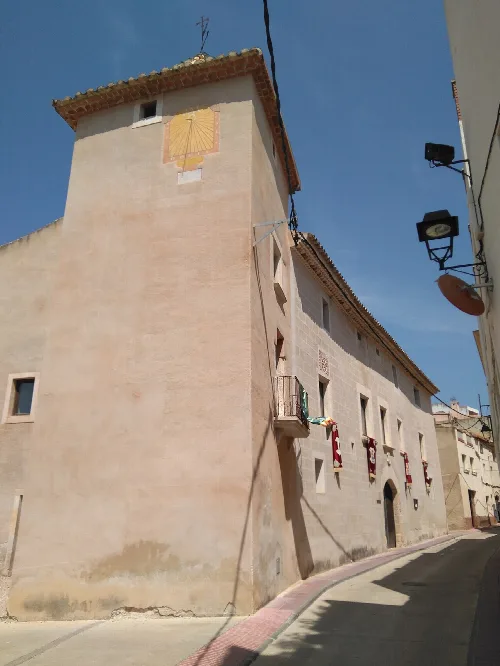
Salomó is home to several significant structures, including the parish church of Santa Maria, which features Romanesque elements, and the Chapel of Sant Crist, known for its Baroque style. The town also hosts the Ball del Sant Crist de Salomó, a medieval play recognized as a National Traditional Festival of Interest.
Own text, written with AI assistance from the facts in Wikipedia · Salomó · Data: Wikidata Q779424 · Photos: Wikimedia Commons, see individual licenses. · CC BY-SA 4.0