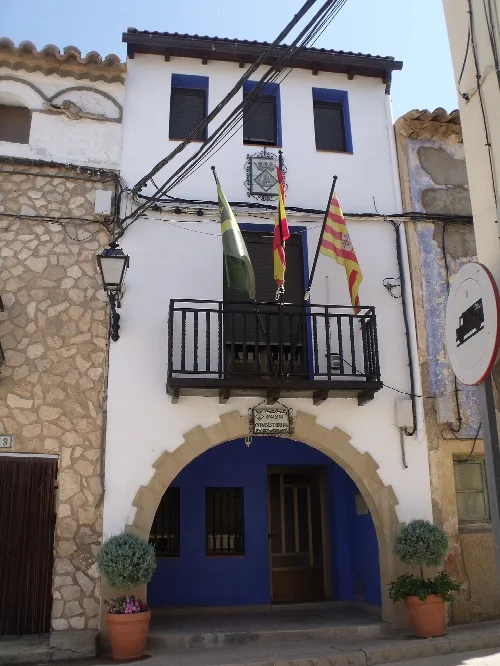
What is the history behind the name Híjar?
The name Híjar has ancient roots, originally known as Arse during the Roman Empire. It derives from the Hebrew word for 'mountain' and evolved through various languages, including Phoenician and Arabic, before reaching its current form. This reflects the area's rich historical tapestry and its significance throughout different eras.
History
What can you tell me about the Iglesia de Santa María la Mayor?
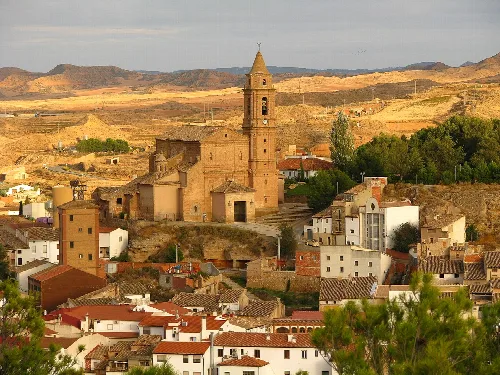
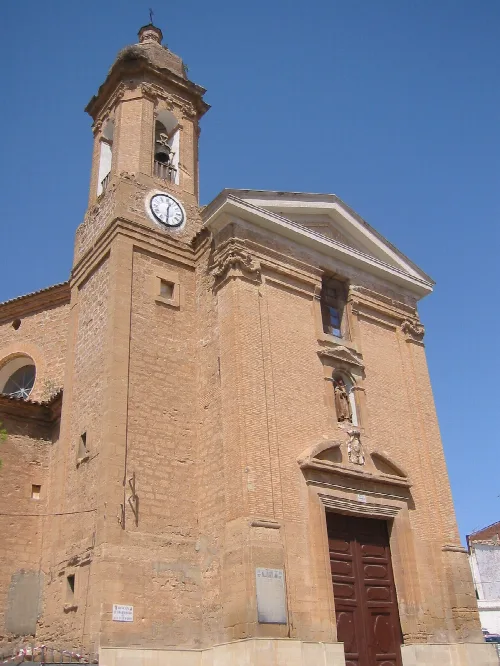
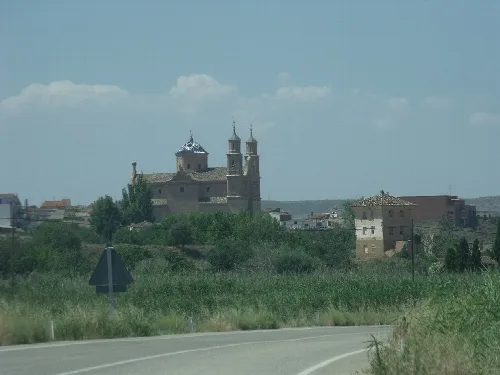
The Iglesia de Santa María la Mayor is a notable mudéjar church in Híjar, with construction beginning in the 14th century. It features a Renaissance facade and a unique interior layout. The church was declared a cultural heritage site and underwent rehabilitation between 2014 and 2015 after being closed due to structural concerns.
Sights
Iglesia de Santa María la Mayor
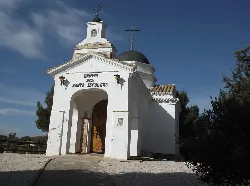
What is the Ermita del Calvario like?
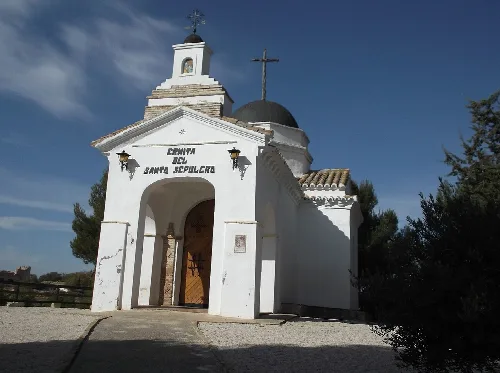
The Ermita del Calvario, built between 1719 and 1732, features a unique Greek cross design and is adorned with mid-20th-century murals. It is known for its impressive calvary, which includes a 'vía crucis' leading up to the chapel, making it a significant religious site in Híjar.
Sights
Ermita del Calvario
What are the main events in Híjar?
Híjar hosts several notable events, including the Semana Santa, recognized as a National Tourist Interest event, featuring continuous drum beats and impressive processions. The Tamborixar festival celebrates drums and percussion, while the Festivity of San Antón involves community gatherings and traditional food.
Festivals & events
How is the natural landscape around Híjar?
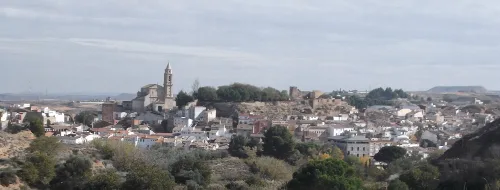
Híjar is characterized by a unique landscape, featuring the Martín River valley and steppes that alternate between rolling hills and plains. The area is rich in natural beauty, with a diverse ecosystem that supports various flora and fauna, making it appealing for nature lovers.
Nature
What is the significance of the Semana Santa in Híjar?
The Semana Santa in Híjar is of great cultural importance, declared a National Tourist Interest event since 1980. It features elaborate processions and the continuous sound of drums, creating a unique atmosphere that attracts visitors and showcases local traditions and religious fervor.
Festivals & events
What are the living conditions like in Híjar?
Living in Híjar offers a blend of historical charm and natural beauty, with a small population of 1,766. The town provides a peaceful lifestyle, characterized by community events and a rich cultural heritage, making it an attractive option for those seeking a quieter life in Aragon.
Living there
For residents
What can you tell me about the local cuisine in Híjar?
Híjar's local cuisine features traditional dishes often prepared during community events and festivals. Dishes typically include roasted meats, especially during the Festivity of San Antón, where locals enjoy barbecued pork and lamb, reflecting the region's agricultural heritage.
Food & drink
What is the architecture like in Híjar?
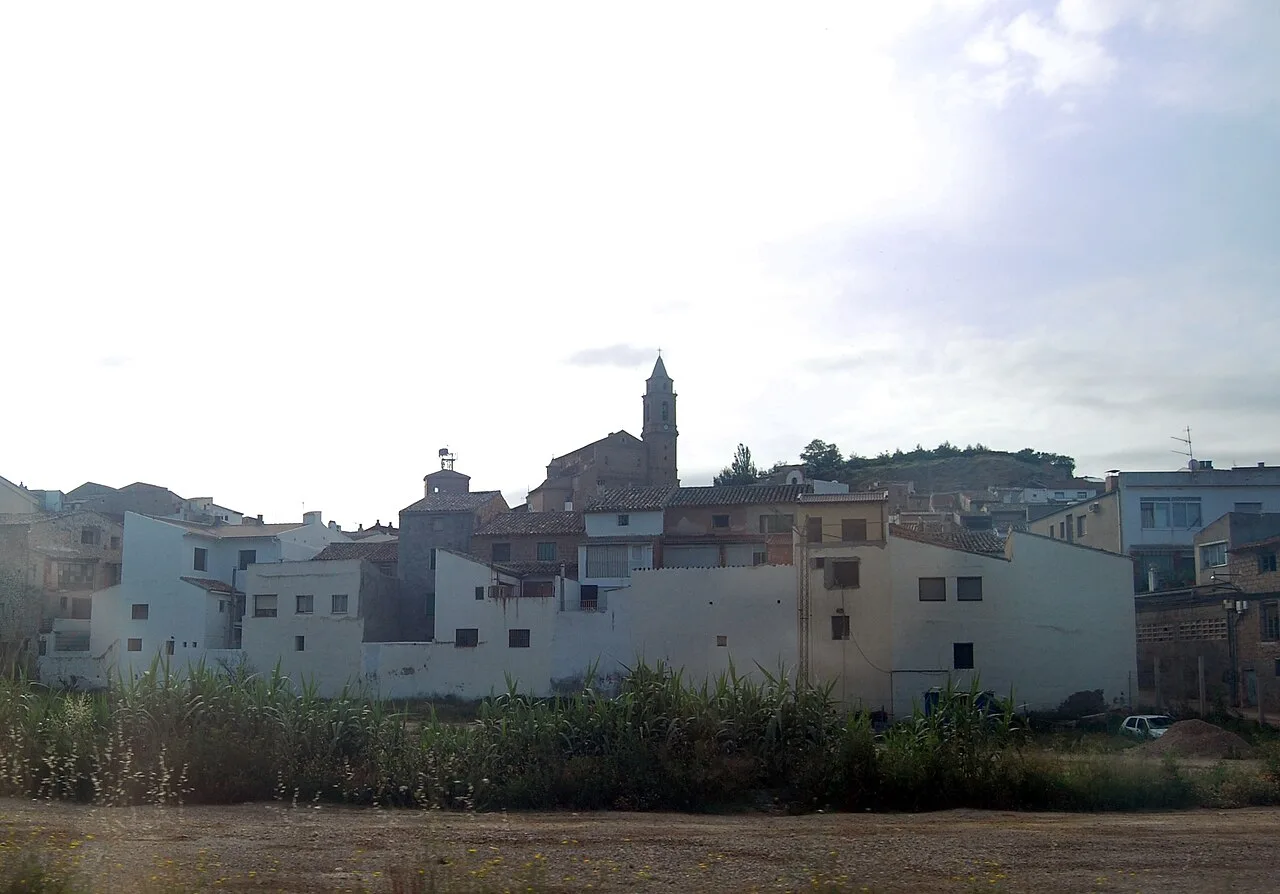
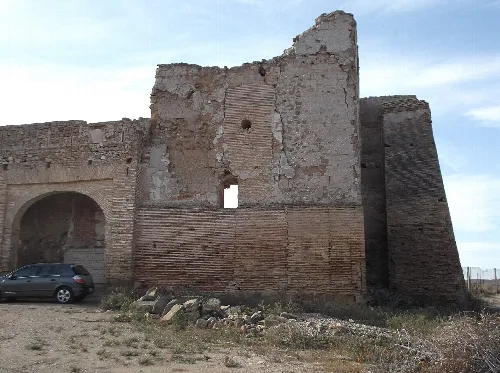
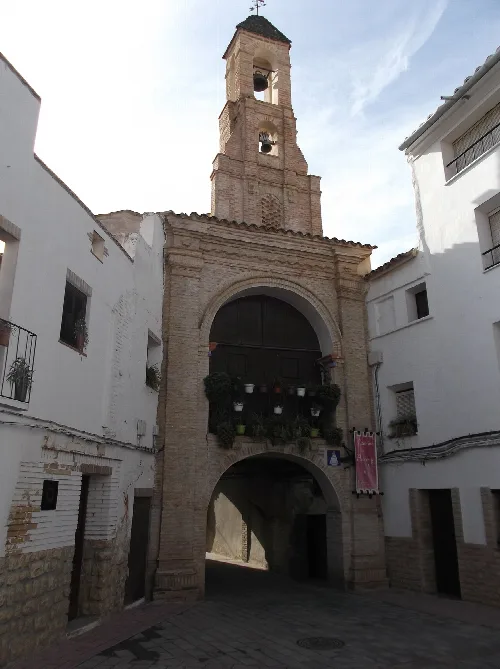
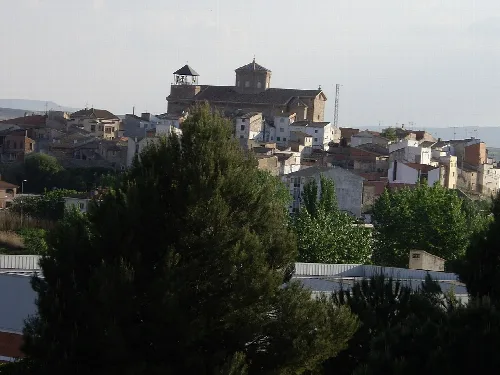
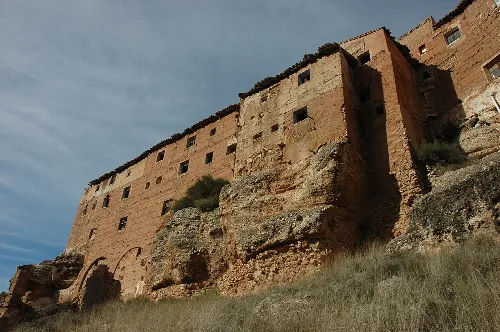
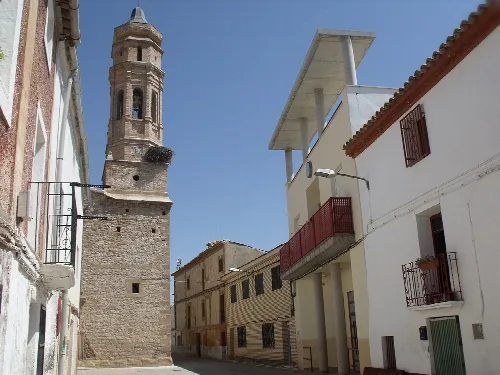
Híjar boasts a mix of architectural styles, including mudéjar churches and historical buildings like the Castillo palacio of the Duques de Híjar. The town's religious architecture reflects its historical significance, while the narrow streets of the old Jewish quarter showcase its medieval heritage.
Sights
What are the main roads leading to Híjar?
Híjar is well-connected by major roads, including the national N-232 and regional A-224 and A-1406. These routes facilitate access to nearby towns and the provincial capital, making it convenient for residents and visitors traveling to and from the area.
Getting there
For residents
 espana.net