espana.net
 Luis Maroto Tordesillas 30, CC BY-SA 4.0
Castilla–La Mancha
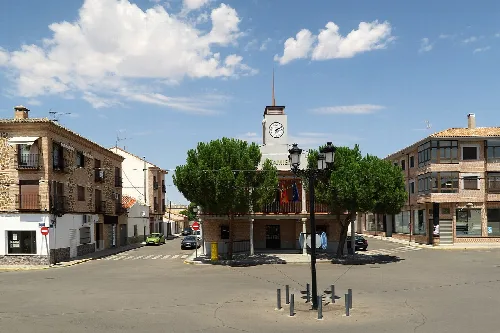
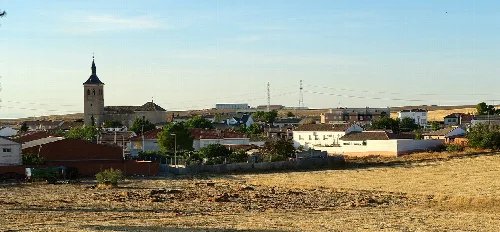
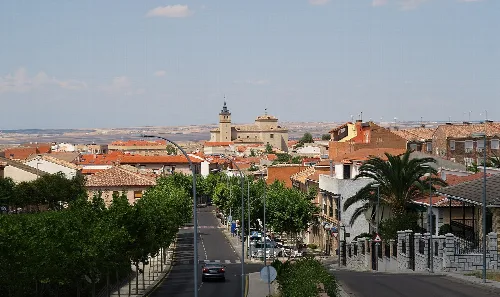
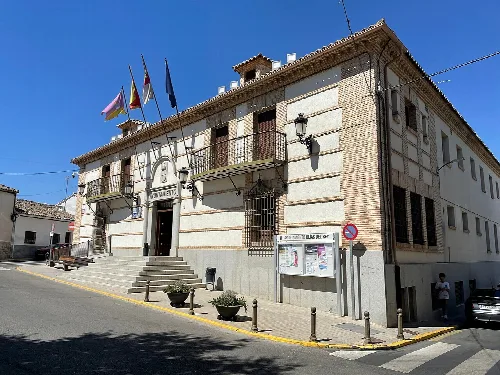
Olías del Rey is a municipality located in the province of Toledo, within the autonomous community of Castilla–La Mancha. Characterized by its agricultural heritage and historical significance, it features a mix of cultural influences from its past, including Arabic and Christian elements.
The name "Olías" may derive from the Arabic "uliyya," meaning 'height,' reflecting the municipality's elevated location. Alternatively, it could stem from the Latin "oliva," referencing the region's long-standing olive cultivation. The term "Rey" was added in the 18th century when Felipe V granted it the title of Villa. Olías del Rey is situated in La Sagra, bordered by Yunclillos and Cabañas de la Sagra to the north, and features the Juan Lobar stream, a tributary of the Tajo.
Archaeological findings indicate human presence since the Upper Paleolithic, with evidence of a Roman settlement at Olihuelas. The area was significant during the Middle Ages, with references to a mosque and the presence of Mozarabic communities. Olías del Rey was first documented in 1146 and gained prominence as a resting point for travelers heading to Toledo.
Discover Olías del Rey, a historic municipality in Toledo, Castilla–La Mancha, known for its agricultural roots and rich cultural heritage.
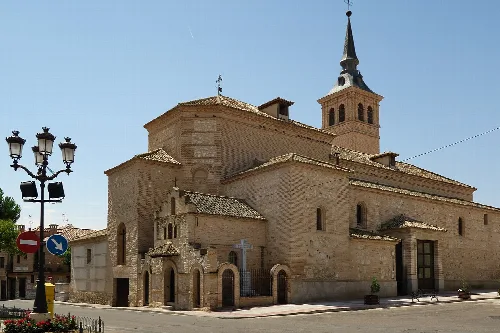
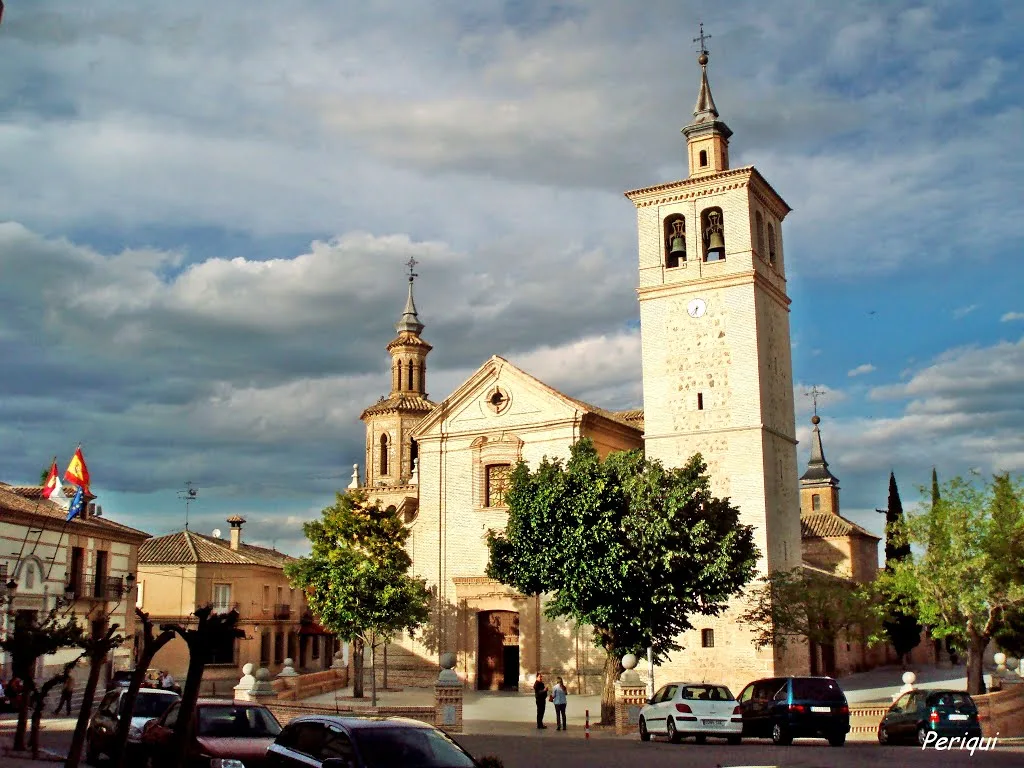
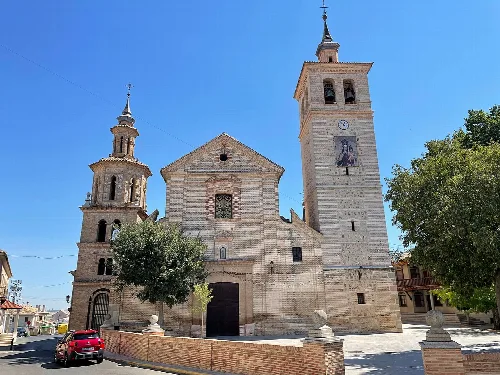
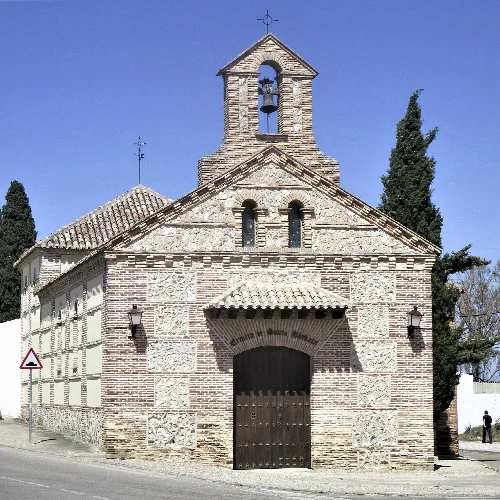
Historically, Olías del Rey's economy was primarily agricultural, producing cereals, oil, wine, and sheep. In recent years, the service sector has become predominant, accounting for a significant portion of local businesses. The municipality also boasts notable heritage sites, including the Ermita de Santa Bárbara and the Iglesia parroquial de San Pedro Apóstol, which reflect its rich architectural history.
Own text, written with AI assistance from the facts in Wikipedia · Olías del Rey · Data: Wikidata Q674525 · Photos: Wikimedia Commons, see individual licenses. · CC BY-SA 4.0