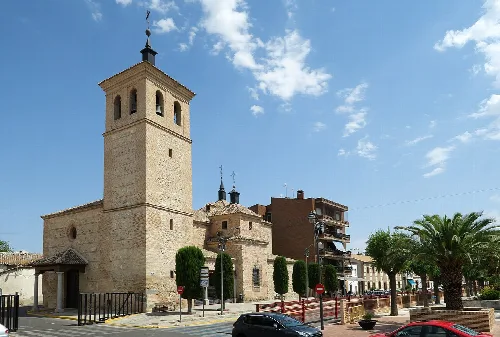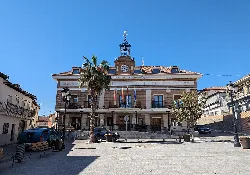
What is the Casa Consistorial de Recas?
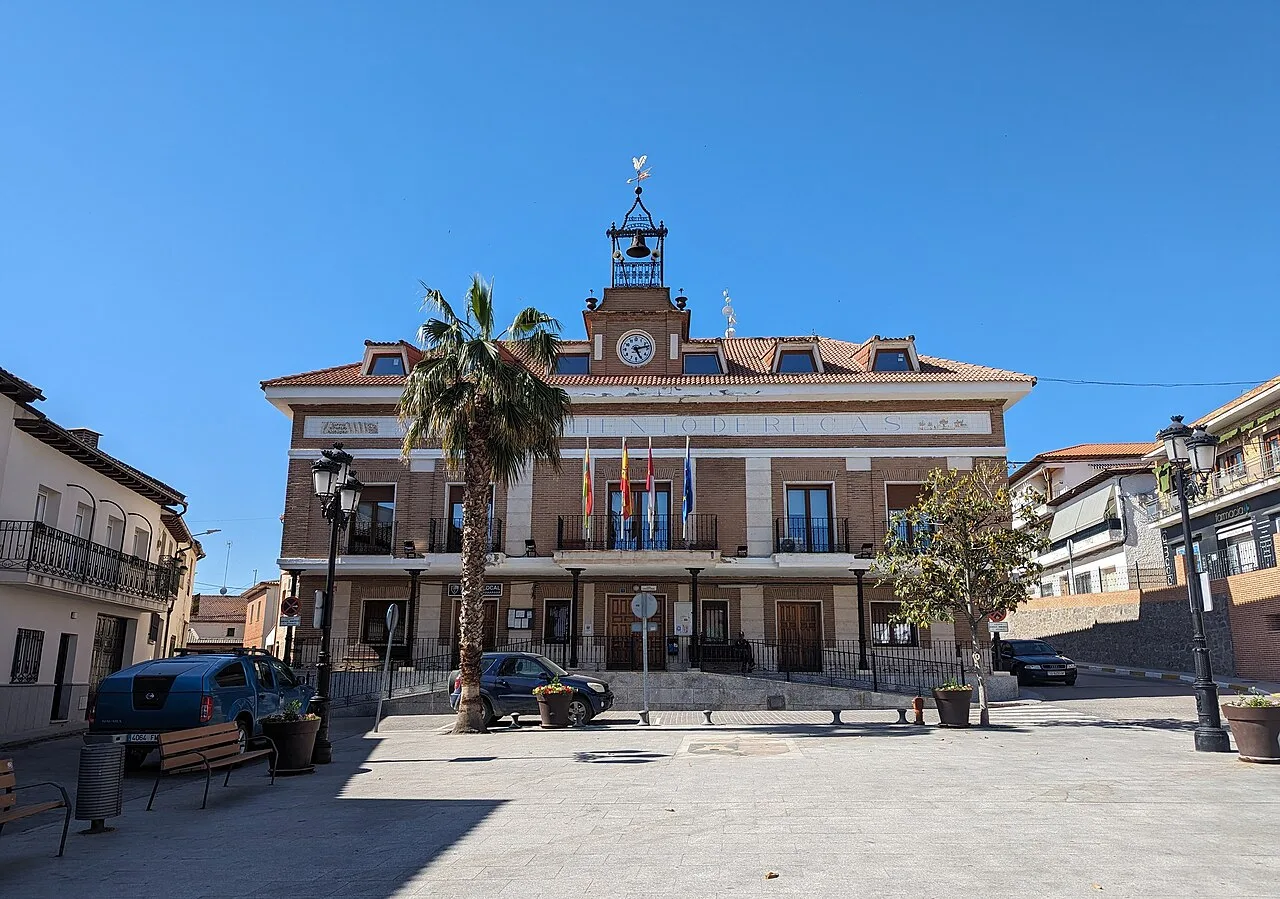
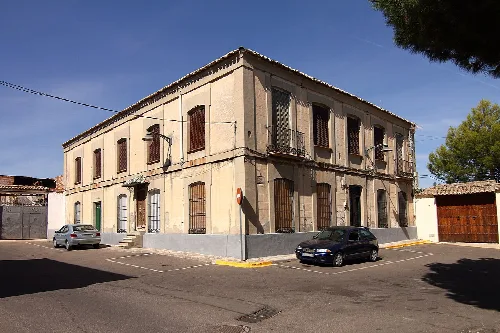
The Casa Consistorial de Recas is the town hall of Recas, serving as the administrative center for the municipality. It features a distinctive architectural style and is an important landmark in the town. The building is often a focal point for local events and gatherings, reflecting the community's governance and civic pride.
Sights
Casa consistorial de Recas
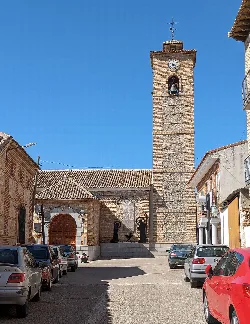
What can you tell me about the Iglesia de San Pedro Apóstol?
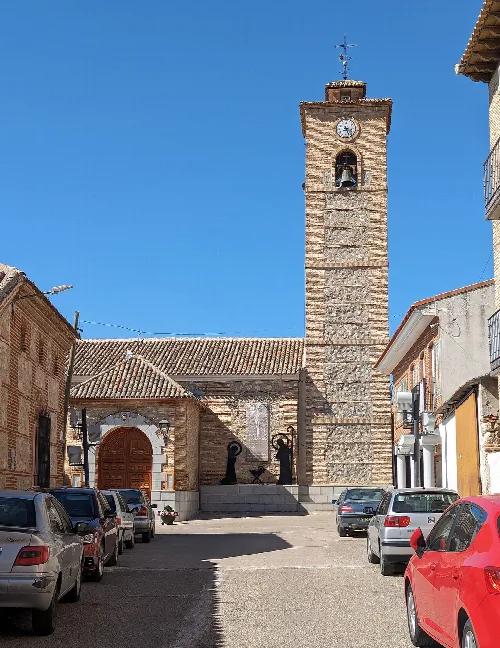
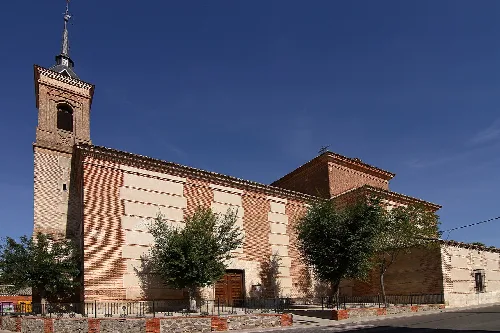
The Iglesia de San Pedro Apóstol is a notable church in Recas, dating back to the 15th century. It features a basilical layout constructed from local toledana masonry. Inside, visitors can find beautiful chapels and a wooden-beamed ceiling, showcasing religious art and significant historical elements.
Sights
Iglesia de San Pedro Apóstol
What is the significance of the Virgen de la Oliva in Recas?
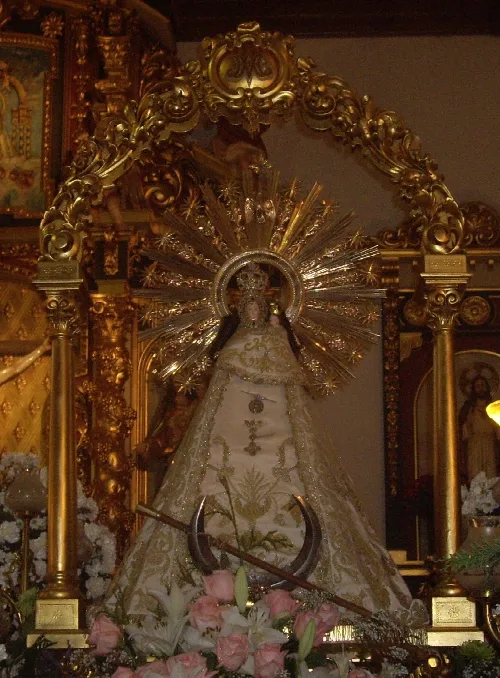
The Virgen de la Oliva is the patron saint of Recas, associated with a legendary olive tree where she is said to have appeared to King Alfonso VI. The olive tree is a symbol of local devotion, and her feast day on September 8 is celebrated with various festivities, including a novena and a pilgrimage to the site.
Festivals & events
Virgen de la Oliva
What are the main festivals celebrated in Recas?
Recas hosts several vibrant festivals throughout the year, including the San Blas festivities in February, Carnival celebrations, and Semana Santa with processions. The main patronal festival for Ntra. Sra. de la Oliva occurs from September 1 to 9, featuring parades, games, and a giant paella to conclude the celebrations.
Festivals & events
How is the climate in Recas?
Recas experiences a Mediterranean continental climate, characterized by cold, humid winters with occasional frosts and hot, dry summers. Temperatures can exceed 37 °C in July and August, making the summer months particularly warm. The unique climate influences local agriculture and outdoor activities.
Nature
For residents
What historical significance does the Castillo de Canales hold?
The Castillo de Canales, dating back to the 8th century, was an important military structure that later fell into disrepair. It was associated with various historical figures, including King Alfonso VII. Today, only ruins remain, but it reflects the rich medieval history of the region.
History
Castillo de Canales
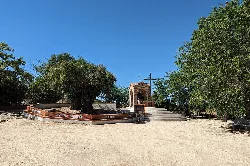
What is the Explanada de la Virgen de la Oliva?
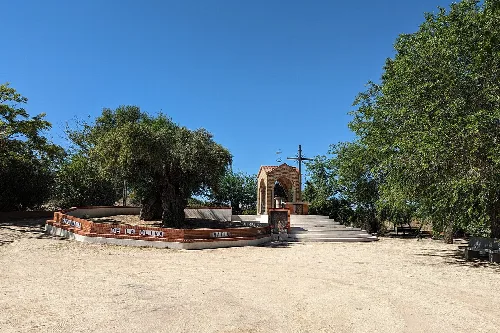
The Explanada de la Virgen de la Oliva is a significant site located 3 km north of Recas, home to the ancient olive tree associated with the Virgen de la Oliva. It was once the location of a Franciscan monastery. Today, it serves as a pilgrimage site and a place for community gatherings.
Sights
Explanada de la Virgen de la Oliva
What kind of food can I expect in Recas?
Recas offers a variety of traditional Spanish cuisine, heavily influenced by local agricultural products. Expect to find dishes featuring fresh vegetables, particularly leeks and onions, as well as typical Spanish tapas. Local festivals often feature communal meals, enhancing the culinary experience.
Food & drink
How has the population of Recas changed over the years?
Recas has seen significant demographic changes, particularly since the 1990s, when many immigrants settled in the area due to agricultural opportunities. The population now includes over forty nationalities, with Spanish and Malian communities being the most prominent, reflecting its diverse cultural landscape.
Living there
For residents
What is the history behind the name 'Recas'?
The name 'Recas' is derived from the Arabic word 'rákab,' meaning caravan or cortege, linked to the historical use of the area for transporting goods. The town was first documented in the 12th century, highlighting its long-standing significance in the region's history.
History
 espana.net