espana.net
How do I get to Enguera?
Enguera is accessible via the A-35 motorway, with a diversion at CV-590 leading directly into the town. This makes it convenient for visitors traveling by car from nearby cities in the Valencia province.
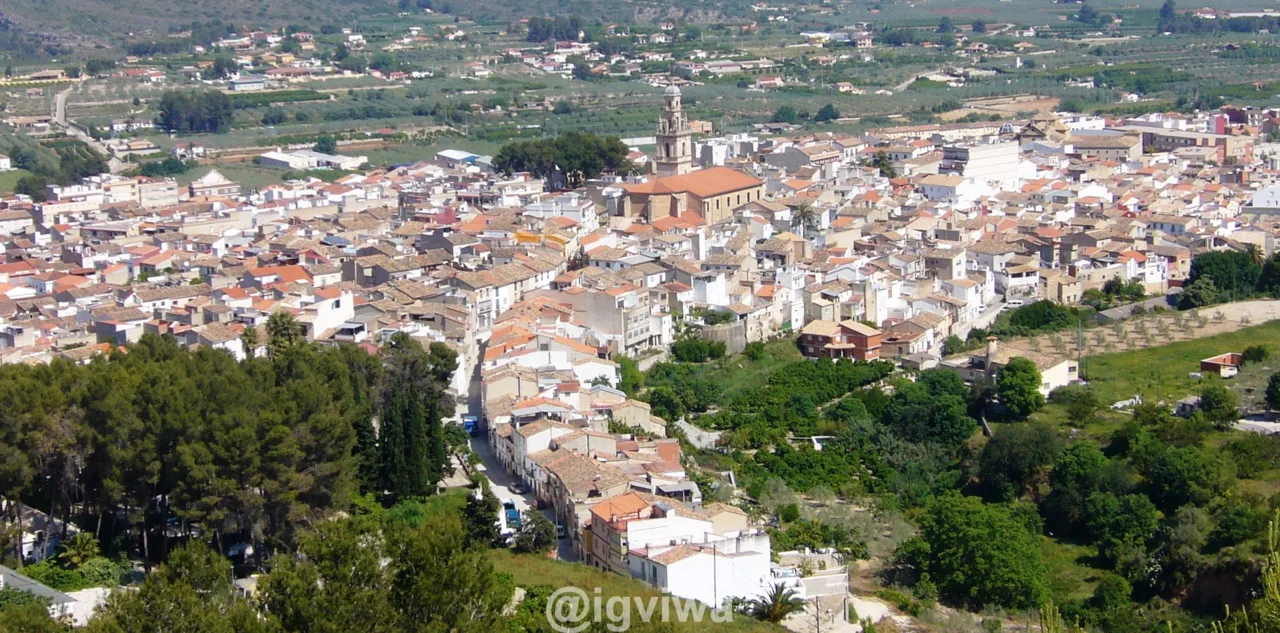 Nachovila, Public domain
Valencian Community
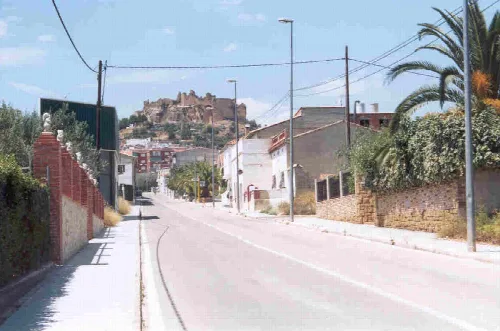
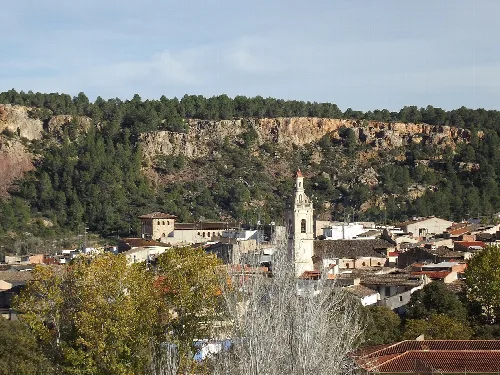
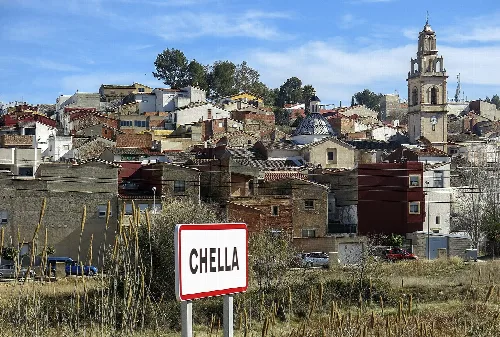
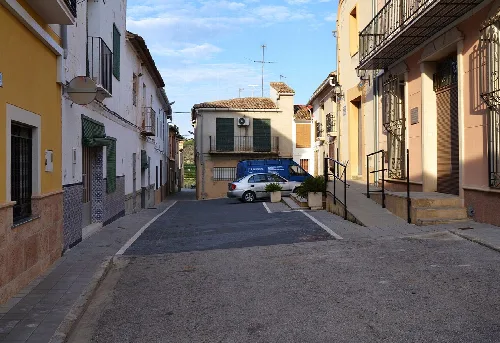
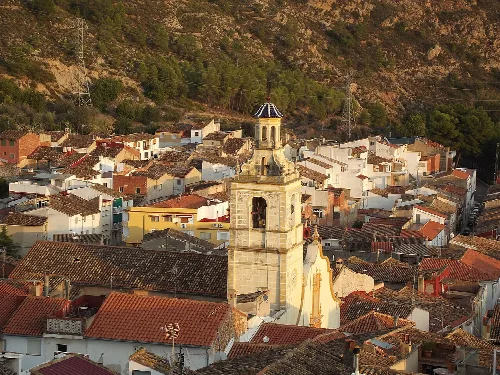
Enguera is a municipality located in the Valencian Community, within the province of Valencia. Known for its rich history and natural beauty, it features a diverse landscape and a vibrant cultural heritage.
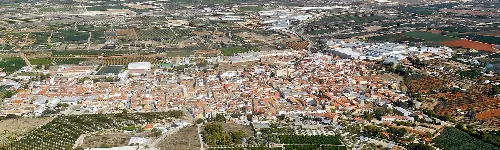
Enguera is situated in the southwestern part of Valencia province, at an elevation of 318 meters above sea level. The municipality encompasses a vast area of 24,170 hectares and is located in the La Canal de Navarrés region, characterized by its mountainous terrain that transitions between the Iberian and Betic systems.
Enguera has a rich historical background, with evidence of human occupation dating back to the Mesolithic period. Significant archaeological findings include remnants from the Bronze Age and the Iberian culture, particularly at the Cerro de Lucena site.
Enguera is a municipality in Valencia known for its history, natural beauty, and cultural heritage.
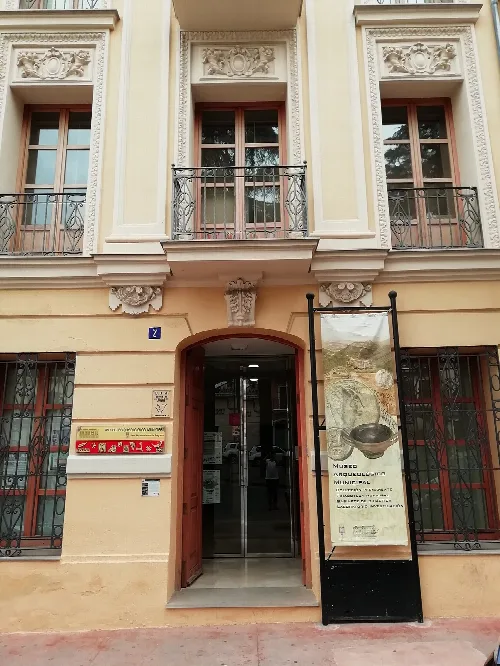
The local culture reflects a blend of influences, with a dialect of Spanish enriched by Valencian and Aragonese elements. The Archaeological Museum of Enguera plays a crucial role in preserving the region's heritage, showcasing artifacts from various historical periods.
Enguera's economy is primarily based on agriculture, with a growing emphasis on olive cultivation. The region also sees a rise in rural tourism, complemented by limited industrial activity.
Enguera is accessible via the A-35 motorway, with a diversion at CV-590 leading directly into the town. This makes it convenient for visitors traveling by car from nearby cities in the Valencia province.
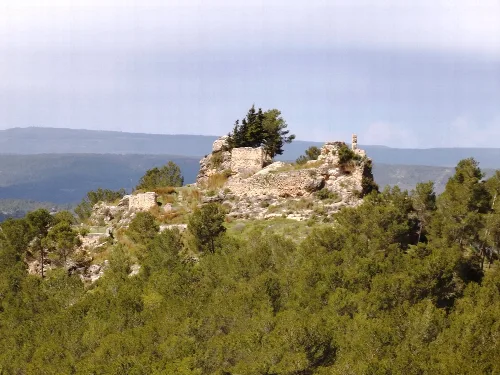
The Castillo de Enguera is a key historical site from the Islamic period, reflecting the strategic importance of the town in the 12th century. It showcases the architectural legacy of the Almoravid period and is a significant part of Enguera's heritage.
The Museo Arqueológico Municipal de Enguera features collections of archaeological artifacts from local sites, including items from the Iberian culture. It also houses a small collection of local art, providing insights into the region's history and culture.
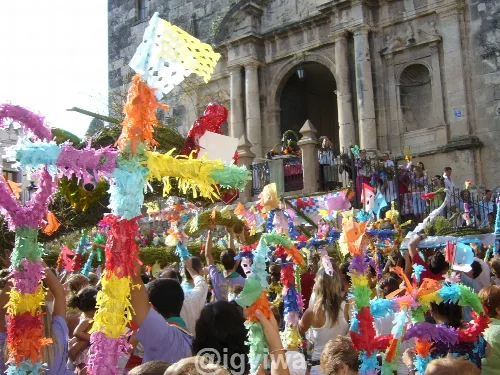
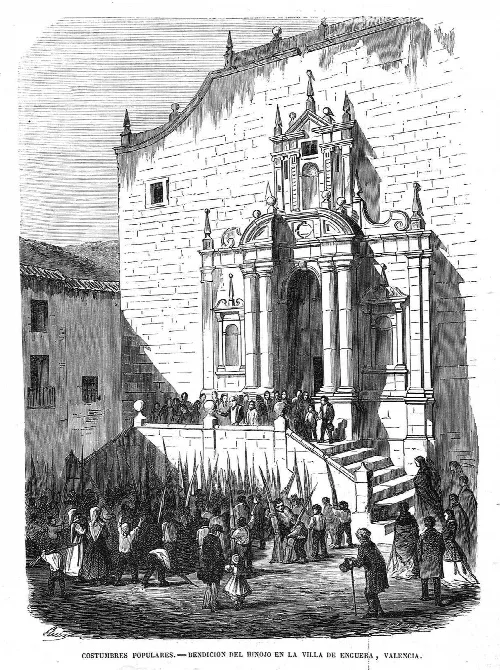
Fiesta San Gil, celebrated on September 1st, is a unique event in Enguera where children participate in the blessing of the hinojo, known locally as 'sangil'. This festive occasion is characterized by vibrant celebrations and community involvement.
Enguera offers a variety of outdoor activities, particularly in the Sierra de Enguera. Visitors can enjoy hiking, exploring the diverse flora and fauna, and visiting natural parks like PNM Umbía – La Plana and Barranco de la Hoz.
In Enguera, traditional dishes include cazuela de arroz al horno, borreta, and gazpachos. The local cuisine is hearty and flavorful, often featuring meats and fresh produce from the region, such as high-quality olive oil and honey.
Enguera's economy is primarily based on agriculture, with olive cultivation being particularly significant. Additionally, there is a growing interest in rural tourism, complemented by some industrial and service sector activities in nearby towns.
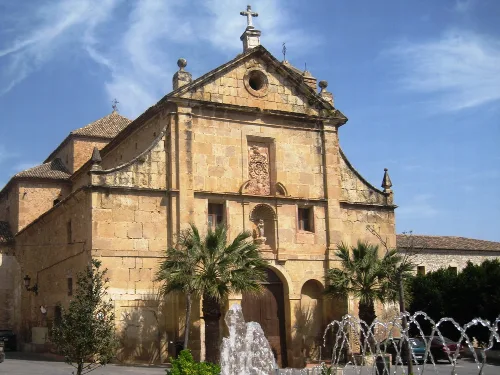
Yes, Enguera is home to several notable architectural sites, including the Church of San Miguel Arcángel and the Convento de Carmelitas Descalzos. These structures reflect the town's historical evolution and architectural styles from different periods.
Enguera has a population of approximately 4,807 residents, according to the latest census data from 2025. This small community contributes to the town's close-knit atmosphere and local culture.
The Fallas celebrations in Enguera take place in March and are characterized by vibrant festivities, including the creation and burning of large papier-mâché figures. This event showcases local culture and attracts both residents and visitors alike.
Own text, written with AI assistance from the facts in Wikipedia · Enguera · Data: Wikidata Q1769929 · Photos: Wikimedia Commons, see individual licenses. · CC BY-SA 4.0