espana.net
D
 19Tarrestnom65, CC BY-SA 4.0
Valencian Community
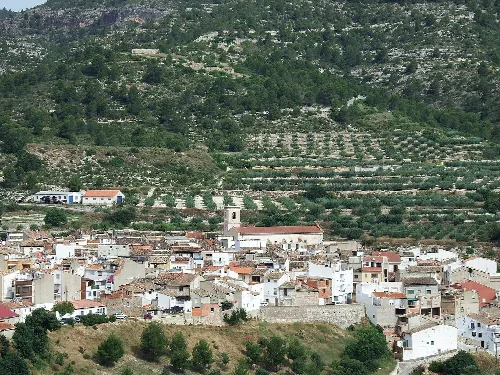
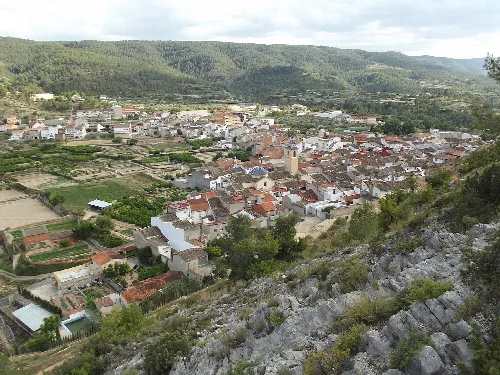
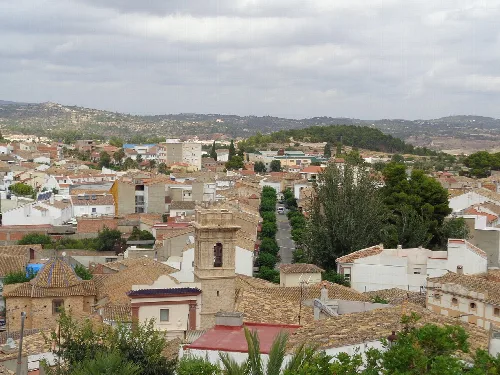
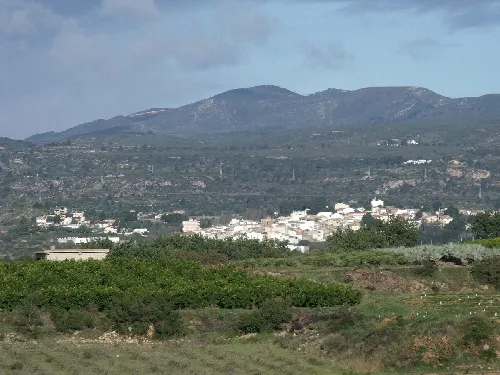
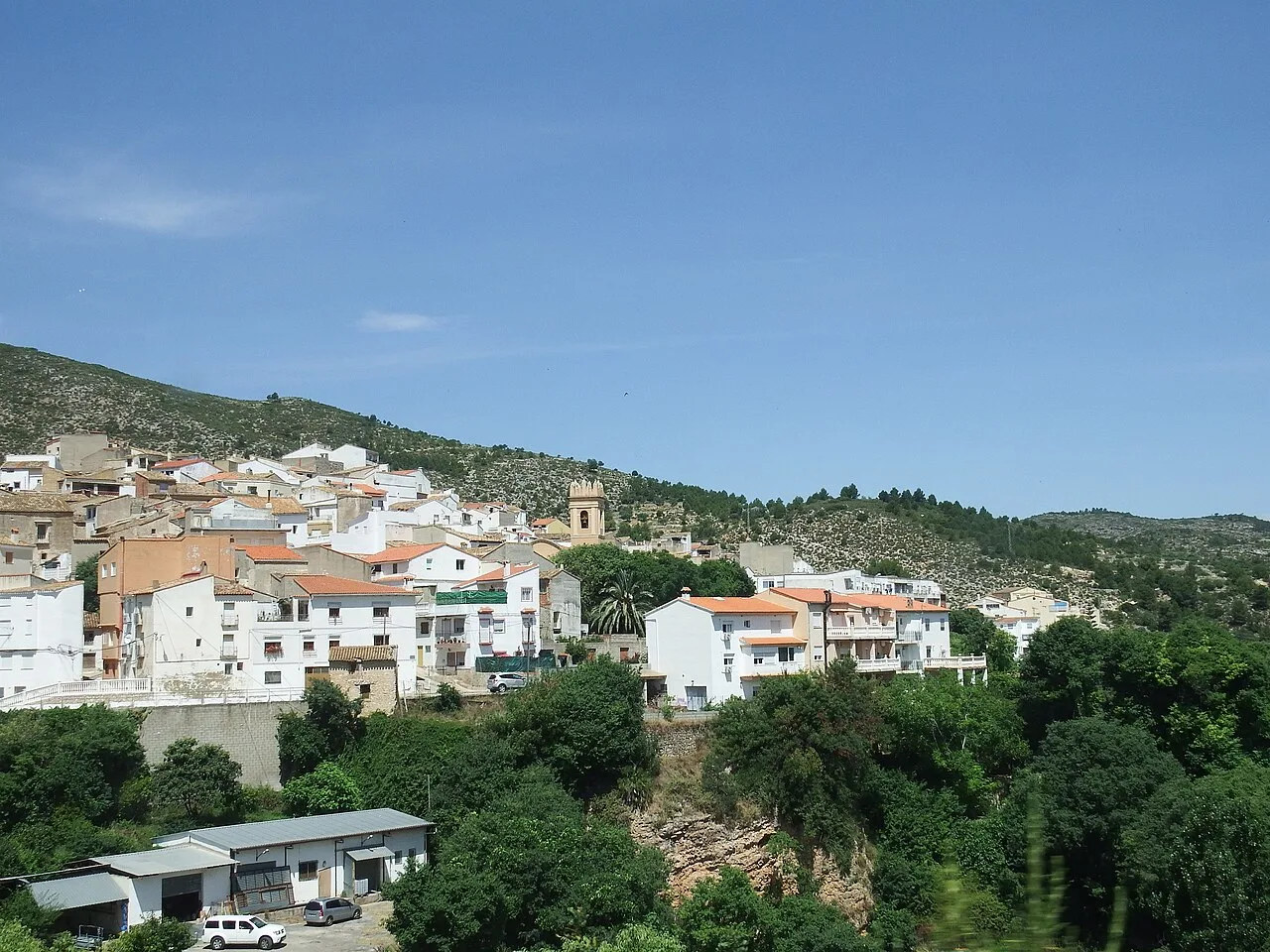
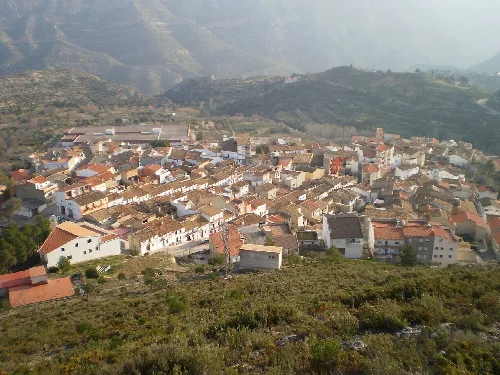
Millares is a municipality located in the Valencian Community, within the province of Valencia. It is characterized by its rich history, natural resources, and significant archaeological sites, including cave paintings and dinosaur footprints.
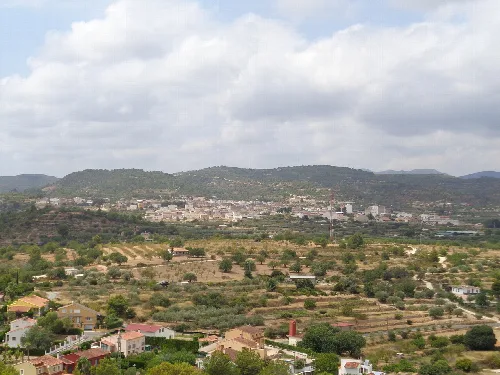
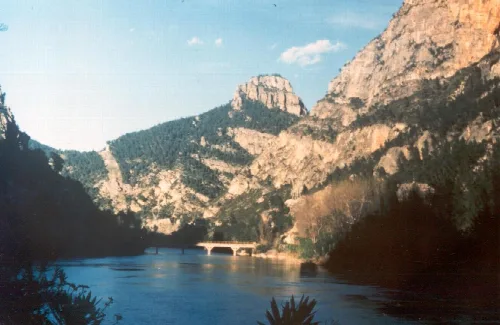
Millares is situated in the Caroche massif, nestled in the valley created by the Júcar River. This river serves as a natural boundary with the neighboring municipalities of Dos Aguas and Tous. The area features several ravines, including Sabinat, Seca, Canillas, and Pileta, and is home to numerous caves, such as Cueva las Donas and Cueva de las Palomas, which contain prehistoric paintings.
Millares has been inhabited since the Bronze Age and has been known by various names throughout its history, including Menlaria in Greek and Mellarium in Roman times. The town was significant during Muslim rule and was later conquered by Jaime I in 1257. Following the expulsion of the Moriscos in the early 17th century, the town faced depopulation and was eventually repopulated by Christian families from Aragón.
Millares is a municipality in Valencia known for its rich history and archaeological significance.
Historically, the economy of Millares relied on natural resources, including agriculture, apiculture, and timber. The establishment of a hydroelectric plant in the early 20th century marked a significant development in the area. However, the decline of local industries, such as textile manufacturing, has led to a decrease in population and economic stability in recent years.
Own text, written with AI assistance from the facts in Wikipedia · Millares · Data: Wikidata Q34254 · Photos: Wikimedia Commons, see individual licenses. · CC BY-SA 4.0