How do I get to Pedralba from Valencia?
You can access Pedralba from Valencia via several routes. One option is to take the CV-35, exiting at Lliria and then following the CV-376. Alternatively, you can use the A-3, exiting at Cheste and then taking the CV-378 and CV-380. Another route is through CV-370, connecting Pedralba with Manises via Villamarchante.
Getting there
What is the significance of the Virgen de los Dolores in Pedralba?
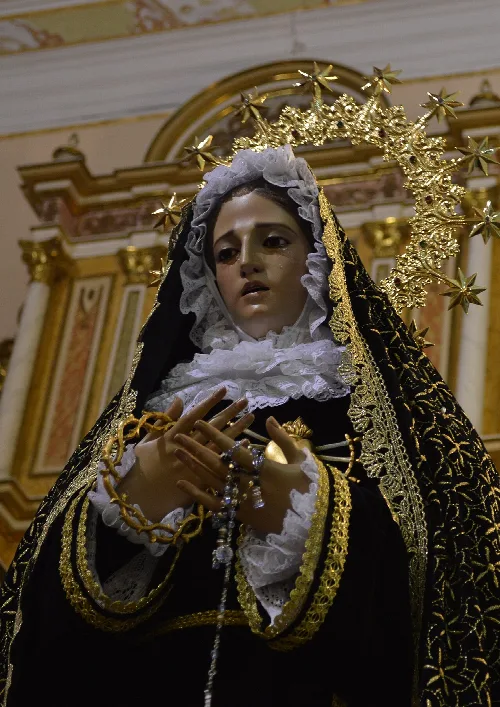
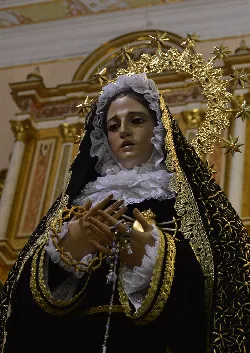
The Virgen de los Dolores is a prominent religious figure in Pedralba, representing the town's cultural heritage. This statue is central to local festivities, particularly during the patron saint celebrations, where it is honored in processions and ceremonies, reflecting the town's deep-rooted traditions and community spirit.
Festivals & events
Virgen de los Dolores de Pedralba
What can you tell me about the church in Pedralba?
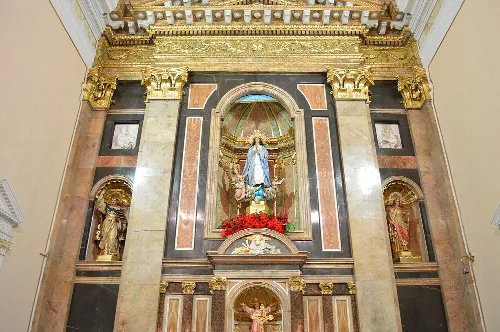
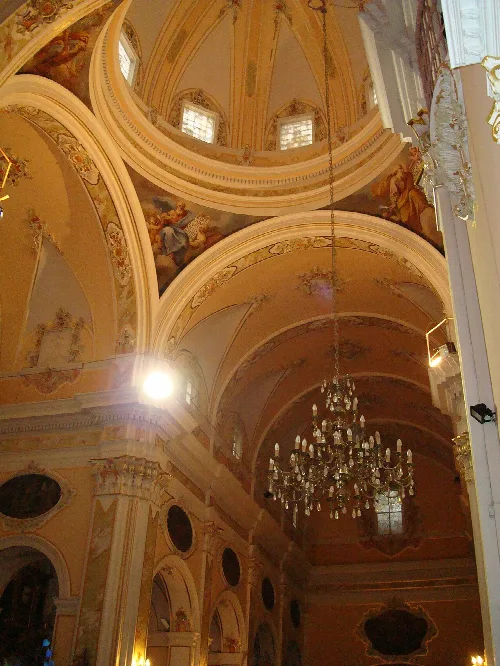
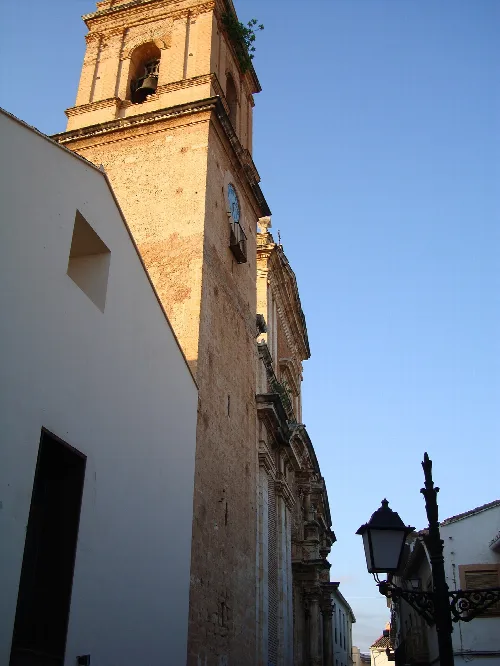
The main church in Pedralba is dedicated to the Purísima Concepción and is built on the site of an old mosque. Its Baroque architecture dates back to the mid-18th century. Notably, the church features a unique facade and an impressive Altar Mayor, showcasing a blend of historical and artistic significance for the community.
Sights
Purísima Concepción
What are the local festivals like in Pedralba?
Pedralba hosts several vibrant festivals, including the patronal festivities in January, which feature traditional events like animal blessings and bull runs. The summer festivals in August are the most significant, while the Fiestas de la Purísima Concepción in May involve unique customs, such as the overnight stay of the Virgen in a local home.
Festivals & events
What are some traditional dishes from Pedralba?
Pedralba is known for its delicious traditional dishes, including 'Olla de Pedralba', a hearty stew with lamb and vegetables, and 'Carne a lo Pastor', which features lamb head cooked in a spicy sauce. Other local specialties include 'Coca con tajás' and 'Mantecaus d'almendra', often enjoyed during local festivities.
Food & drink
Is there a museum in Pedralba?
Yes, Pedralba has the Museo de Arte Moderno y Contemporáneo 'PEDRALBA 2000', showcasing contemporary Spanish and European art. Housed in a renovated farmhouse, the museum features works by notable artists, making it a cultural highlight for visitors and residents alike.
Sights
What historical sites can I see in Pedralba?
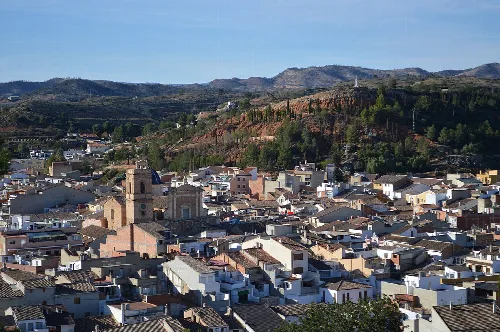
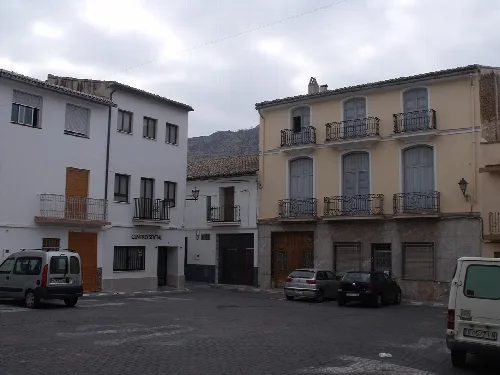
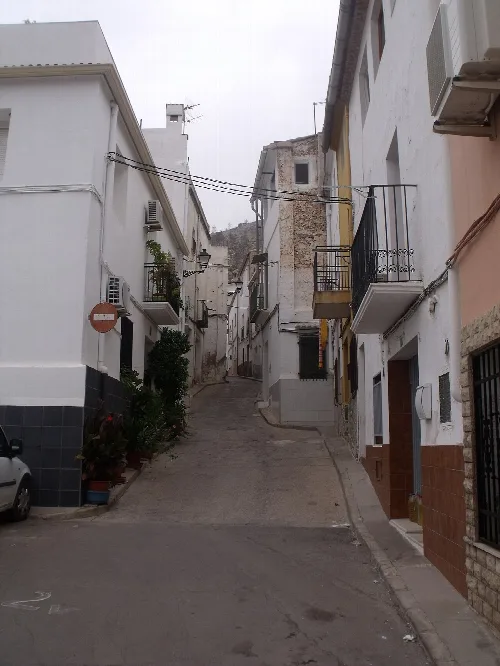
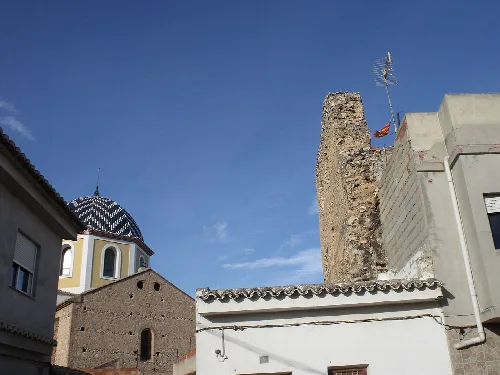
In Pedralba, you can explore various historical sites, including remnants of the old castle and ancient walls. The church dedicated to the Purísima Concepción is a key landmark, built on the foundations of a former mosque. The town's layout reflects its medieval origins, with narrow streets and unique architecture.
History
What is the landscape like around Pedralba?
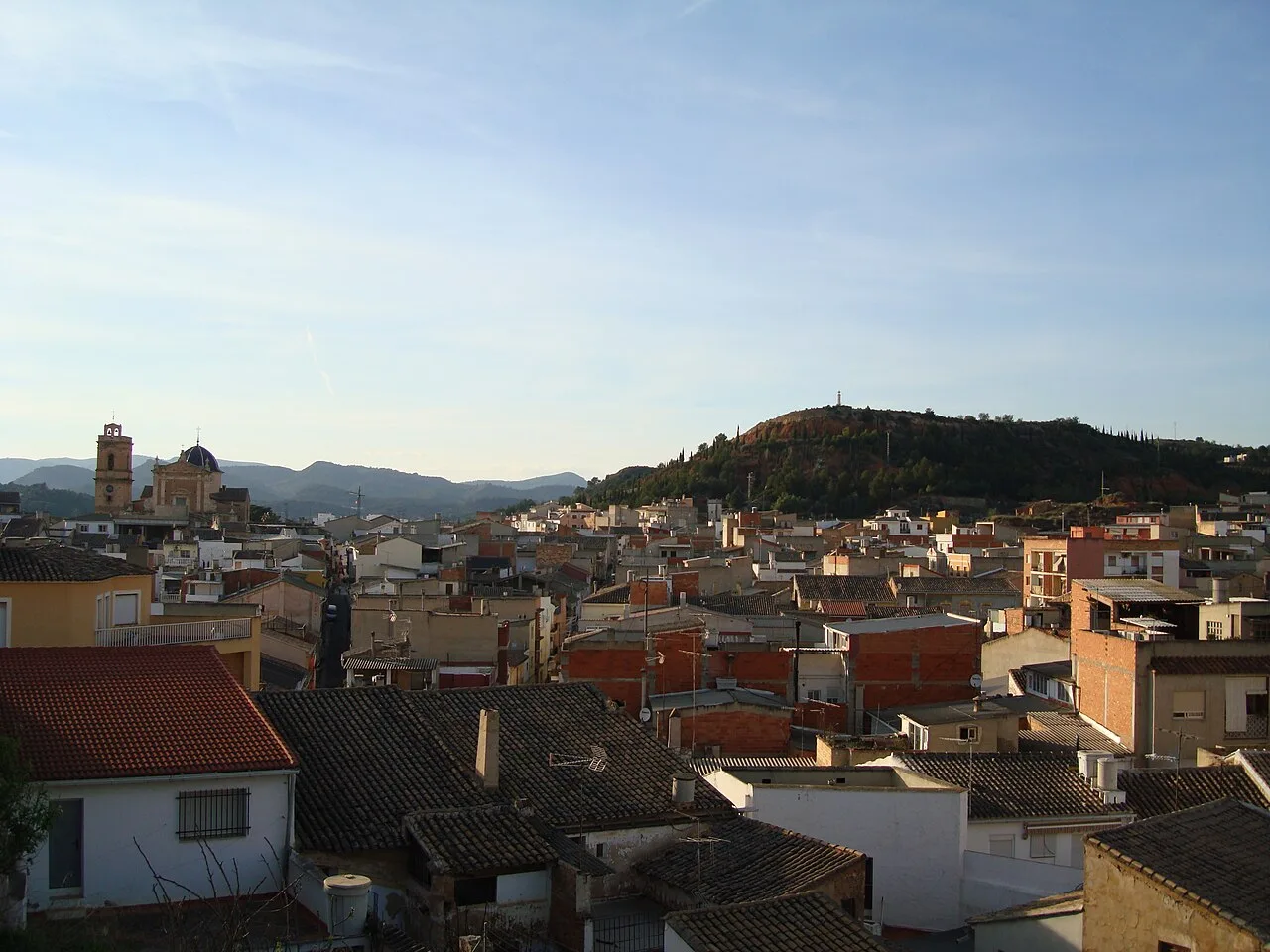
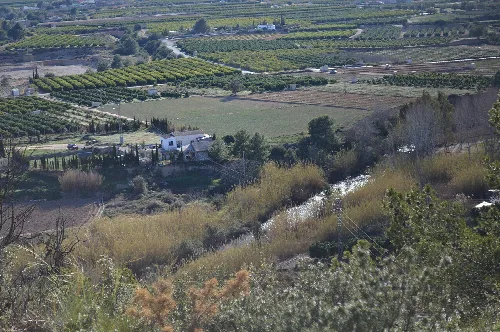
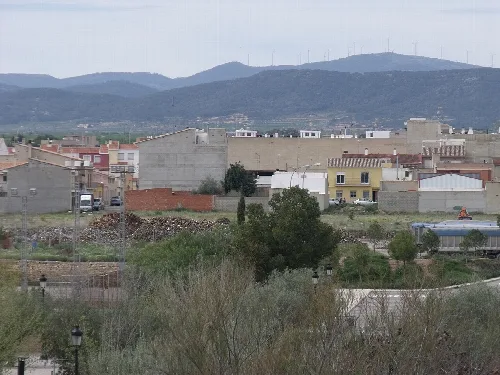
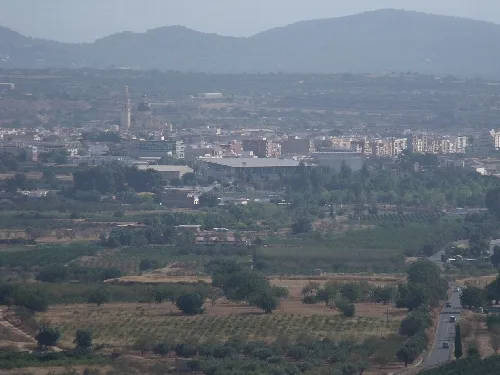
The landscape surrounding Pedralba is characterized by a mix of agricultural land and mountainous terrain. The area features notable hills like Torreta and Cerro Partido, with the Turia River running through the region, creating fertile terraces ideal for citrus cultivation. This blend of nature and agriculture enhances the town's scenic beauty.
Nature
What are the main economic activities in Pedralba?
Pedralba's economy is primarily agricultural, historically rooted in viticulture, earning it the title of 'cuna del vino'. Currently, citrus farming is predominant, with the cultivation of oranges and mandarins. The town also has a history of producing artisan wines and other agricultural products, although industrial development is limited.
Living there
For residents
What can you tell me about the Virgen de Luján in Pedralba?
The Virgen de Luján is housed in a modern, yet unfinished, hermitage located at Alto del Puente, offering stunning views of the town and river. The image was brought from Argentina in 1969, reflecting the cultural ties and significance of this figure to the local community.
Sights
Virgen de Luján
 espana.net