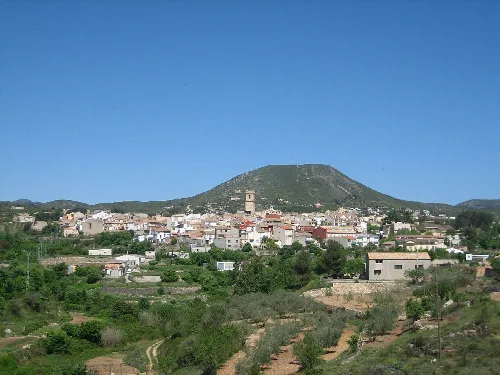
Requena is a municipality located in the Valencian Community, known for its rich history and extensive wine production. Nestled in the interior of Valencia province, it features a blend of medieval architecture and a vibrant viticultural heritage.
02Geography
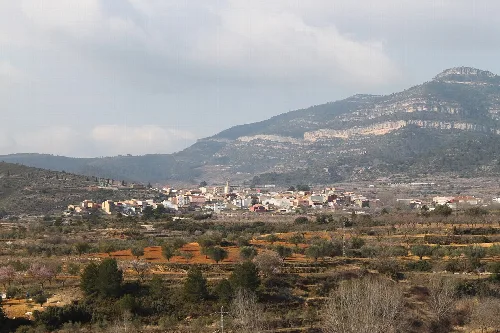
Requena is situated in the Requena-Utiel comarca, approximately 70 km from Valencia. The municipality is characterized by its varied topography, including the Sierra Martés and the Sierra de las Cabrillas, which are part of the Iberian System. The urban center is elevated at 692 m above sea level and is traversed by major roads, including the A-3 highway.
Distance to Valencia
70 km
Climate
Mediterranean continental with significant temperature contrasts
Annual precipitation
400–500 mm
Main river
Magro
03History
Requena's history dates back to the 7th century BC, with archaeological findings indicating early settlement. Over the centuries, it transitioned from Iberian to Roman and later to Muslim rule, known as Rakka'na. The Christian conquest in 1238 marked a significant turning point, leading to its incorporation into the Kingdom of Castile.
7th century BC First signs of settlement found in archaeological excavations.
201 BC - 1 AD Roman administration established after the end of the Second Punic War.
1238 Conquered by Fernando III, marking its incorporation into Castile.
1257 Received the charter of self-government from Alfonso X.
1836 Granted the title of Muy Noble, Leal y Fidelísima Ciudad for support of Isabel II.
Requena, a municipality in Valencia, is renowned for its historical significance and wine production.
04Economy
The economy of Requena is predominantly based on viticulture, with extensive vineyards covering approximately 18,000 hectares. The establishment of the School of Enology in 1961 has further solidified its reputation as a key wine-producing region, contributing significantly to local and export markets.
Main agricultural product
Grapes
Primary grape variety
Bobal
Wine production
1,666,484 Hl
Economic value of wine production
104 million euros
Percentage of wine consumed domestically
44%
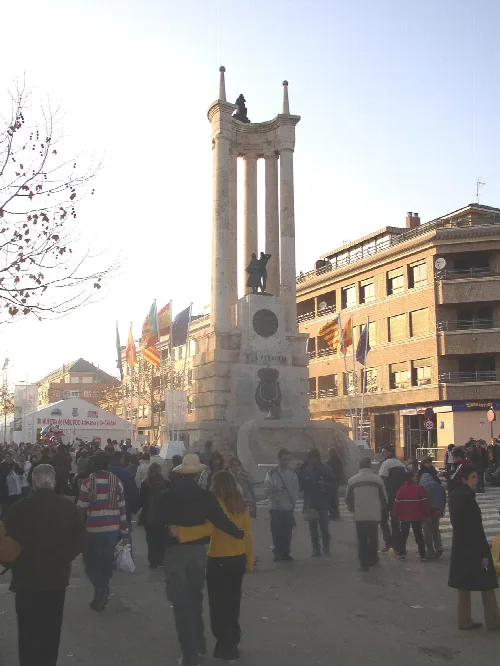
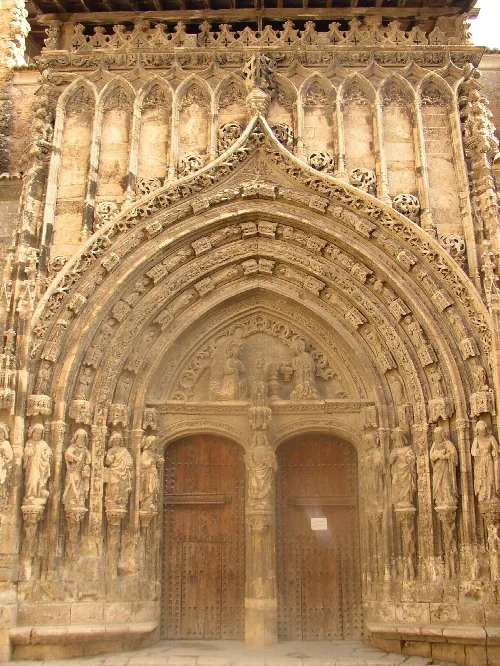
Requena, Valencia, with the harvest monument in the center and people in the square.Facade of Requena's church with a Gothic arch and relief sculptures at the entrance
05Cultural Heritage
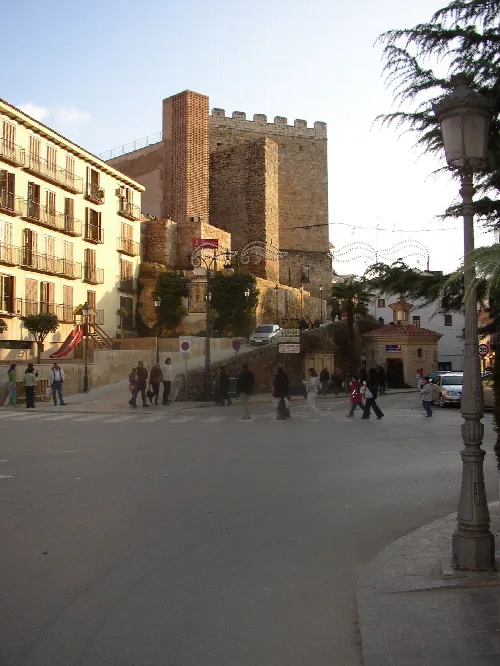
Requena boasts a rich cultural heritage, with numerous historical sites and monuments. The Barrio de La Villa, a medieval quarter, features well-preserved architecture, including churches and defensive structures that reflect its historical significance.
Barrio de La Villa Medieval quarter with historical significance.
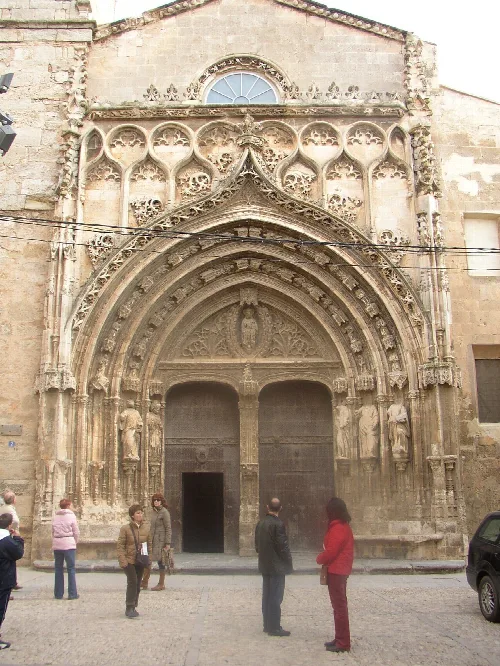
Iglesia de San Nicolás The oldest church in the area, dating back to the 13th century.
Iglesia de Santa María Largest church, built in the 14th century.
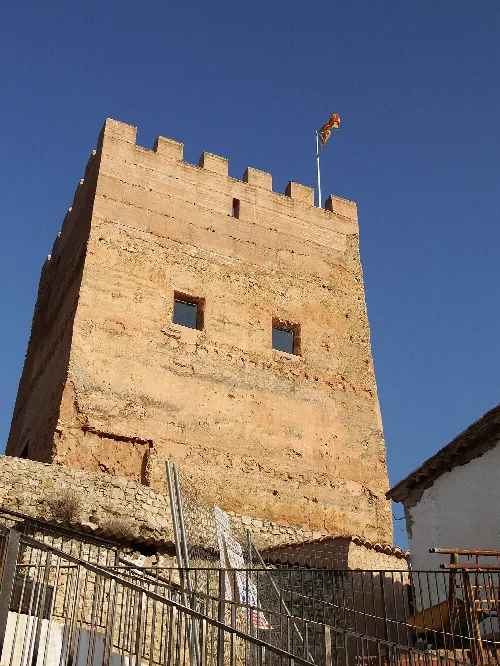
The Alcazaba An 11th-century fortress with defensive walls.
Museo Municipal de Requena Showcases local history and viticulture.
06Festivals
Requena hosts several vibrant festivals, reflecting its cultural traditions and agricultural heritage. The Feria y Fiesta de la Vendimia, celebrated since 1947, is recognized as one of the oldest wine festivals in Spain, highlighting the region's viticultural significance.
Feria y Fiesta de la Vendimia Celebrated annually, includes various events related to wine.
Carnival Features parades and traditional celebrations in February.
Patron saint festivities Celebrated in December for Nuestra Señora de los Dolores and San Nicolás.
Semana Santa Noted for its solemn observance.
Feria del Embutido Showcases local artisan sausages.
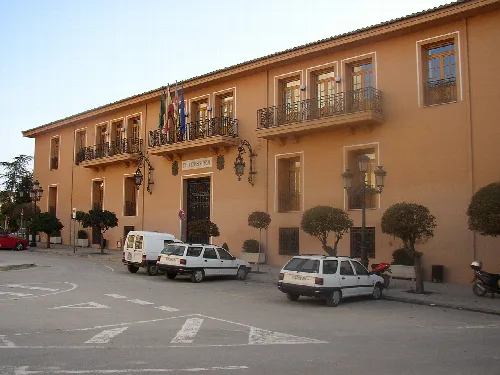
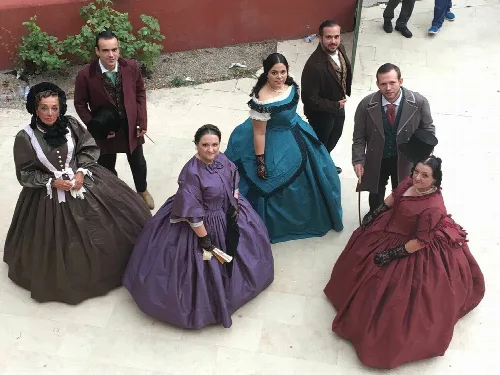
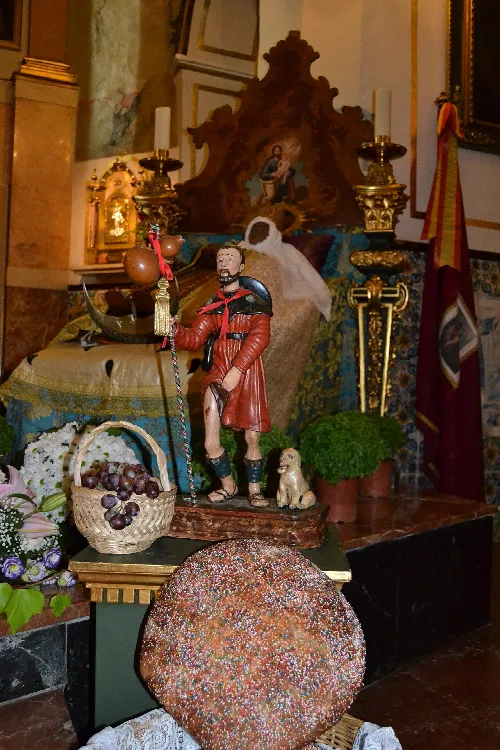
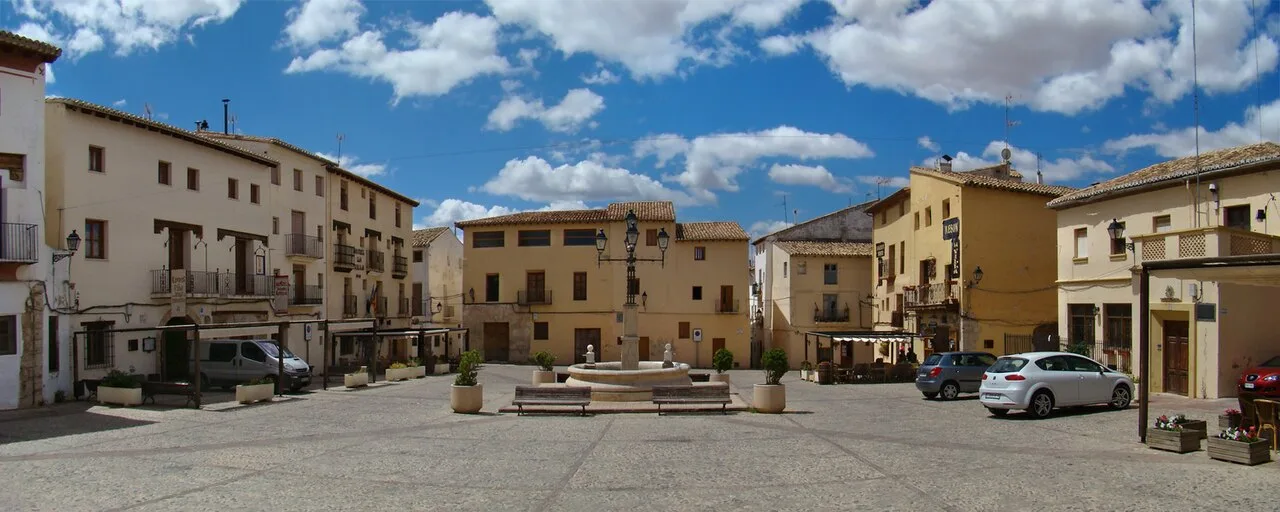
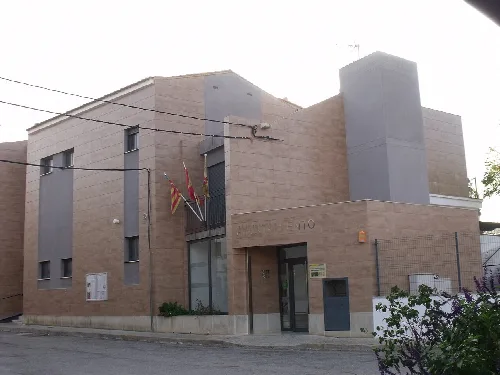
Facade of Requena's church with Gothic details and sculptures on the main portal.Requena, Valencia, with a medieval fortress in the center and people walking in the square.Requena's town hall in Valencia province, with flags on the facade and trees in the square.Members of the Asociación Cantares Viejos de Requena before dancing 'Los Lanceros Nuevos' at a local festival.Statue of a saint with a dog, on a table decorated with grapes, flowers, and a sweet bread in Requena.
Frequently asked questions
What is the history behind the Plaza de la Villa in Requena?
Plaza de la Villa, opened in the 16th century, served as the main square of La Villa, becoming the town's social and cultural center. It is dedicated to Colonel Ruiz de Albornoz and reflects the historical significance of Requena, showcasing its medieval roots and architectural evolution over the centuries.
What can you tell me about the Monumento a la Vendimia?
The Monumento a la Vendimia, located in Requena, celebrates the region's rich viticultural heritage. Inaugurated in 1972, it is made of stone and bronze, symbolizing the importance of wine production in the area, particularly the Denomination of Origin Utiel-Requena.
What are some traditional dishes to try in Requena?
Requena is known for its delicious local cuisine, particularly dishes featuring rice and fresh produce from the region. Traditional offerings include 'arroz al horno' (oven-baked rice) and various tapas made with local ingredients, often enjoyed alongside the renowned wines of the area.
Requena is accessible via the A-3 highway, which connects it directly to Valencia. Additionally, there are train services available from Valencia, making it convenient for visitors to reach this historic town in the Valencian Community.
What is the significance of the Iglesia de Santa María in Requena?
Iglesia de Santa María, built in the 14th century, is the largest church in Requena and showcases Gothic architectural style. Declared a National Monument in 1931, it features a single nave and is known for its stunning floral Gothic design, attracting many visitors each year.
Requena hosts the Feria y Fiesta de la Vendimia, which celebrates the grape harvest. This festival, rooted in medieval traditions, was reorganized in the 18th century and has been celebrated since 1947, highlighting the region's viticultural heritage and community spirit.
Requena experiences a continental Mediterranean climate, characterized by hot summers with temperatures often exceeding 35 °C and cold winters where temperatures can drop below -5 °C. Rainfall averages between 400-500 mm annually, with occasional snowfall in winter.
Requena's economy is primarily based on agriculture, particularly viticulture. The region is known for its extensive vineyards, producing a significant quantity of wine, especially from the Bobal grape. Tourism, especially rural and cultural tourism, also plays a vital role in the local economy.
Requena boasts several historical sites, including the medieval Barrio de La Villa, the Alcazaba fortress, and various churches like the Iglesia de San Nicolás and Iglesia del Salvador. These sites reflect the town's rich history and architectural diversity.
What are the main transportation options in Requena?
Requena is well-connected by road and rail. The A-3 highway provides easy access to nearby cities, while the local train station offers services to Valencia and other destinations. This makes it convenient for residents and visitors to travel in and out of the municipality.
 espana.net