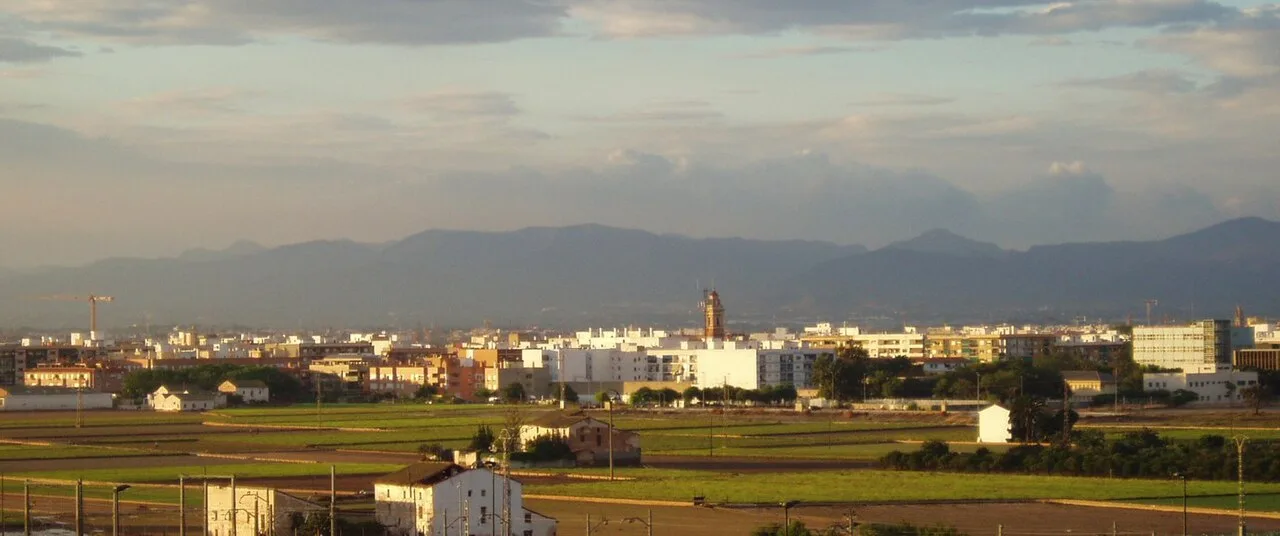
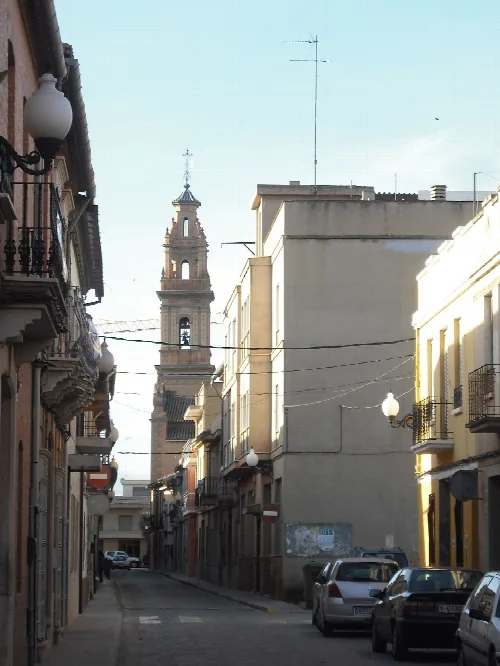
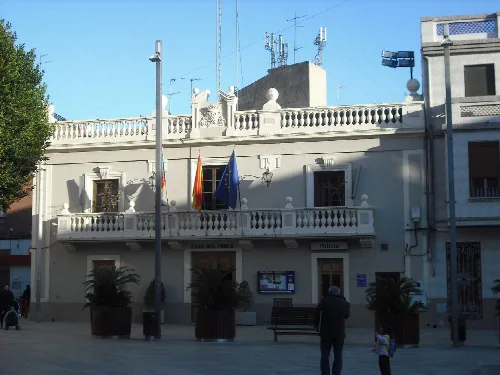
Tavernes Blanques is a municipality located in the Valencian Community, within the province of Valencia. Characterized by its rich history and proximity to the city of Valencia, it features a blend of traditional and modern influences in its urban landscape.
02Geography
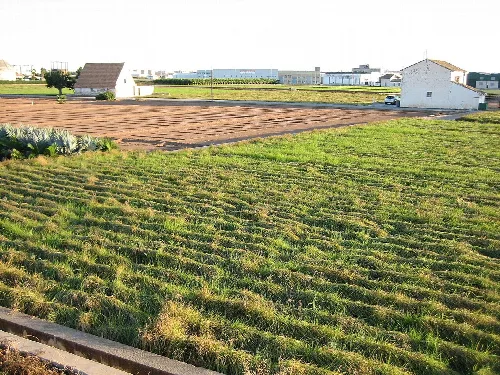
Tavernes Blanques covers a small area of 0.7 km² and is bordered by several natural and man-made features. To the north lies the Carraixet ravine, separating it from Almácera and Bonrepós y Mirambell, while the historic Rascaña irrigation canal marks its western boundary with Carpesa. The eastern edge is defined by secondary irrigation canals that separate it from Alboraya, and to the south, the Font irrigation canal delineates part of its limits with the agricultural fields of Valencia.
03History
The origins of Tavernes Blanques date back to Roman times, likely associated with a tavern along the ancient Vía Augusta. The first documented reference appears in 1445, indicating its ownership by the Peris family. Over the centuries, it changed hands among various lords, including Francisco de Borja and Alfonso de Aragón, until it became a municipality in 1837 after the abolition of feudal rights.
1445 First documented mention of Tavernes Blanques.
1631 Formation of the parish of Tavernes Blanques.
1837 Establishment of Tavernes Blanques as a municipality.
1982 Official name change to Tavernes Blanques.
Tavernes Blanques is a municipality in Valencia known for its rich history and vibrant local culture.
04Cultural Heritage
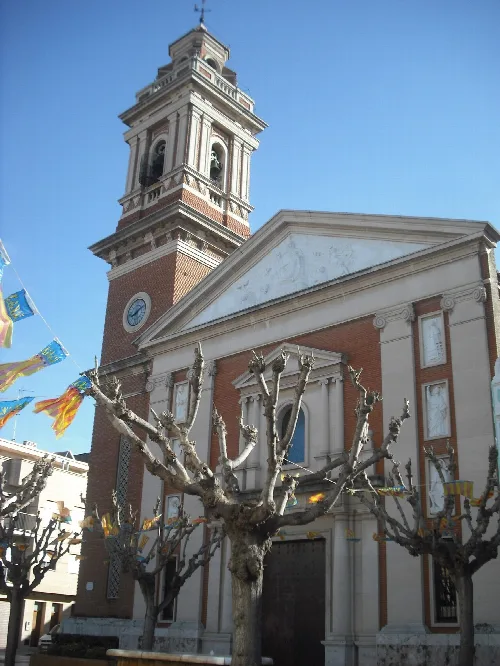
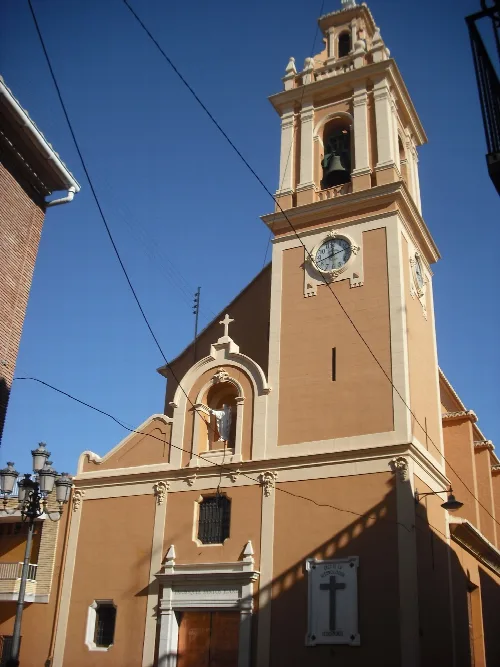
Tavernes Blanques boasts several notable religious and civil structures. The Church of the Trinity, inaugurated in 1948, replaced an earlier church destroyed during the Spanish Civil War. The Ermita de la Virgen de los Desamparados del Carraixet, built in 1447, is another significant site, celebrating its patron saint on August 16.
Iglesia parroquial de la Trinidad Modern church built in 1948.
Ermita de la Virgen de los Desamparados Constructed in 1447, dedicated to the Virgin of the Forsaken.
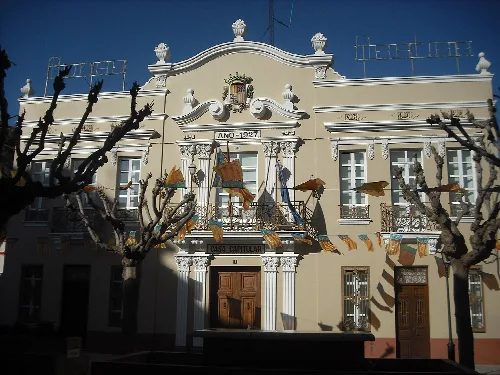
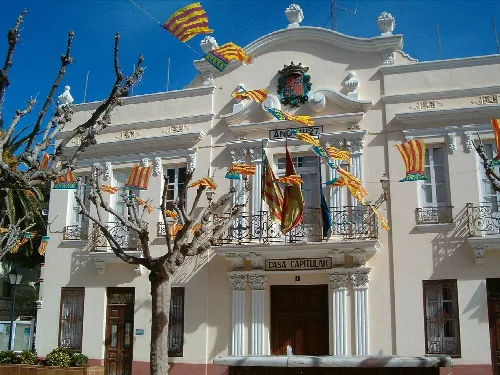
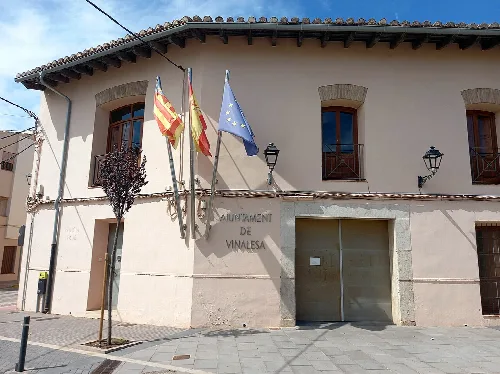
Ayuntamiento Historical building, remodeled in 1991 for administrative use.
Museo Lladró Private museum showcasing porcelain figures and art.
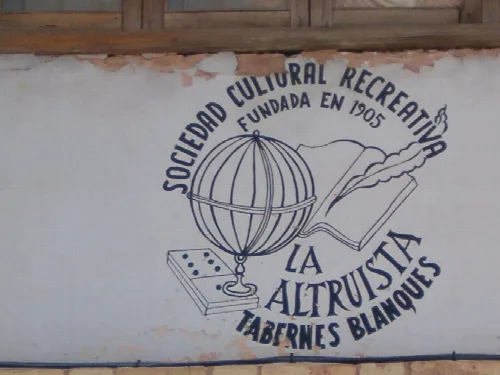
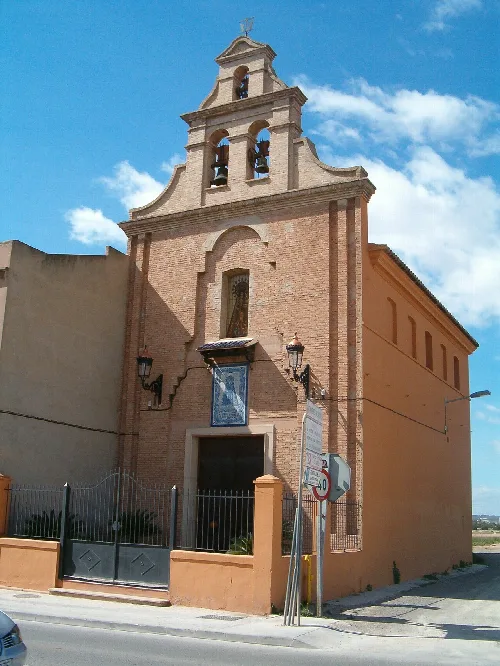
Symbol of the Cultural and Recreational Society 'La Altruista' in Tavernes Blanques, featuring a globe, a book, and a die.The chapel of Mare de Déu del Carraixet in Tabernes Blanques, with its brick facade and central bell tower.
05Economy and Festivals
Historically, the economy of Tavernes Blanques was centered around the meat industry, particularly pork and beef. However, in recent decades, the service sector has grown significantly. The municipality is also known for its annual festivals, particularly the patron saint festivities in August, which include traditional events and culinary specialties.
Main economic activities Meat industry, service sector.
Patron saint festival Celebrated the Saturday before the third Sunday of August.
Traditional dishes Paella de abadejo, guisado de costillas de cerdo con alcachofa.
Cultural events Includes mascletás and a procession with fireworks.
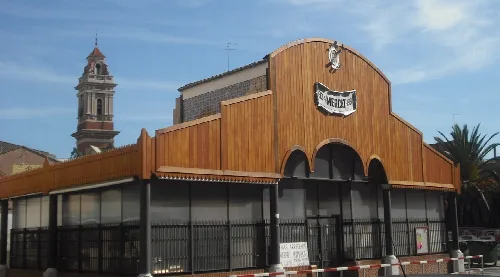
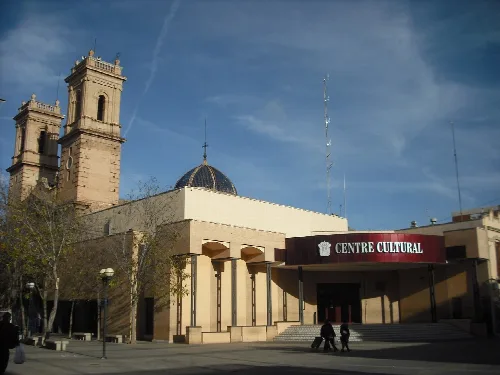
Tabernes Blanques market with wooden structure and clock on the facadeChurch of Tabernes Blanques with its tower and facade on a sunny day.Town hall of Tabernes Blanques decorated for a festival on the facade.Facade of Tavernes Blanques Town Hall in Valencia with banners and the inscription Casa Capitular from 1927.
Frequently asked questions
What are the main historical events that shaped Tavernes Blanques?
Tavernes Blanques has a rich history dating back to Roman times, with its name linked to ancient taverns along the Vía Augusta. The first documented reference dates to 1445. The municipality was officially established in 1837, and its church was built in 1939 after the original was destroyed during the Spanish Civil War.
What is the significance of La Altruista in Tavernes Blanques?
La Altruista, founded in 1905, serves as a cultural and recreational society. Initially established as a mutual aid society, it evolved into a neutral space for community gatherings. The building reflects the town's social history and has hosted various cultural events, including concerts.
What can you tell me about the Ermita de la Mare de Déu del Carraixet?
The Ermita de la Mare de Déu del Carraixet dates back to 1447 and was built near a cemetery for executed individuals. The current structure was completed in 1942 after construction was halted during the Civil War. It is a significant religious site in the community.
What are the main ingredients in the local paella?
In Tavernes Blanques, traditional paella often features abadejo, a type of cod. Other local dishes include guisado de costillas de cerdo con alcachofa and arroz amb bledes, showcasing the region's culinary diversity influenced by its agricultural heritage.
As of 2025, Tavernes Blanques has a population of 9,824 residents. The town has seen steady growth since surpassing 2,000 inhabitants in 1940, reflecting its development and urbanization, particularly due to its proximity to Valencia.
When are the patronal fiestas celebrated in Tavernes Blanques?
The patronal fiestas in Tavernes Blanques take place on the Saturday before the third Sunday in August. Celebrations include the transfer of the Virgin of the Desamparados, fireworks, and traditional meals, culminating in a vibrant community atmosphere.
What is the architectural style of the Ayuntamiento in Tavernes Blanques?
The Ayuntamiento of Tavernes Blanques features an eclectic architectural style, incorporating neoclassical, modernist, and baroque elements. Originally constructed in 1862, it has undergone several renovations to adapt to its administrative functions over the years.
What is the significance of the Mercado in Tavernes Blanques?
The Mercado, built around 1934, was established to promote local commerce. It has been reconstructed to maintain its historical appearance while accommodating modern needs, serving as a vital hub for the community's economic activities.
What types of industries are prevalent in Tavernes Blanques?
Historically, Tavernes Blanques focused on the meat industry, particularly pork and beef. While this sector has declined, the town has shifted towards services, with a significant portion of the population now engaged in this sector as of 2003.
Are there any notable museums in Tavernes Blanques?
Yes, Tavernes Blanques is home to the Museo Lladró, a private museum showcasing porcelain figures and a collection of paintings from various historical periods. It highlights the artistic heritage of the Lladró brand and enriches the cultural landscape of the town.
 espana.net