espana.net
 Theklan, CC BY-SA 4.0
Basque Country
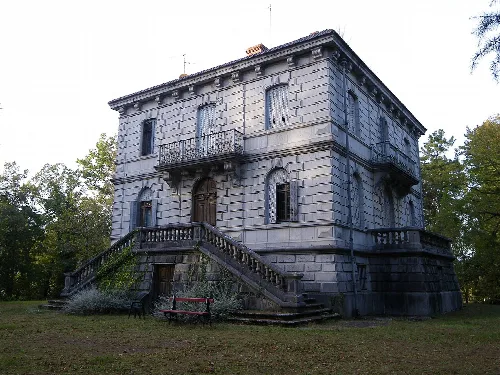
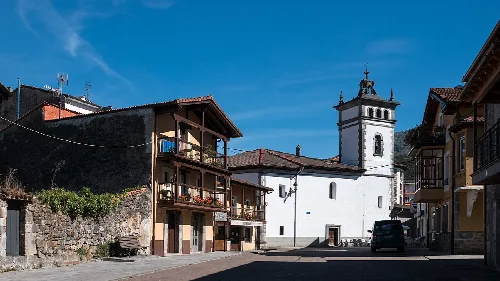
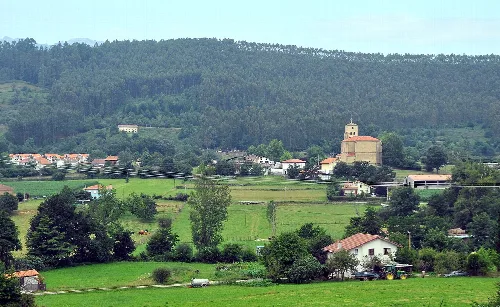
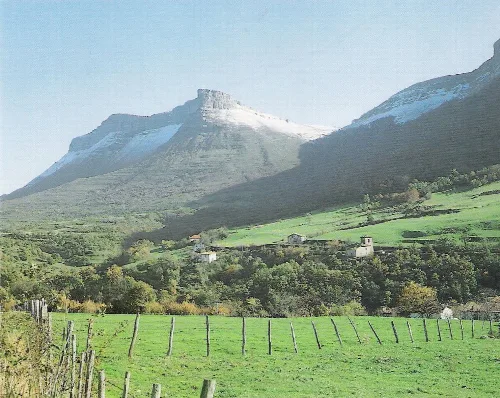
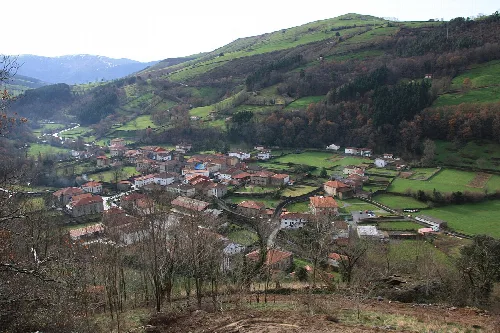
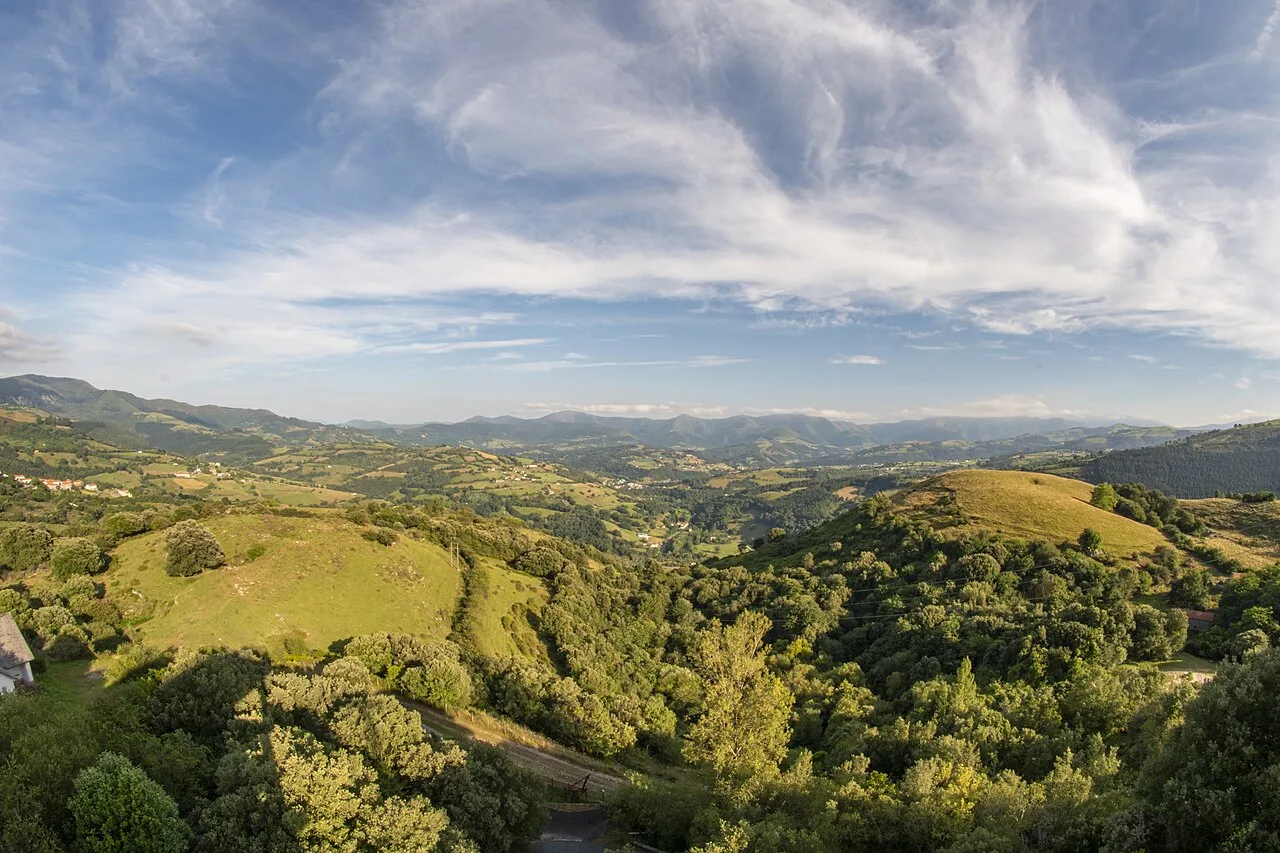
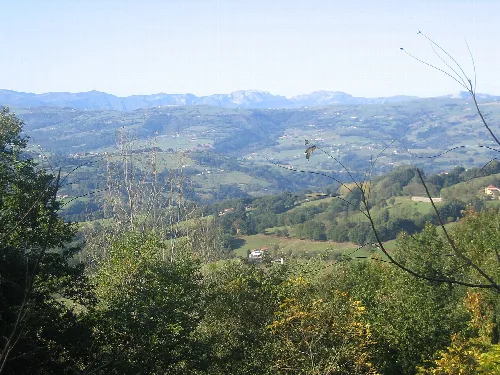
Karrantza Harana, also known as Valle de Carranza, is a municipality located in the western part of Biscay in the Basque Country. Characterized by its rich cultural heritage and natural landscapes, it features numerous small neighborhoods and is home to unique geological formations and historical sites.
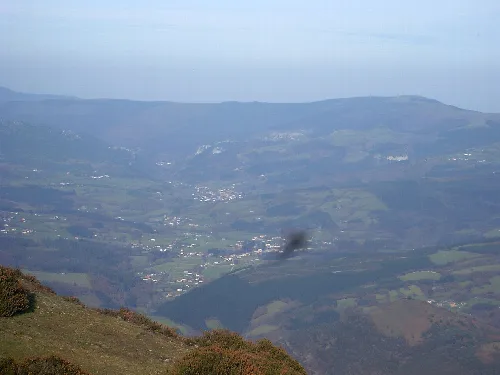
Valle de Carranza is the largest municipality in Biscay, comprising 49 small neighborhoods, with Concha serving as the capital. The area is bordered by various municipalities from Biscay, Cantabria, and Burgos. The main river is the Carranza, which flows into the Asón, alongside several smaller rivers. Notable natural resources include the Ranero and Armañón areas, designated as a natural park, and the Ordunte mountains, recognized for their ecological significance.
The region is rich in megalithic monuments, including dolmens and tumuli. It was once part of Autrigonia, inhabited by the Celtic autrigones. Following various conquests, including by Muslims and later the Kingdom of Asturias, the area was repopulated, with historical references to Carranza appearing in the Chronicle of Alfonso III.
Karrantza Harana, a municipality in Biscay, features rich culture, natural landscapes, and historical sites.
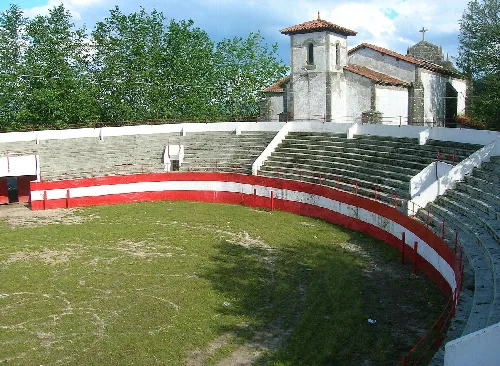
Karrantza Harana celebrates various festivals throughout the year, with Nuestra Señora del Suceso being the main patronal feast on September 18. Other notable events include the Festival of Pozalagua in July and Euskal Jaia, which showcases local traditions. The region also has a strong agricultural fair in October.
Own text, written with AI assistance from the facts in Wikipedia · Karrantza · Data: Wikidata Q686837 · Photos: Wikimedia Commons, see individual licenses. · CC BY-SA 4.0