espana.net
H
 amaianos from Galicia, CC BY 2.0
Castile and León
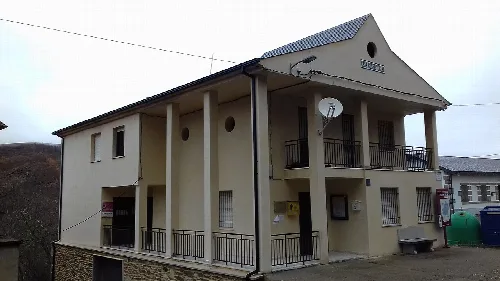
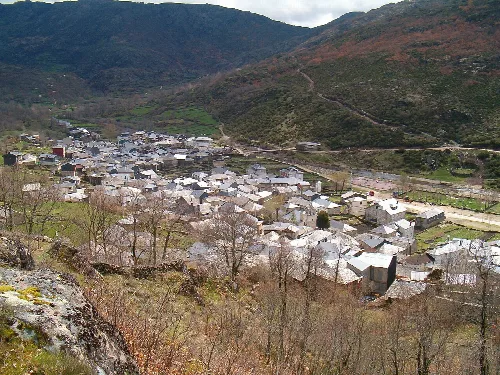
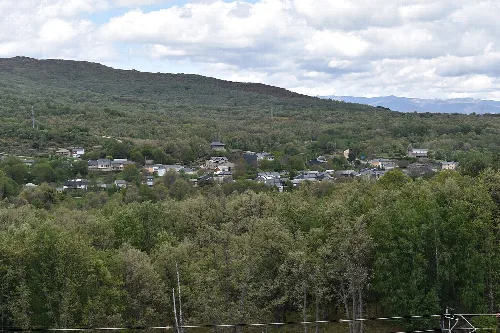
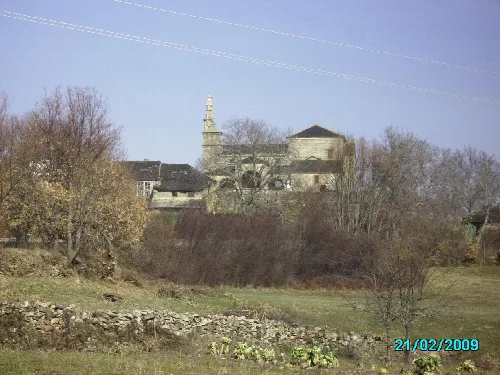
Lubián is a municipality located in the province of Zamora, within the autonomous community of Castile and León. Known for its bilingual population, the town features a rich cultural heritage and a diverse landscape characterized by mountainous terrain and valleys.
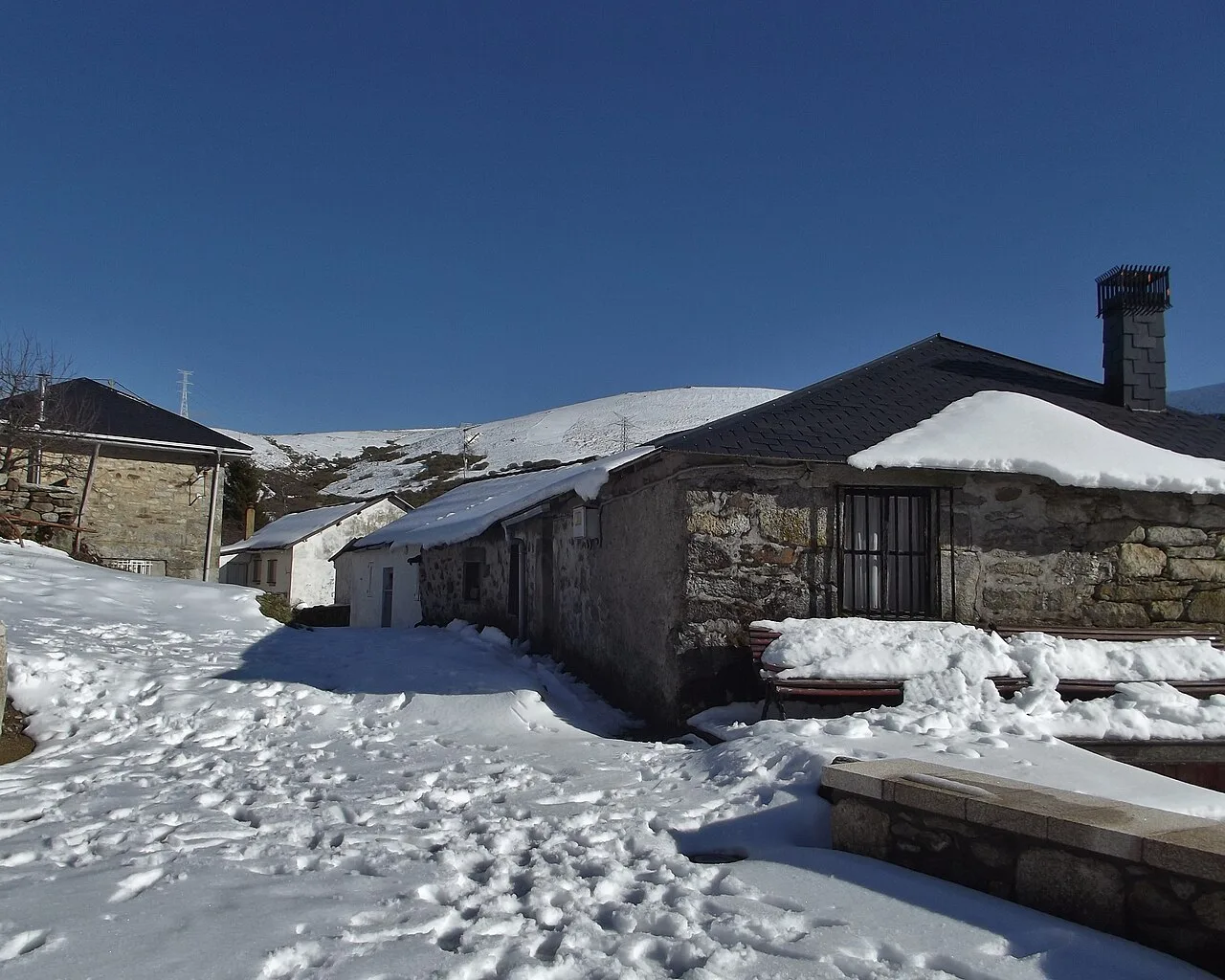
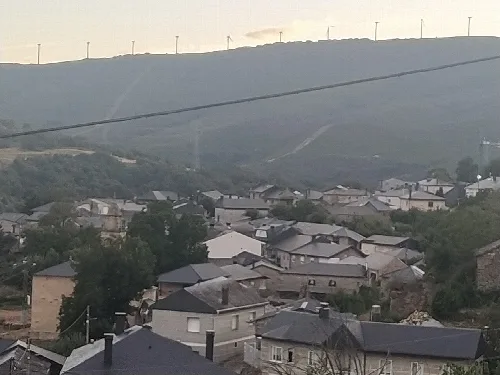
Situated in the northwest of Zamora province, Lubián borders the province of Orense and is close to the Portuguese border. It is part of the Alta Sanabria region, which is characterized by its rugged terrain and mountainous landscape, including the Sierra Segundera and Sierra Gamoneda. The municipality is traversed by the A-52 highway and the N-525 road, and it features a conventional railway station.
Lubián's historical roots trace back to the Middle Ages when it became part of the Kingdom of León during the Reconquista. It is believed that Lubián may have been associated with the Order of the Temple, although this remains unconfirmed due to a lack of documentation. In the 19th century, Lubián was integrated into the province of Zamora as part of the newly established provinces.
Lubián is a bilingual municipality in Zamora, Castile and León, known for its cultural heritage and mountainous landscapes.
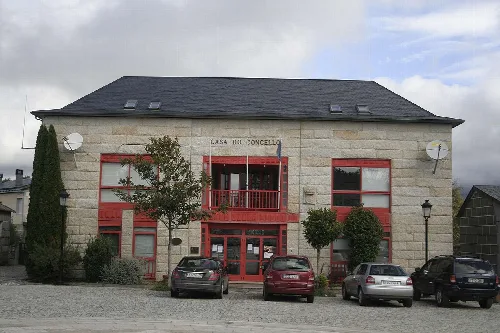
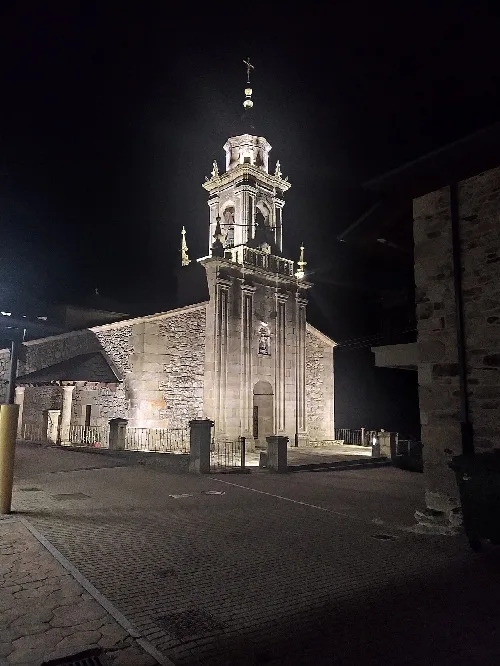
Lubián is home to several notable cultural sites, including the Santuario de la Virgen de la Tuiza, which houses the patron saint of Alta Sanabria. The town also features traditional architecture characterized by granite stone walls and wooden structures. The Castro de As Muradellas, an ancient Asturian settlement, is another significant historical site.
Own text, written with AI assistance from the facts in Wikipedia · Lubián · Data: Wikidata Q1646337 · Photos: Wikimedia Commons, see individual licenses. · CC BY-SA 4.0