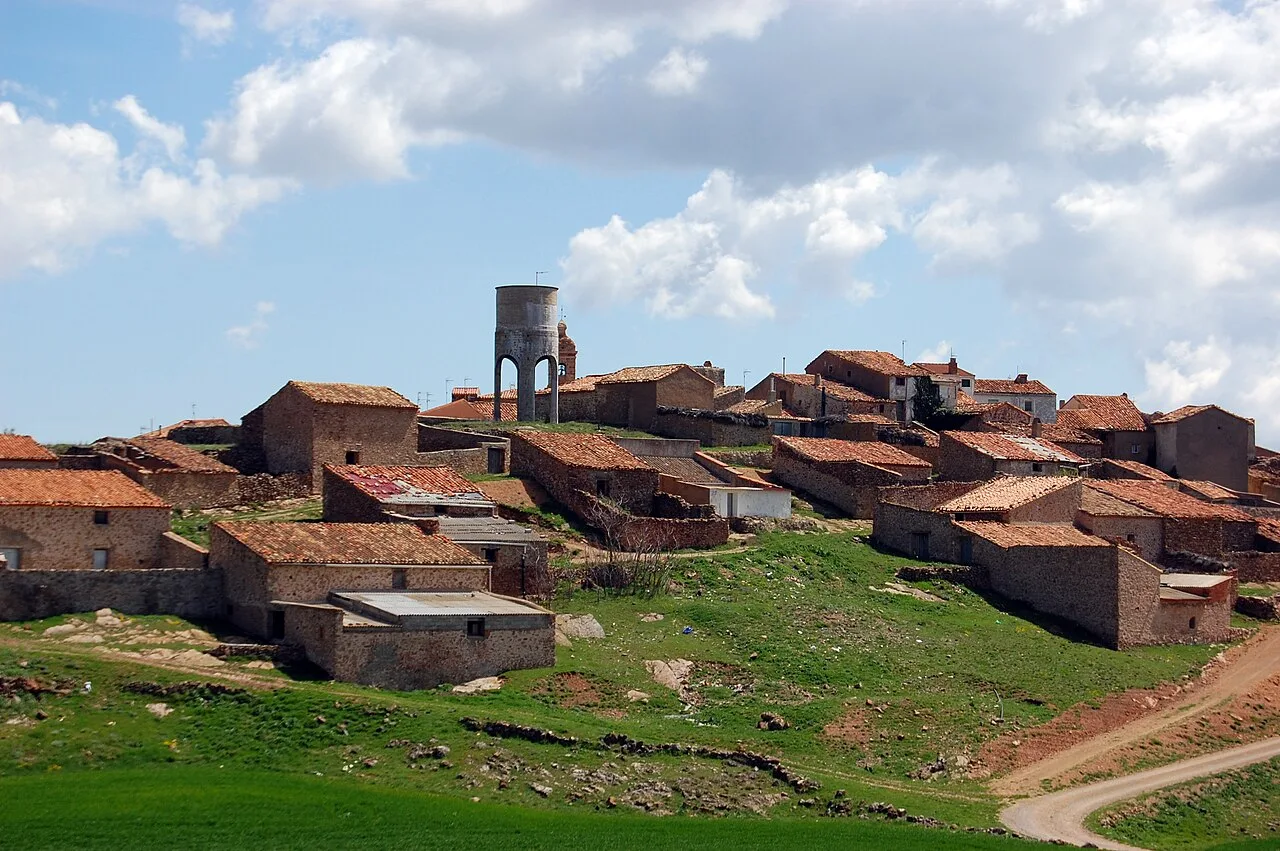
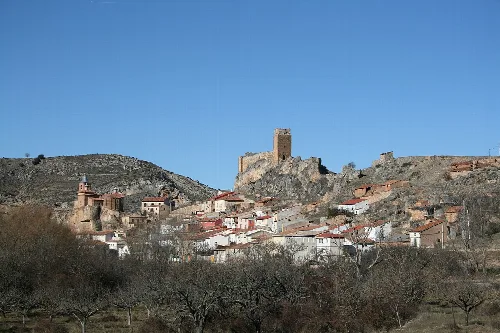
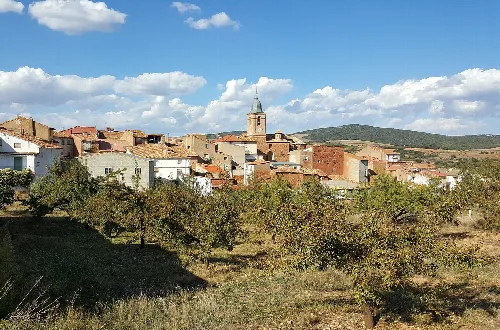
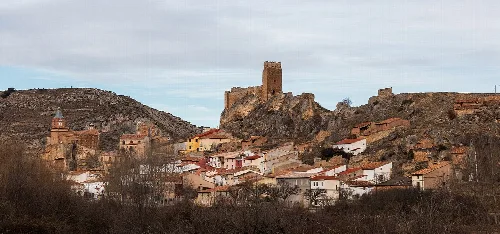
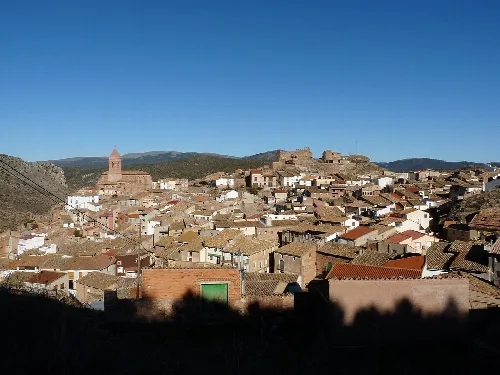
Malanquilla is a municipality located in the province of Zaragoza, within the autonomous community of Aragon, Spain. Characterized by its mountainous terrain and rich historical heritage, it has a small population of 71 residents and features notable landmarks such as the Molino de Viento and various historical sites.
02Geography
Malanquilla is situated in the Comunidad de Calatayud comarca, approximately 117 km from Zaragoza. The municipality is traversed by the N-234 national road and the A-1503 regional road, connecting it to nearby areas. The landscape is predominantly mountainous, lying between the Sierra de la Virgen and the Sierra del Moncayo, with an elevation of 1051 m above sea level.
Distance to Zaragoza
117 km
Elevation range
980 m to 1333 m
Average annual temperature
10-12 °C
Average annual precipitation
approximately 550 mm
03History
The history of Malanquilla is marked by archaeological findings, including ceramic remains from the Iberian-Roman period and a Roman dolium discovered in 1990. Medieval remnants include a settlement at La Calderuela, where part of a tower is still visible. The population was recorded at 300 in the mid-19th century.
Roman dolium Found in 1990, dating to the 2nd century AD.
Settlement at La Calderuela Visible remnants of a medieval tower.
Population in 1850s 300 inhabitants.
Mention in historical texts Described in Pascual Madoz's geographical dictionary.
Malanquilla is a small municipality in Zaragoza, Aragon, known for its mountainous landscape and historical landmarks.
04Landmarks
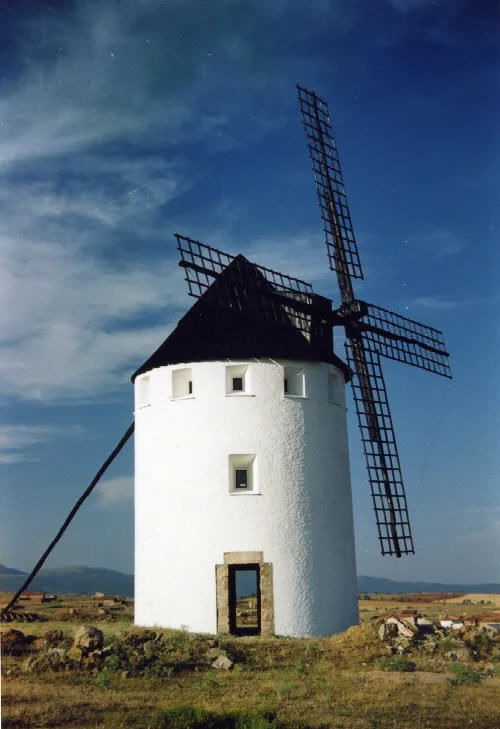
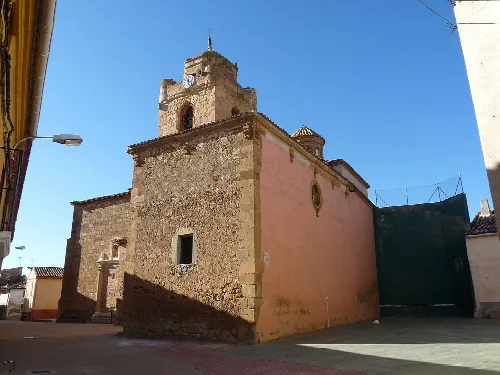
Malanquilla features several significant landmarks, including the Church of Nuestra Señora de la Asunción, the restored ice well, and the Molino de Viento, which is a symbol of the municipality. The town also has the Fuente de los Tres Caños, a Roman fountain, and the Ermita del Stmo. Cristo del Humilladero, a 17th-century sanctuary.
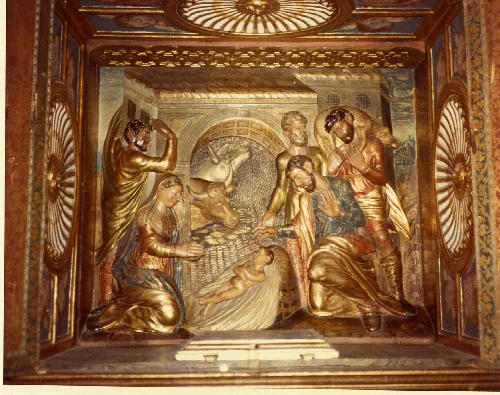
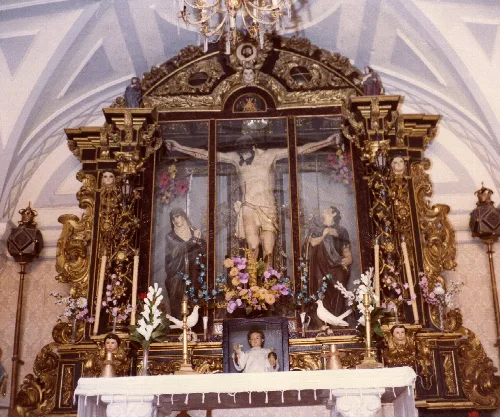
Iglesia de Nuestra Señora de la Asunción Renowned for its Renaissance altar and historical significance.
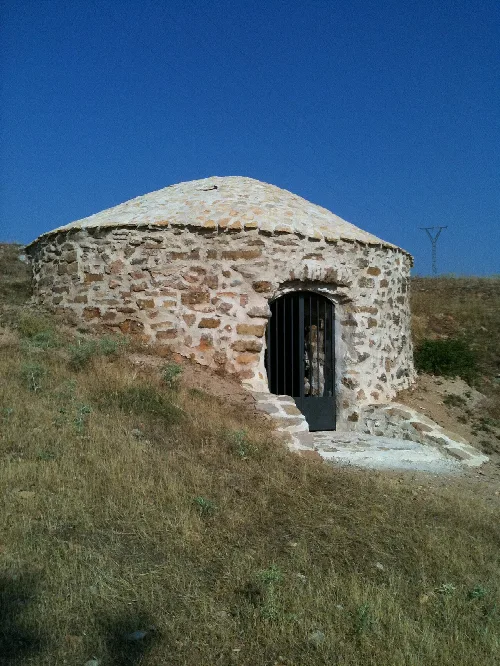
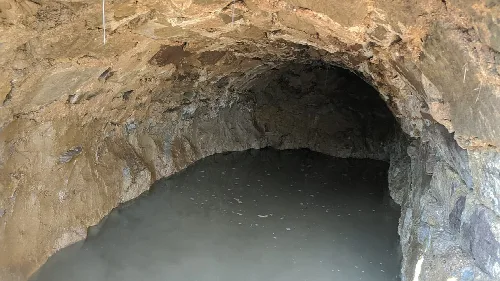
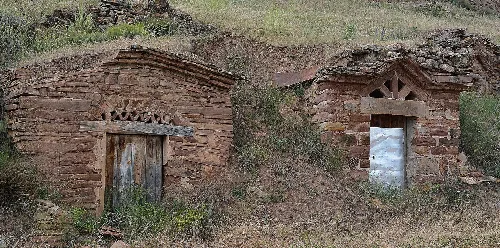
Nevera o pozo de hielo Restored ice well from the 17th century.
Molino de Viento Reconstructed windmill, a local emblem.
Fuente de los Tres Caños Roman fountain with historical restoration.
Ermita del Stmo. Cristo del Humilladero 17th-century sanctuary with a significant religious role.
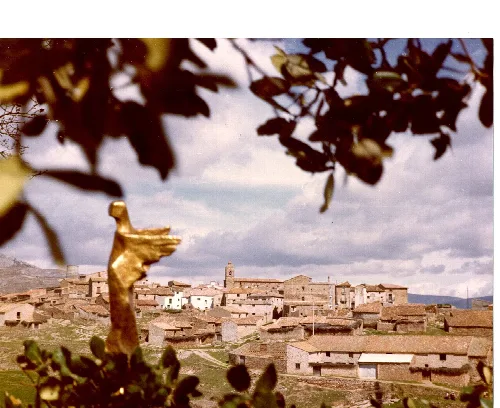
View of Malanquilla with the Rescue Mission Gold Trophy in the foreground.16th-century polychrome tabernacle with gilded figures and protective doors in Malanquilla church.
05Cultural Initiatives
In recent years, Malanquilla has seen cultural initiatives aimed at revitalizing the community, such as the Misión Rescate project, which began in 1976 to preserve local heritage. The Malanquilla Rechita initiative, launched in 2020, aims to promote social and economic growth in the area.
Misión Rescate Initiated in 1976 to protect cultural heritage.
Malanquilla Rechita 2020 project to revitalize the community.
Asociación cultural Miguel Martínez del Villar Founded in 1981 to promote local history.
Community engagement Focus on preserving and promoting local culture.
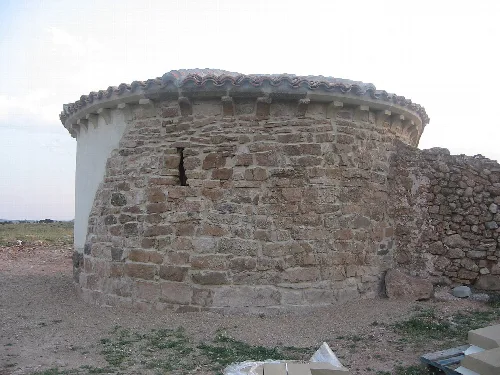
Restored Malanquilla icehouse, made of stone with an iron door, in a rural Zaragoza setting.Windmill of Malanquilla with a white structure and wooden blades in a rural landscape.Romanesque chapel of Santa María, reconstructed, in Malanquilla with stone walls and tiled roof.Arched gallery supplying the Roman fountain in Malanquilla, Zaragoza.Altar of the Stmo. Cristo del Humilladero in Malanquilla, featuring a central crucifixion image and floral decorations.
Frequently asked questions
What is the history behind the Molino de Viento in Malanquilla?
The Molino de Viento is a significant landmark in Malanquilla, dating back to before 1665. It was mentioned in parish records and is one of the largest windmills in the region. After various challenges, it was fully reconstructed in 2010 and now serves as a symbol of the municipality, even appearing on its coat of arms.
What can you tell me about the Iglesia de Nuestra Señora de la Asunción?
The Iglesia de Nuestra Señora de la Asunción, consecrated in 1594, features a notable Renaissance altar with a beautifully crafted sagrario. The church is significant for its artistic value and has undergone restoration to preserve its historical elements, including the retablo of the Virgen del Rosario.
What is the significance of the Nevera de Malanquilla?
The Nevera de Malanquilla, a restored ice well from the 17th century, was used for storing snow for food preservation. Its construction reflects historical practices and is notable for its architectural features, including a dome and interior masonry. It offers insight into local traditions of the time.
The Trofeo de Oro de Misión Rescate was awarded in 1977 to a group of young residents from Malanquilla for their efforts in preserving the local cultural heritage. This initiative highlighted the importance of community involvement in safeguarding historical sites and artifacts.
Malanquilla has a cold climate, with average annual temperatures ranging between 10 and 12 °C. The area receives approximately 550 mm of precipitation annually, which influences the local agricultural practices, particularly cereal farming.
While specific local dishes are not detailed, traditional Aragonese cuisine often includes hearty meals featuring local meats, vegetables, and bread. Visitors should explore local eateries for authentic flavors that reflect the region's agricultural heritage.
As of 2025, Malanquilla has a population of 71 residents. This small community size reflects the rural nature of the municipality and its historical demographic changes over the years.
What can you tell me about the Ermita de Santa María?
The Ermita de Santa María is a small, semi-ruined chapel with a Romanesque apse dating back to the 12th or 13th century. Recent restoration efforts have aimed to preserve its historical elements, making it an important site for local heritage.
The Fuente de los Tres Caños is a Roman fountain dating back to the 1st-2nd century, recently uncovered and restored. It features an inscription and is located near an old washhouse, making it a charming spot for visitors interested in local history.
How can I get involved in local initiatives in Malanquilla?
Residents can participate in community projects like Malanquilla Rechita, aimed at revitalizing the area. Engaging with local associations and attending town meetings can provide opportunities to contribute to the community's growth and preservation efforts.
 espana.net