What is the significance of the Abrigo Grande Minateda near Hellín?
The Abrigo Grande Minateda is a crucial archaeological site featuring Levantine rock art, recognized as a UNESCO World Heritage site. Discovered in 1914, it contains over 600 figures depicting hunting scenes and daily life from prehistoric times, making it one of the most important examples of this artistic expression in southeastern Spain.
History
Can you tell me about the Semana Santa celebrations in Hellín?
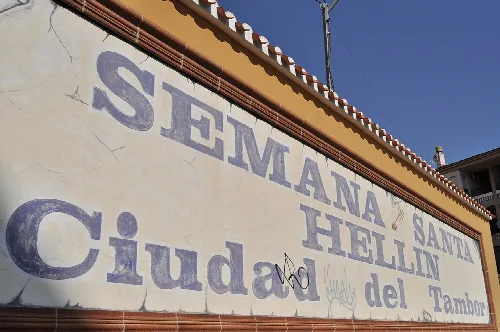
Semana Santa in Hellín is a major event, celebrated with enthusiasm and recognized as a Festival of International Tourist Interest. It features unique tamboradas, where thousands of drums resonate throughout the city, blending religious and cultural traditions. The festivities begin on Palm Sunday and culminate on Easter Sunday, showcasing a rich heritage of processions and communal participation.
Festivals & events

What types of food should I try in Hellín?
When in Hellín, don't miss the local tapas, especially those featuring jamón and queso. These traditional dishes highlight the region's culinary heritage and are perfect for sharing. Enjoying these with a glass of local wine offers a true taste of the area's flavors and hospitality.
Food & drink

Is there a good place for sports in Hellín?
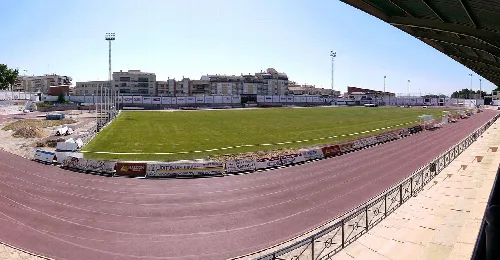
Yes, Hellín has the Complejo Polideportivo 'Santa Ana', which includes a football field and facilities for various sports. This complex serves as a hub for local sporting events and activities, promoting a healthy lifestyle among residents and visitors alike.
Sights
Complejo Polideportivo 'Santa Ana'
What are the main natural attractions in Hellín?
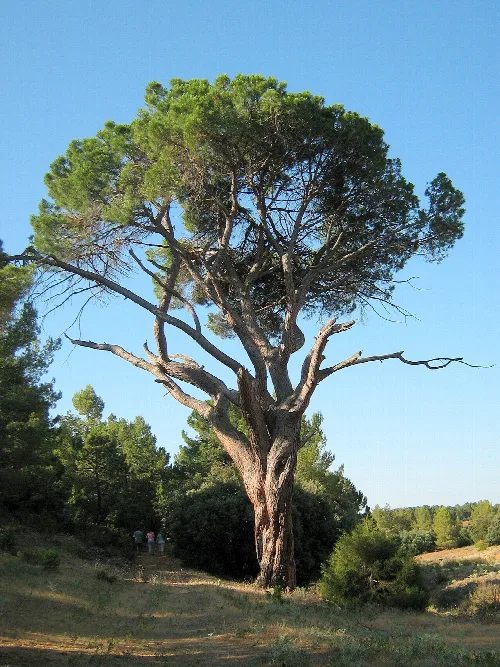
Hellín is home to diverse natural attractions, including the Sierra de los Donceles and various protected ecosystems. The region features unique flora and fauna, with areas like the Saladar de Agramón showcasing regional biodiversity. Additionally, the Laguna de los Patos provides a habitat for numerous bird species.
Nature
What historical sites can I visit in Hellín?
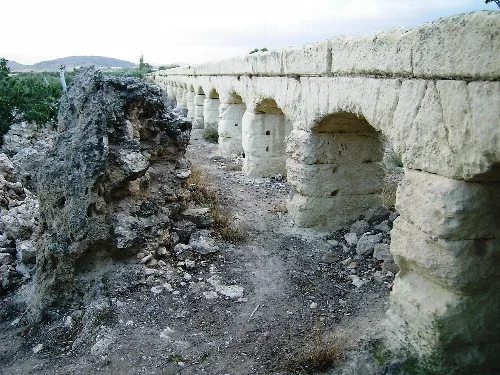
Hellín boasts several historical sites, such as the Tolmo de Minateda, an important archaeological site with remnants from various civilizations. The Iglesia Arciprestal de Santa María de la Asunción, built in the late 15th century, is another highlight, showcasing beautiful architecture and religious significance.
History
How is the climate in Hellín?
Hellín experiences a Mediterranean climate with continental influences, characterized by dry air and significant temperature variations. Summers can be hot, while winters are cooler, with limited rainfall throughout the year. The region's semi-arid conditions contribute to its unique landscape and biodiversity.
Nature
For residents

What can you tell me about the Hospital de Hellín?
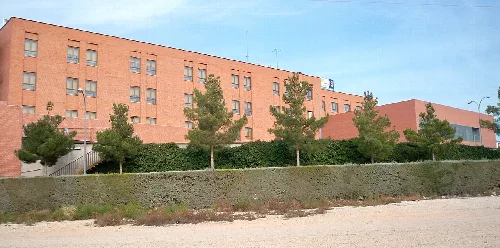
The Hospital de Hellín, inaugurated in 1990, provides healthcare services to over 70,000 patients in the region. It serves as a key medical facility for the Campos de Hellín area, ensuring that residents have access to essential health services and care.
Practical
For residents
What are the main economic activities in Hellín?
Hellín's economy is diverse, with agriculture playing a role, though the secondary sector is more prominent. Key activities include the mining of gypsum and lime, as well as the cultivation of cereals and vines. The town has developed a strong industrial base, contributing to its economic growth.
Living there
For residents
What is the history behind the Iglesia Arciprestal de Santa María de la Asunción?
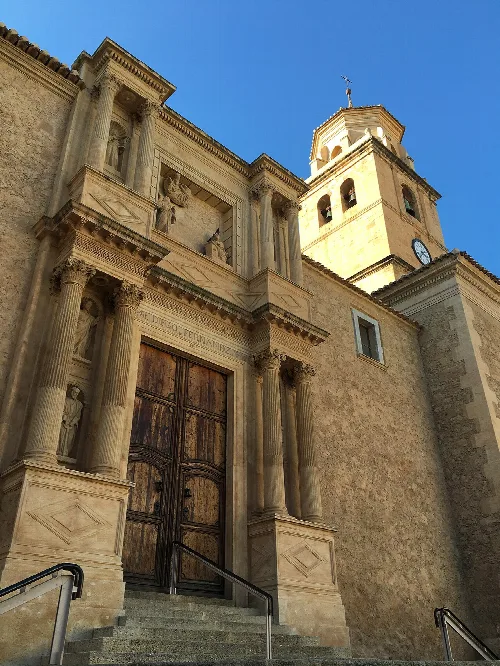
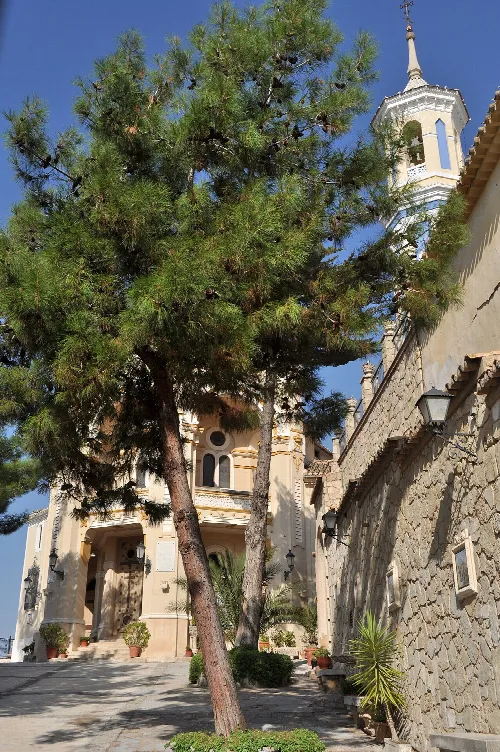
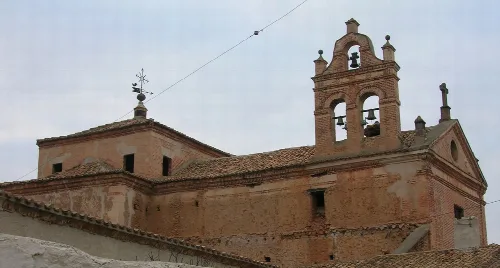
The Iglesia Arciprestal de Santa María de la Asunción began construction in 1499, making it the first columnar church in the Diocese of Cartagena. Its design features distinct cylindrical supports and a baroque tower, reflecting the architectural styles of its time. It serves as a significant religious site in Hellín.
History
Iglesia Arciprestal de Santa María de la Asunción
 espana.net