Practical

432 questions

NerjaMálaga

Is it easy to get around Nerja?

Nerja has a local bus service with several lines, making it relatively easy to navigate the town. For those wishing to explore nearby areas, intercity buses connect Nerja to other towns. Many visitors also enjoy walking, as the town is compact and pedestrian-friendly.
For residents ›

ÁloraMálaga

How is the public transport in Álora?

Álora is well-connected by public transport, featuring three train stations. The main station serves the Cercanías Málaga line, linking Álora to Málaga and other cities. Additionally, there are interurban bus routes available, making it convenient for residents and visitors to travel within the region and beyond.

For residents ›

Vélez-MálagaMálaga

Is there a local market in Vélez-Málaga?

Yes, Vélez-Málaga has a bustling market that serves as a supply center for local farmers. It's a great place to experience the local culture, shop for fresh produce, and enjoy the vibrant atmosphere. The market is an integral part of the town's identity as a market city.

For residents ›

EsteponaMálaga

How does Estepona's economy function?

Estepona's economy is primarily driven by tourism, agriculture, and fishing. The region is known for its production of citrus fruits and avocados, while the tourism sector includes a variety of hotels and recreational facilities. The local fishing industry also plays a vital role, contributing to the culinary scene.

For residents ›

AntequeraMálaga

What is the climate like in Antequera?

Antequera experiences a Mediterranean climate characterized by hot summers and mild winters. Summers can be quite warm, with temperatures often exceeding 30°C (86°F), while winters are cooler, typically ranging from 5°C to 15°C (41°F to 59°F). Rainfall is more common in the spring and autumn months.

For residents ›

AntequeraMálaga

How is the public transport system in Antequera?

Antequera has a well-connected public transport system, including two railway stations: Antequera-Ciudad and Antequera-Santa Ana. These stations provide access to regional and high-speed trains. Local buses serve the city and surrounding areas, making it convenient for residents and visitors to navigate the region.

For residents ›

Villanueva del RosarioMálaga

What is the population of Villanueva del Rosario?

As of the latest census in 2025, Villanueva del Rosario has a population of 3,470 residents. This small community reflects a close-knit atmosphere typical of many rural towns in the Andalusian region, where traditions and local culture are integral to daily life.

For residents ›

Alhaurín de la TorreMálaga

How is the public transportation system in Alhaurín de la Torre?

Alhaurín de la Torre has a well-established public transportation system, including urban and interurban bus services. The local buses connect residents to nearby municipalities and the metropolitan area of Málaga, making it convenient for commuting and travel within the region.

For residents ›

Alhaurín de la TorreMálaga

What is the population of Alhaurín de la Torre?

Alhaurín de la Torre has a population of approximately 45,066 residents. This number reflects significant growth over recent decades, particularly during the 1990s, as the area became more integrated into the metropolitan region of Málaga, attracting new inhabitants.

For residents ›

CártamaMálaga

What are the main educational institutions in Cártama?

Cártama offers a range of educational facilities, including several public primary schools like CEIP Nuestra Señora de los Remedios and CEIP La Mata. For secondary education, there are institutions such as IES Jarifa and IES Valle del Azahar, providing options for both ESO and bachillerato.

For residents ›

Rincón de la VictoriaMálaga

What is the main economic activity in Rincón de la Victoria?

The economy of Rincón de la Victoria is primarily driven by retail, hospitality, and construction. The town is a significant commercial hub in La Axarquía, with a focus on tourism due to its coastal location. Despite its tourist appeal, the municipality has limited hotel capacity compared to other areas in Málaga.

For residents ›

ArchidonaMálaga

What is the climate like in Archidona?

Archidona has a Mediterranean climate with continental influences. Winters are mild, with average temperatures around 2.7 °C, while summers can be hot, averaging about 32.5 °C. The area receives around 400 mm of rainfall annually and enjoys approximately 2700 hours of sunshine each year, making it a pleasant place to visit year-round.

For visitors ›

CapdeperaBalearic Islands

How is the public transport in Capdepera?

Public transport in Capdepera is primarily served by buses connecting the town to nearby areas, including Artà and Cala Rajada. While the network is functional, many residents and visitors prefer to use cars or bicycles for convenience, especially to access the beaches and surrounding attractions.

For residents ›

AlbaceteAlbacete

What is the climate like in Albacete?

Albacete has a cold semi-arid climate characterized by cool winters and hot summers. The region experiences low precipitation, primarily in spring and autumn, with occasional snowfall in winter. The temperature can vary significantly throughout the year, making it essential for visitors to prepare accordingly.

For visitors ›

RióparAlbacete

What are the main services available in Riópar?

Riópar has a range of services catering to both residents and visitors. These include restaurants, hotels, supermarkets, and various recreational facilities. The town also offers essential services like a health center, schools, and local businesses, ensuring a comfortable living environment.

For residents ›

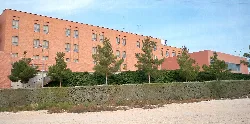
Lateral view of a hospital with trees and wall in front.
HellínAlbacete

What can you tell me about the Hospital de Hellín?

The Hospital de Hellín, inaugurated in 1990, provides healthcare services to over 70,000 patients in the region. It serves as a key medical facility for the Campos de Hellín area, ensuring that residents have access to essential health services and care.

For residents ›

CaudeteAlbacete

How is the climate in Caudete?

Caudete enjoys a continental climate with Mediterranean influences, resulting in hot summers and mild winters. The average annual temperature is around 15 °C, with rainfall peaking in spring and autumn. Visitors can expect warm weather, especially in summer, making it a pleasant time to explore the outdoors.

For visitors ›

YesteAlbacete

How is the local government structured in Yeste?

Yeste's local government consists of 11 council members. To achieve a majority, 6 votes are required. The town has experienced various political shifts, with the PSOE and PP being the main parties in recent elections, reflecting active local governance.

For residents ›

BarcarrotaBadajoz

What are the main transportation options in Barcarrota?

Barcarrota is well-connected by the N-435 national road, facilitating travel to nearby towns. Public transport includes taxi services and a bus stop on Calle Portugal. The nearest train station is in Badajoz, about 50 km away, and the closest airports are also located in Badajoz and Sevilla, providing regional access.

For residents ›

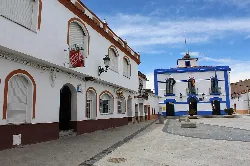
Town hall building with white facade and blue details in Valverde de Mérida.
Valverde de MéridaBadajoz

What is the Ayuntamiento de Valverde de Mérida?

The Ayuntamiento de Valverde de Mérida is the town hall of Valverde de Mérida, serving as the administrative center for the municipality. It is a notable building characterized by its blue and white facade, reflecting the local architectural style. The town hall plays a crucial role in local governance and community activities, making it a focal point for residents and visitors alike.

For visitors ›

White building with brick arches and flags on the balcony.
La ParraBadajoz

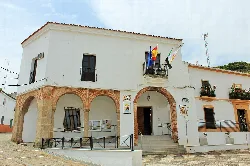
What is the Ayuntamiento de La Parra?

The Ayuntamiento de La Parra is the town hall of La Parra, serving as the administrative center for the municipality. It is where local government activities are conducted and community services are coordinated. The building reflects the architectural style typical of the region, showcasing the town's heritage and commitment to local governance.

For residents ›

La ParraBadajoz

What is the altitude of La Parra?

La Parra is situated at an altitude of 518 meters above sea level. Its elevation contributes to the town's unique climate and natural beauty, providing stunning views of the surrounding mountainous landscape, which includes several notable peaks.

For residents ›

Calera de LeónBadajoz

What is the population of Calera de León?

As of 2025, Calera de León has a population of 912 inhabitants. This small community is characterized by its rich history and cultural heritage, contributing to a close-knit atmosphere where residents often engage in local traditions and events.

For residents ›

Fregenal de la SierraBadajoz

What is the coat of arms of Fregenal de la Sierra like?

The coat of arms of Fregenal de la Sierra features two ash trees, the town's emblematic tree, flanking a book crossed by a sword. The design is crowned with a royal crown and includes the motto 'Litteris Armata et Armis Decorata,' symbolizing the town's rich heritage and history.

For residents ›