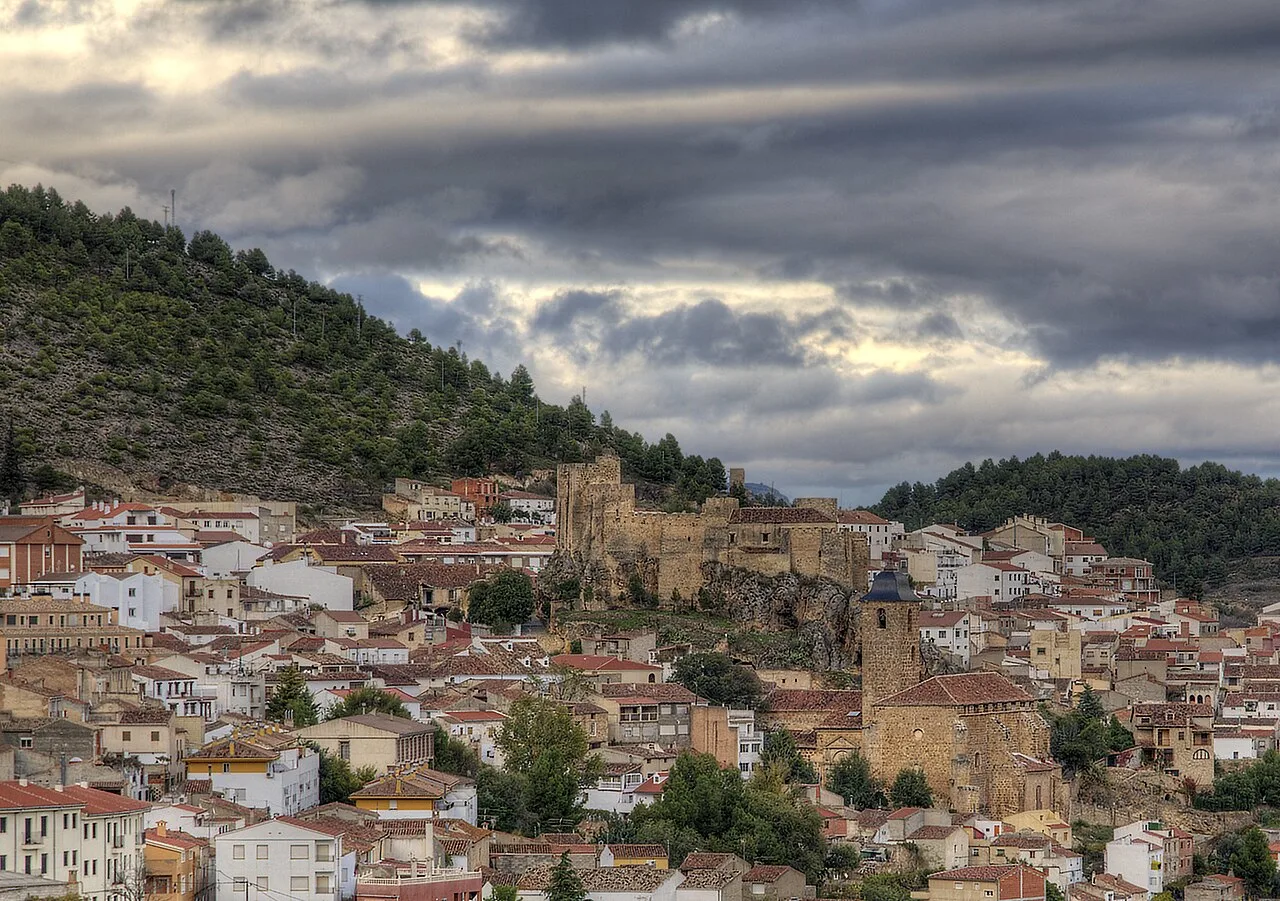
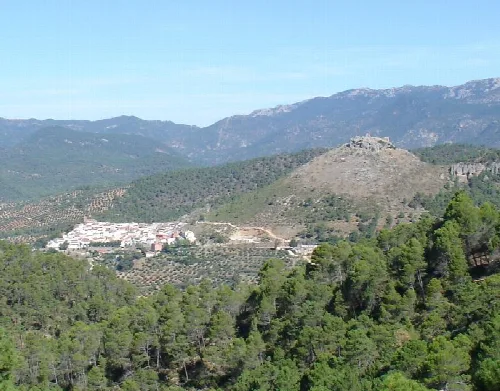
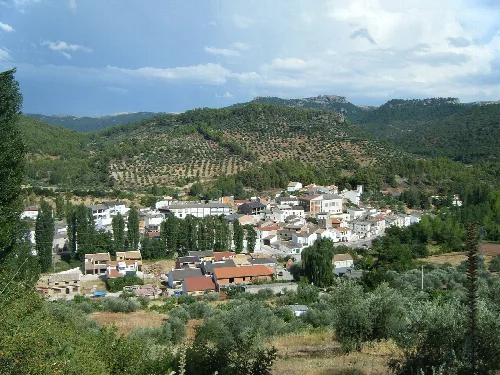
View of a hilltop town with white houses and an old church. Jesus, CC BY 2.0

Yeste

Castilla–La Mancha

2,471Population
511 km²Area
877 mElevation
02480Postal code

Yeste is a municipality located in the western part of the Sierra de Segura in Albacete, Castilla-La Mancha. Known for its mountainous terrain and rich historical heritage, it features a mix of natural beauty and cultural landmarks.

02Geography

Nestled in the Sierra del Segura, Yeste is part of the Mancomunidad de Municipios de la Sierra del Segura. It shares borders with several municipalities, including Vianos, Riópar, and Nerpio, and is situated approximately 132 km from Albacete and 158 km from Murcia. Hellín, located 68 km away, serves as the nearest administrative center.

03History

The origins of Yeste are believed to trace back to an Islamic settlement, which was later conquered by Castilian troops in 1242. It became part of the Order of Santiago and served as a political and religious center for the surrounding area. Over the centuries, Yeste experienced significant demographic and economic growth, particularly during the late medieval period.

Yeste, a municipality in Albacete, is known for its mountainous landscape and rich historical heritage.

04Cultural Heritage

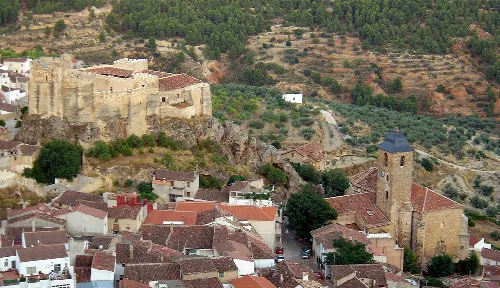
Yeste boasts several historical landmarks, including the Castillo de Yeste, a 12th-century fortress, and the Iglesia de la Asunción, which showcases a blend of Gothic and Renaissance architecture. Other notable sites include the Convento de San Francisco and the Edificio del Concejo, reflecting the town's rich architectural history.

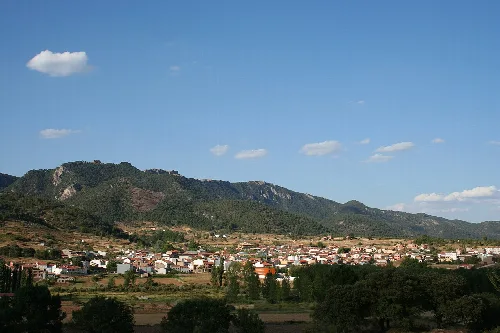
Panoramic view of Yeste with castle and church on the hill.
View of Yeste with the castle and the Church of the Assumption on the hill.
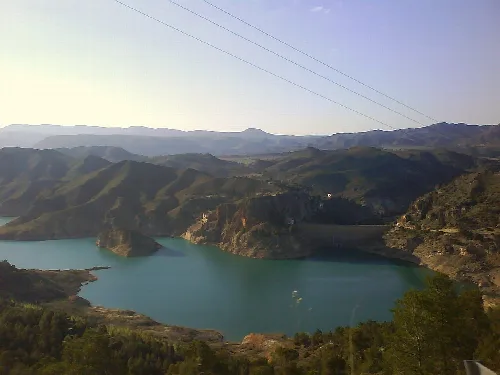
Fuensanta Reservoir in a mountain valley in 2008.
Valley view with the Fuensanta Reservoir in Yeste, surrounded by mountains in 2008.

05Festivals and Traditions

Yeste hosts several vibrant festivals throughout the year, with the most notable being the Fiestas Patronales in honor of San Bartolomé, celebrated in August. Other important events include the Feria de Tradiciones Populares in October, which showcases local customs and crafts.

Yeste · Data
Province
Albacete
Autonomous community
Castilla–La Mancha
Population
2,471
Area
511 km²
Elevation
877 m
Postal code
02480
Website
http://www.yeste.es/
Coordinates
38.3653, -2.3214

Photos

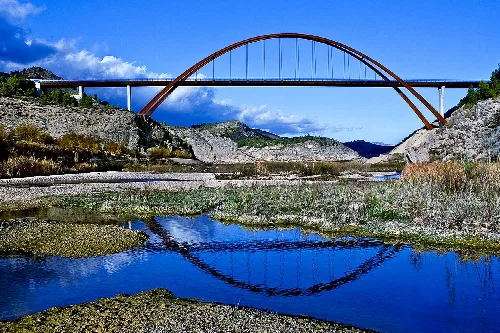
Large arch bridge over the Segura river in Yeste.
The Vicaria Arch Bridge over the Segura river in Yeste, with a modern and colorful design.
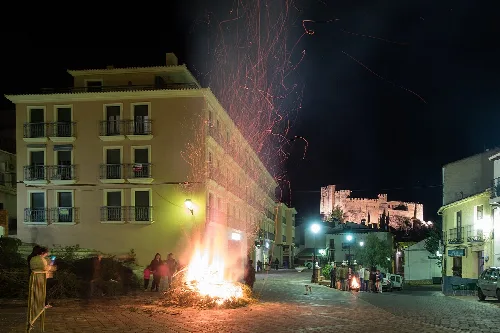
Fireworks and people in the square during Santa Lucia celebration in Yeste.
Santa Lucia festival in Yeste with fireworks lighting up the night sky.
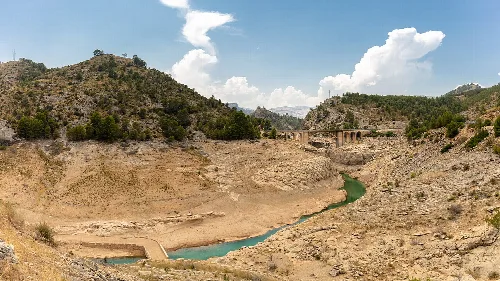
Tus riverbed with bridge in the background and drought in the Fuensanta reservoir.
Tus riverbed at one of the Fuensanta reservoir's tails, with a road bridge in the background during a drought.

Frequently asked questions

What can I see in Yeste?

Yeste offers a rich historical and natural landscape. Key sights include the Castillo de Yeste, a 12th-century Muslim castle, and the Iglesia de la Asunción, which features both Gothic and Renaissance architecture. Additionally, the stunning Embalse de la Fuensanta provides beautiful views and recreational opportunities.

Sights
View of a hilltop town with white houses and an old church.

What is the history of the Castillo de Yeste?

The Castillo de Yeste dates back to the 12th century and was originally a Muslim fortress. It later became part of the Order of Santiago. Over the centuries, it underwent numerous transformations, resulting in a solid structure that features a unique patio of arms and impressive stone carvings.

History Castillo de Yeste

What is the significance of the Feria de Tradiciones in Yeste?

The Feria de Tradiciones, held the last weekend of October, aims to preserve the local customs and culture. It showcases traditional crafts, gastronomy, and livestock exhibitions, making it one of the most popular festivals in Castilla-La Mancha, recognized for its regional tourist interest.

Festivals & events

What outdoor activities can I do in Yeste?

Yeste is perfect for outdoor enthusiasts. You can enjoy hiking, mountain biking, and climbing, with various marked routes such as the Ruta de las Atalayas and trails in the nearby natural parks. The scenic landscapes make it an ideal spot for nature lovers.

Nature

What are the traditional foods of Yeste?

Yeste's culinary heritage features traditional dishes such as ajo pringue, andrajos, hojuelas, and potaje Bochero, which originates from the nearby village of Boche. These dishes reflect the local flavors and agricultural practices of the region.

Food & drink

How is the local government structured in Yeste?

Yeste's local government consists of 11 council members. To achieve a majority, 6 votes are required. The town has experienced various political shifts, with the PSOE and PP being the main parties in recent elections, reflecting active local governance.

Practical For residents
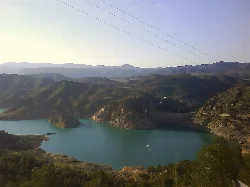
Fuensanta Reservoir in a mountain valley in 2008.

What is the Embalse de la Fuensanta?

The Embalse de la Fuensanta is a reservoir built between 1929 and 1933, situated at an elevation of about 600 meters. It plays a crucial role in water management for the region and is surrounded by picturesque landscapes, making it a popular spot for visitors.

Nature Embalse de la Fuensanta

What are the main festivities in Yeste?

Yeste celebrates several key festivals, including the Fiestas Patronales in honor of San Bartolomé from August 22 to 26, featuring traditional events, bull runs, and concerts. Other notable celebrations include San Juan in June and the Feria de Tradiciones in October.

Festivals & events

What is the climate like in Yeste?

Yeste's climate is influenced by its mountainous terrain, with significant elevation changes leading to varying temperatures and rainfall. Winters can be cold with potential snow, while summers are warm, making it a diverse environment for flora and fauna.

Nature For residents

View of a hilltop town with white houses and an old church.

What is the significance of the Iglesia de la Asunción?

The Iglesia de la Asunción is an important religious site in Yeste, reconstructed in the 16th century. It features a blend of Gothic and Renaissance styles, housing significant artworks, including a retablo from the 16th century and paintings by Pedro Orrente.

History Iglesia de la Asunción

Map

Nearby

Landscape with mountains and town on a sunny day.
Riópar
Albacete · 1,344 inhabitants
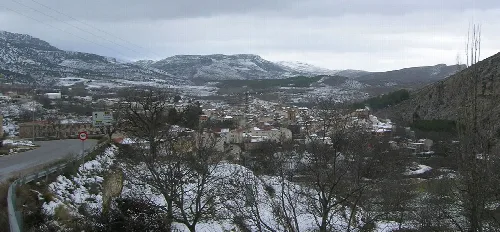
Winter landscape with snow mountains and leafless trees in Nerpio.
Nerpio
Albacete · 1,136 inhabitants
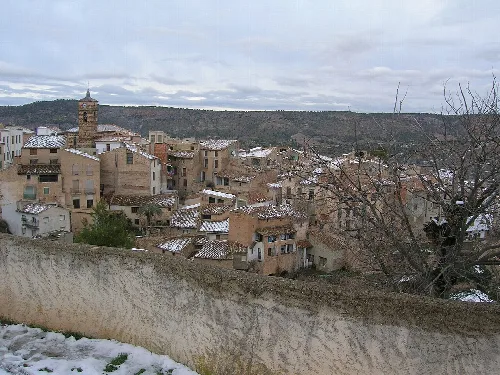
View of houses and a church in Letur, Albacete, with hills in the background.
Letur
Albacete · 911 inhabitants

Own text, written with AI assistance from the facts in Wikipedia · Yeste, Albacete · Data: Wikidata Q618586 · Photos: Wikimedia Commons, see individual licenses. · CC BY-SA 4.0